Skip to content
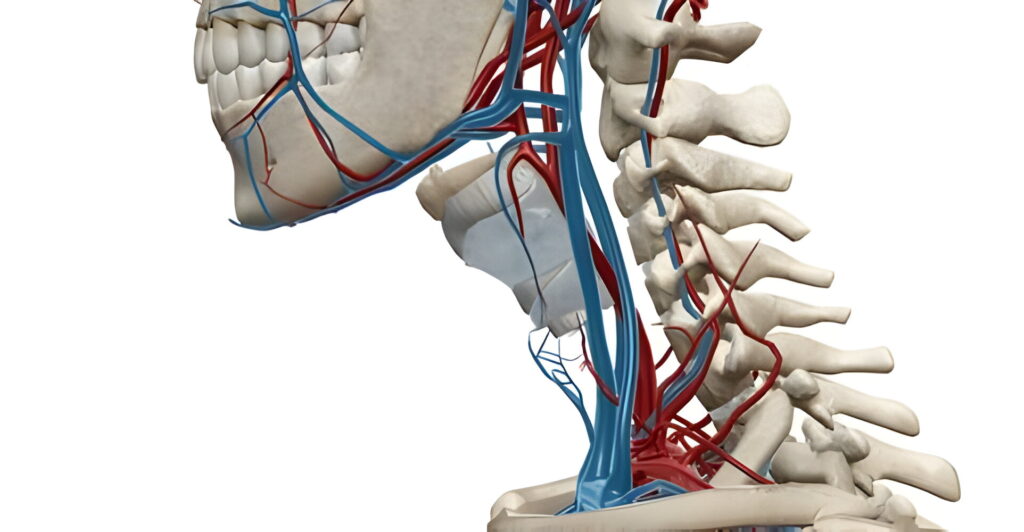
The vagus nerve, often referred to as the “wandering nerve” due to its extensive pathway throughout the body, plays a crucial role in the autonomic nervous system. It regulates a variety of critical functions, including heart rate, digestion, and immune response. However, recent studies have revealed a surprising connection between dysfunction in the vagus nerve and the occurrence of neck pain, shedding light on the intricate ways in which this nerve influences our overall health and wellbeing.
Understanding the Vagus Nerve
The vagus nerve is the tenth cranial nerve and the longest nerve of the autonomic nervous system. It originates from the brainstem and extends down to the abdomen, innervating the heart, lungs, and digestive tract along the way. The nerve’s primary function is to control the parasympathetic branch of the autonomic nervous system, which oversees the body’s rest and digest response.
The Connection to Neck Pain
Neck pain is a common complaint among adults, often attributed to posture, injury, or stress. However, emerging research suggests that vagus nerve dysfunction can also contribute to this condition. The connection lies in the pathway of the vagus nerve, which passes through the neck. Dysfunction or irritation of the vagus nerve in this area can lead to an array of symptoms, including pain, stiffness, and discomfort in the neck.
Mechanisms of Influence
The mechanisms through which vagus nerve dysfunction contributes to neck pain are multifaceted. One theory is that inflammation or irritation of the vagus nerve can trigger muscle tension and pain in the neck region. This is because the vagus nerve plays a key role in controlling inflammatory responses throughout the body. When the nerve is not functioning properly, it can lead to an imbalance in these responses, contributing to inflammation and pain.
Furthermore, the vagus nerve’s role in stress management is another pathway through which dysfunction may lead to neck pain. Stress and anxiety can exacerbate vagus nerve dysfunction, leading to a cycle of stress-induced muscle tension and increased neck pain.
Diagnosing and Treating Vagus Nerve Dysfunction
Diagnosing vagus nerve dysfunction involves a comprehensive evaluation that may include a clinical examination, imaging studies, and nerve function tests. Treatment options vary depending on the underlying cause of the dysfunction and may include lifestyle changes, physical therapy, medication, and in some cases, surgery.
Lifestyle and Therapeutic Interventions
Lifestyle changes and therapeutic interventions aimed at reducing stress and inflammation can be beneficial for individuals experiencing neck pain related to vagus nerve dysfunction. Techniques such as yoga, meditation, and deep breathing exercises can help manage stress and promote relaxation. Additionally, dietary modifications to reduce inflammation and physical therapy to address muscle tension and posture can also be effective.
Conclusion
The connection between vagus nerve dysfunction and neck pain underscores the complexity of the human body and the interconnectivity of its systems. This emerging area of research highlights the need for a combination approach to diagnosing and treating neck pain, one that considers not only physical factors but also the intricate role of the nervous system.