
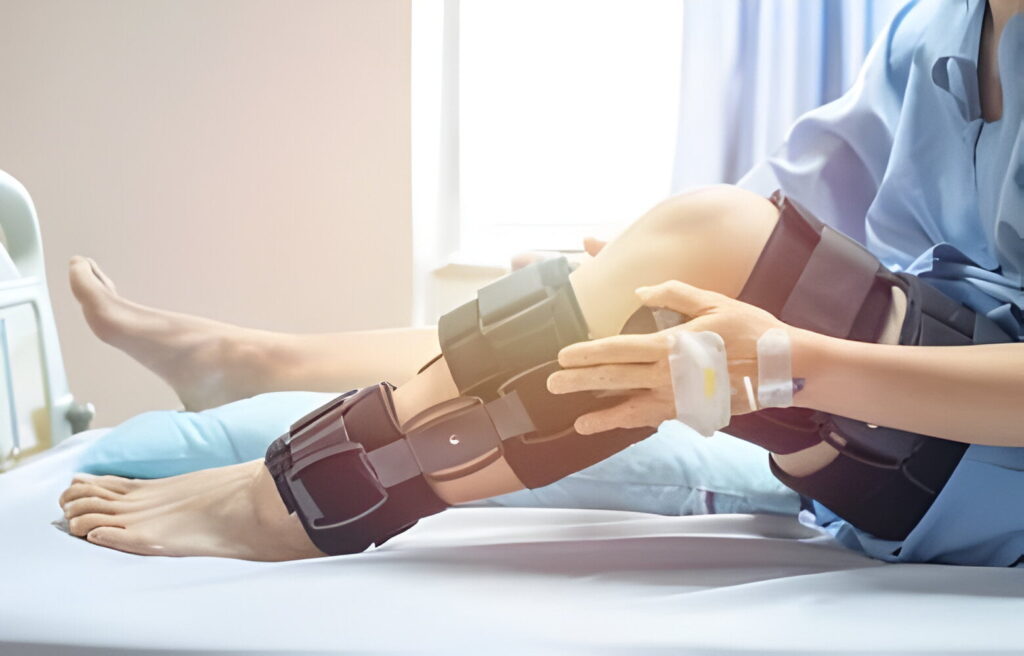
Knee surgery is often seen as a solution to alleviate pain and restore mobility for people suffering from knee-related issues. However, what happens when the pain persists long after the surgery is complete? Chronic pain after knee surgery is a complex and multifaceted issue that affects many patients. Understanding its causes, treatments, and implications is crucial for both patients and healthcare providers.
Causes of Chronic Pain
Chronic pain following knee surgery can stem from various sources:
- Nerve Damage: Nerve damage during surgery is a leading cause of chronic pain. Even skilled surgeons may inadvertently damage nerves around the knee, resulting in lingering discomfort. The peroneal nerve and other nerves in the region can be particularly susceptible to damage.
- Infections: Post-surgical infections can lead to inflammation and persistent pain. While surgeons take precautions to prevent infections, bacteria can sometimes enter the surgical site, causing complications.
- Scar Tissue Buildup: The healing process after surgery may lead to scar tissue formation, which can create mechanical restrictions, reducing joint flexibility and causing pain. This tissue can press against nerves or restrict the movement of surrounding structures, leading to discomfort.
- Mechanical Issues: Implant misalignment, wear, or failure can lead to ongoing pain. If a prosthetic knee is not correctly aligned or becomes worn, it can create friction and discomfort during movement.
- Psychological Factors: Anxiety, depression, and other psychological factors can amplify the sensation of pain or contribute to it. The stress and emotional strain associated with chronic pain can create a vicious cycle, where emotional distress exacerbates physical pain.
Diagnosis and Treatment
Diagnosing chronic pain after knee surgery involves a thorough evaluation by a healthcare professional. They may conduct physical examinations, imaging tests such as X-rays or MRIs, and assess the patient’s medical history. Once the source of the pain is identified, a tailored treatment plan can be developed.
Treatment options vary depending on the cause and severity of the pain. Non-invasive options include physical therapy, medication, and lifestyle changes. In more severe cases, additional surgical interventions may be necessary to correct underlying mechanical issues or remove problematic scar tissue.
In addition to these traditional options, newer treatments are available:
- Genicular Nerve Radiofrequency Ablation: This treatment involves using heat to interrupt nerve signals responsible for transmitting pain from the knee. It’s an effective option for patients whose pain is rooted in nerve issues, providing relief without the need for additional surgery.
- Proximal Tibiofibular Joint Injection: This procedure involves injecting a mixture of anesthetic and corticosteroid into the proximal tibiofibular joint to reduce inflammation and alleviate pain. It’s particularly useful for patients experiencing pain from joint-related issues.
- Spinal Cord Stimulator: For those experiencing chronic nerve-related pain, a spinal cord stimulator can be implanted to send electrical signals to the spinal cord, disrupting pain signals before they reach the brain. This treatment provides a long-term solution for those who don’t respond to other therapies.
Managing the Psychological Impact
Chronic pain can significantly impact a patient’s mental well-being. Feelings of frustration, helplessness, and depression are common among those struggling with ongoing pain. Counseling, therapy, and support groups can be valuable resources for addressing these psychological challenges.
Conclusion
Chronic pain after knee surgery is a reality for many patients, presenting unique challenges both physically and mentally. By understanding the causes, diagnosis, and treatment options available, patients and healthcare providers can work together to develop effective strategies to manage and mitigate this pain. While knee surgery aims to alleviate suffering, it’s essential to recognize and address the potential for lingering discomfort, ensuring a comprehensive approach to patient care.