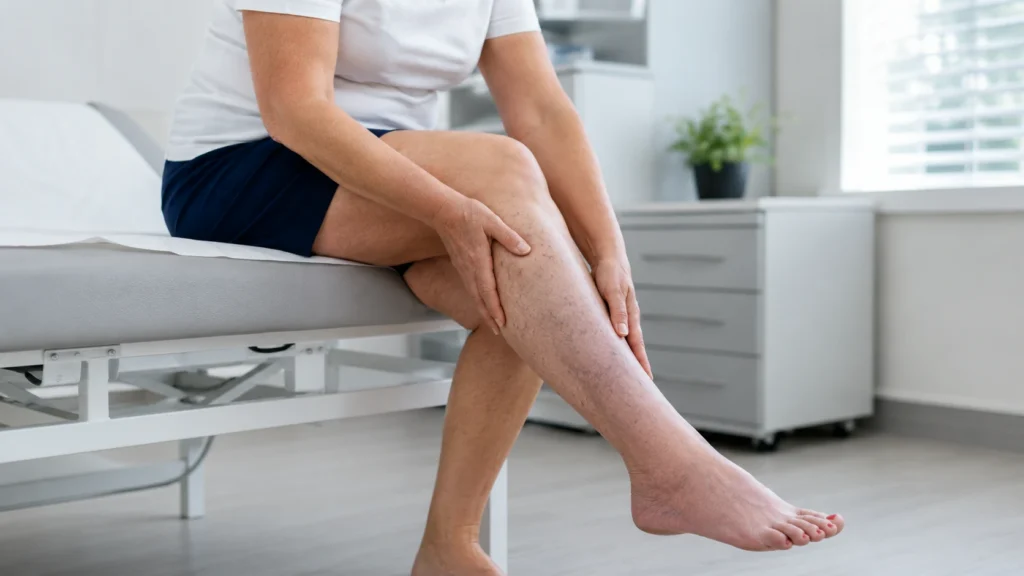

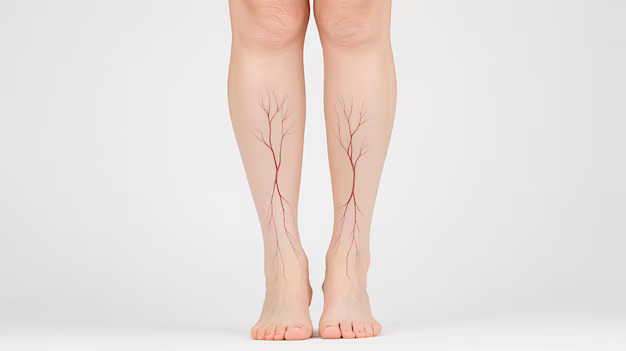
Blood returning from the legs to the heart has a harder job than blood flowing down; it travels uphill, against gravity, through vessels that depend on tiny one-way valves to keep things moving in the right direction. When those valves work well, and circulation is strong, the system runs smoothly. When it slows from inactivity, prolonged sitting, or damaged valves, blood begins to pool in the lower legs, causing the pressure and discomfort that lead to varicose veins, swelling, and chronic leg fatigue.
This is where targeted exercises for vein health make a measurable difference. Your leg muscles, especially the calf muscles, act as a secondary pump for your venous system. Every time the calf contracts, it squeezes the veins and pushes blood upward. This is called the calf muscle pump, and it’s one of the most important mechanisms your body uses to maintain healthy venous return.
Even modest, consistent movement throughout the day activates this pump, reduces venous pressure, and helps manage the symptoms of chronic venous insufficiency, including swelling, heaviness, and cramping. Vascular specialists at MVM Health regularly recommend specific low-impact exercises as part of comprehensive varicose vein treatment plans, because movement isn’t just supportive, it’s therapeutic.
Best Low-Impact Exercises for Vein Health
You don’t need intense workouts to support your venous circulation. In fact, high-impact, high-pressure activities can sometimes work against you if you have existing vein disease. The exercises below are consistently recommended by vascular specialists because they activate the calf muscle pump, support venous return, and are gentle enough for most people regardless of fitness level or age.
Walking: The Single Best Exercise for Leg Veins
If you only do one thing for your vein health, make it walking. It’s the most direct way to activate the calf muscle pump; it requires no equipment, and it fits into almost any schedule. Thirty minutes a day is the standard recommendation, but if that’s not realistic, three 10-minute walks spread through the day produce similar circulatory benefits.
Regular walking reduces pressure in the leg veins, improves blood flow in the lower extremities, and has been shown to reduce the severity of leg heaviness and swelling in patients with chronic venous insufficiency. It’s a first-line recommendation from most varicose vein doctors for a reason: it works consistently, without side effects.
Swimming Full-Body Circulation Without Joint Stress
Swimming is exceptional for vein health in a way that’s easy to overlook. Water pressure provides gentle, uniform compression on the legs similar in effect to medical compression stockings, while the horizontal body position eliminates gravity’s downward pull on venous blood. The result is significantly improved venous return during the activity itself.
The full-body motion of swimming also promotes cardiovascular circulation broadly, making it one of the best low-impact exercises for varicose veins and venous disease. It’s particularly valuable for patients who find walking uncomfortable due to joint issues or advanced leg swelling.
Leg Lifts Strengthen Muscles, Support Venous Return
Leg lifts are simple and effective for home routines, no equipment needed. Lie flat on your back, lift one leg straight up to about 45 degrees, hold for two to three seconds, lower it slowly, and repeat. Ten to fifteen repetitions per leg is a reasonable starting point.
The elevation component, even brief encourages blood to drain from the lower leg back toward the heart. The muscle engagement strengthens the supporting structures around the veins. Done regularly, leg lifts help reduce ankle swelling and are often recommended by varicose vein specialists for patients managing early-stage venous disease at home.

Cycling and Recumbent Biking Sustained Calf Pump Activation
Stationary cycling, particularly on a recumbent bike, provides continuous, rhythmic calf muscle activation without the impact stress of running or jumping. It’s an ideal vein-friendly workout for people who want more sustained cardiovascular exercise without worsening leg symptoms.
Start conservatively: five to ten minutes at a low resistance setting and build from there as your tolerance improves. The steady pedaling motion keeps the calf pump active throughout the session, making it particularly effective for reducing venous pressure in the lower leg. Many patients find it especially useful in the morning, before venous swelling has had a chance to build.
At-Home Vein-Friendly Stretches and Movements
You don’t need a gym or any special equipment to support your venous circulation. The following stretches and movements can be done anywhere at your desk, on the couch, or before bed, and they target the specific areas where venous pooling tends to be worst: the feet, ankles, and lower legs.
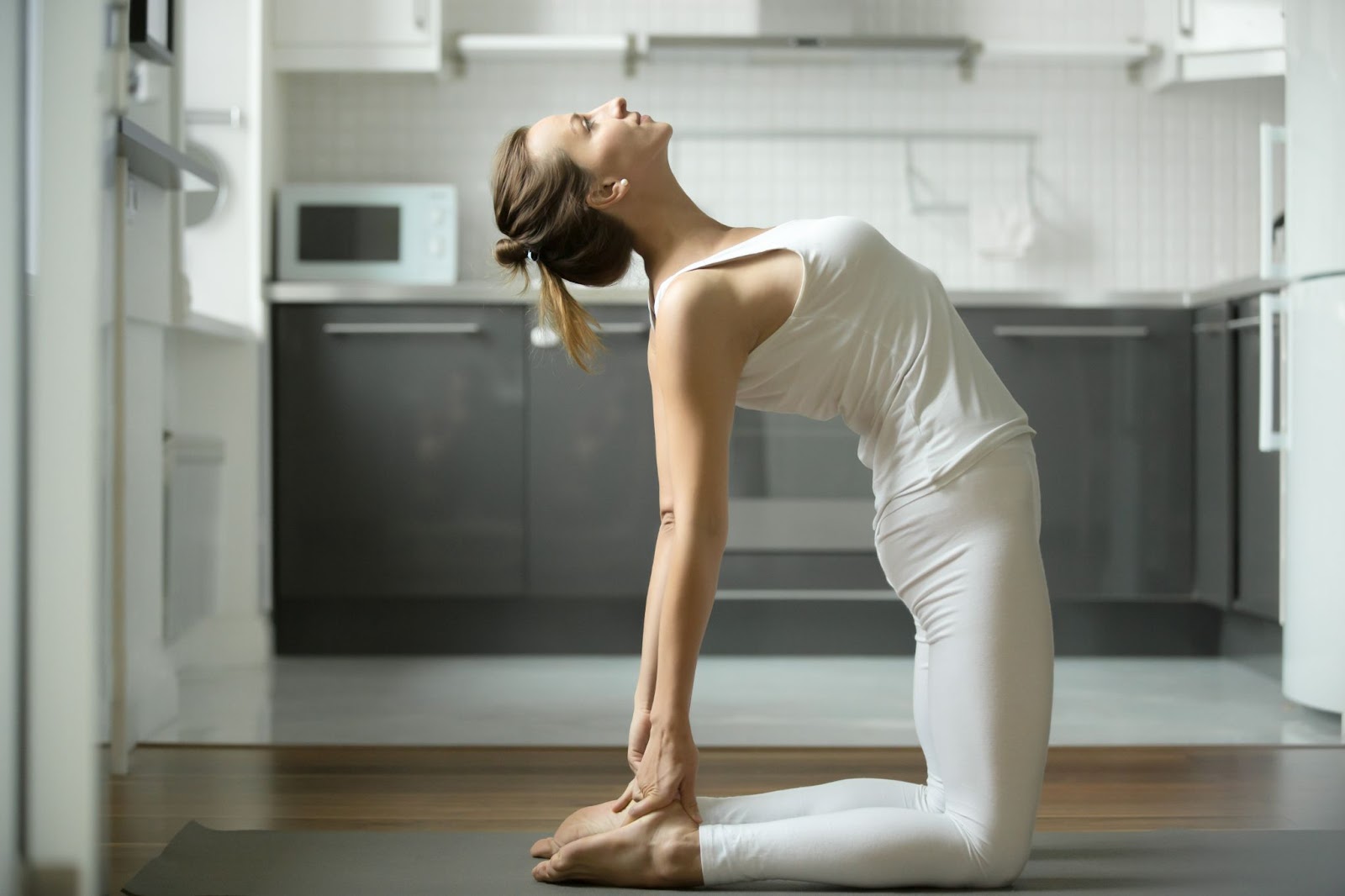
Foot Pumps
Foot pumps are one of the simplest and most underrated leg circulation exercises you can do. While seated, flex your foot upward (pulling toes toward you), hold for a second, then point downward. Alternate between the two positions continuously for 30 seconds to a minute.
This motion directly activates the calf muscle pump even when you’re seated and stationary making it perfect for long stretches at a desk, during a flight, or whenever prolonged sitting is unavoidable. It’s a cornerstone recommendation from vascular specialists for people managing venous insufficiency or at high risk for blood pooling in the feet and ankles.
Ankle Circles
Lift one foot off the floor and rotate the ankle slowly in a circle, ten to fifteen rotations clockwise, then counter-clockwise. Switch feet. This gentle motion works the lower leg muscles from multiple angles, improves circulation through the ankle and calf, and relieves the tension that builds in the lower legs after long periods of inactivity.
Ankle circles are particularly helpful in the evening when leg fatigue and tightness tend to be at their peak. They can also be done in bed before sleep to help reduce the restless leg sensation that many patients with venous insufficiency experience at night.
Toe Flexes
While lying down or reclining with legs extended, flex your toes forward and then back toward your shins twenty repetitions per foot. It sounds minor, but this motion activates the small muscles of the foot and lower leg, encouraging blood to move out of the foot and back up through the venous system.
It’s especially useful as a wind-down exercise at the end of the day, when blood has had hours to accumulate in the lower legs. Many varicose vein doctors recommend toe flexes as part of an evening routine for patients experiencing daily swelling or discomfort.
Wall Leg Rest (Legs Up the Wall)
Lie on your back close to a wall and extend your legs straight up against it, forming a 90-degree angle at the hips. Hold this position for five to ten minutes. You don’t need to do anything actively; the position does the work.
Gravity assists blood drainage from the lower legs back toward the heart, relieving venous pressure rapidly and noticeably. Patients with significant daily swelling often describe immediate relief from this position. It’s one of the best passive vein health exercises at home for anyone managing chronic venous insufficiency, recovering from a varicose vein procedure, or simply dealing with heavy, fatigued legs after a long day.
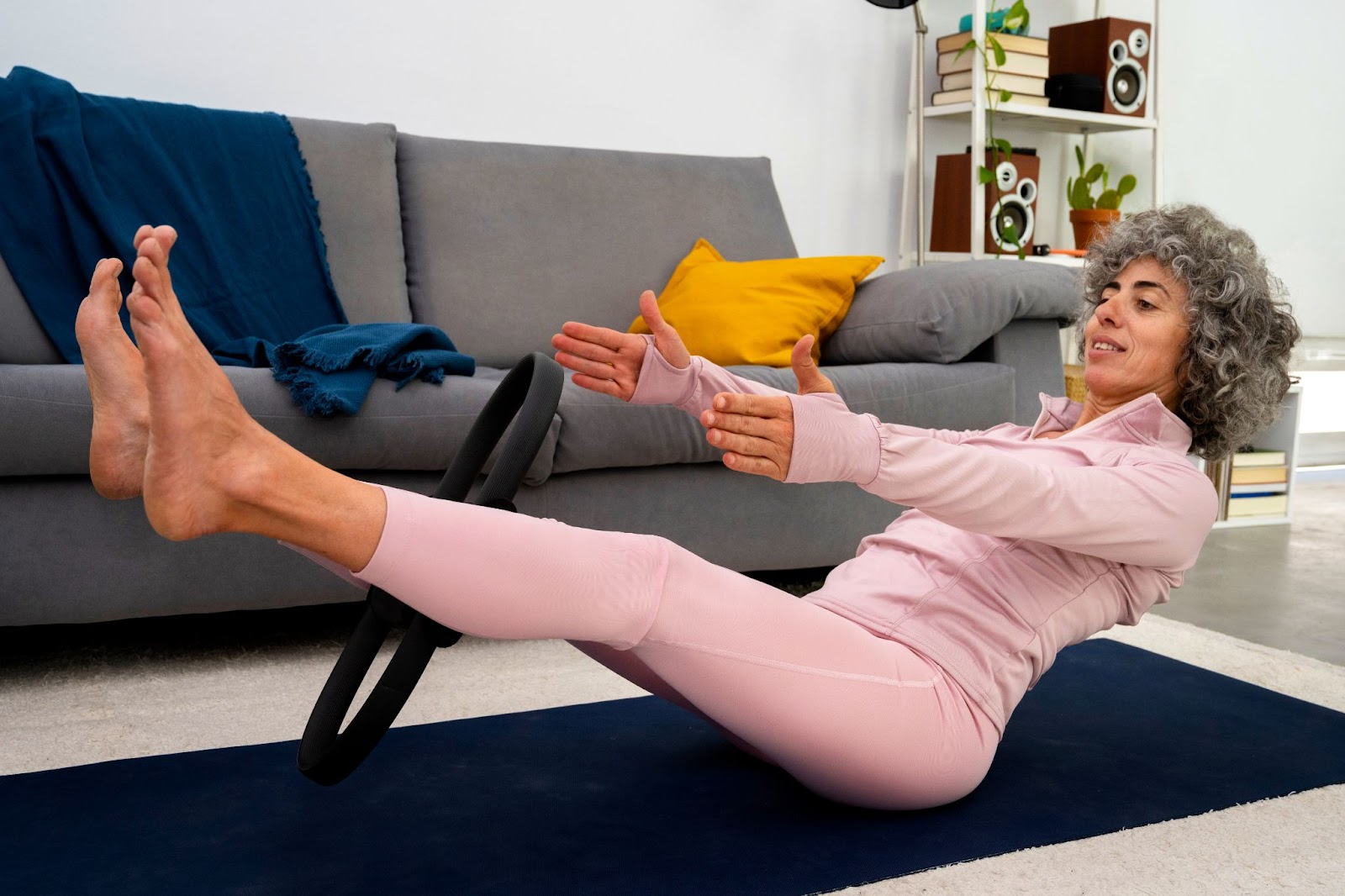
Forward Fold Stretch
Stand with feet hip-width apart and slowly hinge at the hips, letting your upper body hang toward the floor with a soft bend in the knees. Hold for 20 to 30 seconds and come up slowly. This stretch decompresses the lower back, releases tension in the hamstrings, and promotes circulation through the posterior chain, the muscles most involved in venous return from the legs.
It’s a good closer for any at-home vein exercise routine, particularly after prolonged standing or a session on the stationary bike.
Calf Raises: The Most Direct Vein Exercise You Can Do
Calf raises are arguably the single most targeted exercise for improving leg circulation in the context of vein health. Stand with feet flat on the floor (hold a wall or counter for balance if needed), rise onto your toes, hold for one to two seconds, and lower slowly. Ten to fifteen repetitions is a good starting point; work up from there.
Every single repetition directly contracts the calf muscle and fires the venous pump. They can be done while brushing your teeth, waiting for coffee to brew, or standing at a desk. They require no equipment, no space, and no dedicated workout time. Vascular specialists frequently recommend them as a simple daily habit for anyone with a family history of vein problems or a job that involves prolonged standing.
How to Build a Consistent Vein-Healthy Movement Routine
The biggest barrier most people face isn’t the exercises themselves; it’s building them into a routine that actually sticks. Here’s what tends to work:
- Start small and build: Even 10 to 15 minutes of movement daily produces meaningful circulatory benefit. Starting with a manageable amount makes it far easier to maintain than launching into a 45-minute routine that falls apart after two weeks.
- Attach movement to existing habits: Calf raises while brushing teeth. Foot pumps at your desk every hour. Ankle circles during TV time. Tying vein exercises to habits you already have eliminates the willpower requirement.
- Set hourly movement reminders: If your job involves sitting for long periods, a reminder to stand and walk for two to three minutes every hour does more for your venous health than a single 20-minute walk at the end of the day.
- Wear proper footwear: Supportive shoes make walking and standing exercises more comfortable, particularly for patients with existing vein symptoms. This is a small thing that significantly affects consistency.
- Stay well hydrated: Dehydration increases blood viscosity; thicker blood is harder for compromised veins to move. Adequate hydration supports circulation and complements your exercise efforts.
- Use compression stockings during activity: Medical-grade compression stockings worn during exercise reduce venous pressure and can make activity significantly more comfortable for patients with varicose veins or chronic venous insufficiency.
Consistency matters more than intensity when it comes to vein health. Short, frequent movement is more effective than occasional long sessions because the goal is to keep the calf muscle pump active throughout the day, not just during a workout window.
When to Modify Your Exercise Routine and When to Seek Care
The exercises described above are safe for most people. But vein disease varies in severity, and what’s appropriate for someone with mild spider veins may not be right for someone with advanced venous insufficiency or a history of DVT.
Modify your routine or consult a specialist if:
- Any exercise produces pain rather than mild exertion discomfort during movement that doesn’t resolve within a few minutes of stopping warrants evaluation
- ou notice your leg swelling worsening after a particular activity
- A varicose vein becomes suddenly painful, red, or hard to the touch. This can indicate superficial thrombophlebitis and needs prompt assessment
- You experience one-sided leg swelling with warmth and persistent pain. This presentation needs a same-day evaluation to rule out DVT
If you’re unsure which exercises are appropriate for your specific situation, particularly if you’ve been diagnosed with chronic venous insufficiency, have had a previous DVT, or are recovering from a vein procedure, a varicose vein specialist can help you build a safe, effective routine tailored to your current vein health.
When Exercise Alone Isn’t Enough
Exercise is one of the most valuable tools for managing vein health, but it has limits. It supports circulation, reduces symptoms, and slows progression. What it can’t do is repair damaged venous valves, close varicose veins, or reverse established venous insufficiency.
If your symptoms, such as leg heaviness, persistent swelling, visible bulging veins, and skin changes near the ankle, are not improving with regular exercise and compression, or if they’re noticeably interfering with your daily life, that’s the signal to move beyond self-management and see a vascular specialist.
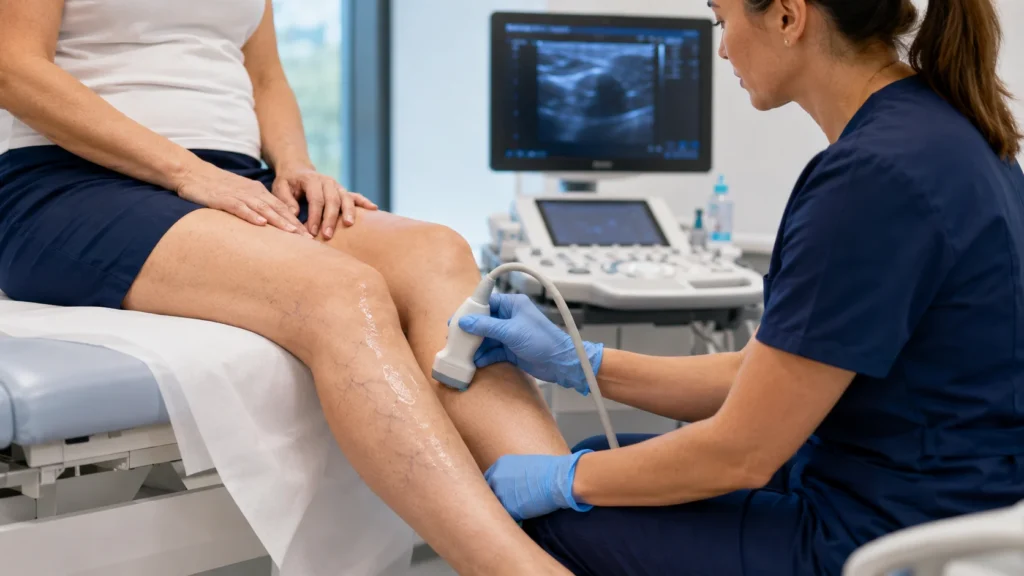
At MVM Health, our board-certified vein specialists evaluate patients across Pennsylvania and New Jersey using advanced duplex ultrasound imaging. This shows exactly what’s happening inside the venous system, which valves are failing, where blood is pooling, and which treatment would actually address the root cause. Modern varicose vein treatments like endovenous laser ablation, radiofrequency ablation, and sclerotherapy are minimally invasive, office-based, and in most cases require very little recovery time.
Exercise and specialist care aren’t in competition; they work best together. Movement supports your vein health every day. Treatment addresses the underlying disease.
Frequently Asked Questions
What are the best exercises for varicose veins?
The most consistently recommended exercises for varicose veins are walking, swimming, calf raises, foot pumps, and ankle circles. These movements directly activate the calf muscle pump the leg’s natural venous return mechanism without creating excess pressure that could worsen existing vein damage. Low-impact, rhythmic activities done regularly are far more beneficial than occasional intense workouts.
Can exercise cure varicose veins?
No. Exercise can significantly reduce symptoms of leg heaviness, swelling, cramping, fatigue, and slow the progression of venous insufficiency. But it cannot repair damaged venous valves or close varicose veins. For that, minimally invasive medical treatments like endovenous laser ablation or sclerotherapy are required. Exercise and treatment work best together, not as substitutes for each other.
How often should I exercise for better vein health?
Daily movement is the goal. Even 15 to 20 minutes of low-impact exercise, walking, cycling, or simple stretches, produces meaningful benefit for venous circulation. Consistency matters more than duration. Short, regular activity throughout the day (including brief hourly movement breaks during prolonged sitting) is more effective for vein health than a single longer session a few times a week.
Are there exercises I should avoid if I have varicose veins?
High-impact activities like running on hard surfaces, heavy weightlifting, and intense squats can increase venous pressure and potentially worsen symptoms in patients with established varicose vein disease. These aren’t universally off-limits; it depends on severity and individual circumstances, but for most patients with symptomatic venous insufficiency, low-impact, calf-pump-focused activities are a better fit. A vascular specialist can advise based on your specific situation.
Does elevating my legs help varicose veins?
Yes, significantly. Elevating the legs above heart level, lying down with legs propped on pillows, or using the wall leg rest position, allows gravity to assist venous return, rapidly reducing the pressure that causes swelling and discomfort. It’s not a treatment for varicose vein disease, but it’s one of the most effective ways to manage daily symptoms. Most vein specialists recommend 10 to 15 minutes of elevation, two to three times per day, for patients with chronic venous insufficiency.
When should I see a vein specialist instead of just exercising?
If your leg symptoms, such as heaviness, swelling, visible varicose veins, skin changes near the ankle, or night cramps, are not improving with regular exercise and compression stockings, or if they’re noticeably affecting your quality of life, it’s time to consult a vascular specialist. The same applies if you notice sudden one-sided swelling with pain (rule out DVT), or if a varicose vein becomes painful, red, or hard. MVM Health offers thorough vein evaluations with same-week availability.
To learn more about their vein care services, visit MVM Health’s website.
Healing and Care Post Vein Ablation
Deadlifts and Spondylolisthesis: Friend or Foe? Vascular Specialists: Your Experts for Vein Issues