Introduction to PRP Injections
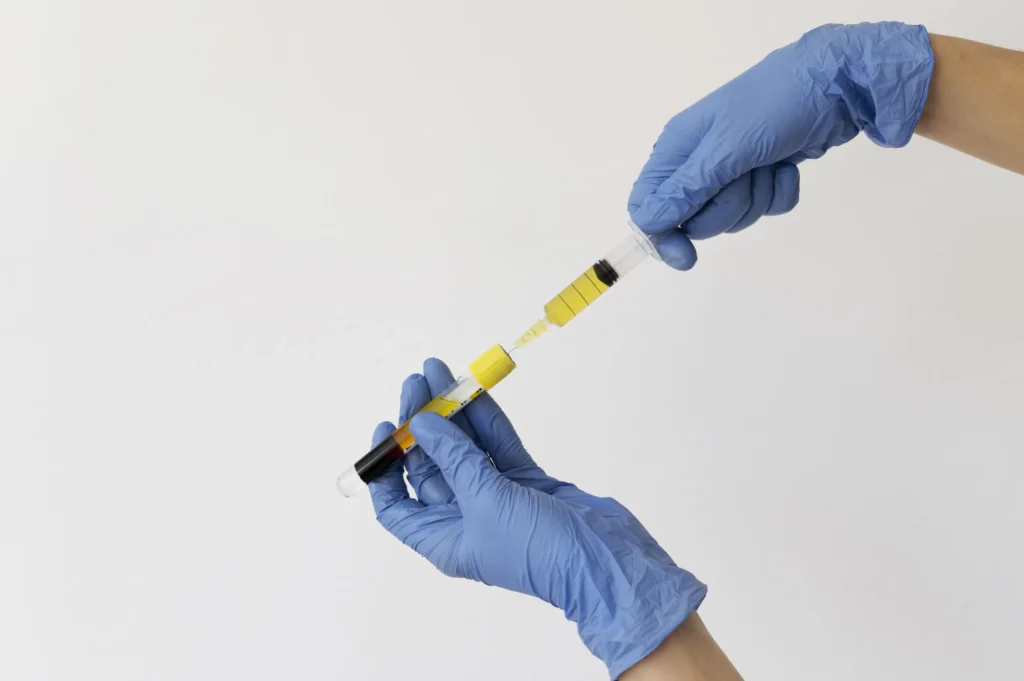
Platelet-Rich Plasma (PRP) injections have become a prominent therapy in the medical field, utilizing the patient’s own blood to stimulate healing. The procedure has gained popularity for its effectiveness in various conditions, raising questions about the recovery process and its nuances.
How PRP Injection Differs from a Steroid Shot
PRP and steroid shots may seem similar, but their mechanisms differ significantly. While steroids focus on reducing inflammation, PRP aims to promote healing by harnessing the body’s natural regenerative capabilities. Understanding these differences is crucial for patients contemplating these treatments.
Understanding the Recovery Time
The recovery time post-PRP injection varies based on several factors, including the patient’s overall health, the specific condition being treated, and adherence to post-treatment guidelines. On average, patients can expect a recovery period, but individual experiences may differ.
Post-PRP Therapy Restrictions
Recovery after a PRP injection necessitates adherence to specific restrictions. Avoiding certain activities is crucial to the success of the treatment. Understanding why these restrictions exist and common mistakes to avoid during recovery is paramount.
Distinguishing Flare-ups in Various PRP Types
Not all PRP injections are created equal. Different types of PRP exist, each with its unique characteristics. Understanding the potential for flare-ups and how to manage them effectively is essential for a successful recovery.
Success Rates of PRP Injections
The success of PRP injections is a topic of interest. Exploring research studies, patient testimonials, and the metrics used to measure success provides a comprehensive view of the effectiveness of this treatment.
Exploring the Effectiveness of PRP Injections
The efficacy of PRP injections varies depending on the specific condition being addressed. Current research indicates the following success rates:
- Mild to Moderate Knee Arthritis:
Approximately 80% of patients report favorable outcomes lasting 1-2 years. However, success rates decrease for shorter durations, typically a few months, particularly in cases of moderate to severe knee arthritis.
- Partial Tendon and Ligament Tears:
Similarly, around 80% of patients experience long-term benefits. It’s worth noting that multiple injections may be necessary in some instances. Complete tears, especially those that are more severe, are less likely to respond positively to PRP treatment.
- Spine Conditions:
Although there is less published data in this area, we observe a success rate of around 80% when appropriate patients are selected. Notably, our experience suggests that utilizing PRP more comprehensively in the spine, addressing various components such as ligaments, muscles, epidural, and facets, yields better results than focusing on specific areas like epidural or facet joints alone. Encouragingly, promising outcomes have been observed in patients with spinal stenosis.
Understanding these varying success rates allows for informed decision-making when considering PRP injections for different medical conditions.
Delving into Perplexity: What Sets PRP Apart?
The intricacies of Platelet-Rich Plasma therapy go beyond surface-level understanding. Exploring the composition of platelets and addressing common misconceptions sheds light on what sets PRP apart from other treatments.
Bursting the Bubble: PRP Myths Debunked
Misinformation surrounds PRP therapy. Distinguishing fact from fiction and understanding common misunderstandings helps prospective patients make informed decisions about their treatment options.
The Human Touch: Doctor-Patient Conversations
Effective communication between doctors and patients is vital. Discussing the importance of open communication, suggesting questions to ask your doctor, and building a trustworthy medical relationship contribute to a positive PRP experience.
The Science Behind PRP: Breaking It Down
Understanding the scientific aspects of PRP, including platelet composition and the cellular regeneration process, enhances appreciation for the therapy’s efficacy. Referencing scientific studies that support PRP further reinforces its credibility.
Navigating the Decision-Making Process
The decision to undergo PRP therapy involves multiple steps. Discussing the consultation and informed consent process, advocating for collaborative decision-making, and preparing for treatment empower patients in their healthcare journey.
Beyond the Clinic: Self-Care Post-PRP
Recovery extends beyond the clinic. Exploring considerations for nutrition, hydration, physical therapy, and emotional well-being post-PRP treatment emphasizes the importance of holistic self-care.
Conclusion
In conclusion, the average recovery time after a PRP injection is a multifaceted aspect influenced by various factors. Patients are encouraged to follow post-treatment guidelines, communicate openly with their healthcare providers, and embrace a holistic approach to self-care for optimal recovery.
FAQs
1. Is PRP therapy painful?
Pain levels can vary, but many patients report minimal discomfort during the procedure.
2. Can I resume normal activities immediately after a PRP injection?
It’s advisable to follow post-treatment restrictions to ensure a successful recovery.
3. How long before I see results from PRP therapy?
Results vary, but improvements are often noticed within weeks to months after treatment.
4. Are there any long-term side effects of PRP injections?
Serious side effects are rare, but consulting with your healthcare provider is essential for personalized information.
5. Can PRP injections be used for cosmetic purposes?
Yes, PRP is commonly used for aesthetic treatments like facial rejuvenation and hair restoration.