
expert spine & pain management center

advanced minimally invasive treatment options for chronic pain sufferers throughout new jersey, Pennsylvania, Arizona and ohio

Patients Cared For
0 +
Overall Satisfaction
0 %
5 Star Google Reviews
0 +

Meet Our Expert Team

Board Certified Expert

At MVM Health — Movement. Vitality. Medicine. — we are committed to providing exceptional pain, vein, and wellness services that empower individuals to reclaim their health and well-being. With our team of Harvard-trained experts, we strive to deliver transformative outcomes that restore comfort, confidence, and quality of life. MVM Health’s mission is to help every patient relieve discomfort, restore motion, and renew life.

Pain Management

Vwaire Orhurhu, MD, MPH
Harvard Medical School

Pain Management

Mariam Salisu, MD, MPH
Harvard Medical School

Pain Management

Peter Isaac, DO
Philadelphia College of Osteopathic Medicine

Pain Management

Ali Amin, MD
Baylor College of Medicine

Pain Management

THOMAS KHOURY, MD
Harvard Medical School

Pain Management

ANTHONY TURNER, MD
Yale School of Medicine

Pain Management

KIRAN C. TAMIRISA
Baylor College of Medicine

Pain Management

TARIQ ALFARRA, DO
JOHNS HOPKINS HOSPITAL
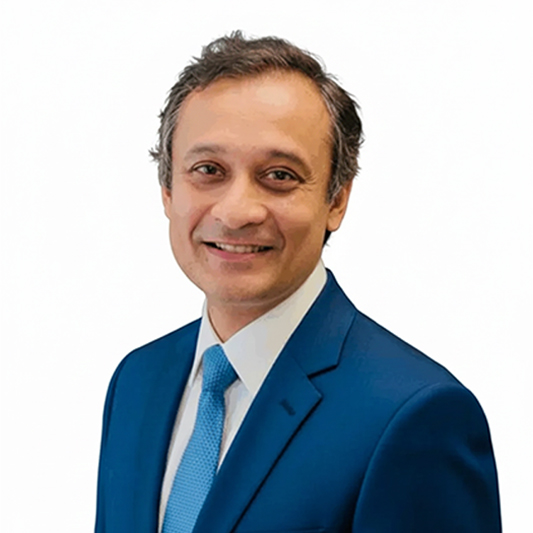
Pain Management

Rishi Sheth, MD
University of Miami School of Medicine

Pain Management

Henry Onyeaka, MD, MPH
Harvard Medical School

Pain Management

Felicia Todd, CNP
Moravian College

Pain Management

Carrie Ward, CNP
Franklin University

Pain Management

Kruti Solanki, CNP
Drexel University

Pain Management

Christy Daniels, CNP
Chamberlain University

Pain Management

Heerina Kittel, CNP
Maryville University

Pain Management

Vic Urbano, CNP
Walden University

Pain Management

Jameela Azeem, CNP
Hofstra University

Pain Management

Vwaire Orhurhu, MD, MPH
Harvard Medical School

Pain Management

Mariam Salisu, MD, MPH
Harvard Medical School

Pain Management

Peter Isaac, DO
Philadelphia College of Osteopathic Medicine

Pain Management

Ali Amin, MD
Baylor College of Medicine

Pain Management

THOMAS KHOURY, MD
Harvard Medical School

Pain Management

ANTHONY TURNER, MD
Yale School of Medicine

Pain Management

KIRAN C. TAMIRISA
Baylor College of Medicine

Pain Management

Rishi Seth, MD
University of Miami School of Medicine

Pain Management

Henry Onyeaka, MD, MPH
Harvard Medical School

Pain Management

Felicia Todd, CNP
Moravian College

Pain Management

Vic Urbano, CNP
Walden University

Pain Management

Jameela Azeem, CNP
Hofstra University

WHAT IS PAIN TREATMENT?

Pain treatment is medical care that finds the cause of your pain and reduces it so you can move, work and sleep more comfortably. It treats pain in the spine, joints, muscles and nerves, whether it started recently or has lasted for months.

Care starts with an exam to find where the pain comes from. Your plan may include physical therapy, medication, targeted injections or minimally invasive procedures. At MVM Health, pain specialists build a personalized plan based on your symptoms and medical history.

This keeps the most search-friendly part, a direct answer in the first two sentences (about 45 words), and cuts the original from about 190 words to about 85.

Patient testimonials

Pain Management

"This is the best medical experience I've ever had"

- Karen, 38

Fibromyalgia Pain Management

Pain Management

“I finally found relief and got back to enjoying life without constant pain.”

- Nancy, 52

Pain Management

Pain Management

Signs That Your Spine Pain Continues After Surgery

Pain can affect different parts of the body and may develop gradually or suddenly. Symptoms vary depending on the underlying condition, affected area, and severity. Recognizing these signs can help you understand when medical evaluation may be needed.

  • Headaches
  • Weakness
  • Muscle Spasms
  • Joint Pain

HOW DO PAIN TREATMENTS HELP?

Pain treatments aim to address the underlying causes of discomfort, reduce symptoms, and support better physical function. The benefits depend on the type of pain, its severity, and the patient’s overall health.

REDUCE PAIN AND DISCOMFORT

Appropriate treatments may help manage persistent pain, inflammation, and discomfort that interfere with everyday activities.

IMPROVE MOBILITY AND FLEXIBILITY

Managing pain and stiffness may help patients move more comfortably and perform routine activities with greater ease.

SUPPORT DAILY ACTIVITIES

Pain treatments can help reduce limitations that affect walking, sitting, working, sleeping, and other daily tasks.

IMPROVE LONG-TERM PAIN MANAGEMENT

A personalized care plan can help patients manage recurring symptoms, monitor progress, and make adjustments when needed.

EXPLORE DIFFERENT TYPES OF PAIN TREATMENTS

Pain management treatment options range from physical therapy and medication to image-guided injections and minimally invasive procedures. Your MVM Health specialist recommends the right option based on the cause of your pain, how long you have had it, and how it affects your daily life.

Pain Management

Conservative care

Physical therapy, guided exercise, activity changes and medication guidance are often the first steps, especially for strains and early disc problems.

Pain Management

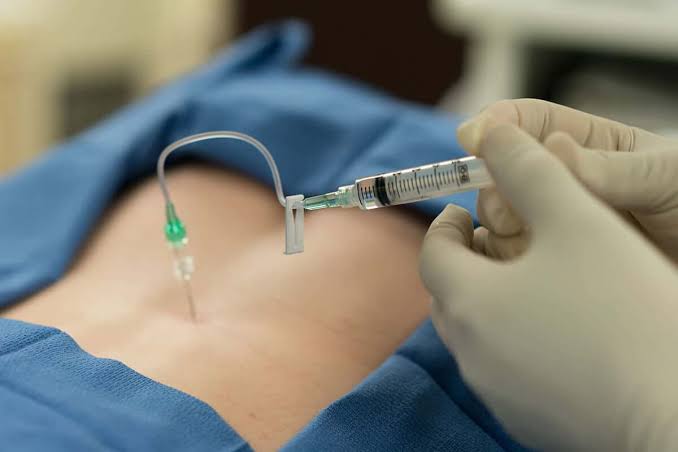
Anti-inflammatory medicine is placed near irritated spinal nerves to ease pain that radiates into an arm or leg, such as from a herniated disc or stenosis.

Pain Management

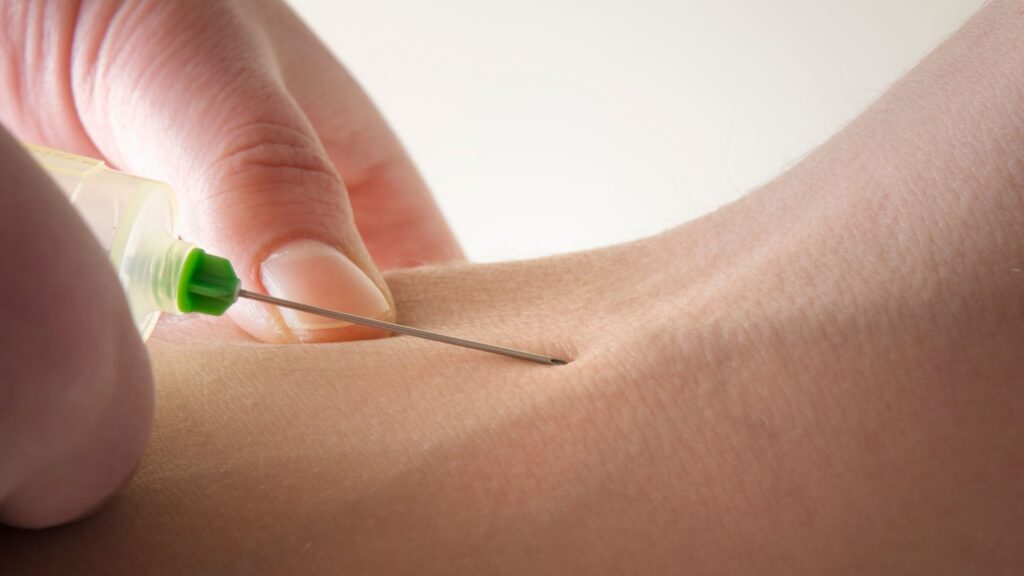
Medicine is placed in or near the small joints of the spine to ease arthritis pain. A positive response also helps confirm where the pain starts.

Pain Management

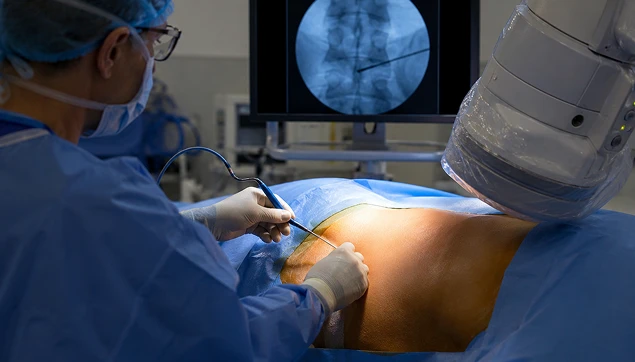
Controlled heat quiets the small nerves that carry pain signals from arthritic spine joints. It’s often considered after a successful nerve block.

Pain Management

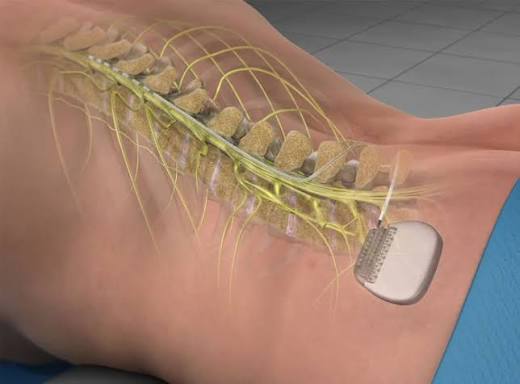
A small device sends mild electrical pulses that change how pain signals reach the brain. It’s used for long-term pain that hasn’t responded to other care, and it starts with a short trial.

Pain Management

Platelets from your own blood may support healing in some joint and soft-tissue conditions. Your provider will tell you whether it’s a reasonable option for you.

Schedule Your Consultation

Our Diagnostic Approach to Post-Surgical Pain

At MVM Health, our primary focus is to uncover the true source of your persistent pain. When discomfort continues after a previous spine surgery, our specialists begin with a detailed review of your medical history and a thorough discussion of your current symptoms. This is followed by a comprehensive physical and neurological examination to assess your mobility, nerve function, and areas of tenderness or muscle spasm. To gain deeper insight, we may recommend advanced imaging—such as an MRI or CT scan—to evaluate for structural changes, scar tissue, or other unresolved issues. Our goal is to provide you with a clear and precise diagnosis to create your personalized path toward lasting relief.

Risk Factors

Certain factors may increase your risk of developing ongoing pain:

Symptoms of Back Pain

Consider a pain evaluation if you experience:

WHEN SHOULD YOU CONSIDER PAIN TREATMENT?

Consider exploring pain treatment options if you experience:

  • Pain that continues for several weeks despite home care
  • Recurring discomfort that affects your daily routine
  • Limited mobility due to ongoing joint or muscle pain
  • Back or neck pain that interferes with work or sleep
  • Nerve-related pain causing frequent tingling or burning
  • Symptoms that return despite medications or physical therapy

At MVM Health, our pain specialists evaluate your symptoms and medical history to recommend appropriate treatment options based on your condition and individual needs.

Book a pain evaluation

Why Choose MVM Health?

Choosing MVM Health means choosing a team dedicated to understanding the true source of your pain, not just treating the symptoms. Our specialists utilize a comprehensive diagnostic process, combining years of experience with advanced imaging to ensure an accurate diagnosis. This allows us to move beyond one-size-fits-all solutions and craft a truly personalized treatment plan tailored to your specific condition, ensuring you receive the most effective and appropriate care.

Your well-being is at the heart of everything we do. We are committed to helping you find lasting relief and reclaim your quality of life using the most advanced, minimally invasive treatments available, including interventional pain management and regenerative therapies. Our philosophy is to help you achieve the best possible outcome while avoiding major surgery whenever possible, empowering you to return to an active, healthier life with confidence.

Request An Appointment

Call us at +1 888-628-4785 to schedule an evaluation and ask any questions.

Frequently Asked Questions

What types of pain treatments are available?

Pain treatments may include physical therapy, medications, epidural steroid injections, nerve blocks, radiofrequency ablation, spinal cord stimulation, and other minimally invasive procedures. The recommended approach depends on your condition and symptoms.

How do I know which pain treatment is right for me?

A pain specialist reviews your symptoms, medical history, physical examination findings, and any necessary diagnostic tests. This evaluation helps determine which treatment options may be appropriate for your specific condition.

Are non-surgical pain treatments effective?

Non-surgical treatments can help many patients manage discomfort and improve mobility. Their effectiveness depends on the underlying condition, symptom severity, and individual response to treatment.

What are minimally invasive pain treatments?

Minimally invasive pain treatments use targeted techniques to address specific sources of discomfort with limited tissue disruption. Examples include certain spinal injections, radiofrequency ablation, and other specialized procedures.

How long does pain relief last after treatment?

The duration of relief varies depending on the procedure, underlying condition, and individual response. Some treatments provide temporary relief, while others may offer longer-lasting improvements.

Are pain management injections painful?

Most injections involve some temporary discomfort. Specialists may use local anesthetics or other comfort measures during the procedure. Your provider can explain what to expect before treatment.

What is the difference between radiofrequency ablation and spinal cord stimulation?

Radiofrequency ablation uses controlled heat to interrupt pain signals from selected nerves. Spinal cord stimulation uses an implanted device to modify pain signals through mild electrical impulses.

How long does recovery take after a pain treatment?

Recovery depends on the procedure. Some patients return to routine activities relatively quickly after injections, while implanted devices or surgical procedures may require longer recovery periods.

Can pain treatments help if physical therapy or medication has not worked?

Yes. Depending on your diagnosis, targeted injections, nerve procedures, or other advanced treatments may be considered when conservative approaches have not provided sufficient relief.

How can I schedule a pain treatment consultation at MVM Health?

You can request a pain evaluation at MVM Health to discuss your symptoms, previous treatments, and available options. A specialist can help develop a personalized treatment plan based on your needs.

Recent blogs

Contact Us
Book Appointment Call 888-628-4785