 Skip to content
Spider veins, those thin, web-like red or purple lines that appear on your legs or face, are more common than you think. Millions of Americans deal with them, and while they’re usually harmless, they can affect your confidence and sometimes signal an underlying vascular issue, such as chronic venous insufficiency or other circulatory problems that may require medical attention.
The good news? Modern vein treatments are quick, minimally invasive, and highly effective. In this guide, we’ll answer the most common questions about spider veins and walk you through your best options for clearer, healthier skin.
Can Spider Veins Go Away on Their Own?
Vein specialists often hear this question, and the honest answer is rarely their own.
Spider veins are caused by weakened or damaged valves inside tiny blood vessels. Once those valves fail, blood pools and the vessel becomes permanently visible beneath the skin.
In some cases, such as spider veins that develop during pregnancy, they may fade somewhat after delivery as hormone levels normalize and circulation improves. However, most spider veins are persistent and tend to multiply over time if left untreated.
Conservative measures like compression stockings, regular exercise, and elevating your legs can help slow the progression and reduce discomfort, but they won’t make existing spider veins vanish. For visible, stubborn spider veins, medical treatment is the most reliable solution.

Why Am I Suddenly Getting many Spider Veins?
If you’ve recently noticed a sudden increase in spider veins, you’re not alone, and there’s usually a clear reason behind it. Spider veins don’t appear randomly. They develop when pressure in the veins increases or when vein walls weaken, causing small vessels to dilate and become visible.
Here are the most common triggers:
- Genetics: Family history is the #1 risk factor. If a parent has spider veins, your likelihood is significantly higher.
- Pregnancy: Increased blood volume and hormonal changes place extra pressure on veins during pregnancy.
- Prolonged Sitting or Standing: Jobs that keep you stationary for hours restrict healthy blood flow and raise venous pressure.
- Weight Gain: Extra body weight puts added strain on leg veins, accelerating valve damage.
- Sun Exposure: UV rays break down collagen in skin and vessel walls, especially on the face and nose.
- Aging: Vein walls and valves naturally weaken with age, making spider veins more likely after 40.
Hormonal changes from birth control or hormone replacement therapy can also trigger sudden spider vein development. If they appear rapidly or are accompanied by pain, heaviness, or swelling, it’s a beneficial idea to consult a vein specialist to rule out deeper venous insufficiency.
Do Spider Veins Mean Poor Circulation?
Spider veins don’t always indicate poor overall circulation, but they can be a sign of localized venous insufficiency, meaning the one-way valves inside certain veins aren’t working efficiently, allowing blood to flow backward and pool.
There’s an important distinction to make here:
Spider Veins (Telangiectasias): Tiny, superficial vessels just beneath the skin. Usually cosmetic in nature, spider veins can occasionally cause mild aching, burning, or itching.
Varicose Veins: Larger, rope-like bulging veins that indicate more significant venous reflux. Varicose veins are more likely to be associated with circulation problems and require medical attention.
If your spider veins appear alongside symptoms like leg swelling, cramping, heaviness, or skin discoloration, these could be signs of deeper chronic venous insufficiency (CVI), which does affect circulation and should be evaluated by a board-certified vein specialist.
Can You Remove Spider Veins Yourself?
We understand the appeal of DIY solutions, but when it comes to spider veins, at-home removal is not safe or effective.
There are no creams, supplements, or home devices that have been clinically proven to eliminate spider veins permanently.
What you can do at home to manage symptoms and slow progression:
- Wear graduated compression stockings; these improve circulation and reduce venous pressure.
- Exercise regularly; walking and leg movements activate the calf muscle pump, pushing blood upward.
- Elevate your leg rest by raising your legs above heart level for 15–30 minutes daily.
- Avoid prolonged sitting or standing; take movement breaks every 30–60 minutes.
- Protect your skin from the sun by applying broad-spectrum SPF on the face daily.
Clinically proven professional treatments available at MVM Health:
Sclerotherapy: The gold-standard treatment. A sclerosant solution is injected directly into the spider vein, causing it to collapse and fade over several weeks. Minimal discomfort, no downtime.
Laser Vein Treatment: Focused laser energy heats and destroys the vein without needles. This treatment is particularly effective for very small veins on the face or those too small for injection.
Intense Pulsed Light (IPL): Broad-spectrum light targets the pigment in the vessel. It is particularly effective in treating facial spider veins and redness.
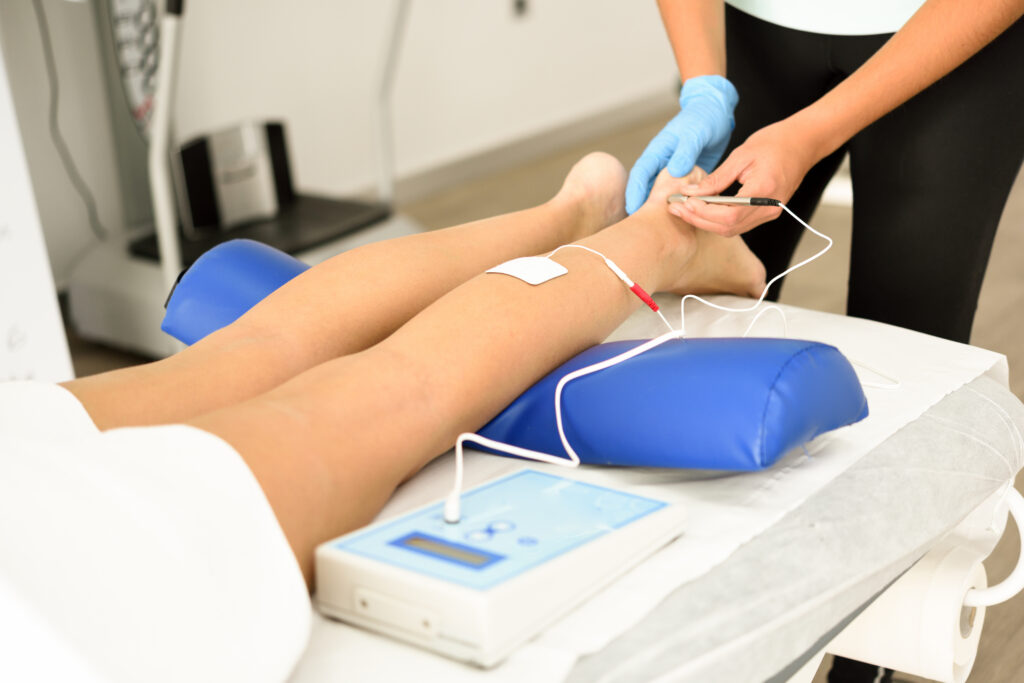
VeinGogh / Ohmic Thermolysis: A fine probe delivers targeted ohmic energy to close tiny superficial vessels. This method is particularly effective in treating resistant facial veins while causing minimal disruption to the skin.
Find a Vein Specialist Near You
MVM Health has board-certified vein specialists at multiple convenient locations across Pennsylvania. Same-week appointments are available.
King of Prussia Vein Specialist
Struggling With Vein Pain or Discomfort?
Our specialists can evaluate your symptoms and recommend the most effective treatment plan tailored specifically to your needs.