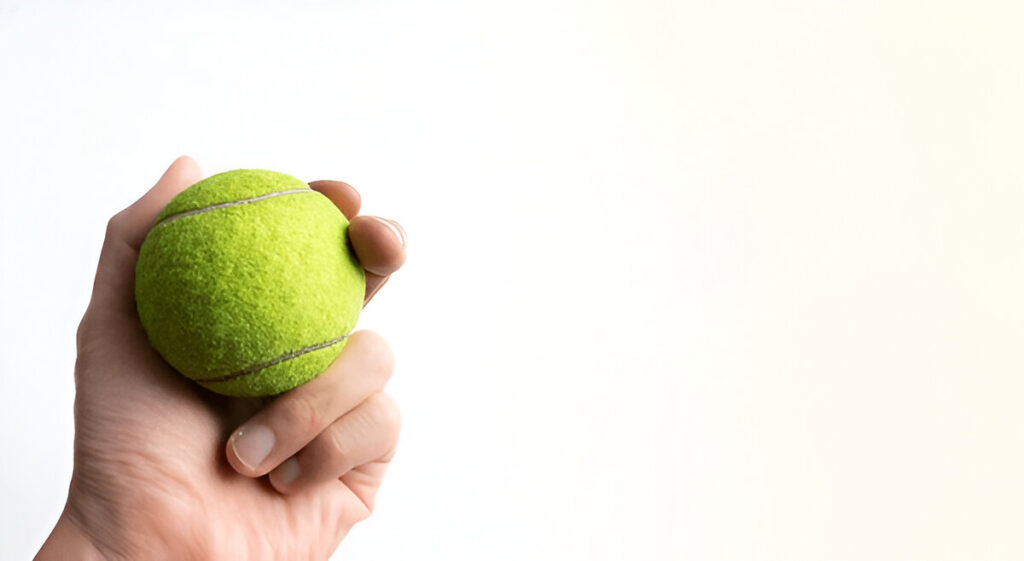
Tennis balls are not just for the court; they can be a simple yet effective tool for alleviating pain and tension in various parts of the body. This guide explores how to use a tennis ball for pain relief, detailing its benefits, techniques, and safety tips.
Benefits of Using a Tennis Ball for Pain Relief
- Targeted Pressure: A tennis ball provides localized pressure that can help release muscle knots and trigger points.
- Improved Blood Circulation: Massaging with a tennis ball can boost blood flow to the affected area, promoting healing.
- Convenience and Cost-effectiveness: Tennis balls are inexpensive, portable, and easy to use at home or on the go.
- Versatility: They can be used on various parts of the body, including the back, neck, shoulders, hips, and feet.
Techniques for Pain Relief Using a Tennis Ball
- For Back Pain:
- Lie on your back on a flat surface.
- Place the tennis ball under the area where you feel tension.
- Slowly move your body to roll the ball around the sore spots, applying gentle pressure.
- Focus on the lower or upper back, avoiding direct pressure on the spine.
- For Neck and Shoulder Tension:
- Stand against a wall or lie down on a flat surface.
- Position the tennis ball between your neck/shoulder and the wall/floor.
- Gently press into the ball and make small circular movements to massage the muscles.
- For Hip Pain:
- Sit on the floor and place the tennis ball under the affected hip.
- Shift your weight onto the ball and roll it around to target sore spots.
- Maintain steady breathing and adjust pressure as needed.
- For Foot Pain (Plantar Fasciitis):
- Sit on a chair and place the tennis ball under your foot.
- Roll the ball back and forth from the heel to the toes.
- Adjust the pressure to suit your comfort level and focus on tender areas.
Safety Tips
- Start Slowly: Begin with light pressure and gradually increase as your muscles adapt.
- Avoid Sensitive Areas: Do not apply direct pressure on joints, bones, or sensitive areas.
- Use in Moderation: Limit each session to 5-10 minutes per area to prevent overuse.
- Listen to Your Body: Stop immediately if you feel sharp pain or discomfort.
- Consult a Professional: If you have chronic pain or an underlying condition, consult a healthcare provider before starting self-massage techniques.
When to Seek Professional Help
While a tennis ball can provide temporary relief for minor aches, it may not address the root cause of chronic pain. Seek professional advice if:
- Pain persists or worsens after self-massage.
- You experience numbness, swelling, or unusual symptoms.
- You have a pre-existing medical condition affecting the area.
Conclusion
Using a tennis ball for pain relief is an accessible and versatile method to ease muscle tension and discomfort. By following proper techniques and listening to your body, you can incorporate this simple tool into your self-care routine. Always prioritize safety and consult a professional for persistent or severe pain.
To learn more about their vein care services, visit MVM Health’s website.
How To Recover: A Post-Workout Relief Guide