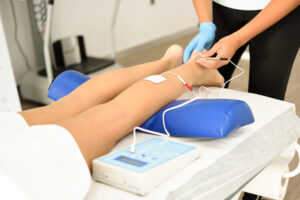
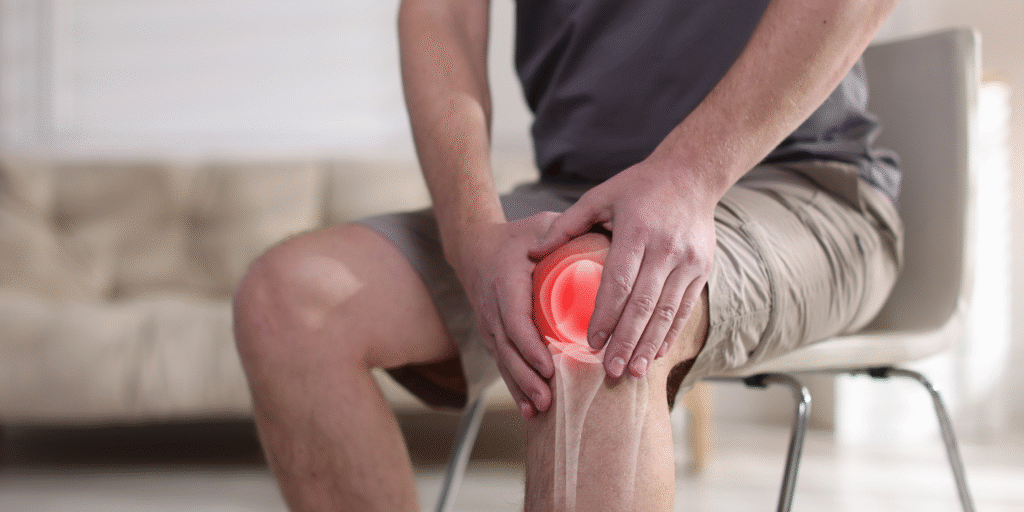
Living with ongoing muscle or joint pain can quietly drain your energy, mobility, and quality of life. Everyday activities-walking, sitting, working, even sleeping-can start to feel like a challenge. Fortunately, medical advances now offer minimally invasive treatments that target pain effectively without the risks and long recovery times of traditional surgery.
If you’re exploring modern Spine Pain Treatment options or looking for care at a trusted pain management provider, this guide will help you understand how these treatments work, who they’re best for, and what results you can expect.
What Are Minimally Invasive Pain Treatments?
Minimally invasive treatments are procedures designed to diagnose and relieve pain using small needles, tiny incisions, or image-guided techniques. Unlike open surgery, these approaches:
- Preserve healthy tissue
- Reduce complications
- Shorten recovery time
- Allow most patients to return home the same day
According to clinical studies, minimally invasive pain procedures can reduce chronic pain by 50-80% in properly selected patients, especially when combined with physical therapy and lifestyle changes.
Common Muscle and Joint Conditions Treated
These treatments are commonly used for conditions involving the spine, joints, and surrounding soft tissues, including:
- Chronic neck and lower back pain
- Herniated or bulging discs
- Sciatica and nerve compression
- Arthritis-related joint pain
- Shoulder, hip, and knee pain
- Muscle spasms and inflammation
A skilled pain provider evaluates your condition carefully to decide whether conservative care or targeted intervention will offer the best outcome.
Minimally Invasive Spine Pain Treatment Options
1. Epidural Steroid Injections
Epidural injections deliver anti-inflammatory medication directly around irritated spinal nerves. They are often used for disc-related pain, spinal stenosis, and radiating leg or arm pain.
Benefits include:
- Rapid pain relief
- Reduced nerve inflammation
- Improved ability to participate in rehab exercises
Many patients experience relief within a few days, lasting several weeks or longer.
2. Facet Joint Injections and Medial Branch Blocks
When inflamed, they can cause persistent back or neck pain.
These injections help:
- Identify the exact source of pain
- Provide both diagnostic and therapeutic relief
Improve flexibility and daily function
If relief is temporary, further treatments like radiofrequency ablation may be considered.
3. Radiofrequency Ablation (RFA)
RFA employs the use of heat produced by radio waves to interrupt pain signals from specific nerves. It is commonly recommended for patients with long-standing spine or joint pain that hasn’t responded to injections.
Why patients choose RFA:
- Long-lasting relief (6–12 months or more)
- No surgical incision
- Minimal downtime
This approach is often part of comprehensive Spine Pain Treatment plans.
Minimally Invasive Treatments for Joint Pain
4. Joint Injections (Knee, Hip, Shoulder)
Joint injections may include corticosteroids or regenerative solutions to reduce inflammation and improve mobility.
They are frequently used for:
- Osteoarthritis
- Sports-related injuries
- Age-related joint degeneration
Patients often notice improved movement and reduced stiffness within days.
5. Trigger Point Injections
Trigger points are tight muscle knots that cause localized or referred pain. These injections help relax muscles and restore normal movement patterns.
They work best when paired with:
- Stretching routines
- Posture correction
- Stress management
Why Choose a Specialized Pain Clinic?
Not all pain is the same, and effective care requires precision. Working with a dedicated Pain Management Clinic ensures access to advanced diagnostics, image-guided procedures, and personalized treatment planning.
A qualified Pain Specialist in King of Prussia typically focuses on:
- Identifying the true source of pain
- Avoiding unnecessary surgery
- Creating long-term pain control strategies
This patient-first approach improves outcomes while minimizing risks.
Actionable Tips to Improve Results
To get the most from minimally invasive treatments, consider these practical steps:
- Follow post-procedure instructions carefully
- Combine injections with physical therapy
- Maintain a healthy weight to reduce joint stress
- Practice ergonomic sitting and lifting habits
- Stay consistent with follow-up appointments
Pain relief is often strongest when medical treatment and lifestyle changes work together.
Frequently Asked Questions (FAQs)
1. How long do minimally invasive pain treatments last?
Relief duration varies by procedure and condition. Some injections last weeks, while treatments like radiofrequency ablation can provide relief for up to a year or longer.
2. Are these procedures safe?
Yes, when performed by trained specialists using imaging guidance. The risks involved are minimal and much lower compared to traditional surgery.
3.Will I need multiple treatments?
Some patients experience long-term relief after one procedure, while others may benefit from periodic treatments as part of ongoing care.
4. Can these treatments replace surgery?
In many cases, yes. Minimally invasive Spine Pain Treatment can delay or completely eliminate the need for surgery.
5. Is recovery time really short?
Most patients resume normal activities within 24–48 hours, depending on the procedure and individual response.
Final Thoughts: Take Control of Your Pain Today
Muscle and joint pain doesn’t have to define your life. With today’s minimally invasive techniques, effective relief is possible-without major surgery or prolonged downtime. The key is choosing the right treatment at the right time, guided by experienced professionals.
Don’t wait if pain is limiting your movement, sleep, or daily comfort. Schedule a consultation with a trusted pain management team today and take the first step toward lasting relief, improved mobility, and a better quality of life.
If you are in search of professional pain management in the King of Prussia area, then your search ends with MVM Health – Pain, Vein & Wellness Clinic.
Location: King of Prussia, PA
565 E Swedesford Rd, #315
Wayne PA 19807
Contact: Schedule your consultation today at: appointment@mvmhealth.com