Skip to content
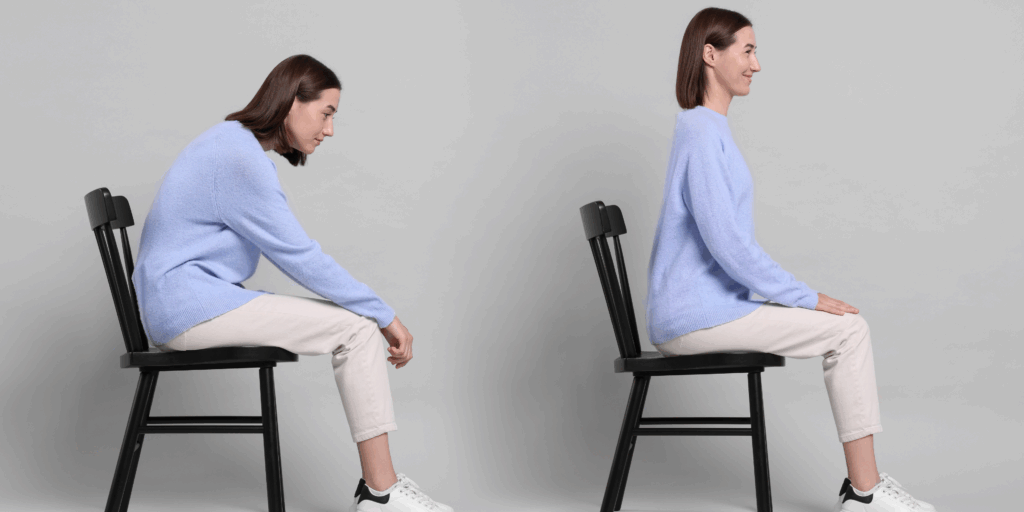
Pain doesn’t always start with an injury. In many cases, it builds slowly through everyday habits-how we sit, stand, work, and even sleep. Poor posture and improper ergonomics are two of the most common yet overlooked causes of chronic discomfort. From nagging neck stiffness to persistent lower back pain, these small daily stressors can quietly lead to long-term problems.
If you’re searching for long-lasting relief, a Pain Specialist in Bethlehem can help you identify the root causes of your discomfort and guide you toward healthier movement patterns. Patients visiting the trusted Pain Treatment Center are increasingly understanding the value of prevention along with treatment. In this blog, we’ll explore how better posture and ergonomic habits can reduce pain, improve mobility, and protect your body for the future.
Why Posture and Ergonomics Matter
Posture refers to how your body is positioned while sitting, standing, or moving. Ergonomics, on the other hand, focuses on designing your environment-chairs, desks, screens, and tools-to support your body’s natural alignment.
When posture and ergonomics are poor, your muscles, joints, and spine are forced to work harder. Over time, this leads to:
- Muscle fatigue and stiffness
- Spinal misalignment
- Joint inflammation
- Headaches and nerve compression
- Reduced mobility
According to the World Health Organization, musculoskeletal disorders are among the leading causes of disability worldwide. Many of these conditions are linked to prolonged sitting, poor workstation setups, and repetitive movements-issues that can often be prevented.
Instead of being treated for symptoms, the pain specialist looks at everyday activities that cause pain and establishes a personalized pain prevention program.
Common Pain Problems Linked to Poor Posture
Poor posture doesn’t just affect how you look—it affects how your body functions. Here are some of the most common issues linked to improper alignment:
1. Neck and Shoulder Pain
Hunching over phones or laptops strains the neck muscles and compresses cervical vertebrae. This condition, often called “tech neck,” is becoming increasingly common.
2. Lower Back Pain
Slouching or sitting for long periods weakens core muscles and places extra pressure on the lumbar spine.
3. Headaches
Tension in the neck and shoulders can restrict blood flow and trigger frequent headaches.
4. Joint Pain
Poor alignment changes how weight is distributed across joints, increasing wear and tear.
If these issues sound familiar, visiting a Pain Treatment Center can help identify posture-related imbalances before they turn into chronic conditions.
How Ergonomics Supports Pain Prevention
Ergonomics is all about fitting your environment to your body—not forcing your body to adapt to an unhealthy setup. This is especially important for people who work long hours at desks.
Simple Ergonomic Adjustments That Make a Big Difference
- Chair height: Your feet should rest flat on the floor with knees at hip level.
- Screen position: The top of your monitor should be at eye level.
- Keyboard placement: Keep it at elbow height to reduce wrist strain.
- Back support: Use a chair with lumbar support or a small cushion.
- Breaks: Stand, stretch, and move every 30–60 minutes.
Studies have found that ergonomic solutions can help ease pains at work by as much as 40%. A pain management specialist can help adjust the work station setup based on body types and working patterns.
Everyday Habits That Improve Posture
You don’t need special equipment to improve posture. Small, consistent changes can lead to big results.
Practice Mindful Sitting
- Sit with your back straight and shoulders relaxed.
- Avoid crossing your legs for long periods.
- Keep your hips slightly higher than your knees.
Improve Standing Alignment
- Distribute weight evenly on both feet.
- Keep your shoulders back and chin parallel to the floor.
- Engage your core muscles gently.
Sleep Smarter
- Use a pillow that keeps your neck neutral.
- Avoid sleeping on your stomach.
- Consider a mattress that supports spinal alignment.
Over time, these habits reduce stress on the spine and prevent unnecessary strain. Consistency will allow many patients to notice the difference in their comfort levels.
Strengthening Exercises for Better Posture
Posture isn’t just about awareness—it’s also about strength. Weak muscles make it harder to maintain proper alignment.
Key Muscle Groups to Focus On
- Core muscles: Support the spine and pelvis.
- Upper back muscles: Prevent shoulder rounding.
- Glutes: Help stabilize the hips.
- Neck flexors: Support the cervical spine.
Simple Daily Exercises
- Planks
- Wall angels
- Shoulder blade squeezes
- Chin tucks
- Cat-cow stretches
A professional will help identify the exercises that will work best for you, allowing you to target the correct muscle while doing no harm to your own body.
When to Seek Professional Help
While lifestyle changes can help, persistent pain should never be ignored. You should consider visiting a Pain Treatment Center if you experience:
- Pain lasting longer than two weeks
- Tingling or numbness in limbs
- Reduced range of motion
- Pain that worsens with daily activities
Professional evaluation helps identify structural issues, nerve involvement, or muscle imbalances that need targeted care.
Frequently Asked Questions
1. How does posture affect chronic pain?
Poor posture places uneven stress on muscles and joints, leading to fatigue, inflammation, and long-term discomfort. Over time, this can contribute to chronic pain conditions.
2. Can a Pain Specialist in Bethlehem help with posture-related pain?
Yes. A Pain Specialist in Bethlehem can assess your posture, identify imbalances, and recommend therapies, exercises, and ergonomic changes for long-term relief.
3. How long does it take to see results from posture correction?
Many people notice improvements within a few weeks. Long-term changes usually take a few months of consistent practice.
4. Are ergonomic chairs worth the investment?
Yes. Proper ergonomic seating reduces spinal pressure, improves comfort, and prevents future pain.
5. Can posture correction prevent the need for pain medication?
In many cases, yes. Improving posture and movement habits can reduce inflammation and muscle strain, decreasing the need for medication.
Conclusion: Invest in Your Body Today
Pain doesn’t have to be a normal part of life. By improving your posture and making simple ergonomic adjustments, you can protect your spine, reduce strain, and move more comfortably every day. Prevention is one of the most powerful tools in pain management–and it starts with awareness.
If you’re dealing with long-term pain, a specialist can help find the real cause and create a plan to relieve it. Patients receive complete treatment focused on healing and overall well-being at a trusted pain care center.
Ready to Take the First Step?
Don’t wait for pain to control your routine. Schedule a consultation with a qualified pain specialist today and start building healthier habits for a stronger, pain-free future.