
Varicose veins are a common vascular condition that affects millions of people worldwide. These swollen, twisted veins can be painful and unsightly, but with proper understanding and management, they can be effectively treated. In this comprehensive guide, we’ll delve into the world of varicose veins, covering their causes, symptoms, treatment options, prevention measures, and more. Let’s embark on a journey to demystify this often-misunderstood medical condition.
1. What Are Varicose Veins?
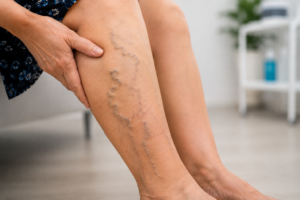
Varicose veins are enlarged, twisted veins that usually appear in the legs and feet. They occur when the valves within the veins weaken or malfunction, causing blood to pool and veins to become swollen and distorted.
2. Causes of Varicose Veins
Several factors contribute to the development of varicose veins, including genetics, age, and lifestyle choices. Standing or sitting for extended periods, obesity, and hormonal changes can also increase the risk.
Noticing Bulging or Twisted Veins?
Varicose veins can cause pain, heaviness, and swelling. Early evaluation can help prevent complications.
Schedule Appointment or call (610) 936-82143. Risk Factors
Understanding the risk factors associated with varicose veins is essential. Genetics plays a significant role, and if your family has a history of this condition, you may be more susceptible. Age, gender, and obesity are also common risk factors.
4. Signs and Symptoms
Recognizing the signs and symptoms of varicose veins is crucial for early intervention. Symptoms may include pain, aching, swelling, and visible twisted veins. It’s important not to dismiss these signs.
5. Diagnosis
Diagnosing varicose veins often involves a physical examination and may require imaging tests like ultrasounds. An accurate diagnosis helps determine the most suitable treatment approach.
6. Traditional Treatment Methods
Traditional treatments for varicose veins include lifestyle modifications, compression stockings, and elevation of the legs. These methods can alleviate symptoms and slow down the progression of the condition.
7. Minimally Invasive Procedures
Minimally invasive procedures have revolutionized the treatment of varicose veins, offering patients effective solutions with minimal discomfort and downtime. Here are some of the most used minimally invasive treatments:
Endovenous Laser Ablation (EVLA)
Endovenous Laser Ablation, also known as EVLA, is a highly effective procedure for treating varicose veins. During this minimally invasive treatment, a thin laser fiber is inserted into the affected vein through a tiny incision. The laser emits energy that seals the vein, redirecting blood flow to healthier veins. EVLA is virtually painless and requires little recovery time.
Radiofrequency Ablation (RFA)
Radiofrequency Ablation, or RFA, is another minimally invasive option for varicose vein treatment. It involves using radiofrequency energy to heat and close off the problematic vein. RFA is particularly suitable for larger varicose veins and is associated with minimal discomfort during and after the procedure.
Sclerotherapy
Sclerotherapy is a non-surgical procedure that involves injecting a special solution directly into the varicose vein. This solution irritates the vein’s lining, causing it to collapse and eventually fade away. Sclerotherapy is often used for smaller varicose veins and spider veins and can be performed as an outpatient procedure.
Venaseal
Venaseal is a relatively new minimally invasive treatment that utilizes medical-grade adhesive to seal the affected vein. It is a quick and virtually painless procedure that allows patients to return to their daily activities immediately.
8. Lifestyle Changes for Prevention
Preventing varicose veins involves maintaining a healthy lifestyle. Regular exercise, a balanced diet, and avoiding prolonged periods of sitting or standing can significantly reduce the risk.
9. Natural Remedies and Self-Care
Some individuals opt for natural remedies and self-care techniques to manage varicose veins. These may include dietary supplements, herbal remedies, and leg exercises.
10. Pregnancy and Varicose Veins
Pregnancy can increase the risk of developing varicose veins due to hormonal changes and increased blood volume. However, they often improve after childbirth.
11. Complications and Associated Conditions
Untreated varicose veins can lead to complications such as skin ulcers and deep vein thrombosis (DVT). Managing varicose veins effectively is crucial to prevent these issues.
12. When to See a doctor
If you experience severe pain, skin changes, or suspect complications related to varicose veins, it’s essential to seek medical attention promptly.
13. Varicose Veins vs. Spider Veins
Varicose veins are often confused with spider veins, but they have distinct differences in appearance and symptoms. Understanding these differences helps in proper diagnosis and treatment.
14. Myths and Misconceptions
There are several myths surrounding varicose veins. We’ll debunk these misconceptions to provide you with accurate information about this condition.
Conclusion
In conclusion, varicose veins are a common vascular condition that affects many individuals. While they can be unsightly and painful, various treatment options and prevention measures are available. By understanding the causes, symptoms, and treatment options, you can take proactive steps to manage varicose veins effectively.
Frequently Asked Questions (FAQs)
1. Are varicose veins a cosmetic issue only?
Varicose veins can be a cosmetic concern, but they can also lead to discomfort and health complications.
2. Can varicose veins be prevented entirely?
While you cannot guarantee prevention, adopting a healthy lifestyle can significantly reduce your risk.
3. Do varicose veins always require surgery?
No, many cases can be managed with non-surgical treatments.
4. Are there any home remedies that can alleviate varicose vein symptoms?
Some home remedies and lifestyle changes may provide relief from symptoms.
5. Is it safe to exercise with varicose veins?
Yes, low-impact exercises are generally safe and can even help improve circulation.
Contact Us
Schedule your consultation today at appointment@mvmhealth.com
Schedule Appointment or call (610) 936-8214