Skip to content
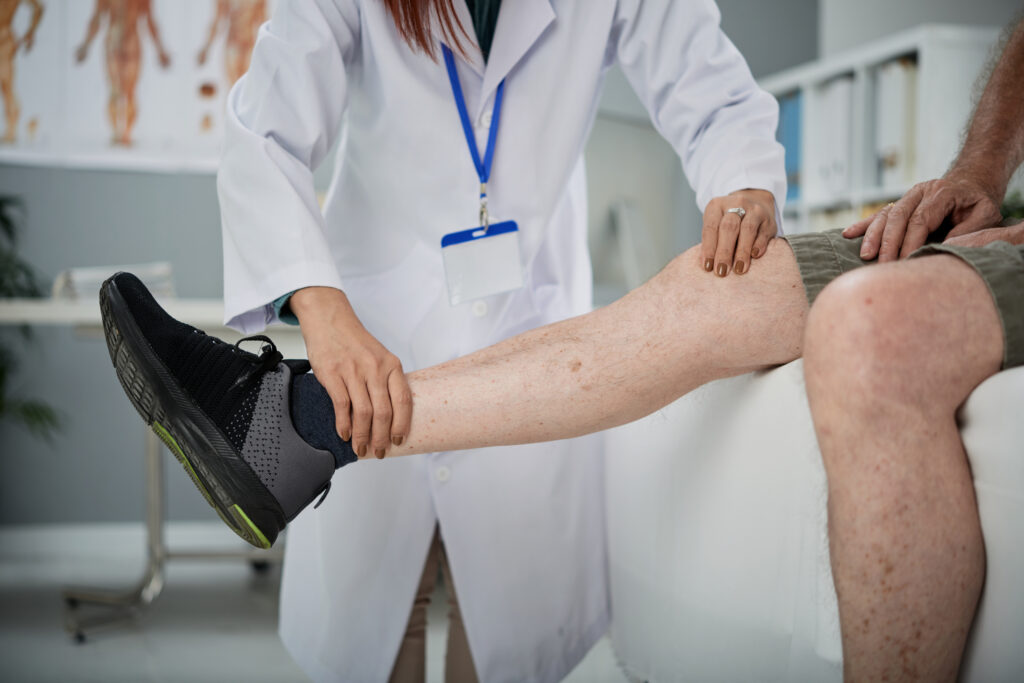
You should consult a vein expert immediately if your legs are painful, swollen, feel heavy, or have noticeable varicose or spider veins. These indicators usually suggest that there are problems with the veins that could get worse if they aren’t handled. A vein expert can utilize advanced, minimally invasive tools to find and fix vein disorders such as varicose veins, chronic venous insufficiency, and problems with circulation. Early inspection not only helps with discomfort, but it also gets rid of problems, including skin changes, blood clots, and leg ulcers that won’t heal. This is good for the veins and will make life better in the long run.
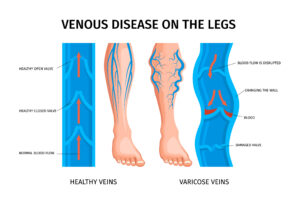
What does a vein specialist do?
A vein doctor, also called a vein specialist, is a doctor who focuses on finding and treating problems with veins, especially those that affect the legs and the circulatory system. Vein specialists are doctors who specialize in vascular medicine. They employ the most up-to-date diagnostic methods, like ultrasound imaging, to discover abnormalities with veins.
A vein specialist is not the same as a regular doctor because they solely treat disorders that affect veins. They have had particular training that lets them give clients tailored, minimally invasive treatments for diseases like varicose veins, spider veins, chronic venous insufficiency, blood clots, and venous ulcers. This makes patients feel better and keeps their veins healthy for a long period.
When to See a Vein Doctor
Most of the time, vein problems start with modest indicators that develop worse with time. You should contact a vein doctor immediately if you detect these early warning symptoms. They can help you before things get worse.
- If your legs hurt, throb, or feel heavy, especially after sitting or standing for a long time, it could signify that your blood isn’t circulating effectively.
- If your legs are always bloated, especially at the end of the day, it could be a sign of vein disease.
- Spider veins are either bigger and twisted veins on the legs or smaller veins that look like webs and don’t perform correctly.
- Changes in your skin: If the skin around your ankles gets thicker, darker, or redder, it could suggest that your veins are growing worse.
- If you have open sores on your legs near your ankles that don’t heal quickly or at all, you should consult a venous doctor immediately.
Getting a diagnosis and treatment early on can make a major difference in how healthy your veins are, how well your blood flows, and how comfortable you are.
When should you go to a vein doctor?
You can stop vein problems from growing worse if you know when to consult a vein specialist. You might want to make an appointment for a vein evaluation if you have any of the following:
- You shouldn’t ignore leg pain, heaviness, or discomfort that doesn’t go away and makes it hard to work, sleep, or be active.
- You might have progressive vein disease if your veins develop wider, you can see them, or your skin changes.
- If you have a family history of vein disease, you should see a doctor right away because genetics may be to blame for vein difficulties.
- You might need to consult a doctor if compression stockings, lifting your legs, or changing your lifestyle don’t help.
- Your primary care doctor could send you to a vein specialist if you need more tests and better treatment alternatives.
Early consultation helps you avoid complications and keeps your blood flowing by making sure you get the proper diagnosis and treatment.
Frequently Asked Questions
1. When is it time to see a vein doctor?
You should consult a vein expert if your legs hurt, swell, or feel heavy or if they have visible varicose veins, or if your skin changes and grows worse over time.
2. What kinds of ailments can a vein specialist fix?
A vein expert can help with chronic venous insufficiency, spider veins, varicose veins, blood clots, and venous ulcers.
3. Are varicose veins bad for your health or just for how you look?
Varicose veins can hurt, bulge, and stop blood from flowing if you don’t treat them.
4. Do I need to get a reference before I can see the vein doctor?
Most of the time, you don’t need a recommendation to see a vein doctor, although some insurance plans might need one.
5. What happens during a vein consultation?
A vein consultation normally includes a physical exam, a review of your medical history, and an ultrasound to examine the health of your veins.
Conclusion
Lastly, if your veins hurt or get in the way of your regular life, don’t ignore them. MVM Health will ensure you receive the appropriate diagnosis and the best, least invasive vein treatments if you want to see a vein specialist in East Stroudsburg or receive expert care at our Bethlehem location. Getting checked out early can help you avoid complications, get your blood flowing better, and get your life back to normal. Call one of our vein specialists today to book an appointment and start getting your legs back to health and pain-free.
Don’t let vein problems get worse—early treatment can prevent serious complications. Book your evaluation with our vein specialists today.
2045 Westgate Dr., Suite 202, Bethlehem, PA 18017
appointment@mvmhealth.com
📞- (610) 209-368214