
Spinal Stenosis Treatment
At MVM Health, our interventional pain specialists have extensive experience in diagnosing and treating spinal stenosis.


Discover Relief
with Our Spinal Stenosis Care Team
Spinal stenosis occurs when the spaces within your spine narrow, placing pressure on the spinal cord or nerve roots. This often leads to chronic back pain, leg weakness, or difficulty walking. At MVM Health, we understand how debilitating this condition can be. Our team is dedicated to providing compassionate, personalized care with treatments designed to reduce pain, restore movement, and help you get back to the activities you enjoy.
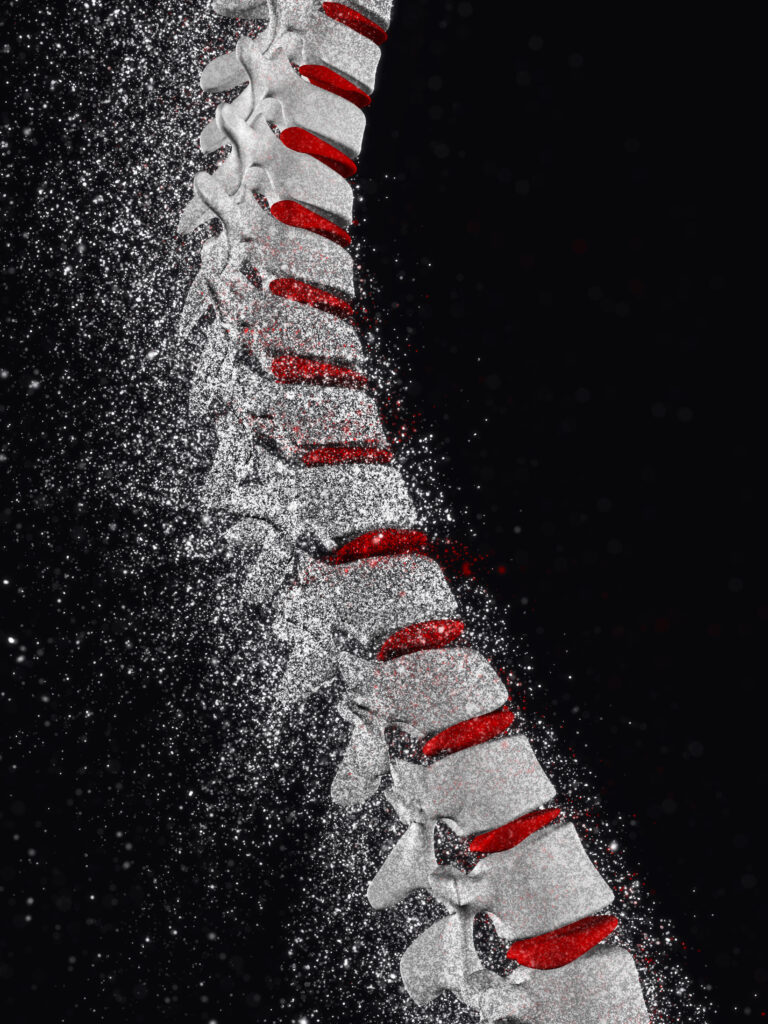
A Focused Approach to Treating Spinal Stenosis
A benefit-driven approach to treating spinal stenosis means we focus on results that tangibly improve your daily life. Instead of just managing symptoms, our specialists use advanced diagnostics to pinpoint the precise source of nerve pressure caused by the narrowing of your spinal canal. This allows us to apply targeted, minimally invasive therapies that directly address the root of the problem. The ultimate goal is to provide you with lasting relief, increase your ability to walk and stand comfortably, and help you confidently return to the activities you love.
Conditions & Causes We Treat
Spinal stenosis can develop in different regions of the spine and may have several underlying causes. At MVM Health, we treat:
By identifying the specific cause of stenosis, we develop a treatment plan that directly targets the source of your symptoms.
- Lumbar spinal stenosis (lower back)
- Cervical spinal stenosis (neck)
- Thoracic spinal stenosis (mid-back)
- Degenerative disc disease
- Bone spurs and arthritis-related narrowing
- Herniated or bulging discs causing compression
- Thickened ligaments within the spine
- Post-surgical scarring (failed back surgery syndrome)
Interventional Pain Management for Spinal Stenosis
In the past, options for treating the debilitating leg and back pain from spinal stenosis were often limited to pain medications or major spinal surgery. At MVM Health, we take a more progressive approach, focused on relieving the nerve pressure that causes your symptoms, often without relying on opioids or invasive procedures. Through targeted, minimally invasive therapies, we help patients find significant relief from spinal stenosis, improving their ability to walk and stand with less pain and enhancing their overall quality of life.
Our multidisciplinary approach allows us to customize your care for your specific condition. We can explore a variety of treatment options, such as epidural steroid injections to reduce inflammation, nerve blocks to pinpoint the source of pain, or spinal cord stimulation for long-term relief. By tailoring each plan to your unique needs, we aim to reduce your pain, restore mobility, and help you regain an active, fulfilling lifestyle.
Schedule Your Consultation
What Are My Interventional Options for Spinal Stenosis?
While interventional pain management may not reverse the narrowing of the spinal canal, it can significantly reduce the painful nerve compression and improve your quality of life. During your initial consultation at MVM Health, our specialists will carefully evaluate the source of your stenosis symptoms and work with you to create a personalized treatment plan designed for lasting relief.
Treatment options may include, but are not limited to:
- Lumbar Epidural Steroid Injections
- Facet Joint Injections
- Radiofrequency Ablation (RFA)
- Spinal Cord Stimulation (SCS)
- Caudal Steroid Injections
- Minimally Invasive Lumbar Decompression (e.g., MILD®)
- Interspinous Spacers (e.g., Vertiflex™)
- Trigger Point Injections
Which Spinal Stenosis Symptoms Can Be Treated?
Many people gradually adapt their lifestyle to the progressive symptoms of spinal stenosis, but seeking timely medical attention is essential for managing the condition and improving your quality of life. At MVM Health, our specialists are committed to guiding you through a personalized recovery plan that directly addresses the nerve compression causing your discomfort.
Our team performs thorough evaluations—including physical exams and advanced imaging like an MRI—to accurately identify the specific location and severity of the spinal canal narrowing. This careful assessment allows us to create a treatment plan tailored to your unique needs, focusing on the chronic nature of spinal stenosis.
With a customized plan in place, we focus on reducing your pain, restoring your ability to walk and stand for longer periods, and helping you return to daily activities comfortably. By combining advanced interventional techniques with a patient-centered approach, MVM Health empowers you to regain control over your spinal health and overall well-being.
Regenerative Therapy Options for Spinal Stenosis
Alongside our advanced interventional treatments, MVM Health offers cutting-edge regenerative therapies—including stem cell therapy and PRP (platelet-rich plasma). For spinal stenosis, these biologic treatments are rich in growth factors that can reduce inflammation around compressed nerves and promote the body’s natural healing of damaged spinal tissues, such as arthritic facet joints.
Our ultimate goal is to support your long-term recovery, restore mobility, and reduce the debilitating nerve pain associated with spinal stenosis—helping you regain an active lifestyle and improve your quality of life without relying on major invasive surgery.
Do I Have Spinal Stenosis?
Spinal stenosis refers to the narrowing of the spaces within your spine, which can put pressure on the nerves that travel through it. You may experience a dull, persistent ache in your lower back, but the classic symptom is pain, cramping, numbness, or weakness in your legs that gets worse when you are standing or walking.
In many cases, patients initially find that this leg discomfort is relieved almost immediately by sitting down or leaning forward (for example, on a shopping cart). If you notice your ability to walk or stand comfortably is becoming more limited over time, and you feel the need to sit or bend forward for relief, you may be experiencing the key signs of spinal stenosis.

What Are the Symptoms of Spinal Stenosis?
Spinal stenosis can cause persistent lower back pain and introduce new types of discomfort due to pressure on the spinal nerves. Along with ongoing back pain, patients may notice additional symptoms that impact their daily life, particularly their ability to stand and walk, such as:
- Pain, cramping, or aching in the legs, thighs, or buttocks that worsens with standing or walking.
- Significant pain relief that occurs when sitting down or leaning forward.
- Numbness, tingling, or “pins-and-needles” sensations in the legs and feet.
- Weakness in the leg or foot, which may cause a “foot drop” sensation.
What Are the Primary Causes of Spinal Stenosis?
Spinal stenosis, or the narrowing of the spinal canal, is a condition that typically develops gradually over many years. While it is often a natural part of the aging process, several specific factors can contribute to or accelerate its progression, leading to painful nerve compression.
Spinal Osteoarthritis
The most common cause of spinal stenosis is “wear and tear” arthritis. As the cartilage in your spinal joints breaks down and discs lose height, the body may respond by growing bone spurs (osteophytes) that can intrude into the spinal canal, narrowing the space available for your nerves.
Thickened Ligaments
The tough ligaments that help hold the bones of your spine together can thicken and stiffen over time. These enlarged ligaments can then bulge backward into the spinal canal, contributing to its narrowing and putting pressure on the spinal cord and nerve roots.
Herniated or Bulging Discs
While a disc may herniate from an injury, the underlying cause is often gradual degeneration. As discs dry out and weaken with age, they can flatten and bulge into the spinal canal, or the soft inner material can push through tears in the exterior.

How Is Spinal Stenosis Diagnosed?
At MVM Health, our specialists focus on identifying the source of the nerve compression causing your symptoms. If spinal stenosis is suspected, we carefully review your medical history and listen to your description of the pain, particularly how it changes with activities like walking or sitting. This is followed by a thorough physical and neurological examination to assess your reflexes, muscle strength, and sensation. To confirm the diagnosis and see the exact location of the narrowing, an MRI or CT scan is typically recommended to get a complete picture of your spinal canal and nerves.
Why Choose MVM Health for Spinal Stenosis Relief?
If you’re struggling with the pain and limitations of spinal stenosis, the specialists at MVM Health bring extensive experience in interventional pain management and comprehensive spinal care to help reduce your symptoms and improve both your physical and emotional well-being.
We customize every treatment to your individual needs, focusing on identifying the precise source of nerve compression for lasting relief. Explore interventional pain management and other therapies designed to manage the symptoms of spinal stenosis. Contact MVM Health for personalized solutions today.
FAQ
What is spinal stenosis?
Spinal stenosis is the narrowing of the spaces within your spine, which can compress the spinal cord or nerve roots. This narrowing is often associated with age-related wear and tear.
What are the primary symptoms of spinal stenosis?
Symptoms include back or neck pain, numbness, tingling, or weakness in the limbs. Patients often experience cramping or aching in the legs that worsens when standing or walking upright.
What causes spinal stenosis to develop?
It typically results from age-related changes like osteoarthritis, which forms bone spurs. Other causes include thickened ligaments, herniated discs, spinal injuries, congenital conditions, or, rarely, tumors or spinal cysts.
How is spinal stenosis diagnosed?
Doctors diagnose it by reviewing your medical history, performing a physical exam to test reflexes and strength, and using imaging studies like X-rays, MRIs, or CT scans to visualize the spine.
What interventional treatments are available?
Interventional options include epidural steroid injections or nerve blocks to reduce inflammation. Minimally invasive procedures, such as indirect decompression or spacer devices, may be used if conservative therapies fail to provide relief.
Can regenerative medicine help with spinal stenosis?
Regenerative therapies, such as stem cell or platelet-rich plasma (PRP) injections, are being explored to potentially reduce inflammation and support the healing of damaged spinal tissues, though more research is ongoing.
Why do some patients feel better when leaning forward?
Leaning forward, such as when pushing a shopping cart, increases space in the spinal canal. This postural change reduces pressure on the compressed nerves, providing temporary relief from leg pain.
What is the goal of spinal stenosis treatment?
The primary goal is to alleviate nerve pressure, reduce pain, and improve your mobility. Treatment aims to help you comfortably return to daily activities and maintain an active, independent lifestyle.
How do I schedule my appointment?
You can schedule your appointment by calling our office directly at (610) 936-8214 or booking through our website at https://mvmhealth.com/schedule-appointment . Our team will help you find a convenient time, answer any questions about insurance or referrals, and guide you through the next steps so your visit is smooth and stress-free.