












SCIATICA TREATMENT

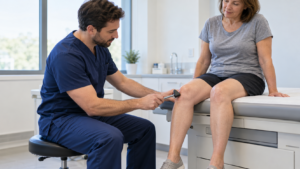
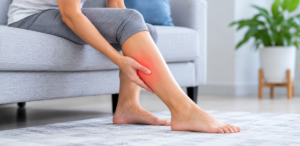
Sciatica can cause sharp, burning, or shooting pain that travels from your lower back through your buttocks and down one leg. You may also experience numbness, tingling, or muscle weakness that makes sitting, standing, or walking uncomfortable. At MVM Health, our pain specialists evaluate your symptoms, identify possible causes, and discuss personalized sciatica treatment options to help manage pain and improve mobility.

Book a visit with a pain specialist near you at one of our clinics in Pennsylvania, New Jersey, Ohio, or Arizona.

Sciatica
Sciatica Sciatica Sciatica Sciatica Sciatica Sciatica Sciatica Sciatica Sciatica Sciatica Sciatica Sciatica Sciatica Sciatica Sciatica Sciatica Sciatica Sciatica Sciatica Sciatica Sciatica Sciatica Sciatica Sciatica

Meet Our Expert Team

Board Certified Expert

At MVM Health — Movement. Vitality. Medicine. — we are committed to providing exceptional pain, vein, and wellness services that empower individuals to reclaim their health and well-being. With our team of Harvard-trained experts, we strive to deliver transformative outcomes that restore comfort, confidence, and quality of life. MVM Health’s mission is to help every patient relieve discomfort, restore motion, and renew life.

Sciatica

Vwaire Orhurhu, MD, MPH
Harvard Medical School

Sciatica

Mariam Salisu, MD, MPH
Harvard Medical School

Sciatica

Peter Isaac, DO
Philadelphia College of Osteopathic Medicine

Sciatica

Ali Amin, MD
Baylor College of Medicine

Sciatica

THOMAS KHOURY, MD
Harvard Medical School

Sciatica

ANTHONY TURNER, MD
Yale School of Medicine

Sciatica

KIRAN C. TAMIRISA
Baylor College of Medicine

Sciatica

TARIQ ALFARRA, DO
JOHNS HOPKINS HOSPITAL

Sciatica

Rishi Sheth, MD
University of Miami School of Medicine

Sciatica

Henry Onyeaka, MD, MPH
Harvard Medical School

Sciatica

Felicia Todd, CNP
Moravian College

Sciatica

Carrie Ward, CNP
Franklin University

Sciatica

Kruti Solanki, CNP
Drexel University

Sciatica

Christy Daniels, CNP
Chamberlain University

Sciatica

Heerina Kittel, CNP
Maryville University

Sciatica

Vic Urbano, CNP
Walden University

Sciatica

Jameela Azeem, CNP
Hofstra University

Sciatica

Vwaire Orhurhu, MD, MPH
Harvard Medical School

Sciatica

Mariam Salisu, MD, MPH
Harvard Medical School

Sciatica

Peter Isaac, DO
Philadelphia College of Osteopathic Medicine

Sciatica

Ali Amin, MD
Baylor College of Medicine

Sciatica

THOMAS KHOURY, MD
Harvard Medical School

Sciatica

ANTHONY TURNER, MD
Yale School of Medicine

Sciatica

KIRAN C. TAMIRISA
Baylor College of Medicine

Sciatica

Rishi Seth, MD
University of Miami School of Medicine

Sciatica

Henry Onyeaka, MD, MPH
Harvard Medical School

Sciatica

Felicia Todd, CNP
Moravian College

Sciatica

Vic Urbano, CNP
Walden University

Sciatica

Jameela Azeem, CNP
Hofstra University

We work with a wide variety of insurance providers

Sciatica Sciatica Sciatica Sciatica Sciatica Sciatica Sciatica

and 100+ more

Insurance coverage for pain treatment depends on your specific plan, medical necessity, and prior authorization. Our team will review your benefits with you in advance. Questions? Contact us to confirm if your insurance is accepted.

What Is Sciatica?

Sciatica occurs when the sciatic nerve or the nerve roots that form it become irritated or compressed. The sciatic nerve runs from your lower back through your buttocks and down each leg. Sciatica typically affects one side of the body and may cause pain, numbness, tingling, or weakness along the affected nerve pathway.

Acute vs. Chronic Sciatica. Acute sciatica often develops suddenly and may improve within a few weeks with appropriate care. Chronic sciatica involves symptoms that persist for more than three months and may be associated with ongoing nerve irritation or an underlying spinal condition.

Mild vs. Severe Sciatica. Mild sciatica may cause occasional tingling, aching, or discomfort in the lower back, buttock, or leg. More severe cases can involve persistent shooting pain, numbness, or muscle weakness that interferes with walking, sitting, or daily activities.

Sciatica

WHERE DOES SCIATICA PAIN OCCUR?

Sciatica pain typically follows the path of the sciatic nerve, starting in the lower back and traveling through the buttock and down one leg. The location and intensity of symptoms depend on which nerve roots are affected.

LOWER BACK (LUMBAR SPINE)

Sciatica often begins in the lower back when a herniated disc, bone spur, or spinal narrowing irritates a nerve root. You may experience aching, sharp pain, or discomfort that spreads into the buttock and leg. However, some people have leg pain without noticeable lower back pain.

BUTTOCKS AND HIPS

Sciatica commonly causes pain deep within one buttock that may extend toward the hip or upper thigh. The discomfort can feel sharp, burning, or aching and may become more noticeable when sitting for long periods or changing positions.

BACK OF THE THIGH

Sciatic nerve pain frequently travels down the back of the thigh, sometimes reaching the knee. You may experience shooting pain, tingling, or numbness that makes sitting, bending, walking, or performing everyday activities uncomfortable.

LOWER LEG AND FOOT

Sciatica can extend below the knee into the calf, ankle, or foot. Depending on the affected nerve root, symptoms may include burning pain, tingling, numbness, or muscle weakness. Some people also notice difficulty lifting the foot or toes.

COMMON CAUSES OF SCIATICA

HERNIATED OR BULGING DISC

A damaged or bulging spinal disc can press against nearby nerve roots, causing pain, tingling, or numbness that travels from the lower back into the leg.

SPINAL STENOSIS

Narrowing of the spinal canal can place pressure on nerve roots in the lower back, leading to radiating leg pain, numbness, or weakness, especially while standing or walking.

DEGENERATIVE DISC DISEASE.

Age-related changes can cause spinal discs to lose height and flexibility. These changes may irritate or compress nearby nerves, contributing to sciatica symptoms.

BONE SPURS AND ARTHRITIS

Arthritis in the lower spine can cause extra bone growth around spinal joints. These bone spurs may reduce space around nerve roots and trigger radiating leg pain.

SPONDYLOLISTHESIS

When one vertebra slips forward over another, it can narrow the spaces around spinal nerves. This may cause lower back discomfort and pain that extends into the buttock or leg.

PIRIFORMIS SYNDROME

Tightness or irritation involving the piriformis muscle in the buttock can sometimes irritate the sciatic nerve, causing pain, tingling, or numbness that travels down the leg.

SPINAL INJURIES

Falls, sports injuries, or other trauma can damage spinal discs or surrounding structures. In some cases, these changes may compress nerve roots and lead to sciatica symptoms.

FORAMINAL STENOSIS

Narrowing of the openings where spinal nerves exit the spine can compress a nerve root. This may cause shooting pain, tingling, numbness, or weakness along the affected leg.

Risk Factors

Sciatica can affect anyone, but certain factors may increase your risk

Symptoms of Sciatica

Sciatica symptoms usually affect one side of the body and may include

When Pain Needs Urgent Care

Most cases of sciatica are not medical emergencies. However, seek immediate medical attention if you experience:

  • Loss of bladder or bowel control, or difficulty urinating.
  • Numbness around the groin, buttocks, or inner thighs.
  • Sudden or rapidly worsening weakness in one or both legs.
  • Severe pain following a fall, car accident, or other injury.
  • Fever, chills, or feeling seriously unwell alongside severe back pain.
  • New or rapidly worsening numbness affecting both legs.


These symptoms may indicate serious nerve compression, cauda equina syndrome, infection, or another condition requiring emergency medical evaluation.

Book a Sciatica Pain Evaluation

Posted on Google Sciatica
Sciatica
Brenda Giles
SciaticaSciaticaSciaticaSciaticaSciaticaTrustindex verifies that the original source of the review is Google.
Everybody was very pleasant and not long waiting at all
Posted on Google Sciatica
Sciatica
Lala Kenjo
SciaticaSciaticaSciaticaSciaticaSciaticaTrustindex verifies that the original source of the review is Google.
I'm going to say Dr. O is a miracle worker. I have two herniated discs in my neck and the pain was so severe, I had to roll out of bed some days. I went to see Dr. O and was scheduled for an injection in my neck. The first injection helped a little bit, but I was still in severe pain most days. Speaking to other people, it normally takes two injections so I went from my second injection with Dr. O. Oh, and by the way, he squeezed me in the very next day for the procedure. I have not felt this good in a very long time. I can actually sit in a chair without my neck throbbing from pain and I've even started taking better care of my vegetable garden in my yard. Like I said this man is a miracle worker. Love, love, love him and I highly recommend him. Oh, and all of his staff are extremely friendly, patient, and very empathetic to their patients.
Posted on Google Sciatica
Sciatica
Maryann Iko
SciaticaSciaticaSciaticaSciaticaSciaticaTrustindex verifies that the original source of the review is Google.
Everyone is friendly and feeling good about them helping me
Posted on Google Sciatica
Sciatica
MARCE CASTAÑO
SciaticaSciaticaSciaticaSciaticaSciaticaTrustindex verifies that the original source of the review is Google.
“My experience today was excellent. From the moment I arrived, the staff was welcoming and attentive. The way everything was explained to me made the process clear and easy to understand. I felt very comfortable and, most importantly, safe throughout my visit. I truly appreciate the professionalism and care I received.”
Posted on Google Sciatica
Sciatica
Barbara Quarantello
SciaticaSciaticaSciaticaSciaticaSciaticaTrustindex verifies that the original source of the review is Google.
I have been a patient of Dr. Orhurhu for over a year and the care he has given me has been exceptional. I had a compound fracture of my L2 vertebrae in May 2024 and he performed a Kyphoplasty in his office with wonderful results. I still have issues with my back due to scoliosis and bulgeing discs that impinge on my spine. Dr.O suggested ablation therpy on my low back along with 4 epidural injections with 2 more to come this week. But I have great faith in Dr. Orhurhu that I will be improving under his excellent care and guidance.
Posted on Google Sciatica
Sciatica
Seleimy Suárez Rodríguez
SciaticaSciaticaSciaticaSciaticaSciaticaTrustindex verifies that the original source of the review is Google.
Me gustó bastante y mucho la atención de el Señor Andy, excelente coordinador. Excelentes servicios en todo!!! Quede muy encantada.

SCIATICA TREATMENT OPTIONS

Sciatica treatment aims to relieve nerve-related pain, reduce inflammation, and improve daily movement. Most people begin with non-surgical care, while more advanced options are considered if symptoms continue or worsen.
Sciatica

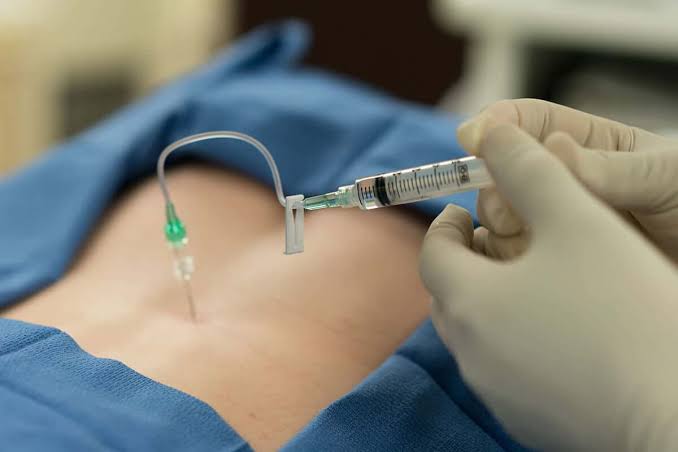
SI joint injections deliver medication into the sacroiliac joint to help reduce inflammation and relieve lower back, buttock, or leg pain caused by SI joint dysfunction.

Sciatica

Anti-inflammatory medicine is placed near irritated spinal nerves to ease pain that radiates into an arm or leg, such as from a herniated disc or stenosis.

Sciatica

Medicine is placed in or near the small joints of the spine to ease arthritis pain. A positive response also helps confirm where the pain starts.

Sciatica

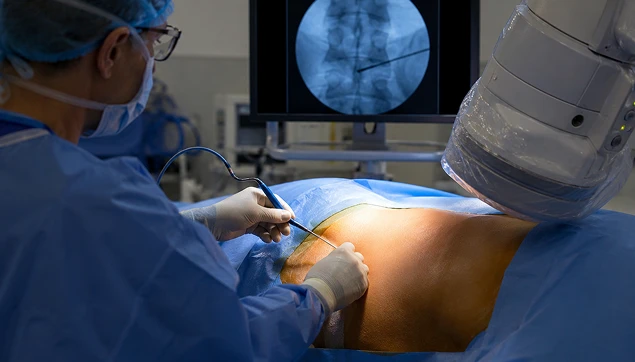
Controlled heat quiets the small nerves that carry pain signals from arthritic spine joints. It’s often considered after a successful nerve block.

Sciatica

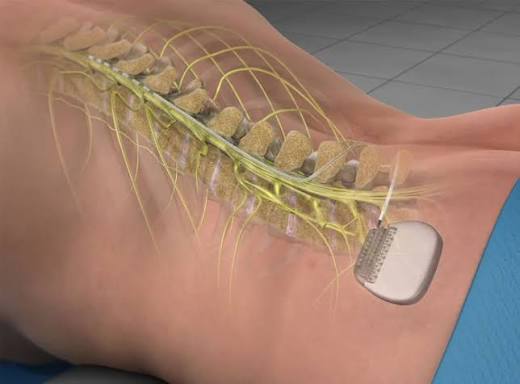
A small device sends mild electrical pulses that change how pain signals reach the brain. It’s used for long-term pain that hasn’t responded to other care, and it starts with a short trial.

Sciatica

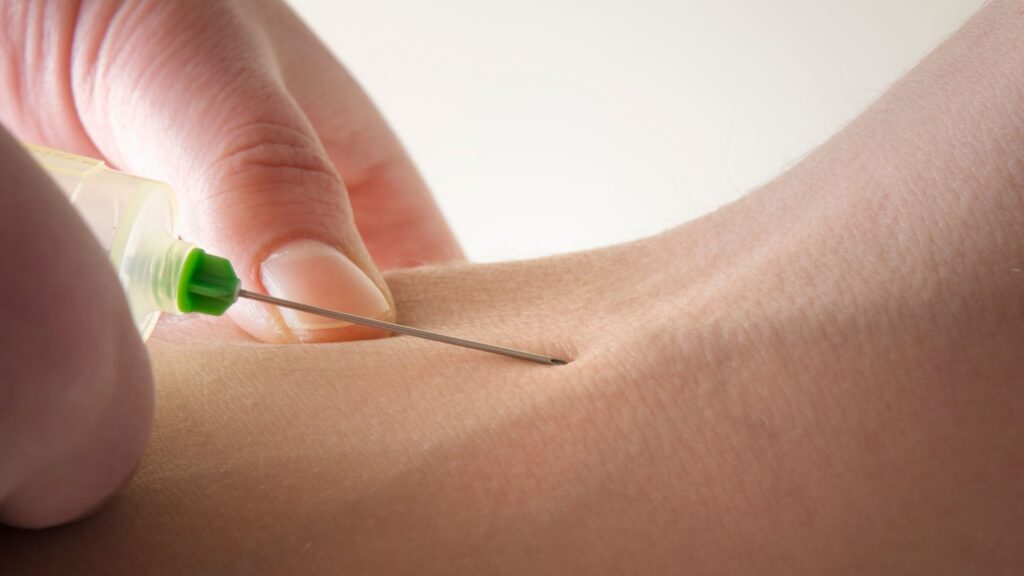
Trigger point injections target tight, painful muscle areas to help reduce muscle tension, relieve referred pain, and improve movement in patients with muscle-related discomfort.

EASING SCIATICA PAIN AT HOME

For mild sciatica symptoms without warning signs, these simple steps may help reduce discomfort and support your recovery.
Sciatica

If sciatica pain continues, worsens, or interferes with walking, sleeping, or daily activities, schedule an evaluation with a pain specialist at MVM Health.

Stay Gently Active. Take Short Walks and Perform Gentle Stretches Within Your Comfort Level. Avoid Prolonged Bed Rest, as Light Movement May Help Reduce Stiffness and Maintain Flexibility.

Use Heat or Cold Therapy. Apply a Cold Pack to the Painful Area for 15–20 Minutes to Ease Discomfort. Gentle Heat May Help Relax Tight Muscles. Always Wrap Packs in a Towel to Protect Your Skin.

Consider Pain Relief Options. Over-The-Counter Pain Medications May Provide Temporary Relief. Follow the Recommended Dosage and Consult Your Healthcare Provider, Especially If You Take Other Medications or Have Existing Health Conditions.
Adjust Your Sitting Position.Sit in a Supportive Chair with Your Feet Flat on the Floor. Avoid Sitting for Extended Periods, and Take Regular Breaks to Stand, Stretch, or Walk If Comfortable.
Find a Comfortable Sleeping Position. Try Sleeping on Your Side with a Pillow Between Your Knees or on Your Back with a Pillow Beneath Your Knees. These Positions May Help Reduce Pressure on Your Lower Back.
Avoid Heavy Lifting and Twisting. Limit Activities That Involve Heavy Lifting, Repeated Bending, or Sudden Twisting Movements. When Lifting Is Necessary, Keep Objects Close to Your Body and Avoid Movements That Aggravate Your Symptoms.

Frequently Asked Questions

How do I know if my pain is sciatica or something else?
Sciatica typically causes pain that travels from the lower back or buttock into one leg. You may also experience tingling, numbness, or weakness. Other conditions can cause similar symptoms, so a medical evaluation can help determine whether a spinal nerve is involved.
Can sciatica cause leg pain without lower back pain?
Yes. Some people experience sciatica primarily in the buttock, thigh, calf, or foot without noticeable lower back pain. This happens because irritated nerve roots can cause symptoms along the nerve pathway, even when the lower back itself is not painful.
Why does my sciatica hurt more when I sit or bend forward?
Sitting or bending forward can increase pressure on certain spinal discs and aggravate irritated nerve roots. However, symptoms vary depending on the underlying cause. Some people experience greater discomfort while standing or walking instead.
What should I avoid doing when I have sciatica?
Avoid activities that clearly worsen your symptoms, such as heavy lifting, repeated twisting, prolonged sitting, or intense stretching. Gentle movement is generally encouraged, but you should adjust activities based on your comfort and your healthcare provider’s recommendations.
Can sciatica cause pain in the knee, calf, or foot?
Yes. Sciatica can cause pain, burning, tingling, or numbness that extends below the knee into the calf or foot. The exact location depends on which nerve root is affected. Persistent symptoms should be evaluated to identify their cause.
How long does it usually take for sciatica to improve?

Many people notice improvement within several weeks, although recovery time varies. Symptoms caused by significant nerve compression may last longer. If pain persists, worsens, or interferes with daily activities, a pain specialist can assess whether additional treatment is appropriate.

Do I need an MRI to diagnose sciatica?
Not everyone with sciatica needs an MRI. A healthcare provider may initially evaluate your symptoms, medical history, reflexes, strength, and sensation. Imaging may be recommended when symptoms persist, neurological problems develop, or further investigation is needed.
Can physical therapy help relieve sciatica symptoms?
Physical therapy may help improve mobility, strengthen supporting muscles, and reduce activities that aggravate nerve irritation. Your treatment plan should be based on the underlying cause of your sciatica and adjusted to your symptoms and physical abilities.
When should I see a pain specialist for sciatica?
Consider seeing a pain specialist if sciatica continues for several weeks, repeatedly returns, or affects your ability to sit, walk, sleep, or work. Seek prompt medical evaluation for new weakness, and emergency care for bladder or bowel changes or numbness around the groin.
What happens during a sciatica treatment consultation at MVM Health?
During your consultation, a pain specialist reviews your symptoms, medical history, and previous treatments. Your evaluation may include checking muscle strength, sensation, reflexes, and movement. Based on the findings, your provider will discuss suitable treatment options and recommend appropriate next steps.

Recent blogs

Contact Us
Book Appointment Call 888-628-4785