 Skip to content
Conditions
Vascular and Pigmentation Conditions
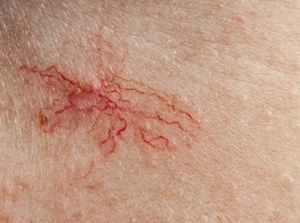
These tiny, squiggly veins are most often seen on the face and legs. They may be bright red or blue. Spider veins aren’t harmful, but they can be embarrassing if you don’t like the way they look.
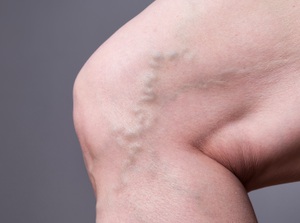
If you have swollen, twisted veins beneath your skin, you have varicose veins. Most often, they are found in the legs and the feet. They can be painful, and many people feel embarrassed by them.
Procedures
Vein and Vascular Procedures
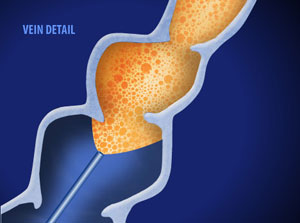
This minimally-invasive outpatient procedure uses a foam solution to shrink and close varicose veins. The foam is injected into the target veins through a catheter, leaving surrounding tissues unaffected.
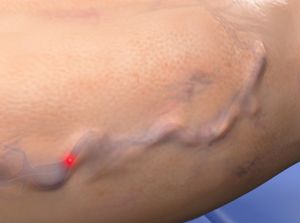
This therapy uses laser light to treat a varicose vein from within. It seals the enlarged vein and causes it to shrink. And it may ease things like the aching, burning and cramping caused by a varicose vein.
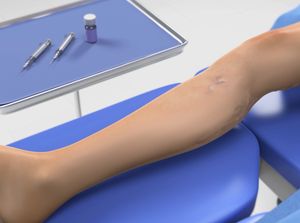
This injection treatment is for varicose veins and spider veins. It causes enlarged veins to seal shut. It gets rid of unsightly veins without surgery. And it may ease things like the aching, burning and cramping caused by enlarged veins. Foam sclerotherapy is often a good choice for long, large veins that are hard to treat with traditional sclerotherapy.
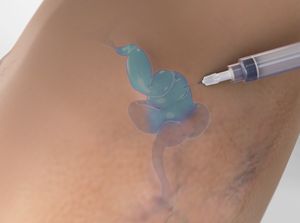
This injection treatment is for varicose veins and spider veins. It causes enlarged veins to seal shut. It gets rid of unsightly veins without surgery. And it may ease things like the aching, burning and cramping that enlarged veins cause.
Care and Management
Skin Treatments and Procedures
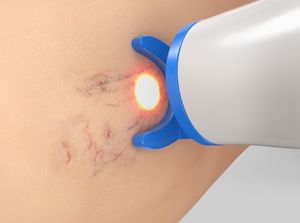
This treatment uses a laser to shrink spider veins in your skin. After your veins are treated, they fade and dissolve. Often, we use this treatment for spider veins on the face.
Care and Management
Neurosurgery
Spine Surgery
Spinal Implants for Chronic Pain
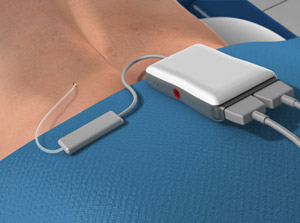
Spinal cord stimulation (also called SCS) uses electrical impulses to relieve chronic pain of the back, arms and legs. It is believed that electrical pulses prevent pain signals from being received by the brain. SCS candidates include people who suffer from neuropathic pain and for whom conservative treatments have failed.
Non-Surgical Pain Relief
Pain Injections and Nerve Blocks
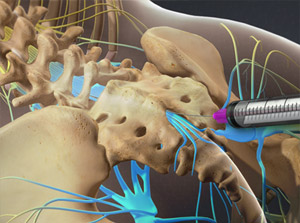
This outpatient procedure is an injection of a steroid-anesthetic medication through an opening in the sacrum. The medication can reduce swelling and inflammation of irritated spinal nerves. The injection takes only a few minutes to complete.
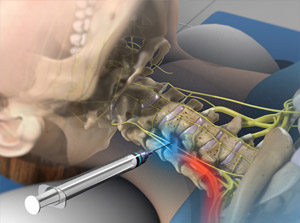
This injection procedure is performed to relieve neck, shoulder and arm pain related to compression of a nerve root in the cervical spine. Conditions such as herniated discs and spinal stenosis can compress nerves, causing inflammation and pain. The medication injected helps decrease the swelling of nerves.
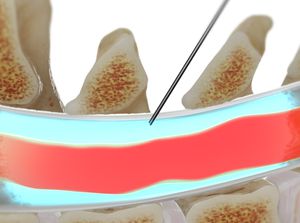
This injection treats the pain of an inflamed nerve in your cervical spine. It relieves nerve swelling. If you have a herniated disc, spinal stenosis or some other problem that’s pressing on a nerve, it may help you.
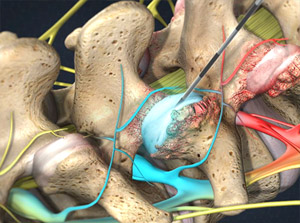
The facet joints, found on both sides of the back of the spine, can become painfully irritated or inflamed. A facet joint injection may help diagnose the source of a patient’s pain. It can also relieve pain and inflammation.
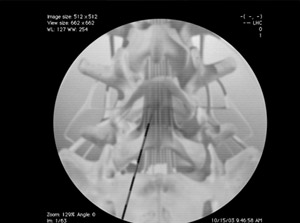
This injection procedure is performed to relieve low back and radiating leg pain. Steroid medication can reduce the swelling and inflammation caused by spinal conditions.
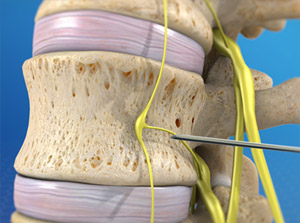
This procedure is an injection that numbs branches of nerves in your lower back. It helps doctors find and treat a number of problems linked to these nerves. Usually, a series of injections is needed to treat a problem.
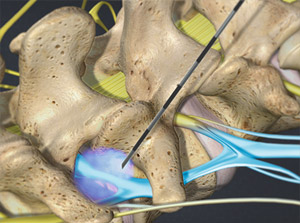
This outpatient procedure is an injection of a steroid-anesthetic medication. The medication can reduce swelling and inflammation of irritated spinal nerves. This procedure is performed to relieve pain in the lower back and pain that radiates from the back to the legs. The injection takes only a few minutes to complete.
Prevention, Daily Management and Recovery

If you have trigeminal neuralgia, you know how distressing it can be. You feel drained and hopeless. You live in fear of the next attack. But the good news is that some attacks are caused by specific triggers. Avoid those triggers and you may have fewer attacks. Here are some triggers we know about.
Conditions
Spine and Peripheral Nerve Conditions
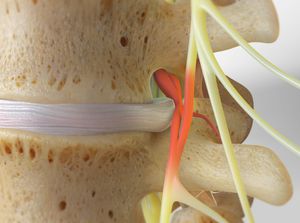
Between the vertebrae of your spine are soft discs. They let your spine twist and bend. They absorb shocks. But if damaged, the disc’s soft center can push through the disc wall. That’s a herniated disc. This bulge presses against nerves in your spine.
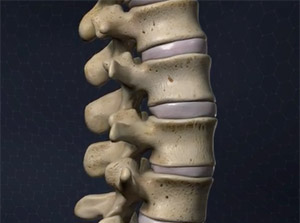
The spinal column is the body’s main support structure. Its thirty-three bones, called vertebrae, are divided into five regions: cervical, thoracic, lumbar, sacral and coccygeal.
Care and Management
Non-Surgical Techniques
Injections and Fluid Drainage
Epidural Injections
This outpatient procedure is an injection of a steroid-anesthetic medication through an opening in the sacrum. The medication can reduce swelling and inflammation of irritated spinal nerves. The injection takes only a few minutes to complete.
This injection procedure is performed to relieve neck, shoulder and arm pain related to compression of a nerve root in the cervical spine. Conditions such as herniated discs and spinal stenosis can compress nerves, causing inflammation and pain. The medication injected helps decrease the swelling of nerves.
This injection treats the pain of an inflamed nerve in your cervical spine. It relieves nerve swelling. If you have a herniated disc, spinal stenosis or some other problem that’s pressing on a nerve, it may help you.
This injection procedure is performed to relieve low back and radiating leg pain. Steroid medication can reduce the swelling and inflammation caused by spinal conditions.
This outpatient procedure is an injection of a steroid-anesthetic medication. The medication can reduce swelling and inflammation of irritated spinal nerves. This procedure is performed to relieve pain in the lower back and pain that radiates from the back to the legs. The injection takes only a few minutes to complete.
Joint, Spine and Muscle Injections
The facet joints, found on both sides of the back of the spine, can become painfully irritated or inflamed. A facet joint injection may help diagnose the source of a patient’s pain. It can also relieve pain and inflammation.
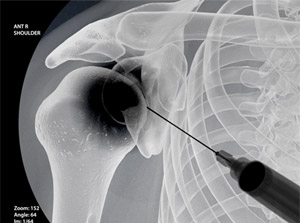
This outpatient injection procedure relieves pain in the shoulder and arm caused by arthritis, injury or disorder.
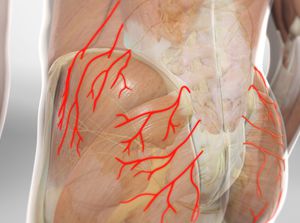
This injection treats painful nerves in the lower back and upper buttocks. We call these the “cluneal” nerves. The injection will show us if these nerves are the source of your pain. And if they are, the block will give you relief.
This procedure is an injection that numbs branches of nerves in your lower back. It helps doctors find and treat a number of problems linked to these nerves. Usually, a series of injections is needed to treat a problem.
Surgical Procedures
Head, Neck, Spine and Ribs
Motion Preservation Procedures
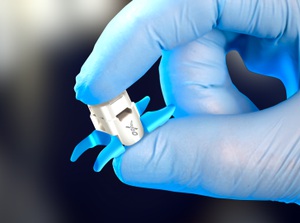
This is an implant that lifts and separates your vertebrae. It’s used to treat lumbar spinal stenosis. That’s a narrowing of the space around your spinal nerves in your lower back. The Superion implant makes more room for these nerves, relieving painful compression.
Pain Relief and Vertebral Repair Procedures
Spinal cord stimulation (also called SCS) uses electrical impulses to relieve chronic pain of the back, arms and legs. It is believed that electrical pulses prevent pain signals from being received by the brain. SCS candidates include people who suffer from neuropathic pain and for whom conservative treatments have failed.
Conditions
Head, Neck, Spine and Ribs
Between the vertebrae of your spine are soft discs. They let your spine twist and bend. They absorb shocks. But if damaged, the disc’s soft center can push through the disc wall. That’s a herniated disc. This bulge presses against nerves in your spine.
The spinal column is the body’s main support structure. Its thirty-three bones, called vertebrae, are divided into five regions: cervical, thoracic, lumbar, sacral and coccygeal.
Care and Management
Minimally Invasive Surgeries
Spinal cord stimulation (also called SCS) uses electrical impulses to relieve chronic pain of the back, arms and legs. It is believed that electrical pulses prevent pain signals from being received by the brain. SCS candidates include people who suffer from neuropathic pain and for whom conservative treatments have failed.
Non-Surgical and Rehabilitation Techniques
Epidural Injections
This outpatient procedure is an injection of a steroid-anesthetic medication through an opening in the sacrum. The medication can reduce swelling and inflammation of irritated spinal nerves. The injection takes only a few minutes to complete.
This injection procedure is performed to relieve neck, shoulder and arm pain related to compression of a nerve root in the cervical spine. Conditions such as herniated discs and spinal stenosis can compress nerves, causing inflammation and pain. The medication injected helps decrease the swelling of nerves.
This injection treats the pain of an inflamed nerve in your cervical spine. It relieves nerve swelling. If you have a herniated disc, spinal stenosis or some other problem that’s pressing on a nerve, it may help you.
This injection procedure is performed to relieve low back and radiating leg pain. Steroid medication can reduce the swelling and inflammation caused by spinal conditions.
This outpatient procedure is an injection of a steroid-anesthetic medication. The medication can reduce swelling and inflammation of irritated spinal nerves. This procedure is performed to relieve pain in the lower back and pain that radiates from the back to the legs. The injection takes only a few minutes to complete.
This injection treats painful nerves in the lower back and upper buttocks. We call these the “cluneal” nerves. The injection will show us if these nerves are the source of your pain. And if they are, the block will give you relief.
This procedure is an injection that numbs branches of nerves in your lower back. It helps doctors find and treat a number of problems linked to these nerves. Usually, a series of injections is needed to treat a problem.
The facet joints, found on both sides of the back of the spine, can become painfully irritated or inflamed. A facet joint injection may help diagnose the source of a patient’s pain. It can also relieve pain and inflammation.
This outpatient injection procedure relieves pain in the shoulder and arm caused by arthritis, injury or disorder.
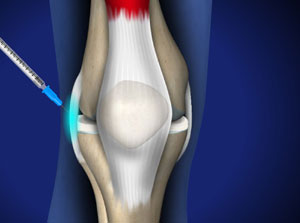
This non-surgical procedure relieves chronic knee pain with an injection that promotes the natural healing of damaged joints and soft tissues.
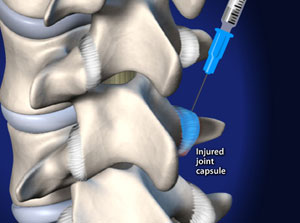
This non-surgical procedure relieves chronic lower back pain with an injection that promotes the natural healing of damaged joints and soft tissues of the spine.

If you have shoulder pain, platelet rich plasma therapy may help. It uses parts of your own blood to help your body heal itself. PRP can help your shoulder feel better and work better.

Spinal discs allow your spine to bend and twist. These flexible shock absorbers can be damaged by injury, disease, or the added stress that can result from a spinal fusion. But stem cell therapy may help. It uses parts of your own blood to help repair disc damage. It can slow disc degeneration. It may help you avoid surgery.
Prevention, Recovery and Daily Living
If you have trigeminal neuralgia, you know how distressing it can be. You feel drained and hopeless. You live in fear of the next attack. But the good news is that some attacks are caused by specific triggers. Avoid those triggers and you may have fewer attacks. Here are some triggers we know about.
Conditions
Head, Neck, and Spine
Between the vertebrae of your spine are soft discs. They let your spine twist and bend. They absorb shocks. But if damaged, the disc’s soft center can push through the disc wall. That’s a herniated disc. This bulge presses against nerves in your spine.
The spinal column is the body’s main support structure. Its thirty-three bones, called vertebrae, are divided into five regions: cervical, thoracic, lumbar, sacral and coccygeal.

If you live with pain that won’t go away, you know how frustrating it can be. Interventional pain management is a branch of medical care that can help. Specialists in this field find the cause of your pain. They treat it at its source. This can give you a better quality of life.
Head, Neck and Spine
Conditions
The spinal column is the body’s main support structure. Its thirty-three bones, called vertebrae, are divided into five regions: cervical, thoracic, lumbar, sacral and coccygeal.
Between the vertebrae of your spine are soft discs. They let your spine twist and bend. They absorb shocks. But if damaged, the disc’s soft center can push through the disc wall. That’s a herniated disc. This bulge presses against nerves in your spine.