Finding the best vein clinic in Bethlehem, PA, that patients can trust takes more than a quick Google search. Because vein conditions can affect your comfort, mobility, and long-term leg health, the provider you choose needs to be properly qualified, experienced in vascular care, and committed to accurate diagnosis before recommending any treatment.
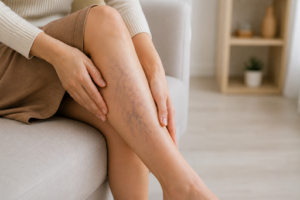
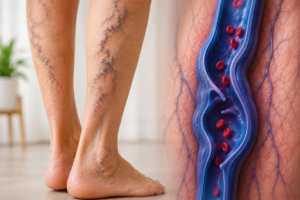
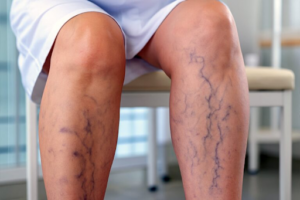
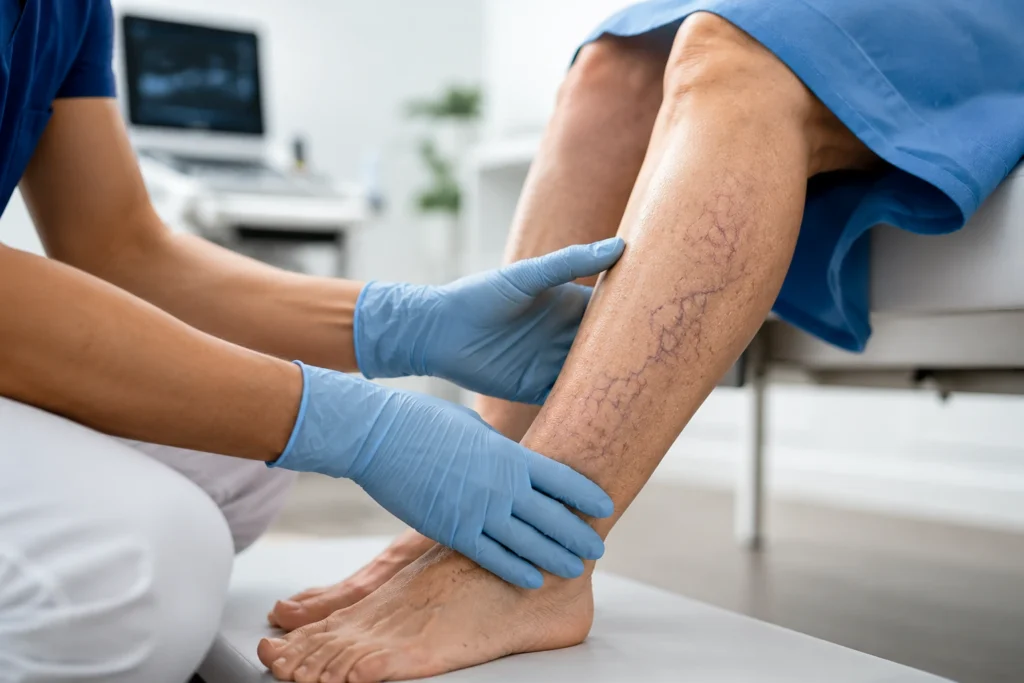
Most patients start looking because of visible varicose veins or spider veins, but many also experience leg swelling, heaviness, cramping, or skin changes around the ankles. These symptoms can be purely cosmetic, or they can indicate venous insufficiency, a condition where the leg veins struggle to return blood efficiently to the heart.
For patients in Bethlehem, PA, and the surrounding Lehigh Valley area, the right vein provider should combine medical expertise, modern technology, patient safety, and clear communication. Here is exactly what to look for before booking your first appointment.
What Qualifies as the Best Vein Clinic in Bethlehem, PA?
The best vein clinic is not always the one with the biggest advertisement or the lowest promotional price. A strong clinic provides a thorough medical evaluation, explains your diagnosis clearly, and recommends treatment based on your symptoms, ultrasound findings, and overall health not a one-size-fits-all protocol.
A high-quality vein clinic should offer:
- A detailed initial consultation no rushing
- Diagnostic ultrasound when medically appropriate
- A licensed and experienced vein specialist
- Clear explanation of all treatment options and their risks
- Modern, minimally invasive care
- Transparent pricing and insurance guidance before treatment begins
- Genuine patient reviews across multiple platforms
- Structured follow-up care after every procedure
The clinic should treat vein disease as a medical condition, not just a cosmetic concern. Swollen legs, visible varicose veins, skin discoloration, and leg ulcers all warrant a thorough medical assessment. A good clinic will also consider your daily lifestyle. Patients in Bethlehem and nearby communities like Allentown, Easton, and Hellertown often spend long hours on their feet, which can directly affect both symptoms and treatment planning.
Credentials and Qualifications to Look For
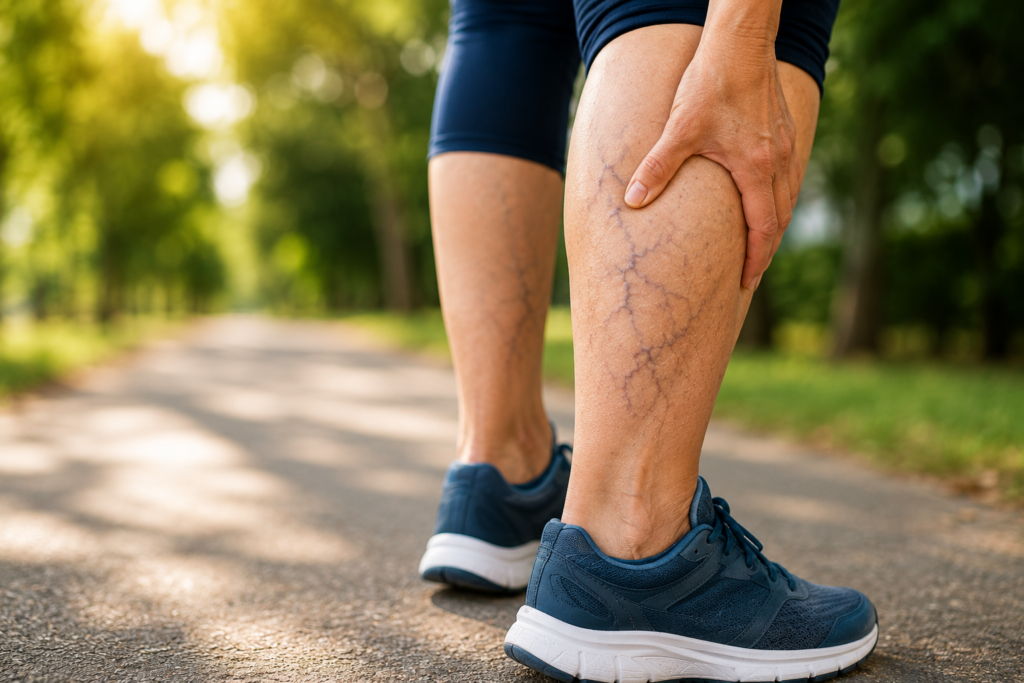
When choosing a vein clinic, a provider’s credentials are one of the most important factors to evaluate. Because vein treatment directly affects the circulatory system, patients should seek a doctor with formal specialist training, not just general medical experience.
Key credentials to look for include:
- Board certification in a relevant specialty such as vascular medicine, interventional radiology, or phlebology
- Formal training and clinical experience in treating venous insufficiency, varicose veins, and spider veins
- Routine use of Venous Duplex Ultrasound as a standard diagnostic tool not an afterthought
- Knowledge of both medically necessary and cosmetic vein concerns
- A documented safety record with no repeated pattern of patient complaints
Board certification indicates the doctor has completed a formal residency or fellowship and met the standards of their specialty it is a meaningful baseline of trust, though not the only factor to weigh. Equally important is how the provider communicates: the right specialist will explain your diagnosis clearly, distinguish between cosmetic and medical concerns, and give you time to ask questions before any treatment is recommended.
Patients searching for the best vein specialist in Bethlehem should also look for a provider who does not rush the consultation. The right specialist will explain what is happening in your veins, why symptoms are occurring, and whether treatment is medically necessary, optional, or cosmetic before recommending any procedure.
Types of Vein Treatments Offered
A reputable clinic should offer multiple treatment options rather than applying the same procedure to every patient. Vein disease varies considerably, from small surface spider veins to larger varicose veins caused by deep valve failure. The right treatment depends entirely on diagnosis, ultrasound findings, symptom severity, and patient goals.
Compression Therapy
Medical-grade compression stockings help improve circulation, reduce fluid buildup, and relieve symptoms. They are used before and after procedures and as part of conservative care. The Mayo Clinic notes that exercises, leg elevation, compression stockings, and targeted vein closure are all recognized treatment approaches for varicose veins.
Sclerotherapy
Sclerotherapy treats spider veins and some smaller varicose veins through direct injection of a solution that collapses and fades the vessel over time. It is the most widely used treatment for cosmetic spider veins and is also used medically in appropriate cases.
Endovenous Laser Ablation or Radiofrequency Ablation
These minimally invasive vein procedures use controlled heat energy to close problem veins from the inside. Both are performed in-office under local anesthesia. The Society for Vascular Surgery confirms that these catheter-based techniques can be performed safely in a specialist’s office with minimal disruption to daily activity.
VenaSeal or Medical Adhesive Closure
Some clinics offer non-thermal closure using a medical-grade adhesive to seal the affected vein. This technique avoids the need for tumescent anesthesia in many cases and may suit patients who are sensitive to heat-based procedures.
Ambulatory Phlebectomy
This procedure removes larger, visibly bulging surface varicose veins through tiny skin punctures that require no stitches and leave no visible scarring. It is often performed alongside ablation to comprehensively address both deep and surface vein issues in a single session.
The right vein treatment Bethlehem, PA patients receive should always depend on their specific diagnosis, ultrasound findings, symptoms, medical history, and personal goals not on what is easiest or most profitable for the clinic.
Technology and Techniques Used
Modern vein care has moved significantly away from older, more invasive surgical approaches. The American Vein and Lymphatic Society confirms that high ligation and surgical stripping have largely been replaced by outpatient, office-based endovascular techniques that deliver effective results with far less recovery time.
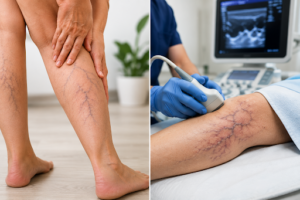
When evaluating a clinic, ask specifically what technology they use for diagnosis and treatment. A quality vein clinic should routinely perform a duplex ultrasound to confirm whether blood is flowing correctly through the veins and to detect any venous reflux before treatment begins.
Key technology and technique considerations include:
On-site or coordinated vascular duplex ultrasound
- Ultrasound-guided procedures for precision and safety
- Sterile, clinical procedure environment
- Local anesthesia options for patient comfort
- Minimally invasive treatment methods across all major vein conditions
- Clear written post-procedure instructions
- Follow-up ultrasound when clinically appropriate
Advanced technology supports better diagnosis and safer care but it is not a substitute for physician training, clinical judgment, and genuine patient communication. Both matter equally.
Patient Reviews and Testimonials
Patient reviews can help you identify a reputable clinic but star ratings alone are not enough. Focus on what patients actually describe about their experience, particularly for conditions similar to yours.
Look for reviews that specifically mention:
- Similar conditions varicose veins, spider veins, leg swelling, or venous insufficiency
- Clear diagnosis and explanation of treatment options
- A physician who listened and communicated well
- Feeling genuinely involved in the treatment decision
- Meaningful, long-term symptom improvement after treatment
- Organized and supportive follow-up care
Be cautious if reviews repeatedly mention rushed appointments, confusing billing, symptoms returning quickly after treatment, or pressure to start treatment on the same day as the consultation. These patterns are worth taking seriously.
For a vein doctor near me, search in Bethlehem, PA, platforms like Google Reviews and Healthgrades provide the most useful patient feedback. Use reviews as one meaningful input alongside credentials, safety standards, and your direct consultation experience
Concerned About Your Vein Symptoms?
If you are experiencing leg swelling, visible varicose veins, heaviness, cramping, or discomfort, an early evaluation can help identify whether an underlying circulation problem is present. The specialists at MVM Health provide personalized vein assessments and minimally invasive treatment options designed around your specific symptoms and goals. Schedule a consultation today to learn more about your vein health and available treatment options.
Consultation Process and Communication
Your first consultation reveals a great deal about how the clinic approaches patient care. A strong vein clinic will not recommend a procedure before fully understanding your symptoms, medical history, and lifestyle.
During your consultation, the provider should ask about:
- Leg pain, heaviness, swelling, or cramping
- Visible varicose or spider veins
- Skin discoloration or slow-healing sores near the ankle
- Previous blood clots or vein procedures
- Pregnancy history
- Family history of vein disease
- Occupation and daily standing or sitting time
- Current medications and underlying medical conditions
The doctor should also clearly distinguish whether your symptoms are cosmetic, medical, or both. Spider veins may be purely cosmetic, while aching, swelling, heaviness, and skin changes often indicate venous insufficiency requiring medical evaluation.
Good communication matters most for patients who are anxious about procedures. The provider should explain what to expect before, during, and after treatment, including any discomfort, recovery time, activity restrictions, and follow-up requirements, so you feel fully informed at every stage.
Pricing and Insurance Considerations
Vein care can involve both medical and cosmetic services, so pricing and insurance coverage vary by procedure and insurer. Understanding this upfront prevents financial surprises later.
In general:
- Medically necessary varicose vein treatment may be covered when symptoms and ultrasound findings meet the policy criteria
- Cosmetic spider vein removal is typically not covered by insurance
- Insurers may require ultrasound documentation, symptom records, and sometimes a trial of conservative treatment before approving procedures
- Deductibles, co-pays, and coinsurance may still apply even for covered procedures
Before starting any treatment, ask the clinic:
- Do you accept my insurance plan?
- Will you verify my benefits before treatment begins?
- Is this procedure considered medically necessary or cosmetic under my plan?
- What out-of-pocket costs should I realistically expect?
- Are follow-up visits included in the treatment cost?
- Will I need multiple sessions, and how is that priced?
A trustworthy clinic provides clear financial guidance before treatment begins never after. Be cautious of any clinic that avoids discussing cost, rushes you toward same-day payment, or cannot clearly explain the billing process.
Red Flags to Avoid
Not every vein clinic delivers the same standard of care. Watch for these warning signs during your research and initial consultation:
- No diagnostic ultrasound offered or performed before recommending treatment
- A recommended procedure before your symptoms have even been properly evaluated
- Inability to clearly explain your diagnosis in plain language
- High-pressure sales tactics or urgency to commit to treatment the same day
- Unrealistic guarantees about results
- An exclusively cosmetic focus with no discussion of underlying vein health
- No discussion of procedure risks, alternatives, or what happens if you wait
- Repeated patient complaints about poor communication or billing confusion
- Pricing that is deliberately vague or revealed only after you commit
- No qualified medical oversight of procedures performed
Vein treatment should always be personalized. A clinic that recommends the same procedure for every patient regardless of their diagnosis is not practising to an appropriate clinical standard. Also be cautious of ‘quick fix’ messaging, while many modern vein procedures are minimally invasive with fast return-to-activity times, results, and individual recovery always vary. Honest communication about this is a mark of a trustworthy provider.
Vein Health Tips — Before and After Treatment
Effective vein care does not end with the procedure. Daily habits play a meaningful role in supporting long-term leg vein health and maintaining the results of any treatment.
Practical vein health tips recommended by our specialists:
- Walk regularly — even 20–30 minutes daily significantly supports calf muscle circulation
- Avoid prolonged sitting or standing without movement breaks
- Elevate your legs above heart level when resting at home
- Wear compression stockings if your specialist recommends them
- Maintain a healthy body weight to reduce mechanical load on leg veins
- Stay well hydrated throughout the day
- Avoid crossing your legs for extended periods
- Follow all post-procedure instructions carefully and completely
- Attend every scheduled follow-up visit — do not skip them
These measures will not cure venous insufficiency on their own, but they meaningfully reduce symptoms and support better circulation over the long term. As the Cleveland Clinic explains, chronic venous insufficiency develops when leg vein valves fail to function properly — causing blood to pool and produce swelling, pressure, and skin changes. Lifestyle support is an important complement to any clinical treatment.
Conclusion: How to Choose the Right Vein Clinic in Bethlehem, PA
Choosing a vein clinic is a meaningful healthcare decision — one that affects your long-term leg health and quality of life. The right provider should bring together genuine medical expertise, modern diagnostic technology, strong patient communication, and a consistently patient-first approach.
Before choosing a clinic in the Bethlehem, PA area, take time to:
- Verify the physician’s credentials and specialty training
- Read patient reviews carefully look beyond star ratings
- Confirm that diagnostic ultrasound is part of the process
- Understand all available treatment options before committing
- Get clear answers on insurance coverage and out-of-pocket costs
- Assess whether the communication style makes you feel heard
- Walk away from any clinic using high-pressure sales tactics
Whether you are exploring varicose vein treatment options, spider vein removal, or venous insufficiency treatment, the best clinic is one that explains your condition clearly, personalizes your care plan, and treats you as a whole person rather than a list of symptoms. A confident decision starts with asking the right questions and choosing a provider who answers them thoroughly and honestly.
FAQ’s
What are the most common vein conditions treated?
Common vein conditions include varicose veins, spider veins, chronic venous insufficiency, leg swelling related to vein problems, venous reflux, and skin changes caused by poor circulation. Some patients seek care because of visible veins, while others have symptoms like aching, heaviness, burning, itching, cramping, or swelling.
A vein specialist can help determine whether the issue is cosmetic, medical, or both.
How do I know if I need to see a vein specialist?
You may want to see a vein specialist if you have:
- Bulging varicose veins
- Leg swelling
- Aching or heaviness in the legs
- Burning, itching, or throbbing around the veins
- Night cramps
- Skin discoloration near the ankles
- Restless or tired legs
- A sore or wound that is slow to heal
Worsening of symptoms with standing and relief with leg elevation may indicate vascular disease as well. An expert can assess your signs and ascertain if ultrasonography testing is suitable.
Varicose veins and spider veins: what is the difference?
Spider veins: You can spot small, thin red, blue, or purple veins close to the skin. The procedures are mostly aesthetic, although they can sometimes cause a mild burning sensation or discomfort.
These are enlarged, swollen, or raised veins called varicose veins. They are more prone to aches, heaviness, swelling, and soreness. Underlying venous insufficiency may also be associated with varicose veins.
Both conditions are treatable, though by different means.
Are vein treatments covered by insurance?
It may be covered by insurance if it is determined to be medically necessary, but some vein treatments are deemed only cosmetic. This is usually determined by symptoms, ultrasound findings, and insurer policy guidelines.
For example, varicose veins secondary to venous reflux documented to be painful would be covered if sufficient documentation is provided for medical necessity. Spider vein removal for cosmetic purposes is generally not covered.
Prior to beginning the treatment, patients are encouraged to have the clinic verify their benefits and discuss expected costs.
What is the recovery time after vein treatment?
How long it takes to recover depends on the type of surgery, how many veins were treated, and the patient’s overall health. It is common for many modern vein treatments to be an outpatient procedure, with a patient being encouraged to walk shortly after the treatment.
Some people will resume normal daily activities more quickly, whilst others may need to refrain from strenuous exercise for a little longer. Compression stockings may be recommended after some treatments.
What should I ask during my initial consult
Good questions include:
- What is causing my symptoms?
- Do I need an ultrasound?
- Want to know if your vein problems are cosmetic, medical, or both?
- What are my treatment options?
- What are the risks and rewards?
- How many sessions will I need?
- How long should it take to recover?
- Will insurance cover my treatment?
- What If I Wait To Get Treated?
The right clinic will be able to answer these questions easily and without prompting you for your budget.
Is vein treatment painful?
Most non-invasive vein treatments are meant to make the procedure much more comfortable compared to even older surgeries. You might feel some pressure, anesthesia, or tenderness afterwards. But the pain will vary by person and procedure.
Before and after treatment, your provider should explain how the procedure is done as well as both the type of anesthesia used and how pain will be treated.