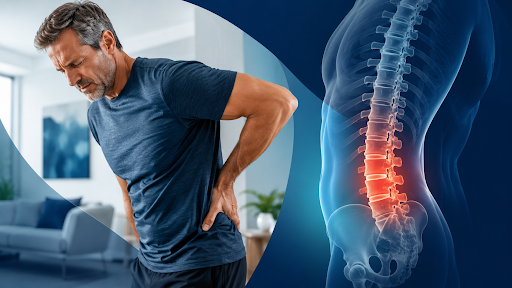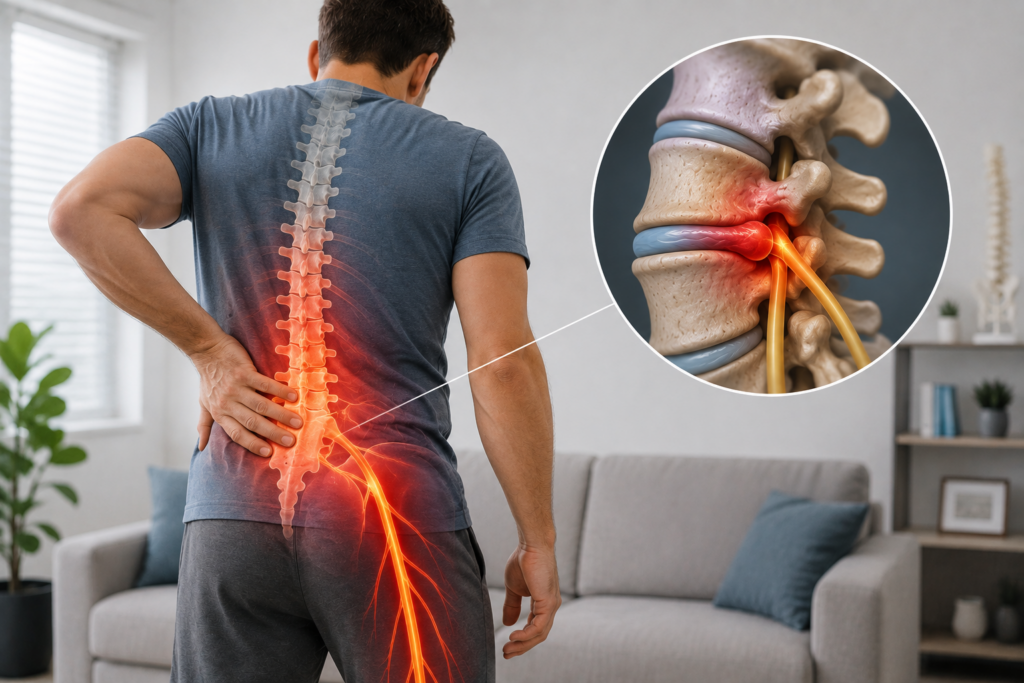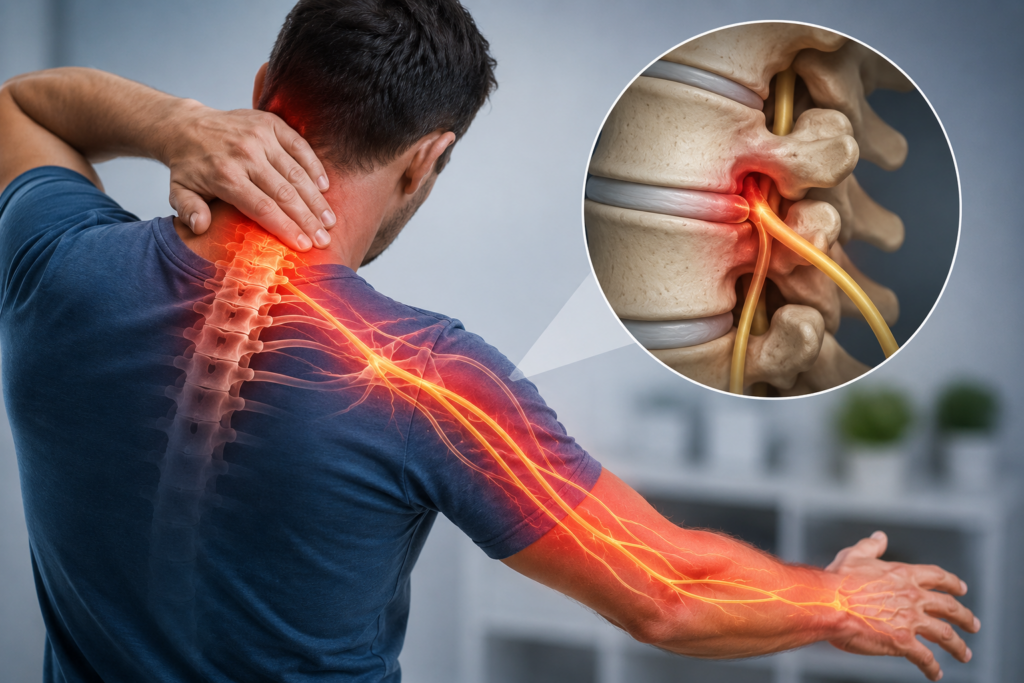


For an individual, chronic pain can control his life, reshape his days, change his plans, alter routines, and quietly realign the priorities. If you too, are living with persistent and constant aches, that could be low back stiffness or quads of soreness or frozen shoulder or stiff neck that won’t ease; it can make you feel like resting is the only option. Surprisingly not, the truth is that the right type of movements and posture alignment done consistently and safely are one of the best methods for chronic pain relief.
The blog below will explain how exercise works, why it is considered a natural chronic pain relief method, how to begin an exercise regime, and what type of exercises can help. Before all these pointers it is highly significant for a patient to understand when to consult for example a neck pain consultant or pain management services in East Stroudsburg for specialized care.
Why movement helps: the science made simple
Exercise reduces pain through several overlapping mechanisms. It strengthens the muscles that support sore joints, improves flexibility and circulation, and reduces stiffness that amplifies pain signals. Regular activity also alters how the nervous system processes pain; exercise triggers the release of endorphins and other chemicals that dampen pain perception and improve mood. Beyond physical changes, moving more helps break the cycle of fear and avoidance that often makes chronic pain worse: when people gently reintroduce activity and see they can move without catastrophic outcomes, confidence and function improve. These effects are supported by multiple reviews of the research showing that exercise is beneficial for a wide range of chronic musculoskeletal conditions.
How much is enough? Practical targets grounded in guidelines
Public health guidance gives us an evidence-based target that also applies to people managing chronic conditions: aim for at least 150 minutes of moderate intensity aerobic activity per week (or an equivalent mix of moderate and vigorous activity), plus regular strength and flexibility work. These targets are flexible, short sessions spread across the week add up and can be adapted if you are starting from a low baseline or recovering from flare ups. The WHO’s physical activity recommendations and subsequent reviews emphasize both the health benefits and the need to tailor activity for people with chronic conditions.
Looking for Natural Chronic Pain Relief?
The right exercise plan can reduce pain and improve mobility. Our specialists guide you toward safe and effective long-term relief.
Schedule Appointment or call (610) 936-8214
What types of exercise help most
Different problems respond to different approaches, and most effective programs combine multiple elements. Low impact aerobic activity such as walking, cycling, or water exercise increases blood flow and reduces stiffness; strength training builds supportive muscle around painful joints; and mobility and neck-specific exercises improve range of motion and help retrain posture. Mind body approaches like yoga, Pilates, and mindful walking often help because they merge movement with breathing and stress reduction, all useful for chronic pain. Systematic reviews and clinical guidelines consistently recommend exercise therapy as a frontline treatment for chronic musculoskeletal pain, and in particular for persistent neck pain.
A realistic 4-week starter plan (gentle, adaptable)
Start small and build gradually. The following is an example for someone currently sedentary or worried about flares. If you have a specific diagnosis or red-flag symptoms (numbness, progressive weakness, unexplained weight loss, or severe nighttime pain), check with a clinician before beginning.
Week 1: Short, frequent walks. Aim for three 10-to-15-minute walks spread throughout the day (total 30 to 45 minutes). After each walk, do two simple mobility moves: gentle neck circles (pain-free range) and shoulder rolls.
Week 2: Increase walk time to two 20-minute sessions and add one 10-minute bodyweight strength session (sit to stands, wall push-ups, or hip bridges, 1 to 2 sets of 8 to 12 reps each).
Week 3: Maintain 40 to 60 minutes of mixed aerobic movement per week and add two short strength sessions (2 sets). Start a 5-to-10-minute daily core routine (pelvic tilts, bird-dog, dead-bug, pain-free range).
Week 4: Aim to reach 75 to 100 minutes of moderate activity for the week and two strength sessions. Add a 10-to-15-minute flexibility or mindful yoga routine twice per week.
This plan is intentionally conservative; the goal is steady gains and increased confidence rather than dramatic progress. If a specific area (for example, neck pain) is your main concern, neck specific exercise programs prescribed by a Neck Pain Consultant or physiotherapist are often more effective than general advice.
Neck pain? Why a Neck Pain Consultant matters
Neck pain is very common, and it can be stubborn. Research suggests exercise therapy tailored to neck issues tends to produce better outcomes than generic programs. A Neck Pain Consultant or specialized physiotherapist can assess movement patterns, pinpoint which muscles are underactive or overactive, and prescribe targeted exercises (including motor control and strengthening work) to reduce pain and improve posture. If your pain originates from the neck and limits daily life, seeking specialist input from local Pain Management Services or a Neck Pain Consultant in East Stroudsburg can speed up recovery and reduce the risk of ongoing disability.
Common Obstacles faced by people and ways to tackle them
A person with chronic pain will always worry that any movement will aggravate his pain. This fear is one of the biggest barriers in the journey towards chronic pain relief. A health care provider shall guide the person to initiate an exercise plan with tiny, small pain-free movements. The basic focus shall be on consistency rather than Intensity.
Another barrier is fatigue and low mood. This problem can be solved by short bursts of activities, including the tasks a person enjoys like a walk with a friend, dance to favorite music or gentle swimming. If the access to the gym or healthcare specialist is restricted, then community programs, supervised group sessions or online classes that run by rehabilitation specialists can keep a person motivated and consistent to follow the exercise plan.
Recent evaluations of structured programs found substantial reductions in joint pain and fewer GP visits when participants had guided exercise plans. Evidence that supervised activity is both clinically effective and cost effective.
Lifestyle factors that boost exercise benefits
Exercise doesn’t work alone. Sleep quality, weight management, stress reduction, and nutrition all shape how your body interprets pain and recovers from activity. Mindfulness and cognitive strategies can reduce pain related to catastrophizing (the tendency to expect the worst), making it easier to stay active. When combined with exercise, these lifestyle adjustments compound the benefits and help create long term chronic pain relief.
When to seek professional Pain Management Services in East Stroudsburg
If pain is keeping you from working, sleeping, or caring for loved ones, it’s reasonable to consult local Pain Management Services. Seek help if you have repeated flare ups despite self-care, progressive neurological symptoms, or if you want a structured, individualized program. A multidisciplinary pain clinic or a Neck Pain Consultant in East Stroudsburg can offer assessment, imaging, if necessary, targeted exercise prescription, manual therapy, and coordination with other treatments (medication, injections, behavioral therapies) when appropriate. These services exist to personalize care, helping you move more safely and get back to meaningful activities.
Real life story: small steps, big wins
Consider someone who’s lived with chronic low back pain for years and had gradually reduced activity. They started with daily 10-minute walks, added two weekly strength sessions at home, and worked with a physiotherapist to learn core control exercises. Over three months they reported a measurable drop in pain intensity, fewer bad days, and regained confidence picking up grandchildren, a reminder that meaningful improvement often comes from consistent, modest change.
Safety first: how to know you are progressing, not hurting
A helpful guideline: mild soreness after a new exercise is common, but pain that progressively worsens over days, sharp shooting pain, new numbness, or functional decline means stop and seek professional advice. Progress slowly and track both activity and symptoms so you can adjust to intensity. If you have other health conditions (heart disease, uncontrolled diabetes, recent surgery), check with your doctor before starting an exercise program.
Setting it altogether: an ideal plan for your life
In order to make chronic pain relief last longer, we need to think strategically. Firstly, regular exercise and movements: it includes short walks, swimming or cycling, general stretching to increase the heart rate and reduce general body stiffness. This step will keep the body smooth and easy to go.
The second step is targeting strength and enhanced mobility: 2 short strength sessions of either neck or region-specific exercise to stabilize and retrain those regional muscles.
The third step is lifestyle modifications and good habits: it includes better sleep, stress management, and a balanced diet that reduces systemic drivers of pain.
For people living near East Stroudsburg and seeking guidance, they shall reach local pain management services and neck pain consultants who create an individual specific plan with supervised progress and connect you with community programs and exercise therapists.
Chronic Pain Management Through Movement and Expert Care
Chronic pain isn’t the definition of the rest of your life but just a problem that can be solved. movement and exercise done thoughtfully and regularly is a long-term solution and not a magic bullet. It is considered a powerful, accessible, and safe route towards chronic pain relief. Consistency towards the exercise regime and plan is the basic key to reaching the successful end of this journey.
Always start with baby steps, have some mercy and empathy for yourself and never hesitate to reach out to a healthcare provider like Neck Pain Consultant or pain management services in East Stroudsburg. He will provide you with personalized care or an upgraded plan. Small little steps will lead you to betterment.
For lasting chronic pain relief, think in three layers. First, regular movement: short walks, swimming, or cycling to raise heart rate and reduce stiffness. Second, targeted strength and mobility: two short strength sessions and neck or region-specific exercises to stabilize and retrain. Third, supportive lifestyle habits: sleep, stress management, and weight control that reduce systemic drivers of pain. If you live near East Stroudsburg and need guidance, local Pain Management Services and Neck Pain Consultants can create an individualized plan, supervise progress, and connect you with community programs and exercise therapists.
Final encouragement
Chronic pain doesn’t have to define the rest of your life. Movement, done thoughtfully and consistently, is not a magic bullet, but it is a remarkably powerful, accessible, and safe route to chronic pain relief for many people. Start small, be kind to yourself during setbacks, and don’t hesitate to reach out to a Neck Pain Consultant or Pain Management Services in East Stroudsburg when you need personalized care. Small, steady steps add up to real change.
Contact Us
Schedule your consultation today at appointment@mvmhealth.com
Schedule Appointment or call (610) 936-8214