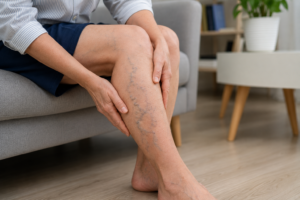

If your legs feel heavy, swollen, or unusually tired by the end of the day, you’re not alone and you’re probably not imagining it. A lot of people chalk these feelings up to aging, long shifts on their feet, or just a tough week. But when the pattern keeps repeating, day after day, your legs may actually be sending you an early warning about vein disease. Catching that signal sooner rather than later can make a real difference in your comfort now and your vein health long-term.
At MVM Health, patients frequently tell us some version of the same thing: “I had no idea my leg pain was related to my veins.” That reaction is more common than most people realize and it’s exactly why this conversation matters. Whether you’re in Bethlehem, Stroudsburg, or looking for leg vein treatment in King of Prussia, understanding what these symptoms mean is the first step toward real relief.
How Healthy Veins Are Supposed to Work
Your leg veins have a demanding job. They carry blood upward from your feet back to your heart against gravity, all day long. To make that work, they rely on a series of small one-way valves that open to let blood through and then snap shut to stop it sliding back down.
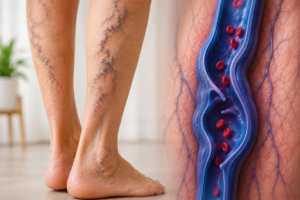
When those valves are healthy, circulation is efficient and largely invisible. When they weaken or get damaged, blood starts drifting backward. It pools. Pressure builds inside the vein walls. Over time, that pressure is what causes the symptoms people feel in their legs and what produces the visible changes that eventually push people to seek care.
The medical name for this process is chronic venous insufficiency (CVI). It’s one of the most frequently seen conditions at any dedicated vein treatment center, and it’s more common than most people expect, affecting somewhere between 10 and 35 percent of adults in the United States.
Why Your Legs Feel Heavy
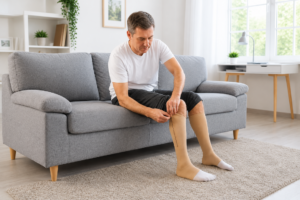
That familiar aching weight in your legs, especially as the afternoon turns to evening, is usually one of the earliest signs that your venous circulation is struggling. Patients describe it in different ways: “like wearing lead boots” or “tired even when I’ve done nothing.” The sensation is real, and it has a physiological cause.
Vein-related leg heaviness tends to follow a recognizable pattern:
- Gets noticeably worse after prolonged standing or sitting in one position
- Improves sometimes significantly when you lie down and elevate your legs
- Returns the following day, often at the same time, and gradually worsens over weeks or months
That predictable rhythm is important. It distinguishes vein-related heaviness from ordinary muscle fatigue and it’s the pattern a vein specialist will ask about in your first consultation. If it sounds familiar, don’t push through it. Get it evaluated.
Swelling Isn’t Always “Normal”
Ankles that puff up occasionally after a long flight, a hot day, or an unusually active week are one thing. But swelling that shows up reliably, almost every afternoon, is something different. When veins can’t move blood efficiently, fluid leaks into the surrounding tissue and accumulates in the lower legs and ankles, where gravity pulls it.
Venous-related swelling has some telling characteristics:
- Tends to appear or worsen later in the day
- Improves overnight after lying down but returns the next afternoon
- Often comes with a sense of tightness, pressure, or soreness in the lower leg
- May cause sock lines to press deeply into the skin by evening
Left unaddressed, persistent venous swelling can lead to skin changes, discoloration, and eventually wounds near the ankle that are difficult to heal. A vein specialist in Stroudsburg or at any MVM Health location can determine through ultrasound imaging whether vein disease is driving the swelling or whether another cause needs to be ruled out.
Listen to What Your Legs Are Telling You
Leg heaviness, swelling, and fatigue are early warnings — not inevitable parts of aging. MVM Health offers thorough vein evaluations with same-week availability across King of Prussia, Bethlehem, Stroudsburg, and surrounding areas.
Constant Leg Fatigue Has a Cause
Most physical tiredness responds to rest. You sit down, you recover, you feel better. Vein-related leg fatigue is different; it doesn’t fully resolve with rest, and it doesn’t make sense relative to your activity level. Your legs feel exhausted on days when you’ve barely moved.
The underlying reason is straightforward: when blood pools in the lower limbs rather than circulating properly, leg muscles are working with less oxygen than they need. They feel weak, heavy, and persistently fatigued as a result. Many patients also notice restless legs at night a constant urge to move or reposition the legs that disrupts sleep. This, too, is often tied to poor venous circulation.
It’s this kind of symptom, persistent, unexplained, not improving with rest that sends people searching for answers and eventually brings them to a vein treatment center near me. If that’s where you are right now, you’re asking the right question.
Who Is Most at Risk?
Vein disease develops across a wide range of people, but certain factors consistently raise the risk. If several of these apply to you, a vein evaluation isn’t precautionary it’s practical.
- Family history: Varicose veins and venous insufficiency have a strong genetic component. One affected parent increases your risk. Two affected parents raises it substantially.
- Pregnancy and hormonal shifts: Progesterone relaxes vein walls, blood volume increases significantly, and the growing uterus compresses pelvic veins. Each pregnancy compounds the cumulative effect.
- Excess weight: Additional body weight increases abdominal pressure, which directly impairs blood return from the lower body.
- Prolonged sitting or standing: Desk workers, teachers, nurses, retail staff anyone in a job that keeps their legs static for hours at a time accumulates circulatory strain over years.
- Limited physical activity: The calf muscles act as a secondary pump for venous blood return. Inactivity reduces that pumping action and lets blood stagnate in the lower leg.
- Age: Vein walls and valves lose elasticity over time. CVI is significantly more prevalent in adults over 40, though it is by no means limited to that group.
If one or more of these risk factors apply and you’ve been noticing leg discomfort, a vein evaluation at MVM Health serving patients across Bethlehem, Stroudsburg, and the King of Prussia area can give you a clear answer based on imaging, not guesswork.
When Symptoms Become More Than Cosmetic
There’s a tendency to think of vein problems as cosmetic something you address if the appearance bothers you, not something that requires medical attention. That framing is misleading and, for some patients, genuinely harmful.
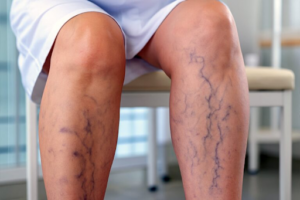
Pain that interrupts sleep. Swelling that makes walking uncomfortable. Skin near the ankle that’s itching, darkening, or breaking down. Cramping that wakes you at 2 a.m. These are not cosmetic issues. They are signs that venous disease is progressing and progression is exactly what early treatment is designed to prevent.
The clinical reality is straightforward: patients who come in early tend to have more treatment options available to them, shorter treatment courses, and better long-term outcomes. Patients who wait until symptoms are severe face more complex care. At MVM Health, our approach focuses on the underlying cause of your symptoms not a surface-level fix.
Important: Skin discoloration, thickening, or any wound near the ankle that isn’t healing are signs of advanced venous disease. These warrant prompt evaluation not a wait-and-see approach.
What a Vein Evaluation Is Really Like
For a lot of patients, the main thing holding them back is uncertainty, they don’t know what the appointment involves or whether it will be uncomfortable. The honest answer is that a vein evaluation is one of the more straightforward medical appointments you’ll have.
A standard visit at MVM Health includes three things:
- A detailed symptom conversation: What you’re experiencing, how long it’s been happening, whether it’s getting worse, what makes it better or worse. This history matters more than most patients expect.
- A physical examination: Looking at the visible signs in the legs skin changes, visible veins, swelling patterns.
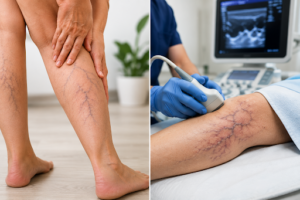
- uplex ultrasound imaging: A painless, non-invasive scan that maps your venous system in detail. It shows exactly where blood flow is compromised, where valves are failing, and whether reflux (backward blood flow) is occurring. This is the foundation of any accurate diagnosis.
Most appointments take under an hour. You leave with a clear picture of what’s happening in your veins and if treatment is warranted a specific plan, not a vague recommendation to “keep an eye on it.”
Modern Treatments Are Easier Than You Think
The image most people carry of vein treatment surgical stripping, general anesthesia, weeks of recovery is decades out of date. What’s standard today is a completely different experience: minimally invasive, office-based, and in most cases requiring little to no downtime.
Depending on your specific situation, treatment options at MVM Health may include:
- Endovenous laser or radiofrequency ablation: A thin fiber is guided into the diseased vein under ultrasound guidance, and controlled energy closes it permanently. Most patients walk out of the office the same day.
- Sclerotherapy: A solution injected into spider veins or smaller varicosities causes them to collapse and fade over several weeks. A common choice for Vein Treatment in Bethlehem patients managing surface veins.
- VenaSeal: Medical adhesive seals the vein without heat or multiple needle passes — a good option for patients who prefer to avoid compression requirements post-treatment.
- Lifestyle and compression guidance: Not a standalone fix for significant disease, but an important part of symptom management and post-procedure recovery.
Many patients tell us the same thing after their first treatment: they wish they’d come in sooner. The procedure itself is far less involved than they expected. The relief is more noticeable than they anticipated.
Why Choosing the Right Vein Treatment Center Matters
Not every clinic that treats veins is a vein clinic. There’s a meaningful difference between a general practice that occasionally handles vein complaints and a dedicated vein center where this is the entire focus.
A specialized center brings calibrated imaging equipment, vein-specific diagnostic experience, and a team that has seen enough cases to recognize patterns that generalists miss. For patients in the region whether searching for a vein specialist in Stroudsburg, Vein Treatment in Bethlehem, or leg vein treatment in King of Prussia that distinction matters when it comes to getting an accurate diagnosis and a treatment plan that actually addresses the root problem.
At MVM Health, vein care isn’t one service among many. It’s the practice. Every provider, every piece of equipment, every appointment protocol is oriented around one thing: understanding your venous system well enough to treat it right.
Frequently Asked Questions
Is leg heaviness always related to veins?
Not always but it’s one of the most common causes, especially when the heaviness follows a predictable pattern (worse later in the day, better with elevation). Other causes like lymphatic issues or musculoskeletal problems can produce similar sensations, which is why an ultrasound evaluation is the only reliable way to know what’s actually driving your symptoms.
Can vein disease cause swelling without visible varicose veins?
Yes. The veins responsible for chronic venous insufficiency are often deep beneath the skin and completely invisible from the outside. Significant reflux and pressure buildup can exist with no surface signs at all. This is why a duplex ultrasound not just a visual examination is essential for accurate diagnosis.
How do I know if I need a vein specialist or just my regular doctor?
If your symptoms are mild and occasional, your GP is a reasonable starting point. But if you have persistent heaviness, daily swelling, restless legs at night, skin changes near the ankle, or visible varicose veins causing discomfort, those are reasons to see a dedicated vein specialist. MVM Health has vein-specific providers at locations serving King of Prussia, Bethlehem, and Stroudsburg.
What happens if I don’t treat vein disease?
Untreated venous insufficiency tends to progress. Mild heaviness becomes persistent swelling. Swelling leads to skin changes. In a subset of patients, venous ulcers develop near the ankle wounds that are slow to heal and prone to infection. The earlier vein disease is treated, the simpler and more effective the treatment typically is.