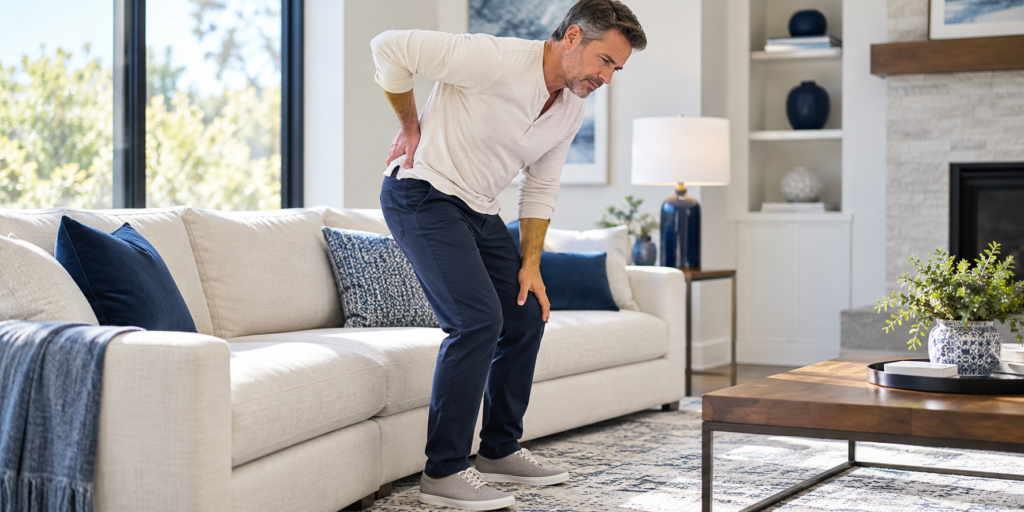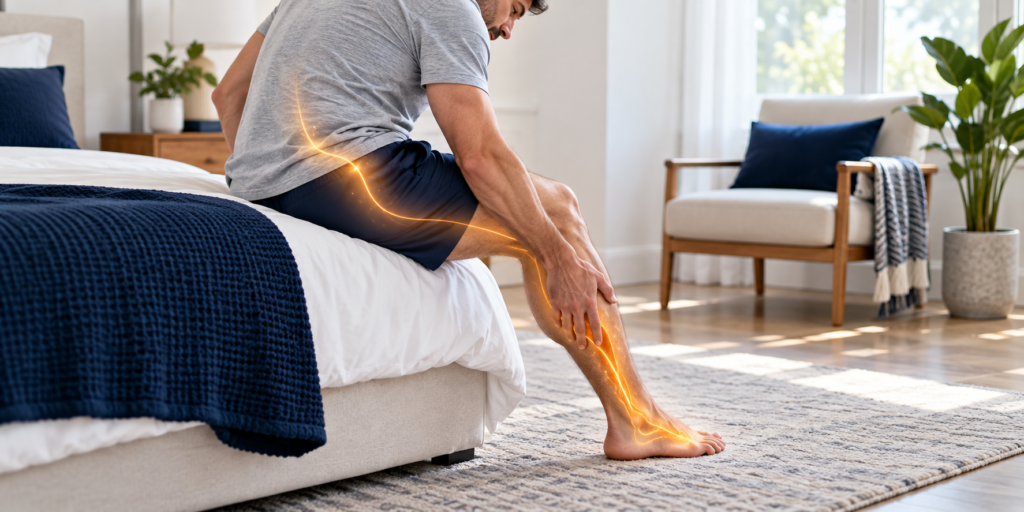

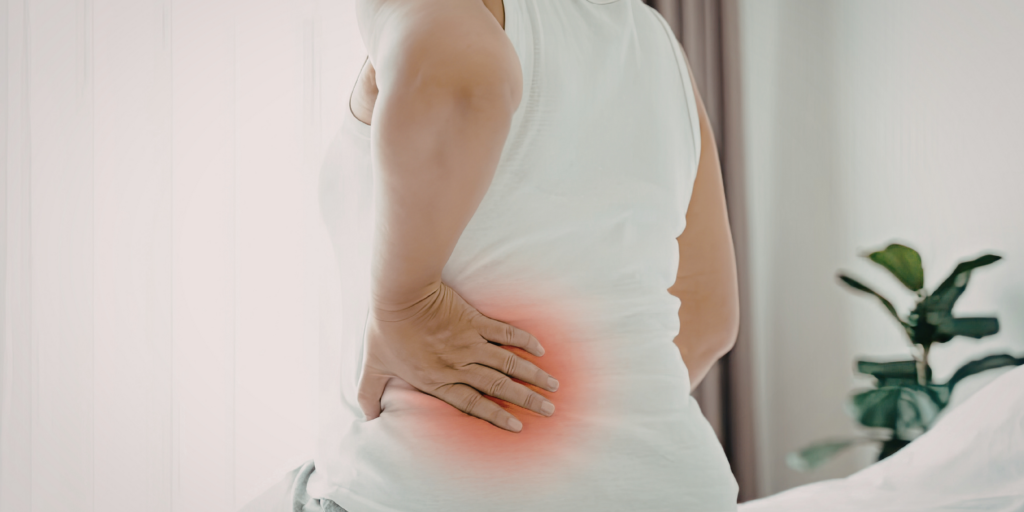
Nearly everyone at some point in life will have pain in their back, and this problem is the most commonly complained of symptom in the world! Actually studies show that up to 80 percent of adults in the U.S will at some point in their lives have a back pain issue. But all back pain isn’t quite the same; here we’ll discuss the two most frequently confused problems, Sciatica vs General Back Pain. The distinction between back pain and sciatica needs to be understood in order to get a diagnosis and treatment (especially when looking for the best sciatica treatment in Bethlehem, PA). Here we’ll cover everything that differentiates the two, from the cause, symptoms, and treatments.
What Is General Back Pain?
This is basically a backache anywhere in the spine, between the neck and the lower back. Most of this kind of backache is a result of muscle pull, poor posture or the way we live.
Common Causes for General Back Pain:
- Pull or sprain in a muscle or ligament
- Incorrect posture or sitting in the same position for a long time
- Lifting heavy objects or sudden twist
- Dislocated discs
- Spinal degeneration/arthritis.
If you wish to know more you can explore the different causes of back pain.
Symptoms of General Back Pain:
- A dull aching pain in the upper or lower part of the back.
- It has a stiff quality to it.
- The pain tends to become worse on movement.
- The pain would remain localized to one area of the back and would not radiate down the leg.
What Is Sciatica?
Remember, back pain and sciatica are not the same thing, they are two different conditions. The problem is with the sciatic nerve that runs from your back down to your hips and legs. For a better understanding, you can see: what is sciatica.
Common Causes of Sciatica:
- Herniated or slipped disc
- Spinal stenosis
- Degenerative disc disease
- Piriformis syndrome
- Injury or trauma
Symptoms of Sciatica:
- Sharp, shooting pain radiating down one leg
- Tingling or “pins and needles” sensation
- Numbness in the leg or foot
- Muscle weakness
- Pain that worsens when sitting
To understand symptoms in detail, refer to this resource on understanding sciatica causes and symptoms.
Sciatica vs General Back Pain: Key Differences
Understanding the distinction can help you seek the right sciatica treatment or general back pain care.
1. Location of Pain
- General Back Pain: The pain is often located in the lower back and will usually feel like a dull ache or stiffness. It is commonly associated with strained muscles, bad posture or overexertion.
- Sciatica: The pain will start in the lower back and then run down one leg and is usually of a sharp or burning nature, sometimes even shooting along the leg. It is generally caused by pressure or irritation to the nerve.
2. Type of Pain
- General Back Pain: Pain that will be constant and a dull ache in the lower back and often exacerbated by activity such as bending over, or prolonged sitting or strain. This type of pain is often linked to muscle tensions and posture problems.
- Sciatica: Burning pain often described as electrical or shot along the leg starting in the lower back. Usually associated with numbness, tingling or weakness.
3. Nerve Involved
- General Back Pain: Muscular and/or structural. The muscles, ligaments or joints will be affected rather than being direct nerve compression.
- Sciatica: The nerve that runs from the lower back down the leg has been compressed and this can cause symptoms of burning pain, tingling or numbness to run down the leg.
4. Effect of Movement
- General Back Pain: The pain is generally exacerbated by movement such as bending over, lifting and exertion, but should ease off when resting or through gentle stretching.
- Sciatica: The pain can be worsened through prolonged sitting or activities such as coughing and sneezing, and by placing pressure upon the affected nerve.
5. Accompanying Symptoms
- General Back Pain: Will include stiffness and soreness along the lower back along with a reduced range of motion of the lower back, muscles spasms may also be an accompaniment.
- Sciatica: Numbness, tingling and weakness that travels down the leg.
When Should You See a Specialist?
Although many people’s back pain does not last more than a couple of weeks it may be a sign that professional help should be sought if there is evidence of:
- Long-lasting pain lasting more than 2-3 weeks
- Severe or worsening pain
- Leg weakness and numbness
- Difficulty standing or walking
- Loss of bowel or bladder control (this indicates a medical emergency)
Getting expert sciatica treatment if experiencing any nerve- related symptoms will prevent long-term consequences.
You can also explore options for finding a sciatica specialist near you.
Treatment Options for Sciatica and General Back Pain
The majority of people have symptom relief with the following treatments.
Treatment depends on the root cause. Let’s break it down:
1. Preventive & Wellness Care
- Posture and ergonomics guidance for spinal support
- Core strengthening and flexibility exercises
- Lifestyle tips to prevent recurring back pain
- Safe movement and lifting education
- Low-impact wellness and mobility programs
2. Lifestyle Modifications
- Keep your sitting and standing position upright.
- Sit in a proper chair with lumber support so that it reduces the burden of the lower back.
- Have short breaks from sitting.
3. Physical Therapy
- Strengthen abdominal, pelvic and core muscles so as to stabilize the spine.
- Stretching of tight muscles and improving mobility.
- Everyday movements to ease out tightness.
4. Medications
- Nonprescription pain killers to reduce mild and moderate pain.
- Anti-inflammatory medication to help minimize swelling and decrease pain in the back during bouts of pain.
5. Heat and cold application
- Ice packs can be placed on the painful areas to reduce pain and inflammation.
- Heat may help muscles relax and increase circulation
For more information, you can learn about multiple back pain conditions and treatments.
Treatment for Sciatica
Sciatica often requires more targeted care:
1. Physical Therapy : Precise movements help to ease nerve pressure and increase the ease of flexibility.
2. Medicines : Pain and anti-inflammatory drugs help reduce inflammation and ease pain Muscle relaxants can ease muscle cramps and stiffness Medications that specifically treat pain originating from nerves Nerve pain drugs are designed to help ease burning, tingling, numbness and sharp pain in the nerves.
3. Epidural steroid injections help to decrease swelling.
4. Treatments: Advanced options Nerve-blocking procedures Minimize the effects of nerves Invasive or nerve decompression techniques
5. Lifestyle Changes
- Stay active with regular movement to prevent stiffness and improve flexibility
- Manage weight effectively to reduce pressure on the lower back and joints
For more insights, explore this guide on sciatica treatment and relief options.
Practical Tips to Prevent Back Pain and Sciatica
Prevention is better than cure. A few things that can be done:
- Have a healthy weight
- Exercise (especially your core muscles)
- Don’t sit for too long
- Lift properly (keep legs bent not back)
- Wear supportive footwear
- Do a daily stretch, if your job is quite static
Practical Example
Someone who works at a desk job for 8-10 hours per day will begin to experience general lower back pain if they have bad posture. Eventually, they could develop sciatica if a disc compresses, the pain travels down their leg.
This demonstrates the need for timely treatment for sciatica and receiving the correct sciatica treatment.
Why Proper Diagnosis Matters
Treating sciatica as back pain may delay correct treatment. Sciatica is a compressed nerve and therefore may need specific treatment. A diagnosis is usually made by the following:
- Physical assessment
- Medical history
- Imaging tests (if required, using MRI or CT scan)
An accurate diagnosis leads to quicker recovery and avoids potential complications.
Conclusion
Although they are both felt in the back, sciatica and general back pain are not the same. General back pain is more often muscular, and more specific to the area of injury.
Sciatica is caused when a nerve is pressed and it affects your extremities as the pain travels down your leg. This can assure you that you’re taking the right steps to fix your pain and if you have this pain you should know this.
Take the Next Step
If you’re looking for effective, personalized care, consider professional Sciatica Treatment in Bethlehem PA. Early treatment can significantly improve your quality of life and prevent long-term issues.