

Introduction
Sciatica is a common condition that affects millions of people worldwide. This article will delve into the causes, symptoms, and effective relief options for individuals dealing with sciatica. If you’ve ever experienced sharp, shooting pain that radiates down your leg, you may be familiar with this ailment. Let’s explore what sciatica is and how to manage its symptoms.
What is Sciatica?
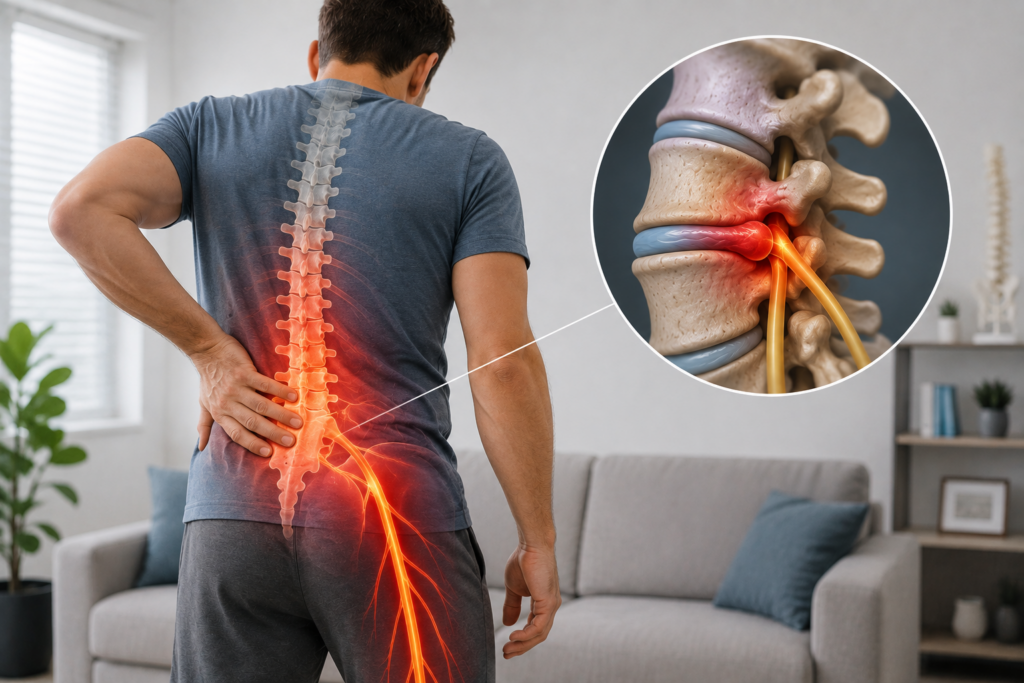
Sciatica refers to pain that originates in the lower back and travels down the leg. It typically occurs when the sciatic nerve, which is the longest nerve in the body, becomes compressed or irritated. This compression can result from various underlying conditions, leading to discomfort and pain.
The Anatomy of Sciatica
Understanding the anatomy of sciatica is essential to grasp the root causes of this condition. The sciatic nerve is formed by several nerve roots that exit the spine through the lower lumbar and sacral regions. When any of these nerve roots become pinched or irritated, it can trigger the characteristic pain associated with sciatica.
Common Causes of Sciatica
1. Herniated Discs
One of the primary causes of sciatica is a herniated disc. When a disc in the spine ruptures or bulges, it can press against the nerve roots, leading to pain, numbness, and tingling in the leg.
2. Spinal Stenosis
Spinal stenosis is the narrowing of the spinal canal, which can put pressure on the sciatic nerve. This condition often develops with age and can result in chronic pain.
3. Piriformis Syndrome
The piriformis muscle, located in the buttocks, can irritate the sciatic nerve if it spasms or tightens, causing sciatica-like symptoms.
Recognizing Symptoms
1. Sharp, Shooting Pain
The most common symptom of sciatica is a sharp, shooting pain that starts in the lower back and radiates down the leg. This pain can be severe and debilitating.
2. Numbness and Tingling
Patients with sciatica often experience numbness and tingling in the affected leg. This can make it challenging to walk or perform daily activities.
3. Muscle Weakness
In some cases, sciatica can lead to muscle weakness in the leg, making it difficult to lift the foot or walk properly.
Managing Sciatica
1. Conservative Treatments
Many cases of sciatica can be managed with conservative treatments. These include rest, physical therapy, and over-the-counter pain medications. Heat and ice therapy can also provide relief.
2. Epidural Steroid Injections
For more severe cases, epidural steroid injections can help reduce inflammation and alleviate pain. These injections are administered by a healthcare professional and can provide long-lasting relief.
3. Dorsal root ganglion (DRG) stimulation
Dorsal root ganglion (DRG) stimulation is a type of neurostimulation therapy that is used to treat chronic pain and has been extremely effective in treating Sciatica.
4. Surgery
Surgery is typically considered a last resort for sciatica. It may be necessary in cases of severe nerve compression or when conservative treatments are ineffective.
Living with Sciatica
Managing daily life with sciatica can be challenging, but with the right strategies, it is possible to lead a fulfilling life. Maintaining a healthy lifestyle, proper posture, and regular exercise can help alleviate symptoms.
Sciatica Prevention
While not always preventable, there are measures you can take to reduce your risk of developing sciatica. These include maintaining a healthy weight, practicing good posture, and exercising regularly.
Conclusion
Sciatica can be a debilitating condition, but with the right understanding and treatment, relief is possible. If you’re experiencing symptoms of sciatica, consult with a healthcare professional to determine the best course of action for your specific case. Remember that early intervention can lead to a quicker recovery.
In conclusion, understanding the causes, symptoms, and management options for sciatica is crucial for those dealing with this condition. By seeking appropriate treatment and making lifestyle adjustments, individuals can effectively manage sciatica and improve their quality of life.
FAQs
1. Can sciatica resolve on its own?
While some cases of sciatica may improve without treatment, it’s advisable to seek medical attention for a proper diagnosis and treatment plan.
2. How long does it take to recover from sciatica?
Recovery time varies from person to person, depending on the severity of the condition and the chosen treatment method. It can range from a few weeks to several months.
3. Are there any exercises that can help with sciatica?
Yes, specific exercises and stretches can help alleviate sciatica symptoms. A physical therapist can recommend a tailored exercise program.
4. Is surgery always necessary for sciatica?
No, surgery is typically considered only when conservative treatments fail to provide relief or when there is severe nerve compression.
5. Can sciatica be prevented?
While it may not always be preventable, maintaining a healthy weight, practicing good posture, and exercising regularly can reduce the risk of developing sciatica.