
Maintaining healthy veins is essential for overall cardiovascular health and quality of life. Veins play a crucial role in transporting deoxygenated blood back to the heart, and when they don’t function properly, it can lead to discomfort and serious health complications. This article discusses ways to improve vein health through lifestyle changes, particularly exercise, and explores various treatment options for common vein issues.
Understanding Vein Health
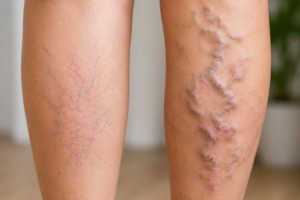
Healthy veins ensure effective blood circulation, which is vital for delivering nutrients and removing waste products from body tissues. However, veins can sometimes become weak or damaged, leading to conditions such as varicose veins, spider veins, and chronic venous insufficiency. Symptoms may include swelling, pain, cramping, or even skin ulcers.
Vein health issues often arise due to several risk factors, including genetics, age, prolonged sitting or standing, pregnancy, and obesity. Improving vein health is important not only for managing existing conditions but also for preventing further complications.
The Role of Exercise in Vein Health
Exercise is one of the most effective ways to improve circulation and support healthy veins. Physical activity helps veins by stimulating blood flow, reducing pressure on the veins, and strengthening the muscles that support them. Here are some of the best types of exercises to promote vein health:
- Walking
Walking is a low-impact exercise that helps activate calf muscles, which play a key role in pushing blood back toward the heart. Regular walking, even just 20–30 minutes a day, can help improve circulation and reduce the risk of varicose veins. - Leg Lifts
Leg lifts improve blood flow in the legs, and they’re easy to do at home. Simply lie on your back, raise one leg at a time, and hold it in the air for a few seconds. This exercise strengthens leg muscles and promotes better blood flow through the veins. - Cycling
Cycling, whether on a stationary bike or outdoors, provides excellent cardiovascular benefits while engaging calf muscles. This helps to stimulate blood flow in the legs and relieve pressure on veins. - Yoga
Certain yoga poses, such as “Legs Up the Wall,” help reduce pressure on leg veins and promote circulation. Yoga also enhances flexibility and balance, which can reduce the risk of falls or injuries that might exacerbate vein issues. - Swimming
Swimming offers low-impact cardiovascular exercise without putting too much strain on veins. The water’s buoyancy reduces pressure on the legs, making it an excellent choice for those with vein issues or mobility limitations.
Lifestyle Habits to Support Vein Health
In addition to regular exercise, several lifestyle changes can further enhance vein health:
- Maintain a Healthy Weight
Excess weight puts extra pressure on the veins, especially in the legs. Maintaining a healthy weight helps reduce strain on the veins and improves overall circulation. - Stay Hydrated
Proper hydration keeps blood fluid and less prone to clotting. Drinking enough water also prevents dehydration, which can lead to thicker blood and slower circulation. - Avoid Prolonged Sitting or Standing
If your job requires long periods of sitting or standing, make a habit of moving around or shifting your position frequently. Simple stretches and short walks can prevent blood from pooling in the legs and keep circulation active. - Wear Compression Stockings
Compression stockings help apply gentle pressure to the legs, promoting blood flow toward the heart and reducing swelling. They’re often recommended for people at risk of developing or worsening vein issues.
Treatment Options for Vein Health Issues
For individuals experiencing vein-related problems such as varicose or spider veins, several treatment options are available. Some are non-invasive, while others involve minimally invasive procedures. Here are a few common treatment options:
- Sclerotherapy
Sclerotherapy involves injecting a solution directly into the affected vein, causing it to collapse and gradually fade away. It is a quick and effective treatment for smaller veins, such as spider veins. - Laser Therapy
Laser therapy uses focused light energy to treat spider veins or small varicose veins. The heat from the laser damages the vein walls, causing them to close and eventually disappear. This procedure is non-invasive and typically performed in a doctor’s office. - Endovenous Ablation Therapy
This minimally invasive procedure uses radiofrequency or laser energy to seal off larger varicose veins. A catheter is inserted into the vein, and energy is applied to heat the vein walls, causing them to close. Endovenous ablation is effective for treating deeper varicose veins with minimal downtime. - Microphlebectomy
Also known as ambulatory phlebectomy, this procedure involves removing larger varicose veins through small incisions in the skin. It’s typically done under local anesthesia and offers quick relief from symptoms without the need for extensive surgery. - Vein Stripping and Ligation
Vein stripping is a surgical procedure for removing or tying off problematic veins. Though less commonly performed today due to advancements in minimally invasive techniques, it may still be an option for severe cases of varicose veins. - Lifestyle-Based Management
In some cases, lifestyle changes such as weight management, regular exercise, and compression stockings can help manage vein symptoms and prevent the need for medical procedures. Doctors may recommend conservative management if symptoms are mild or in early stages.
When to Seek Professional Help
While lifestyle changes and exercise can benefit vein health, it’s essential to seek professional help if you experience symptoms such as persistent leg pain, swelling, skin changes, or visible vein problems that don’t improve with self-care. A vascular specialist can perform an evaluation, recommend appropriate treatments, and help you develop a long-term care plan for your veins.
Conclusion
Healthy veins are crucial for maintaining good circulation and overall well-being. Regular exercise, hydration, and weight management play an important role in supporting vein health, while various medical treatments can provide relief for those with vein issues. By staying active and mindful of vein health, you can improve circulation, reduce symptoms, and prevent the progression of vein-related conditions..
To learn more about their vein care services, visit MVM Health’s website.