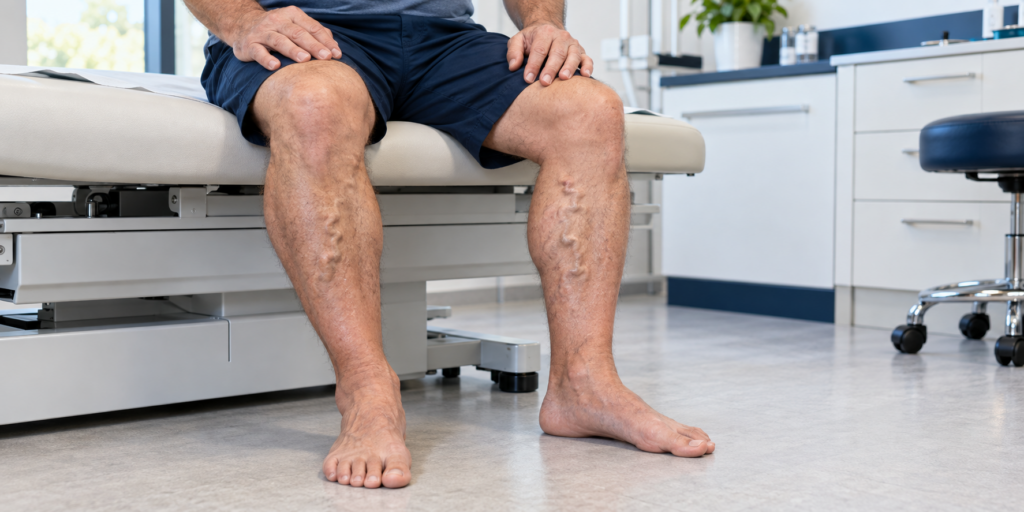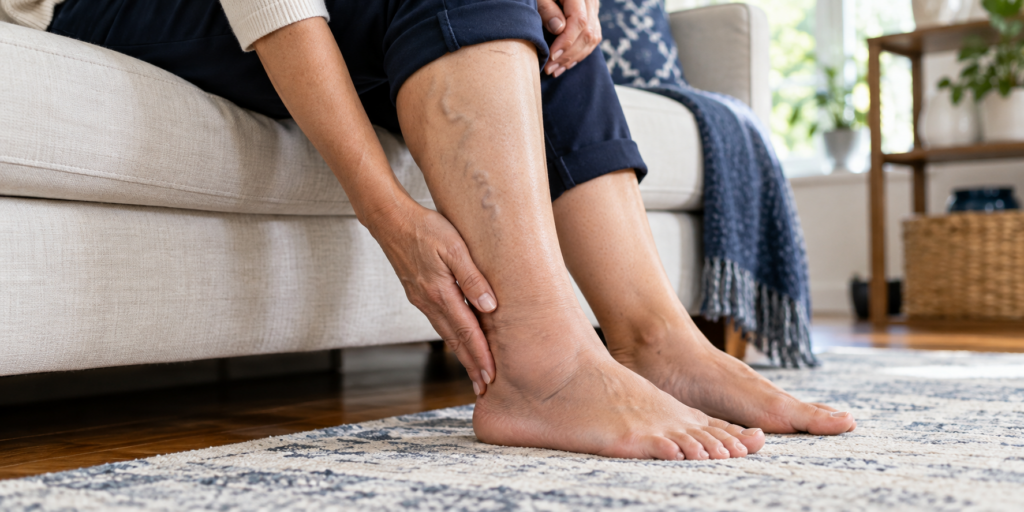

You notice something on your legs. Maybe it’s a web of thin, reddish lines spreading across your thigh. Maybe it’s a thick, rope-like vein bulging near your calf. Either way, your first question is usually the same: what is that and should I be worried?
Spider veins and varicose veins are two of the most common vascular conditions in the country, affecting an estimated 30 to 40 million Americans. Yet many people spend years confusing one for the other, or dismissing both as purely cosmetic when, in some cases, they’re a sign of something that deserves real medical attention.
If you’re in Reading, Pennsylvania, or the surrounding Berks County area and you’re trying to understand what you’re looking at on your legs, this guide is for you. The team at MVM Health sees patients every week who have been living with vein concerns for months, sometimes years, without knowing what treatment options exist or even which type of vein they’re dealing with. That changes today.
What Are Spider Veins?
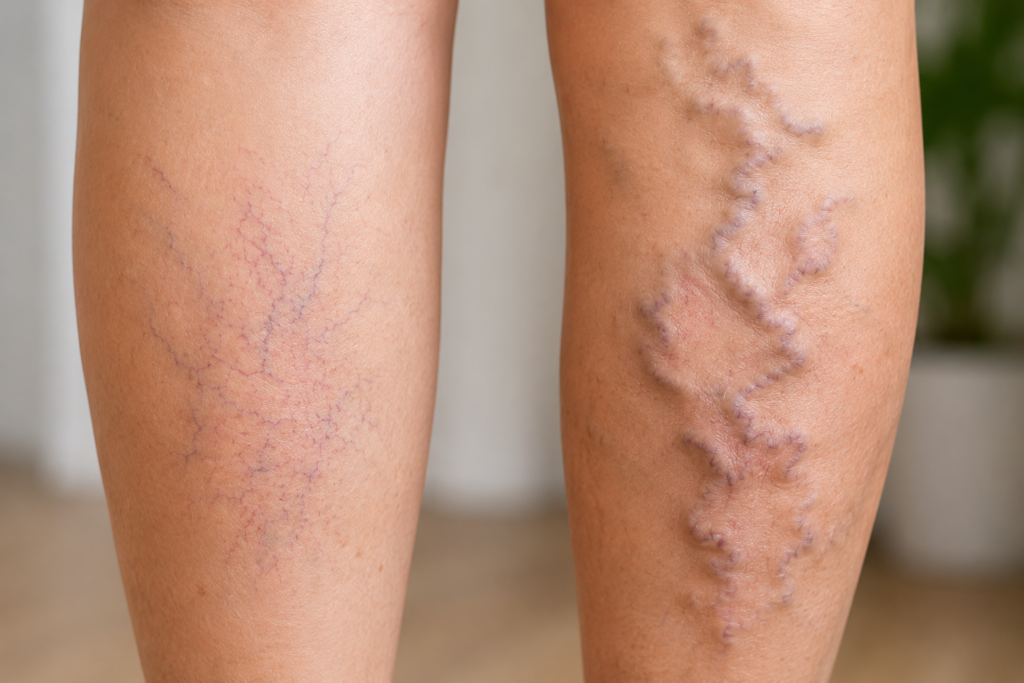
Spider veins, medically known as telangiectasias, are small, damaged veins that appear close to the surface of the skin. They’re typically red, blue, or purple and form web-like or branching patterns, which is how they got their name.
They most commonly appear on the legs, but the face, nose, and cheeks are also frequent locations. Unlike varicose veins, spider veins are flat; you can’t feel them raised above the skin. They’re thin, usually no wider than 1–3 millimeters.
Common Causes of Spider Veins
Spider veins develop when tiny blood vessels near the skin’s surface weaken or become damaged. Contributing factors include:
- Genetics : if a parent or sibling has spider veins, your risk is significantly higher
- Prolonged standing or sitting : occupations like teaching, nursing, or retail that keep you on your feet for hours
- Hormonal changes : pregnancy, birth control pills, and menopause all affect vein wall integrity
- Sun damage : especially for facial spider veins
- Age : vein walls naturally weaken over time
- Prior leg injuries or trauma
Are Spider Veins Dangerous?
In the vast majority of cases, spider veins are not medically dangerous. They don’t typically cause significant pain, and they rarely indicate serious underlying disease on their own. That said, some patients do experience mild discomfort, a burning sensation, itching, or a feeling of heat in the area, particularly after long periods of standing.
When spider veins appear alongside swelling, skin changes, or other symptoms, they can sometimes indicate early venous insufficiency, a condition where blood doesn’t flow through the leg veins as efficiently as it should. In those cases, further evaluation is warranted.
What Are Varicose Veins?
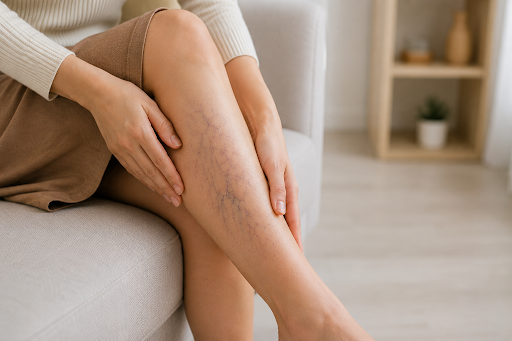
Varicose veins are a different animal entirely. They’re larger, deeper, and far more likely to cause real physical symptoms. Varicose veins are swollen, twisted veins that bulge visibly above the skin, most often in the calves and inner thighs, though they can appear anywhere from the back of the knee to the ankle.
They range in color from flesh-tone to dark blue or purple, and they’re often 3 millimeters or more in diameter. You can usually feel them; they have a raised, cord-like texture. In more advanced cases, they’re unmistakable.
What Causes Varicose Veins?
Your leg veins have a tough job. They push blood upward, against gravity, from your feet all the way back to your heart. To do this, they rely on a series of tiny one-way valves that open to let blood through, then close to prevent it from flowing backward.
When those valves weaken or fail due to age, genetics, weight, pregnancy, or prolonged pressure on the legs, blood starts to pool in the vein rather than moving forward. The vein walls stretch under the pressure, becoming enlarged and twisted. That’s a varicose vein.
This process is called chronic venous insufficiency (CVI), and it’s the underlying condition behind most varicose veins.
Symptoms That Go Beyond Appearance
Varicose veins are often painful. Patients describe a range of physical symptoms that tend to worsen as the day goes on:
- Aching, throbbing, or heaviness in the legs
- Swelling in the lower legs, ankles, or feet
- Burning or cramping sensations
- Restless legs especially at night
- Skin discoloration, thickening, or hardening near the ankle
- Itching directly over the vein
- In advanced cases, slow-healing sores or venous ulcers
If you’re experiencing any of these alongside visible varicose veins, this isn’t just a cosmetic issue. It’s a medical one and it deserves proper evaluation.
Spider Veins vs. Varicose Veins: Side-by-Side Comparison
Spider Veins vs. Varicose Veins: Side-by-Side Comparison
| Comparison Point | Spider Veins | Varicose Veins |
| Size | Thin, flat, and web-like, usually 1–3mm | Larger, raised, and rope-like, usually 3mm+ |
| Appearance | Fine red, blue, or purple lines | Bulging, twisted, dark blue or purple cords |
| Location | Common on the legs and face | Mostly found on the legs |
| Symptoms | Usually little or no physical symptoms | Pain, heaviness, swelling, cramping, or aching |
| Medical Risk | Typically cosmetic | May signal chronic venous insufficiency, blood clots, or skin ulcers |
| Treatment Urgency | Often treated by choice | Often needs medical evaluation or treatment |
Can You Have Both at the Same Time?
Yes, and it’s actually quite common. Spider veins and varicose veins often coexist because they share the same root cause: venous insufficiency. In fact, visible spider veins on the lower leg can sometimes be a surface sign of deeper varicose veins that aren’t yet visible.
Ready to Find Out What’s Causing Your Vein Symptoms?
If you’re experiencing spider veins, varicose veins, leg heaviness, swelling, or discomfort, a professional vein evaluation can help identify the cause and determine the right treatment options for your needs. Schedule a consultation with MVM Health today.
This is one reason why a proper diagnostic ultrasound is so important. What looks like a simple spider vein concern on the surface may have deeper venous insufficiency driving it, something that won’t be fixed by treating only the surface veins.
At MVM Health in Reading, every patient who comes in for a vein evaluation receives a thorough clinical assessment. If there’s any indication of deeper venous disease, we order a venous duplex ultrasound to map exactly what’s happening beneath the skin before recommending treatment.
Spider Vein Treatment in Reading, PA
If you’re looking for spider vein treatment in Reading, the most effective option is sclerotherapy a minimally invasive procedure with a long track record of success and virtually no downtime.
Sclerotherapy: How It Works
During sclerotherapy, a specialist injects a small amount of sclerosant solution, a medical-grade irritant, directly into the damaged vein using a very fine needle. The solution irritates the vessel walls, causing them to swell shut and seal closed. Over the following weeks, the body naturally absorbs the treated vein, and it fades from view.
The procedure takes 15–45 minutes depending on the area being treated. Most patients describe minimal discomfort, a mild stinging sensation at the injection site. There’s no anesthesia required and no recovery period. You can walk in and walk out.
What Results Look Like
Spider veins typically fade significantly within 3–6 weeks of treatment. Some veins clear completely after one session; others may require 2–3 treatments for full clearance. Your provider will assess your response at a follow-up appointment and recommend additional sessions if needed.
Compression stockings are usually recommended for a few days after treatment to support the treated vessels and improve outcomes.
Laser Therapy for Spider Veins
For spider veins that are too small for sclerotherapy, particularly on the surface of the face, laser therapy is an option. Laser energy targets the pigment in the vessel, causing it to collapse without any needles. Results are similar to sclerotherapy, though multiple sessions are often needed.
Varicose Vein Treatment in Reading, PA
Varicose vein treatment has changed dramatically in the past 15 years. Patients who once needed hospital-based vein stripping surgery now have access to minimally invasive, office-based procedures that take less than an hour and allow same-day return to normal activities.
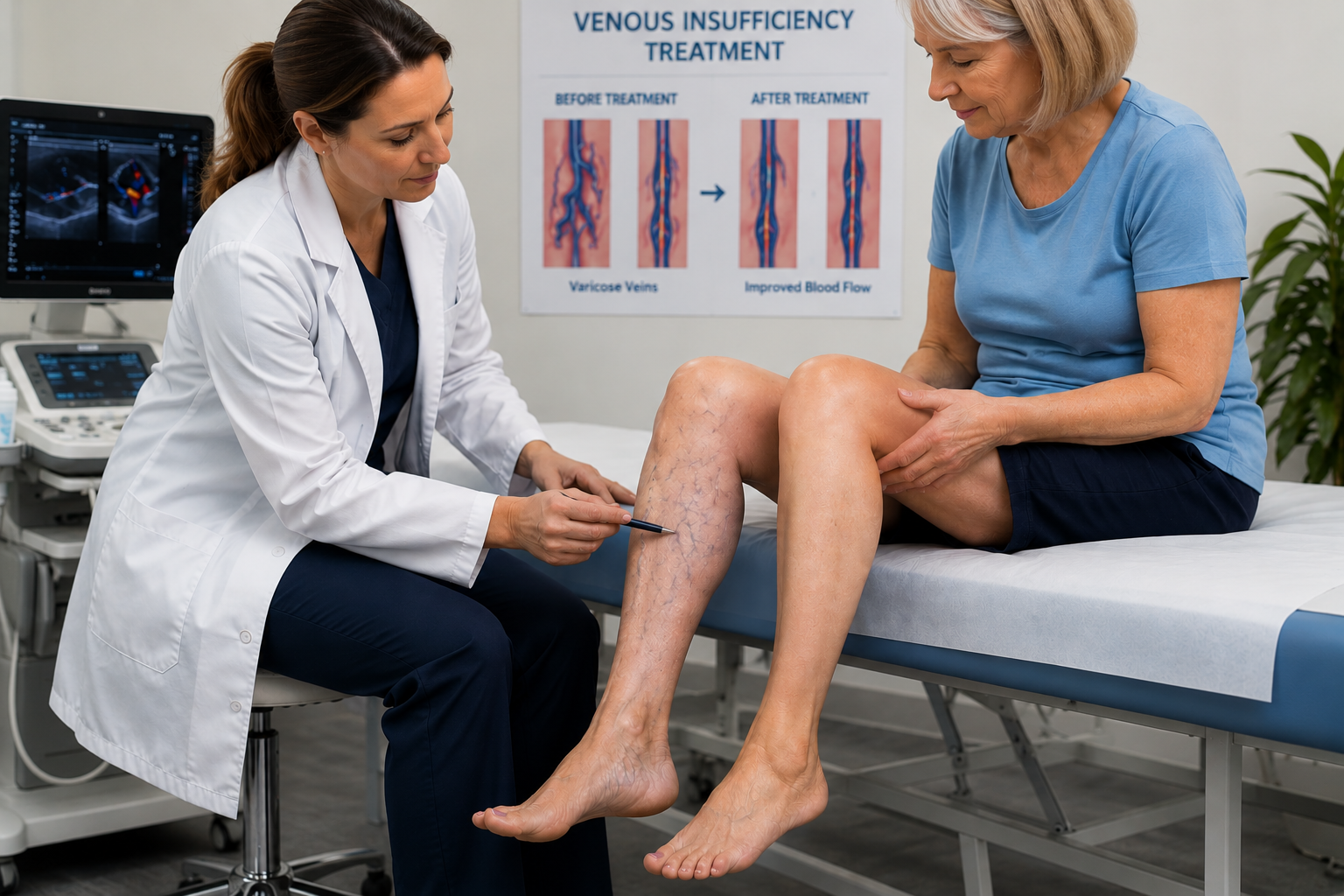
Endovenous Laser Ablation (EVLA)
EVLA is one of the most widely performed varicose vein procedures. Under ultrasound guidance, a thin fiber is inserted into the diseased vein through a tiny puncture. Laser energy is delivered along the length of the vein, causing it to seal shut. The body absorbs the closed vein over the following weeks, and blood naturally reroutes through healthier vessels.
EVLA has a success rate above 95% and produces minimal bruising. Most patients are walking the same day.
Radiofrequency Ablation (RFA)
RFA works on the same principle as EVLA but uses radiofrequency energy (heat) rather than laser energy to close the vein. It’s associated with slightly less post-procedure bruising and discomfort in some patients, making it a preferred option for those with lower pain tolerance. The clinical outcomes are comparable to EVLA.
Ultrasound-Guided Sclerotherapy
For varicose veins that are too tortuous or deep for ablation but too large for standard sclerotherapy, ultrasound-guided foam sclerotherapy can be used. The foam sclerosant is injected under ultrasound guidance to ensure accurate placement in the diseased vessel.
Microphlebectomy
For surface varicose veins that are visible and close to the skin, microphlebectomy offers direct removal through tiny incisions each no larger than a pinprick made alongside the vein. Segments of the vein are removed using a small hook. No sutures are needed. The incisions heal on their own, typically leaving no visible scars.
Microphlebectomy is often performed alongside EVLA or RFA when there are both deep and surface components to treat.
When Should Reading Patients Seek Vein Care?
People often wait far longer than they should before seeking vein treatment — sometimes because they assume it’s cosmetic, sometimes because they don’t realize how much better they could feel. Here are the signs it’s time to make an appointment:
- Visible varicose veins that are causing pain, swelling, or discomfort
- Leg heaviness or fatigue that worsens through the day
- Persistent swelling in one or both lower legs or ankles
- Skin changes near the ankle discoloration, thickening, hardening
- Itching or burning over visible veins
- A wound on the lower leg that is slow to heal
- Spider veins that bother you cosmetically and you’d like removed
- A family history of DVT or blood clots, combined with any of the above
If you’re experiencing DVT symptoms sudden one-sided swelling, warmth, redness, or pain in the calf or thigh seek care immediately. Deep vein thrombosis is a medical emergency.
Vein Treatment at MVM Health : Serving Reading and Berks County
MVM Health provides comprehensive vascular care for patients in Reading, Wyomissing, Shillington, Sinking Spring, and communities throughout Berks County. Our vein program is built on a diagnostic-first approach because the right treatment depends entirely on understanding what’s actually happening in your venous system.
What Your First Visit Looks Like
Every new vein patient at MVM Health starts with a clinical evaluation and, where appropriate, a venous duplex ultrasound. This imaging study is painless, takes about 30–45 minutes, and gives us a real-time picture of blood flow in your leg veins which valves are failing, where reflux is occurring, and whether any deeper venous disease is present.
From there, your provider reviews the findings with you directly, explains what they mean in plain terms, and walks through your treatment options. There’s no pressure. You leave with a clear understanding of your diagnosis and a personalized plan.
Why Patients Choose MVM Health for Vein Care in Reading
- Vascular specialists not just cosmetic vein technicians reviewing your case
- Diagnostic ultrasound available on-site
- Full range of treatments: sclerotherapy, EVLA, RFA, microphlebectomy
- Insurance verification and prior authorization support for covered procedures
- Flexible scheduling and minimal wait times
- Post-treatment follow-up and long-term monitoring included
People Also Ask: Spider Veins & Varicose Veins in Reading, PA
What is the difference between spider veins and varicose veins?
Spider veins are small, flat, web-like vessels close to the skin surface usually cosmetic and rarely painful. Varicose veins are large, raised, twisted veins that bulge above the skin and often cause physical symptoms like aching, swelling, and heaviness. Both stem from venous insufficiency but differ in size, depth, and severity.
Can spider veins turn into varicose veins?
Spider veins don’t directly become varicose veins. However, both conditions can be driven by the same underlying problem weakening vein valves and venous insufficiency. In some patients, spider veins are a surface sign of deeper varicose disease. A duplex ultrasound can determine whether that’s the case.
Is spider vein treatment in Reading covered by insurance?
Spider vein removal is typically considered cosmetic and is not covered by most insurance plans. Varicose vein treatment, however, is often covered when a patient has documented symptoms pain, swelling, skin changes and has tried conservative management such as compression stockings. MVM Health’s team can help verify your coverage before treatment begins.
How many sclerotherapy sessions will I need?
Most patients see significant improvement after one to two sessions, though the exact number depends on the extent of the veins and how your skin responds. Your MVM Health provider will assess your progress at each visit and recommend additional treatment as needed. Sessions are typically spaced four to six weeks apart.
Are varicose veins dangerous if left untreated?
Mild varicose veins with no symptoms can often be monitored without immediate treatment. However, untreated venous insufficiency can progress over time, leading to worsening swelling, skin changes, bleeding from surface veins, and in some cases, venous ulcers open wounds near the ankle that are difficult to heal. Early treatment almost always leads to better outcomes than waiting.
What’s the recovery time after varicose vein treatment?
Modern minimally invasive procedures like EVLA and RFA require very little recovery. Most patients return to normal daily activities the same day, wearing compression stockings for 1–2 weeks. Strenuous activity and prolonged air travel are typically restricted for 2–4 weeks. There’s no hospitalization and no general anesthesia required.
Do varicose veins come back after treatment?
Treated veins don’t come back once a vein is closed or removed, it’s gone. However, new veins can develop over time, particularly if the underlying risk factors (genetics, weight, prolonged standing) remain. Follow-up ultrasounds help catch any new insufficiency early before it progresses to symptomatic disease.