
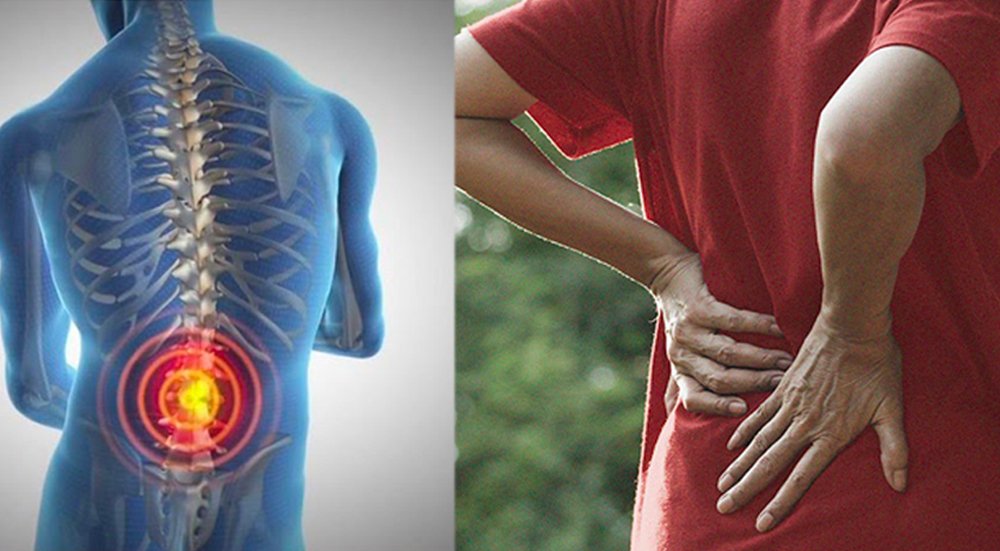
What is Tailbone Pain?
Tailbone pain, also known as coccydynia, is a condition in which the tailbone (coccyx) at the bottom of the spine is painful and tender. The tailbone is a small, triangular bone at the bottom of the spine, and it is made up of several small bones that are fused together. Tailbone pain can be caused by a variety of factors, including trauma or injury to the tailbone, sitting for long periods of time, degenerative changes in the spine, infections, and tumors.
It’s difficult to estimate the exact number of US citizens who suffer from tailbone pain, as there is no comprehensive data on this condition. However, tailbone pain, is a relatively common problem that can affect people of all ages and genders.
According to some estimates, tailbone pain affects about 1 in 100 people, with women being more likely to experience it than men.
What causes Tailbone Pain?
- Trauma: Injury or trauma to the tailbone can cause pain and discomfort. This can include falls, sports injuries, or childbirth.
- Repetitive Strain: Repetitive strain injury can also lead to tailbone pain. This can occur in people who sit for prolonged periods, such as office workers, or cyclists.
- Arthritis: Arthritis in the tailbone can also cause pain and discomfort. This can be due to the wear and tear of the joints over time.
- Infection: In rare cases, an infection in the tailbone or surrounding area can cause pain.
What treatment options are available for Tailbone Pain?
- Pain medication: Over-the-counter pain medications such as ibuprofen or acetaminophen can help reduce pain and inflammation.
- Physical therapy: Physical therapy can help strengthen the muscles around the tailbone and improve posture, which can reduce pain.
- Cushions or seat pads: Special cushions or seat pads can help reduce pressure on the tailbone when sitting.
- Ice or heat therapy: Applying ice or heat to the affected area can help reduce pain and inflammation.
- Surgery: In severe cases, surgery may be necessary to remove the affected area of the tailbone.
We at MVM Health offer comprehensive range of treatment options for tailbone pain. Interventional pain management may include procedures such as sympathetic nerve blocks, steroid injections, or radiofrequency ablation to target specific nerves that may be contributing to tailbone pain. Minimally invasive procedures such as coccyx manipulation or coccygectomy can help to alleviate pain in severe cases. Neuromodulation therapy, such as spinal cord stimulation, can help to reduce pain signals traveling from the tailbone to the brain. Ketamine infusion therapy can also be effective for managing chronic pain.
It’s important to determine the most appropriate treatment plan for your individual situation. We consider factors such as the severity of your tailbone pain, any underlying medical conditions, and your overall health and medical history when deciding which treatment option may be most effective for you.
MVM Health is ready to help you improve your quality of life if you are suffering from tailbone pain with individualized treatment plans. If you are looking for a pain care near Lehigh Valley, East Stroudsburg, Scranton, Wilkes Barre, and surrounding communities, MVM Health cares about your well-being. Call 570-445-2200 to schedule a consultation today or request an appointment by clicking below.
Rotator Cuff Recovery: Is Bone Marrow Concentrate Right for You?