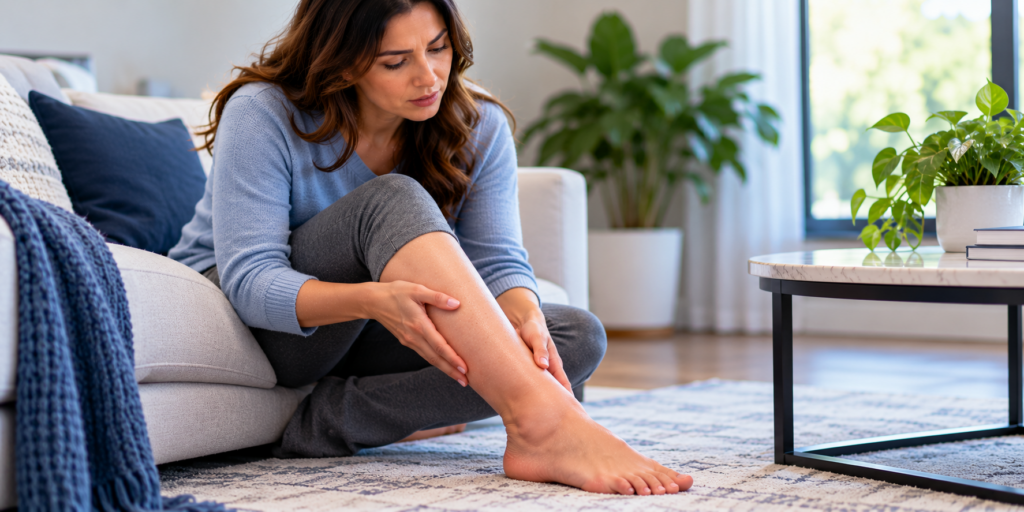

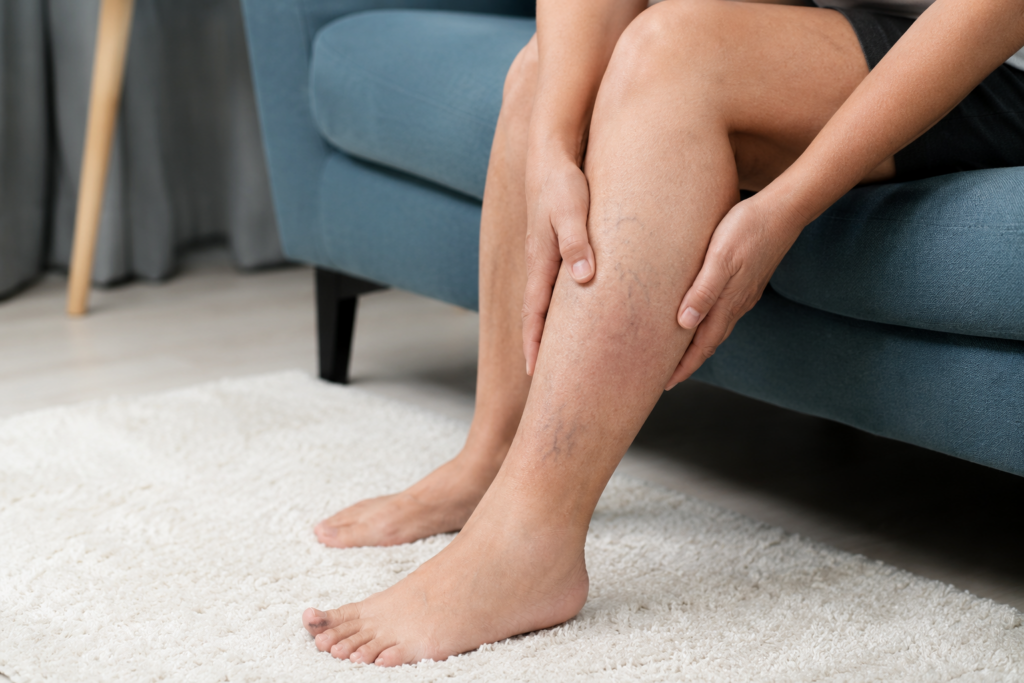
You get through the morning fine. But by the afternoon, your legs feel like they’re made of concrete. Every step takes effort. Sitting helps, but only until you stand up again.
If this sounds familiar, you’re not alone. Heavy, tired, or aching legs are one of the most common complaints vein specialists hear, and in many cases, the root cause isn’t muscle fatigue or age. It’s a vein problem that often goes undiagnosed for years.
At MVM Health in East Stroudsburg, Pennsylvania, our vascular team works with patients across the Pocono region to identify what’s actually driving leg discomfort and deliver targeted treatment that works. This article breaks down the most common causes of heavy legs, when to be concerned, and what vein care in East Stroudsburg really looks like.
Why Do Legs Feel Heavy? Understanding the Basics
The sensation of heaviness in the legs is medically known as venous insufficiency-related fatigue, though several different conditions can cause it. To understand why it happens, it helps to know a little about how your leg veins work.
Leg veins have a tough job. Unlike arteries, which benefit from the heart’s pumping pressure to move blood, veins rely on a system of tiny one-way valves and the contraction of your calf muscles to push blood upward against gravity. When those valves weaken or become damaged, blood doesn’t flow upward efficiently. Instead, it pools in the lower legs, creating pressure, swelling, discomfort, and that familiar feeling of heaviness.
This is the central mechanism behind chronic venous insufficiency (CVI), and it’s far more common than most people realize.
The Most Common Causes of Heavy Legs
1. Chronic Venous Insufficiency (CVI)
Chronic venous insufficiency is the leading cause of heavy leg sensation. It occurs when the valves inside the leg veins fail to close properly, allowing blood to flow backward (a process called venous reflux) and accumulate in the lower extremities.
CVI tends to get worse as the day progresses, which is why you might feel fine in the morning but exhausted by evening. It often worsens in hot weather and improves with leg elevation or walking.
Common signs alongside heaviness include:
- Visible varicose or spider veins
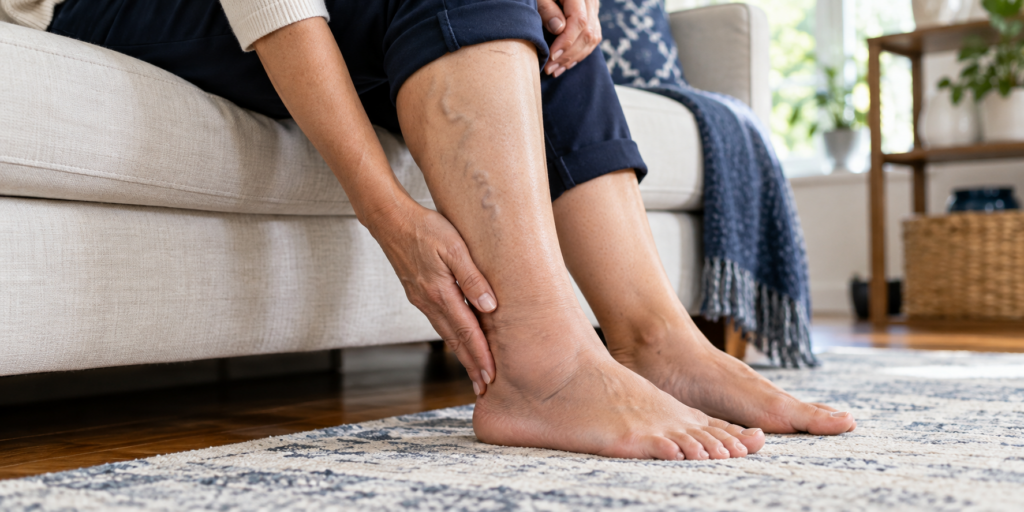
- Ankle or calf swelling
- Skin discoloration or thickening near the ankle
- Itching or cramping in the legs
- Slow-healing wounds or ulcers near the lower leg
2. Varicose Veins
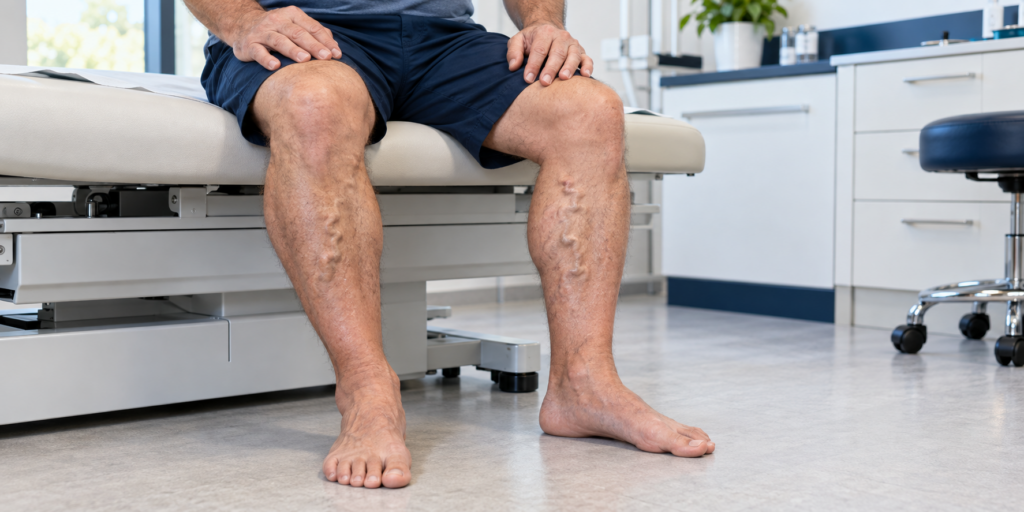
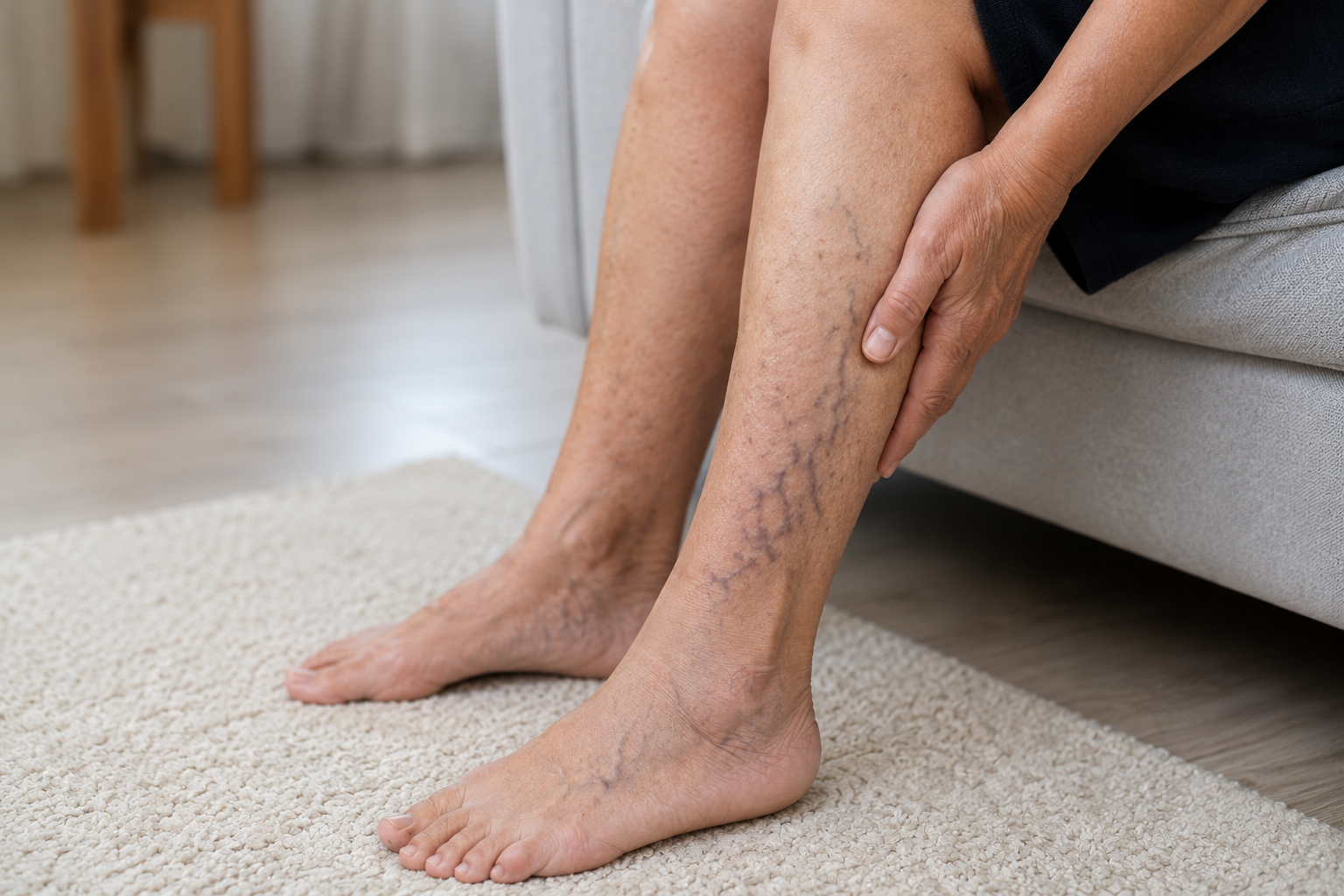
Varicose veins are enlarged, twisted veins that bulge visibly beneath the skin. While some people only experience cosmetic concerns, many patients report significant physical symptoms, including leg heaviness, aching, throbbing, and restlessness.
Varicose veins develop when vein walls lose elasticity and valves weaken, often due to prolonged standing, pregnancy, genetics, or age. They’re not just a surface issue; underlying venous pressure is almost always involved.
3. Deep Vein Thrombosis (DVT)
Deep vein thrombosis a blood clot forming in a deep vein, most often in the thigh or calf, can also cause sudden leg heaviness, swelling, warmth, and pain. DVT is a medical emergency that requires immediate evaluation.
If your leg heaviness came on quickly and is accompanied by redness, warmth, or significant swelling in one leg, don’t wait. Seek care right away.
4. Peripheral Arterial Disease (PAD)
Heavy or cramping legs during physical activity can sometimes signal peripheral arterial disease a condition in which the arteries supplying the legs become narrowed due to plaque buildup. Unlike venous conditions, PAD-related heaviness often eases with rest.
PAD is more common in smokers, diabetics, and individuals with high blood pressure or cholesterol. It’s a serious condition with cardiovascular implications that warrants proper vascular assessment.
5. Lymphedema
Lymphedema occurs when the lymphatic system is damaged or blocked, causing fluid to accumulate in the tissue. It typically affects one leg and produces a firm, persistent swelling quite different from the soft, pitting edema associated with venous insufficiency.
While not a vein condition per se, lymphedema often coexists with venous disease and requires a thorough diagnostic workup.
6. Lifestyle and Situational Factors
Not all heavy legs point to vascular disease. Other contributing factors include:
- Prolonged sitting or standing (especially in jobs with little movement)
- Obesity, which increases pressure on leg veins
- Dehydration
- Sedentary lifestyle
- Certain medications, including calcium channel blockers or hormone therapy
That said, even when lifestyle plays a role, underlying venous insufficiency often amplifies the symptoms. The only way to know for sure is a proper evaluation.
Who Is Most at Risk?
Heavy legs from vein-related causes are more likely if you:
Take the First Step Toward Lighter Legs
Heavy legs aren’t something you simply have to live with. In many cases, a treatable vein condition is at the root, and effective, minimally invasive options are available right here in East Stroudsburg. The team at MVM Health is ready to help you understand what’s causing your symptoms and find a solution that fits your life.
- Have a family history of varicose veins or venous insufficiency
- Are female (hormonal changes from pregnancy and menopause affect vein walls)
- Work in a job that requires long hours on your feet nursing, teaching, retail, construction Are over 40
- Have had multiple pregnancies
- Are overweight or obese
- Have a history of blood clots or prior leg surgery
Living in an area like East Stroudsburg, where outdoor activity and physical labor are common, can mean symptoms go unchecked for too long. Many people assume sore, tired legs are just part of an active lifestyle. Often, they aren’t.
When Should You See a Vein Specialist?
It’s time to get checked out if you’re experiencing any of the following:
- Leg heaviness or fatigue that worsens throughout the day
- Visible varicose veins, especially if painful or tender
- Persistent swelling in one or both legs
- Skin changes, discoloration, or open sores on your lower legs
- Leg cramps, restless legs, or nighttime discomfort
- A sudden onset of heavy, swollen, or painful legs (rule out DVT first)
A vein specialist can perform a detailed ultrasound assessment to map your venous system, identify areas of reflux or blockage, and give you a clear picture of what’s happening beneath the surface.
Vein Care in East Stroudsburg: What to Expect at MVM Health
MVM Health offers comprehensive vascular care for patients throughout the Pocono Mountain region, including East Stroudsburg and surrounding communities in Monroe County. Our vein care program is built on accurate diagnosis first because treating symptoms without identifying the root cause rarely leads to lasting improvement.
Step 1: Venous Duplex Ultrasound
Every new vein patient at MVM Health receives a venous duplex ultrasound, a painless, non-invasive imaging study that shows blood flow in real time. This allows our vascular specialists to identify:
- Which veins have faulty valves
- Where reflux is occurring
- The presence of any clots or abnormalities
The ultrasound is the foundation of your personalized treatment plan.
Step 2: Personalized Treatment Planning
No two patients are the same. Based on your ultrasound findings, symptoms, and health history, your MVM Health provider will recommend the most appropriate treatment approach. Options may include:
- Compression therapy: graduated compression stockings to improve circulation and reduce swelling
- Endovenous laser ablation (EVLA) : a minimally invasive procedure that uses laser energy to close off diseased veins
- Sclerotherapy: injection of a solution that causes damaged veins to collapse and fade
- Radiofrequency ablation (RFA) : heat-based closure of diseased superficial veins
- Microphlebectomy : removal of surface varicose veins through tiny incisions
Most of these procedures are performed in-office under local anesthesia and require minimal downtime. Many patients return to normal activity the same day.
Step 3: Ongoing Monitoring and Support
Vein disease is chronic; managing it well means monitoring over time. At MVM Health, we schedule follow-up ultrasounds to confirm treatment success and catch any changes early. We also work with you on lifestyle modifications that protect your vein health long-term.
People Also Ask: Heavy Legs and Vein Health
Can heavy legs be a sign of heart disease?
Sometimes, yes. Bilateral leg swelling and heaviness can be associated with heart failure or fluid retention from cardiac causes. However, in most cases, the culprit is venous insufficiency a vein issue, not a heart issue. A proper diagnostic workup can distinguish between the two.
Is leg heaviness normal after a long day at work?
Occasional tiredness in the legs is common, especially after a day of prolonged standing. But if the heaviness is frequent, progressive, or accompanied by swelling or visible vein changes, it’s worth getting evaluated. Chronic venous insufficiency often starts mild and worsens over time without treatment.
How do I know if I have varicose veins or just spider veins?
Spider veins are thin, web-like vessels close to the skin’s surface — usually cosmetic and not painful. Varicose veins are larger, bulging, and often raised. They can cause significant physical symptoms including heaviness, aching, and swelling. Both can be assessed and treated effectively by a vein specialist.
Will compression stockings fix my heavy legs?
Compression stockings can significantly reduce symptoms of venous insufficiency and are often a first-line recommendation. They help improve circulation and reduce swelling. However, they manage symptoms rather than treat the underlying cause. For lasting improvement, a procedure to close off diseased veins may be recommended.
Is vein treatment covered by insurance?
Many vein treatments, particularly those addressing medically necessary conditions like chronic venous insufficiency, are covered by insurance when diagnostic criteria are met, and conservative therapy (like compression) has been tried. The MVM Health team can assist with insurance verification and prior authorization.
What’s the difference between a vascular doctor and a vein clinic?
A board-certified vascular specialist has comprehensive training in the diagnosis and treatment of all vascular conditions: veins, arteries, lymphatic system. A vein clinic may focus primarily on cosmetic or surface vein treatments. At MVM Health, patients receive care from vascular specialists who can assess the full picture and treat complex cases when needed.
Why East Stroudsburg Residents Choose MVM Health
The Pocono region doesn’t have an abundance of specialized vascular care which is exactly why MVM Health invested in bringing high-quality vein services closer to home. Patients in East Stroudsburg, Stroudsburg, Bartonsville, and across Monroe County can access advanced diagnostics and minimally invasive treatments without making the trip to a larger city.
Our team is experienced in treating the full spectrum of venous conditions from straightforward spider vein removal to complex cases of chronic venous insufficiency with skin changes and ulcers. We take time to explain your diagnosis, walk through your options, and help you make an informed decision.
We understand that most people are busy. We keep wait times short, offer flexible scheduling, and make the experience as straightforward as possible.