
Venous insufficiency is a common condition where the veins in the legs have difficulty sending blood back to the heart. This often leads to symptoms such as swelling, pain, and varicose veins, impacting the quality of life. However, there are effective strategies to manage and potentially reverse venous insufficiency, promoting better leg health. This article explores the steps you can take to alleviate symptoms and improve venous function.
Understanding Venous Insufficiency
Venous insufficiency occurs when the valves in the veins, which prevent blood from flowing backward, become weak or damaged. This leads to blood pooling in the legs, causing increased pressure in the veins. Common symptoms include:
- Swelling in the lower legs and ankles
- Pain or heaviness in the legs
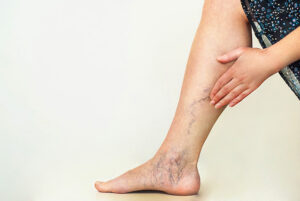
- Varicose veins
- Skin discoloration or ulcers
- Cramping or aching
Recognizing these symptoms early and seeking medical advice is crucial for effective management and reversal of the condition.
Lifestyle Changes for Better Leg Health
- Exercise Regularly Engaging in regular physical activity can improve circulation and strengthen the muscles in your legs. Walking, swimming, and cycling are excellent choices that help enhance blood flow and reduce venous pressure. Aim for at least 30 minutes of moderate exercise most days of the week.
- Maintain a Healthy Weight: Excess weight puts additional pressure on your veins, exacerbating venous insufficiency. Adopting a balanced diet and maintaining a healthy weight can significantly reduce symptoms. Focus on a diet rich in fruits, vegetables, whole grains, and lean proteins.
- Elevate Your Legs: Elevating your legs above heart level several times a day can help reduce swelling and improve blood flow. This simple practice can alleviate discomfort and prevent blood from pooling in your legs.
- Wear Compression Stockings: Compression stockings apply gentle pressure to your legs, promoting blood flow and reducing swelling. They are especially beneficial if you spend long periods sitting or standing. Consult your healthcare provider to find the right type and fit for your needs.
Medical Treatments and Interventions
For more severe cases of venous insufficiency, medical treatments may be necessary. These include:
- Sclerotherapy: This minimally invasive procedure involves injecting a solution into the affected veins, causing them to collapse and be reabsorbed by the body. Sclerotherapy is effective for treating varicose and spider veins.
- Endovenous Laser Therapy (EVLT): EVLT uses laser energy to close off damaged veins. It is a minimally invasive procedure performed under local anesthesia, providing relief from symptoms with a quick recovery time.
- Venous Ablation: Radiofrequency or laser energy is used to seal off the faulty veins. This procedure is effective in reducing symptoms and improving leg appearance.
- Surgical Options: In advanced cases, surgical intervention may be necessary to remove or tie off damaged veins. Procedures such as vein stripping or ligation can provide long-term relief.
Preventive Measures for Long-Term Health
- Stay Hydrated Drinking plenty of water helps maintain healthy circulation and reduces the risk of blood clots. Aim for at least eight glasses of water a day.
- Avoid Prolonged Sitting or Standing If your job requires long periods of sitting or standing, take breaks to move around and stretch your legs. This helps prevent blood from pooling and reduces venous pressure.
- Healthy Diet Incorporate foods rich in flavonoids, such as berries, citrus fruits, and dark chocolate. Flavonoids can help strengthen blood vessel walls and improve circulation.
- Quit Smoking Smoking damages blood vessels and impairs circulation. Quitting smoking can significantly improve your vascular health and reduce the risk of complications.
Conclusion
Reversing venous insufficiency and achieving better leg health involves a combination of lifestyle changes, medical treatments, and preventive measures. By incorporating regular exercise, maintaining a healthy weight, wearing compression stockings, and considering medical interventions when necessary, you can manage and potentially reverse the symptoms of venous insufficiency.
For personalized advice and treatment options, consult with a healthcare provider or vascular specialist. Taking the first step towards better leg health today can lead to a more comfortable and active future.