

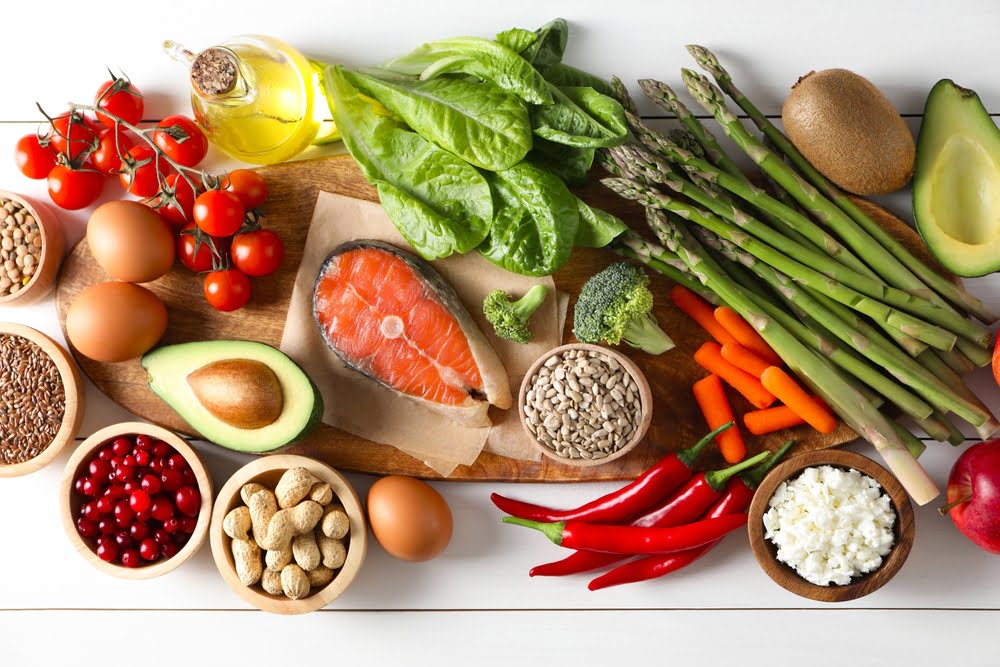
Inflammation is often the hidden reason behind many common health issues from joint pain and fatigue to more serious chronic conditions. While it is a natural process that helps your body heal, long-term or chronic inflammation can silently affect your overall well-being.
By choosing the right anti-inflammatory foods and supplements, you can support your body’s natural healing process, reduce discomfort, and improve your quality of life.
What Is Inflammation?
Inflammation is your body’s natural defense response to injury, infection, or harmful stimuli. In the short term, it helps your body recover by sending immune cells to the affected area.
However, when inflammation becomes chronic, it can start damaging healthy tissues instead of protecting them. Chronic inflammation has been linked to conditions such as arthritis, heart disease, diabetes, and ongoing pain issues.
Factors like poor diet, stress, lack of exercise, and insufficient sleep can contribute to this long-term inflammation. That’s why managing inflammation through lifestyle and nutrition is essential for maintaining good health.
1. Turmeric
Turmeric is one of the most effective natural anti-inflammatory foods, mainly due to its active compound curcumin. It helps reduce inflammation by targeting inflammatory pathways in the body, making it beneficial for joint pain and chronic conditions. Regular use may also support immunity and overall health.
Toss it into your curry, stir it into warm milk, or grab a supplement if cooking isn’t your thing. One thing worth knowing – always pair turmeric with a pinch of black pepper. Skip the black pepper and most of that curcumin passes right through you – your body just won’t absorb it the way it should.
Quick tips:
- Add to curries or warm milk
- Pair with black pepper
- Use supplements if needed
2. Ginger
Ginger is a powerful natural ingredient known for its anti-inflammatory and pain-relieving properties. It contains compounds like gingerol that help reduce inflammation and muscle soreness, making it especially useful for joint pain and stiffness. It also supports digestion, which plays an important role in controlling inflammation in the body.
You can include ginger in your daily routine through teas, smoothies, or cooked meals. Regular consumption may help improve mobility and reduce discomfort over time.
Quick tips:
- Drink ginger tea daily
- Add fresh ginger to meals
- Use in smoothies or detox drinks
3. Omega-3 Fatty Acids
Omega-3 fatty acids are essential fats that help reduce inflammation at a cellular level. These healthy fats are known to lower inflammatory markers and support heart, brain, and joint health.
Including omega-3s in your diet regularly can help manage chronic inflammation and improve overall well-being. For those who don’t consume fish, supplements can be a good alternative.
Quick tips:
- Eat fatty fish 2–3 times a week
- Add flaxseeds or chia seeds to meals
- Consider fish oil supplements if needed
Struggling with chronic inflammation symptoms?
Our specialists can evaluate your condition and recommend the right treatment plan tailored to you.
Schedule Appointment or call (610) 936-82144. Berries
Blueberries, strawberries, raspberries – take your pick. They’re loaded with antioxidants that your body uses to push back against inflammation before it has a chance to build up.
These compounds reduce oxidative stress and protect cells from damage, which is often linked to chronic diseases.
Adding berries to your daily diet can support immune health and provide a natural way to manage inflammation while also satisfying your sweet cravings.
Quick tips:
- Add to breakfast or smoothies
- Choose fresh or frozen options
- Avoid added sugar versions
5. Green Tea
Green tea is rich in antioxidants, particularly a compound called EGCG, which has strong anti-inflammatory effects. It helps reduce oxidative stress and supports the body’s natural defense system. Regular consumption can also improve metabolism and overall health.
Drinking green tea daily is a simple habit that can contribute to long-term inflammation control and better energy levels.
Quick tips:
- Drink 1–2 cups daily
- Avoid adding sugar
- Best consumed between meals
6. Garlic
Garlic is a common kitchen ingredient with powerful anti-inflammatory and immune-boosting properties. It contains sulfur compounds that help reduce inflammation and support heart health. Regular intake can also help lower the risk of chronic diseases.
Adding garlic to your meals is an easy way to improve both flavor and health benefits without making major dietary changes.
Quick tips:
- Use fresh garlic for better benefits
- Add to cooked meals regularly
- Let it sit after chopping before cooking
7. Extra Virgin Olive Oil
Extra virgin olive oil is known for its strong anti-inflammatory effects due to compounds like oleocanthal. It works similarly to certain anti-inflammatory medications by helping reduce pain and swelling naturally.
Using olive oil in your daily cooking or as a dressing can support heart health and reduce inflammation over time.
Quick tips:
- Use as primary cooking oil
- Add to salads and dressings
- Avoid overheating at high temperatures
8. Nuts
Almonds and walnuts are genuinely hard to beat as a snack. They’re packed with healthy fats, fiber, and antioxidants – the kind of combination that actually does something for your body, not just fills you up.
They help reduce inflammation while supporting heart and brain health. They also provide long-lasting energy, making them a great addition to a balanced diet.
A small portion of nuts daily can help improve overall health and reduce inflammation naturally.
Quick tips:
- Eat a handful daily
- Choose unsalted varieties
- Mix different nuts for variety
9. Leafy Greens
Leafy greens like spinach, kale, and collard greens are packed with vitamins, minerals, and antioxidants that help combat inflammation. They work by reducing oxidative stress and supporting the body’s natural healing process.
Including a variety of greens in your meals can improve digestion, boost immunity, and lower the risk of chronic conditions.
Quick tips:
- Add to salads or smoothies
- Rotate different greens
- Lightly cook for better digestion
10. Probiotics
Probiotics are beneficial bacteria that support gut health, which is closely linked to inflammation.
You can get probiotics from foods like yogurt, kefir, and fermented vegetables or through supplements. Improving gut health can lead to better digestion and reduced chronic inflammation.
Quick tips:
- Include yogurt or fermented foods daily
- Limit processed foods
- Consider supplements if needed
Why Diet Matters for Inflammation
Your diet directly influences how your body responds to inflammation. Processed foods, sugar, and unhealthy fats can increase inflammation, while whole, nutrient-rich foods help reduce it.
Making consistent changes, such as eating more whole foods and reducing processed items, can significantly improve your body’s ability to manage inflammation naturally. Over time, these changes can lead to better energy levels, reduced pain, and improved overall health.
Simple Tips to Reduce Inflammation Naturally
While adding anti-inflammatory foods is important, combining them with healthy lifestyle habits can enhance their effectiveness. Staying physically active, managing stress, and getting enough sleep are all essential for controlling inflammation.
Hydration also plays a key role. Drinking enough water helps flush toxins from the body and supports overall health. Small, consistent habits can lead to meaningful improvements over time.
Conclusion
Chronic inflammation can impact your health in many ways, but the right approach can help you take control. By incorporating natural anti-inflammatory foods and supplements into your daily routine, you can support your body’s healing process and reduce the risk of long-term health issues.
However, if you are experiencing persistent pain or inflammation, it’s important to seek professional guidance. Combining a healthy diet with expert care can provide the most effective results.
Take the next step toward better health and lasting relief-schedule your consultation today and discover personalized solutions to manage inflammation and improve your quality of life.
Frequently Asked Questions
1. What is the most powerful anti-inflammatory food or supplement?
Omega-3 fatty acids are considered one of the most powerful anti-inflammatory nutrients. They are commonly found in fatty fish like salmon, mackerel, sardines, and tuna. These healthy fats help reduce inflammation at a cellular level and support heart and joint health. If you don’t consume fish, fish oil supplements are a good alternative, while vegetarians can opt for plant-based sources like flaxseeds and walnuts.
2. What should you eat before bed to reduce inflammation?
Eating light, anti-inflammatory foods before bed can support overnight recovery. Options like walnuts, flaxseeds, or a small portion of yogurt can help reduce inflammation while promoting better sleep. Foods rich in omega-3s and magnesium are especially beneficial for calming the body and supporting repair processes during sleep.
3. What foods should you avoid to reduce inflammation?
To manage inflammation, it’s best to limit processed foods, sugary snacks, refined carbohydrates, and fried items. These foods can increase inflammatory markers in the body and worsen chronic conditions. Reducing intake of these items while focusing on whole, nutrient-rich foods can significantly improve overall health.
4. How can you reduce inflammation naturally?
Reducing inflammation involves a combination of healthy habits. Eating an anti-inflammatory diet, staying physically active, managing stress, and getting enough sleep all play a key role. Hydration and avoiding smoking or excessive alcohol consumption also support the body’s ability to control inflammation naturally.
5. What are the best anti-inflammatory drinks?
Some of the best anti-inflammatory drinks include green tea, ginger tea, and turmeric milk. These beverages contain natural compounds that help reduce inflammation and support overall wellness. Drinking these regularly can complement a healthy diet and lifestyle.
6. How long does it take to see results from anti-inflammatory foods?
Results can vary depending on the individual, but many people start noticing improvements within a few weeks of consistent dietary changes. Long-term benefits are achieved by maintaining a balanced, anti-inflammatory diet along with a healthy lifestyle.
Start Your Journey Toward Better Health Today!
If you’re looking for professional pain management and wellness care in Bethlehem, your search ends with MVM Health – Pain, Vein & Wellness Clinic. Our experienced specialists provide personalized evaluations and advanced treatment options to help you feel your best.
Location: 2045 Westgate Dr Suite 202, Bethlehem, PA 18017
Contact Us
Schedule your consultation today at appointment@mvmhealth.com
Schedule Appointment or call (610) 936-8214