
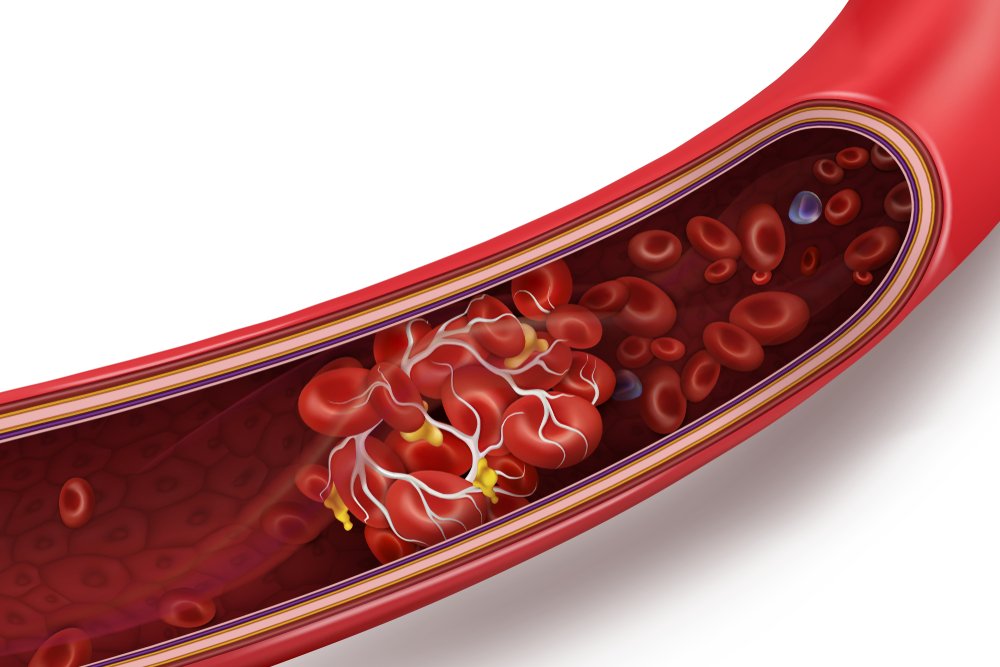
Leg pain and swelling can often be dismissed as minor inconveniences, but they can sometimes signal serious health issues. One such condition is deep vein thrombosis (DVT), where a blood clot forms in a deep vein, usually in the leg. Detecting DVT early is crucial to prevent complications like pulmonary embolism, where a clot travels to the lungs, potentially causing life-threatening consequences.
Understanding Deep Vein Thrombosis (DVT)
Deep vein thrombosis occurs when a blood clot, or thrombus, develops in a deep vein, most commonly in the legs. Several risk factors contribute to the development of DVT, including prolonged immobility, recent surgery, certain medications, and underlying health conditions like cancer or genetic blood clotting disorders. Symptoms of DVT can include swelling, pain, redness, and warmth in the affected leg, though some people may not exhibit any symptoms.
Early detection of DVT is critical to prevent serious complications. If left untreated, the clot can dislodge and travel through the bloodstream to the lungs, causing a pulmonary embolism. This condition can obstruct blood flow to the lungs, leading to severe respiratory issues or even death. Therefore, healthcare providers emphasize the importance of timely and accurate diagnosis.
Why Your Doctor Ordered a Blood Clot Ultrasound
A blood clot ultrasound, also known as a Doppler ultrasound or venous ultrasound, is a non-invasive diagnostic tool used to detect blood clots in the deep veins of the legs. Here are the primary reasons your doctor may have ordered this test:
- Symptom Presentation: If you present with symptoms such as swelling, pain, redness, or warmth in one leg, your doctor may suspect DVT and order an ultrasound to confirm the diagnosis.
- Risk Factors: Individuals with risk factors like recent surgery, prolonged immobility, cancer, or a family history of blood clots may be more prone to DVT. An ultrasound helps in early detection and management.
- Preventive Screening: For patients undergoing major surgery or those who are bedridden, doctors may order an ultrasound as a preventive measure to rule out the presence of clots.
- Monitoring Treatment: For patients already diagnosed with DVT, follow-up ultrasounds may be required to monitor the effectiveness of treatment and ensure the clot is dissolving.
The Ultrasound Procedure
The blood clot ultrasound procedure is straightforward and painless. Here’s what you can expect:
- Preparation: Generally, no special preparation is needed. You may be asked to wear loose-fitting clothing to allow easy access to the legs.
- During the Test: You will lie on an examination table, and a gel will be applied to your leg. The technician will then use a transducer, a handheld device, to send sound waves into your leg. These waves create images of the veins on a monitor.
- Duration: The procedure usually takes about 30 to 45 minutes. The technician may apply gentle pressure with the transducer to check for blood flow and any obstructions.
- After the Test: There are no side effects, and you can resume normal activities immediately. The results are typically reviewed by a radiologist and shared with your doctor.
Interpreting the Results
The ultrasound images will show whether there is a blood clot in the deep veins of your leg. If a clot is detected, your doctor will discuss treatment options, which may include blood-thinning medications, compression stockings, or in severe cases, surgical intervention. If no clot is found, your doctor may explore other causes of your symptoms and recommend further tests if necessary.
Conclusion
A blood clot ultrasound is a crucial diagnostic tool for detecting deep vein thrombosis, ensuring timely treatment, and preventing potentially life-threatening complications. If your doctor has ordered this test, it is to safeguard your health and address any symptoms or risk factors you may have.
Early detection and treatment of DVT can significantly improve outcomes and prevent serious complications. If you have any concerns or questions about the procedure, don’t hesitate to contact your healthcare provider for more information.