




Venous Insufficiency

The vein specialists at MVM Health are experts in creating comprehensive treatment plans to address both the structural issue and the resulting discomfort, helping you find lasting relief and restore circulation.

VEIN . CONDITIONS . VENOUS INSUFFICIENCY

Venous
Venous

Find Relief and Improve Your Posture at MVM Health

When you visit MVM Health, you get to work with a team of extensively trained vein specialists, each offering years of experience in effectively managing complex vascular conditions like Chronic Venous Insufficiency (CVI). Thanks to their extensive experience and reputation for excellence, our doctors offer a series of multidisciplinary approaches that can help you restore healthy blood flow, relieve the aching and heaviness in your legs, and get back to the activities you love as quickly and effectively as possible.

What is venous insufficiency?

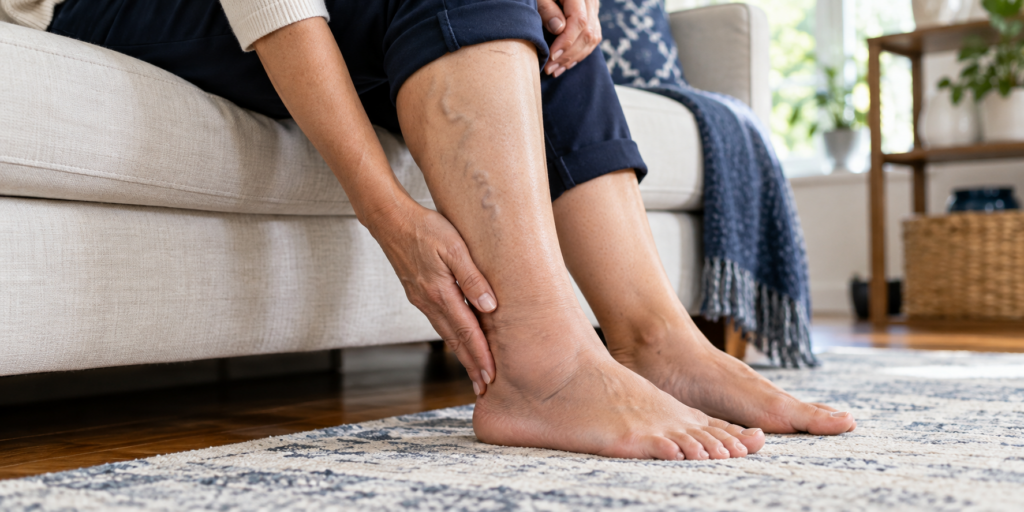
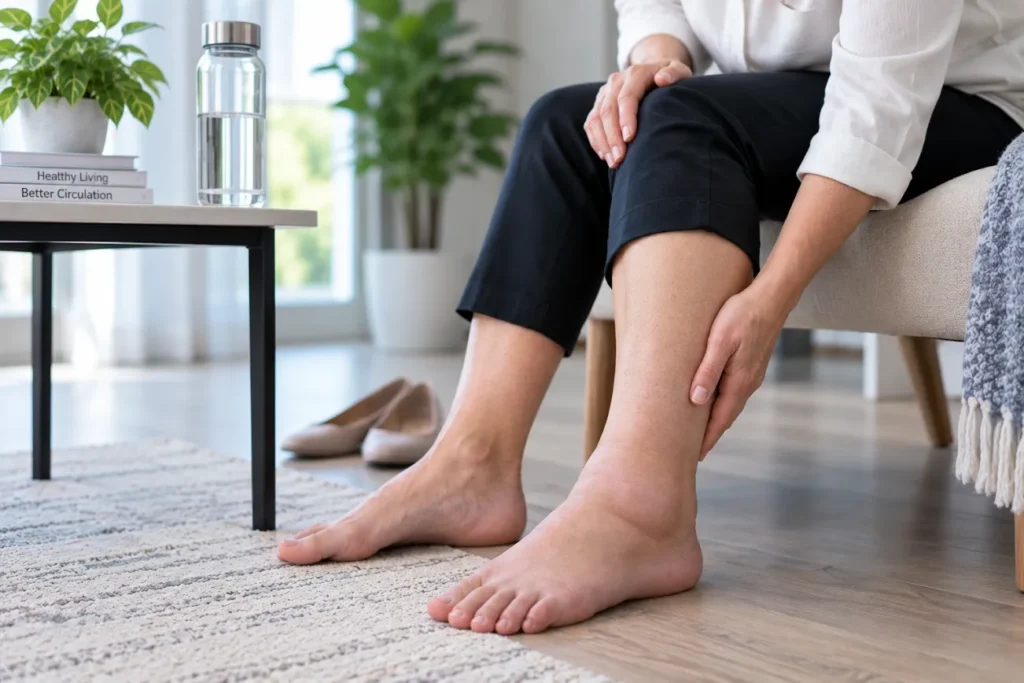
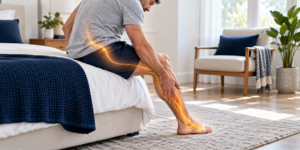
Venous insufficiency is one of the most common vascular conditions in the US  and one that’s often misunderstood. It happens when the tiny one-way valves inside your leg veins stop working properly. Under normal circumstances, these valves open to let blood flow up toward the heart and then snap shut to prevent it from falling back down. When they’re damaged or weakened, blood starts to flow backward and pool in your legs. Over time, this pooling creates high pressure inside the veins. That pressure is what causes the swelling, the persistent aching, the feeling that your legs are heavy or full, and  in more advanced cases, visible varicose veins and skin changes. The good news is that modern venous insufficiency treatment is very effective, especially when caught early.

Venous

What are the stages of venous insufficiency?

Every patient’s venous insufficiency is different. It has stages and is rated using a classification system known as CEAP (Clinical, Etiological, Anatomical, Pathophysiological). Because this helps our venous insufficiency doctors understand your condition, they can create a treatment plan that’s tailored to you.

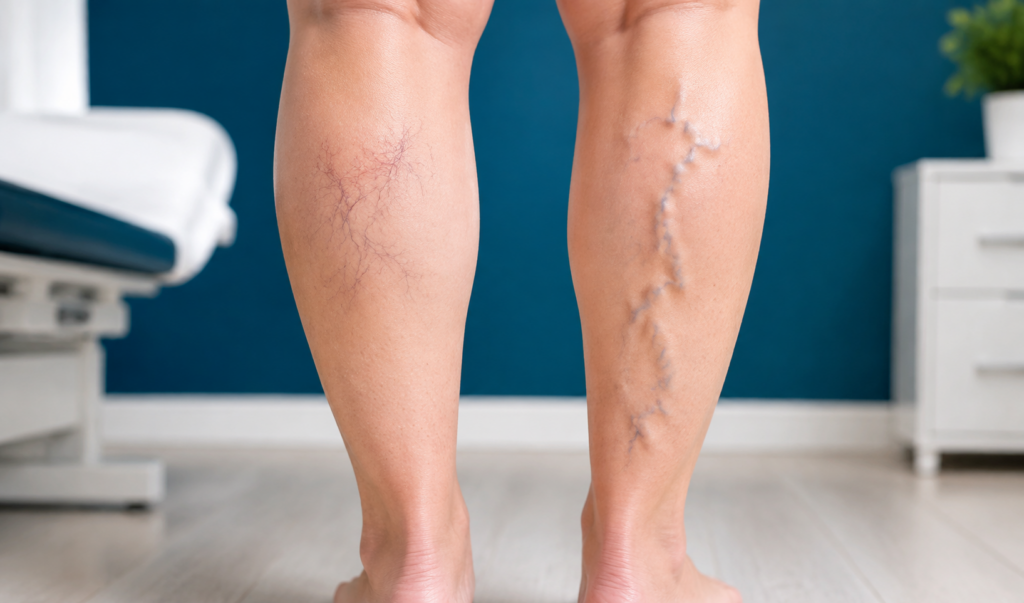
Here are the four most relevant clinical stages of VI:

Diagnosis and Treatment for Venous Insufficiency

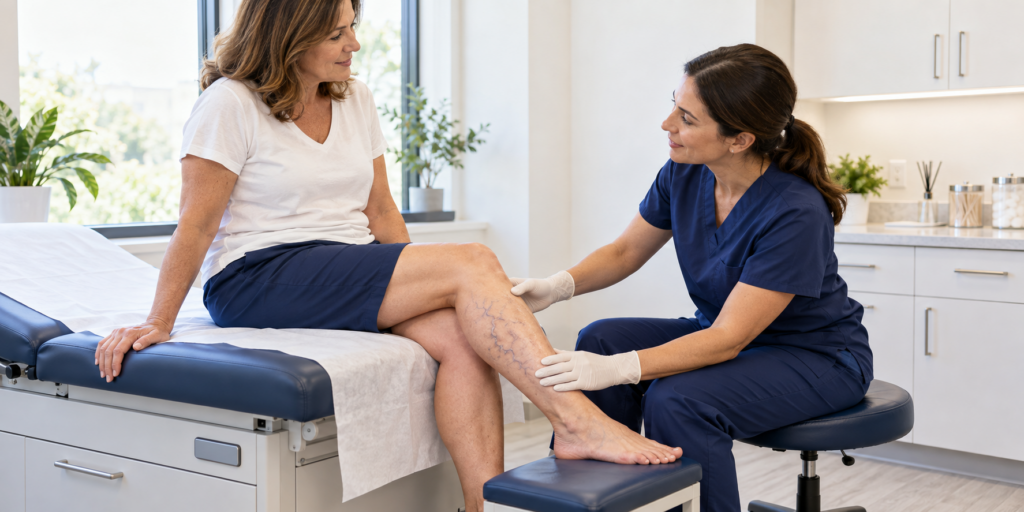
Effective treatment starts with an accurate diagnosis. At MVM Health, we never guess. Our specialists use advanced venous duplex ultrasound to map your blood flow in real time, pinpoint exactly which valves are failing, and measure the extent of venous reflux. From there, we build a treatment plan that’s specific to you  not a one-size-fits-all protocol.

Depending on your stage and symptoms, your personalised plan may include one or more of the following:

  • Venous Duplex Ultrasound: Used to map blood flow and check the function of vein valves.
  • Endovenous Ablation (EVLA/RFA): Closes off larger, diseased veins using targeted energy (heat).
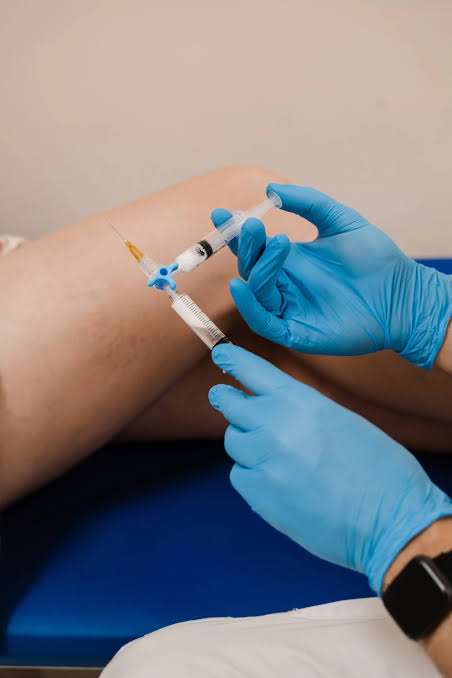
  • Sclerotherapy: Injects a solution to seal off smaller varicose and spider veins.
  • Microphlebectomy: Removes significant, bulging veins through tiny, pin-prick incisions.

All of our procedures are performed in-office, with no general anaesthesia and no lengthy hospital stays. Most patients return to normal activities within a day or two.

Ready to get relief? Schedule a consultation today

If you are experiencing discomfort, heaviness, or visible varicose veins, minimally invasive treatments at MVM Health could provide the relief you need. Our experienced team guides you through every step from diagnosing the issue with advanced ultrasound imaging to ensuring a smooth, safe recovery so you feel supported and confident throughout your care.

Don’t let varicose veins limit your daily life. Take the first step toward healthier, smoother legs by scheduling a consultation with our specialists today. Contact one of our conveniently located offices to learn more about how our advanced vein treatments can improve circulation, reduce discomfort, and enhance your overall quality of life.

Venous

FAQ

What is Venous Insufficiency and what causes it?

Venous Insufficiency (VI) is a common vascular condition that occurs when the one-way valves inside the leg veins become weakened or damaged, preventing blood from flowing efficiently back up to the heart. Blood flows backward and pools in the lower extremities, creating high pressure inside the veins. This pressure buildup leads to the visible swelling, aching, heaviness, and skin changes associated with the condition. Common contributing factors include genetics, prolonged standing, advanced age, excess body weight, and prior deep vein thrombosis.

What are the stages of Venous Insufficiency?

Venous Insufficiency is classified using the CEAP system into four primary clinical stages: Stage 

  1. Spider Veins;
  2. Varicose Veins
  3. Leg Swelling (Edema); 
  4. Skin Changes 

(such as discoloration or ulceration). Understanding the stage is essential for predicting complications and determining the appropriate level of medical intervention.

How is Venous Insufficiency diagnosed at MVM Health?

The cornerstone of diagnosis at MVM Health is Venous Duplex Ultrasound, which maps blood flow and checks the function of vein valves to identify the presence and extent of venous reflux. This is combined with a physical examination and review of symptoms. Accurate diagnosis allows specialists to pinpoint which specific veins are faulty and design a personalized, targeted treatment plan.

What minimally invasive treatments does MVM Health offer for Venous Insufficiency?

MVM Health provides a full spectrum of minimally invasive treatments for Venous Insufficiency, including Endovenous Ablation (EVLA/RFA) to close larger diseased veins using targeted heat energy, Sclerotherapy to seal smaller varicose and spider veins with an injected solution, and Microphlebectomy to remove bulging surface veins through tiny pinprick incisions. All procedures are performed in-office, avoiding the complexity and lengthy recovery of traditional vein-stripping surgery.

What happens if Venous Insufficiency is left untreated?

Untreated Venous Insufficiency tends to progress through the CEAP stages, worsening from spider veins to varicose veins, then to chronic leg swelling, and ultimately to serious skin changes such as thickening, discoloration, and venous ulcers that are slow or difficult to heal. Early diagnosis and treatment at MVM Health can prevent this progression, relieve symptoms, and restore healthy circulation before the condition advances.

How do you fix venous insufficiency in legs?

Venous insufficiency is treated by improving blood flow in the legs. Simple steps like walking, elevating your legs, and wearing compression stockings can help. In more advanced cases, minimally invasive treatments may be used to close damaged veins. The goal is to restore proper circulation and reduce symptoms like swelling and pain.

Can venous insufficiency affect the brain?

Venous insufficiency mainly affects the legs and does not directly impact the brain. However, poor circulation can sometimes cause overall discomfort and fatigue. In rare cases, severe circulation issues may affect general health. It’s important to manage the condition early to avoid complications.

Is walking good for venous insufficiency?

Yes, walking is very helpful for venous insufficiency. It improves blood flow by helping the leg muscles push blood back toward the heart. Regular walking can reduce swelling, pain, and heaviness in the legs. Even short daily walks can make a big difference over time.

Recupere su comodidad y confianza: ¡mejore la salud de sus venas hoy mismo!

Encuentre un alivio duradero para las molestias causadas por afecciones venosas. Hable hoy mismo con nuestros especialistas para lograr unas piernas más sanas y atractivas.

    ¿Está listo para comenzar su evaluación gratuita de las venas?

    Sí, estoy listo.

    ¿Cuál de las siguientes opciones describe mejor la condición de sus piernas?

    Venas abultadas o retorcidas visibles en las piernas (varices)Pequeñas venas rojas, azules o moradas visibles en la piel (arañas vasculares)Sin problemas venosos notables ni síntomas visibles.Heridas, llagas o úlceras en la piel de las piernas

    ¿Experimenta algún síntoma en las piernas, los tobillos o los pies?

    Dolor (sensación dolorosa o calambres)Pesadez / CansancioSensaciones de ardor u hormigueoHinchazónZonas sensibles alrededor de las venasLlagas o úlceras cutáneas cerca del tobillo


    Si usted es candidato para un tratamiento de venas, ¿qué tan preparado está?

    Estoy listo.No estoy seguro. Tengo algunas preguntas.No quiero ayuda para mi problema de venas.


    Seguro (¿No puedes encontrar el plan? Selecciona otra)

    Nombre de la aseguradora


    Nombre de pila *

    Apellido *

    Teléfono *

    Correo electrónico *

    Restore Your Comfort and Confidence: Improve Your Vein Health Today!

    Find lasting relief from uncomfortable vein conditions. Speak with our specialists today to achieve healthier, better-looking legs.

      Are you ready to begin your free vein evaluation?

      Yes, I'm Ready

      Which of the following best describes the condition of her legs?

      Bulging or twisted veins visible on the legs (Varicose Veins)Small red, blue, or purple veins visible on the skin (Spider Veins)No noticeable vein issues or visible symptomsSkin wounds, sores, or ulcers on the legs

      Are you experiencing any symptoms in legs, ankles, or feet?

      Pain (painful sensation or cramps)Heaviness/TirednessBurning or tingling sensationsSwellingSensitive areas around the veinsSkin sores or ulcers near the ankle


      If you are a candidate for vein treatment how ready are you?

      I'm ReadyI'm not sure. I have some questions.I don't want help for my vein problem.


      Insurance (can’t find plan? select other)

      Insurance Name


      First Name *

      Last Name *

      Phone *

      Email *