
pelvic pain

At MVM Health, our interventional pain specialists have extensive experience in diagnosing and treating chronic pelvic pain and chronic pelvic pain syndrome.

VEIN . CONDITIONS . PELVIC PAIN

pelvic pain
pelvic pain

Discover Relief

with Our Pelvic Pain Care Team

Chronic Pelvic Pain often occurs when issues within the pelvis and lower abdomen narrow, placing pressure on nerves or causing circulatory problems. This often leads to persistent discomfort, throbbing, or heaviness. At MVM Health, we understand how debilitating this condition can be. Our team is dedicated to providing compassionate, personalized care with treatments designed to reduce pain, restore function, and help you get back to the activities you enjoy.

Conditions & Causes We Treat

Chronic Pelvic Pain can stem from various sources, often involving vascular, nerve, or musculoskeletal issues. At MVM Health, we treat conditions that frequently cause persistent pelvic discomfort:

By identifying the specific cause of your pelvic pain, we develop a treatment plan that directly targets the source of your symptoms.

  • Pelvic Floor Dysfunction
  • Endometriosis-related Pain
  • Sacroiliac (SI) Joint Dysfunction
  • Post-Surgical Pain
  • Pelvic Venous Congestion
  • Varicose Veins
  • Venous Insufficiency
  • Nerve Entrapment

Interventional Treatment for Chronic Pelvic Pain

In the past, options for treating the debilitating throbbing and aching from chronic pelvic pain were often limited to oral medications or major surgical interventions. At MVM Health, we take a more progressive approach, focused on relieving the nerve or vascular pressure that causes your symptoms, often without relying on heavy opioids or invasive procedures. Through targeted, minimally invasive therapies, we help patients find significant relief from pelvic discomfort, improving their daily comfort and enhancing their overall quality of life.

Our multidisciplinary approach allows us to customize your care for your specific condition. We can explore a variety of treatment options, such as pelvic vein embolization to correct blood pooling, nerve blocks to pinpoint the source of pain, or specialized procedures for SI joint dysfunction. By tailoring each plan to your unique needs, we aim to reduce your pain, restore function, and help you regain an active, fulfilling lifestyle.

Schedule Your Consultation

Interventional Options for Chronic Pelvic Pain

While interventional management may not reverse the underlying anatomical issue, it can significantly reduce the painful nerve and vascular pressure and improve your quality of life. During your initial consultation at MVM Health, our specialists will carefully evaluate the source of your pelvic pain symptoms and work with you to create a personalized treatment plan designed for lasting relief.

Treatment options may include, but are not limited to:

  • Pelvic Vein Embolization
  • Epidural Steroid Injections
  • Nerve Blocks
  • Radiofrequency Ablation
  • Sacroiliac (SI) Joint Injections
  • Trigger Point Injections
  • Spinal Cord Stimulation
  • Peripheral Nerve Stimulation

Advanced Therapy Options for Chronic Pelvic Pain

Alongside our advanced interventional treatments, MVM Health offers specialized therapies that target the underlying vascular and nerve issues—including Pelvic Vein Embolization (PVE) and nerve-focused procedures. For chronic pelvic pain, these treatments are designed to reduce vascular congestion, alleviate pressure around sensitive nerves, and promote the body’s natural healing of damaged pelvic tissues.

Our ultimate goal is to support your long-term relief, restore comfort, and reduce the debilitating throbbing and aching associated with chronic pelvic pain—helping you regain an active lifestyle and improve your quality of life without relying on major invasive surgery.

Do I Have Chronic Pelvic Pain?

Chronic Pelvic Pain refers to ongoing discomfort or aching that occurs below your belly button and between your hips, which can come from nerves, muscles, or circulatory issues. You may feel a dull, persistent ache in your lower abdomen, but the most common symptom is a throbbing heaviness or constant pressure in the pelvic area that often worsens when you are standing, walking, or sitting for extended periods.

In many cases, patients find that this pelvic discomfort is relieved temporarily by lying down or elevating their legs, such as at the end of the day. If you notice that your ability to stand, walk, or sit comfortably is gradually becoming more limited, and you feel the need to lie down for relief, these may be the key signs that you are experiencing chronic pelvic pain.

pelvic pain

What Are the Symptoms

of Chronic Pelvic Pain?

Chronic Pelvic Pain can cause persistent lower abdominal aching and introduce new types of discomfort due to pressure on nerves or veins. Along with ongoing pelvic pain, patients may notice additional symptoms that impact their daily life, particularly their ability to sit and stand, such as:

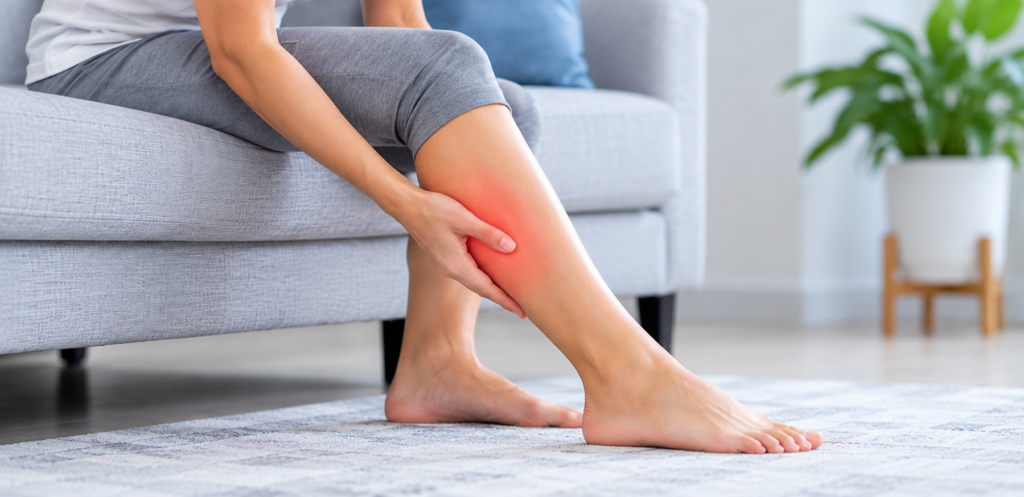
  • Pain, throbbing, or heaviness in the lower abdomen, groin, or buttocks that worsens with sitting or standing.
  • Significant pain relief that occurs when lying down or elevating the legs.
  • Numbness, tingling, or “pins-and-needles” sensations in the groin or inner thighs.
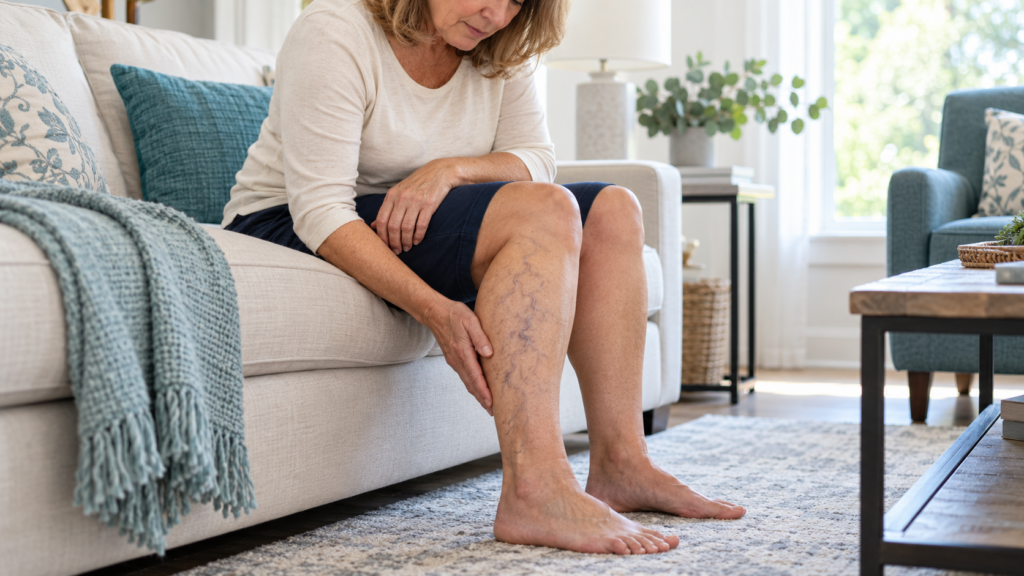
  • Visible varicose veins in the inner thighs, groin, or vulvar region.

What Are the Primary Causes of Chronic Pelvic Pain?

Chronic Pelvic Pain is a condition that typically develops gradually, often as a result of circulatory or nerve issues. While it may sometimes stem from complex gynecological or gastrointestinal causes, several specific factors can contribute to or accelerate its progression, leading to persistent discomfort and heaviness.

Venous Insufficiency

The most common vascular cause is faulty vein valves that allow blood to pool in the pelvic area (Pelvic Venous Congestion). As blood gathers in these enlarged veins, it causes chronic pressure and throbbing, which can then be felt as heaviness or persistent pelvic aching.

Nerve Entrapment or Irritation

Nerves in the lower abdomen and pelvis can become irritated or entrapped by surrounding tissues or scar tissue. This pressure on the sensitive nerves can cause shooting, sharp, or persistent burning pain that contributes significantly to the chronic pelvic discomfort.

Musculoskeletal Issues

While a pain episode may start acutely, the underlying cause is often gradual muscular or joint degeneration. Issues like Sacroiliac (SI) Joint Dysfunction or chronic tension in the pelvic floor muscles can refer pain into the pelvic area. 

How Is Chronic Pelvic Pain Diagnosed?

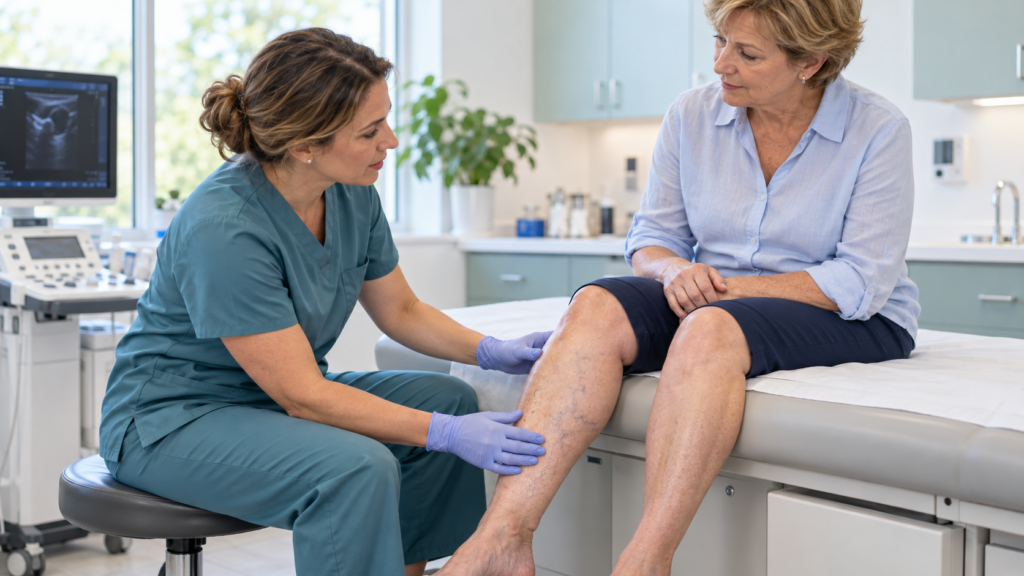
At MVM Health, our specialists focus on identifying the source of the nerve or vascular pressure causing your symptoms. If chronic pelvic pain is suspected, we carefully review your medical history and listen to your description of the pain, particularly how it changes with activities like sitting or standing. This is followed by a thorough physical and neurological examination to assess your pain triggers, muscle health, and reflexes. To confirm the diagnosis and see the exact location of the issue, a Pelvic Venous Duplex Ultrasound is typically recommended to get a complete picture of your pelvic veins and circulation.

pelvic pain

FAQS

What is Chronic Pelvic Pain and how is it related to vein health?

Chronic Pelvic Pain refers to persistent discomfort or aching below the belly button and between the hips, lasting more than six months. A significant vascular cause is Pelvic Venous Congestion   where faulty vein valves allow blood to pool in the pelvic area, causing chronic pressure, throbbing, and heaviness. Other causes treated at MVM Health include nerve entrapment, Pelvic Floor Dysfunction, Endometriosis-related pain, Sacroiliac Joint Dysfunction, and post-surgical pain.

Key symptoms include persistent throbbing or heaviness in the lower abdomen, groin, or buttocks that worsens with sitting or standing and temporarily improves when lying down or elevating the legs. Patients may also experience numbness, tingling, or pins-and-needles sensations in the groin or inner thighs, and visible varicose veins in the inner thighs, groin, or vulvar region.

MVM Health’s diagnosis process begins with a thorough review of medical history and a detailed description of how the pain changes with activity such as sitting or standing. This is followed by a physical and neurological examination. A Pelvic Venous Duplex Ultrasound is typically recommended to map pelvic veins and circulation, confirming the diagnosis and identifying the precise location of the vascular or nerve issue.

What minimally invasive treatments are available for Chronic Pelvic Pain?

MVM Health offers a range of targeted, minimally invasive treatment options including Pelvic Vein Embolization (PVE) to correct blood pooling, Epidural Steroid Injections, Nerve Blocks, Radiofrequency Ablation, Sacroiliac (SI) Joint Injections, Trigger Point Injections, Spinal Cord Stimulation, and Peripheral Nerve Stimulation   all designed to relieve nerve and vascular pressure without reliance on major surgery or heavy opioids.

Yes. Pelvic Vein Embolization (PVE) is a highly effective minimally invasive procedure that closes the enlarged, congested pelvic veins responsible for chronic pressure and throbbing. By reducing vascular congestion and alleviating pressure on sensitive pelvic nerves, PVE can provide significant long-term pain relief, restore daily function, and improve quality of life without requiring invasive surgery.

FAQ

What is Chronic Pelvic Pain and how is it related to vein health?

Chronic Pelvic Pain refers to persistent discomfort or aching below the belly button and between the hips, lasting more than six months. A significant vascular cause is Pelvic Venous Congestion   where faulty vein valves allow blood to pool in the pelvic area, causing chronic pressure, throbbing, and heaviness. Other causes treated at MVM Health include nerve entrapment, Pelvic Floor Dysfunction, Endometriosis-related pain, Sacroiliac Joint Dysfunction, and post-surgical pain.

What are the key symptoms that may indicate Chronic Pelvic Pain?

Key symptoms include persistent throbbing or heaviness in the lower abdomen, groin, or buttocks that worsens with sitting or standing and temporarily improves when lying down or elevating the legs. Patients may also experience numbness, tingling, or pins-and-needles sensations in the groin or inner thighs, and visible varicose veins in the inner thighs, groin, or vulvar region.

How is Chronic Pelvic Pain diagnosed at MVM Health?

MVM Health’s diagnosis process begins with a thorough review of medical history and a detailed description of how the pain changes with activity such as sitting or standing. This is followed by a physical and neurological examination. A Pelvic Venous Duplex Ultrasound is typically recommended to map pelvic veins and circulation, confirming the diagnosis and identifying the precise location of the vascular or nerve issue.

What minimally invasive treatments are available for Chronic Pelvic Pain?

MVM Health offers a range of targeted, minimally invasive treatment options including Pelvic Vein Embolization (PVE) to correct blood pooling, Epidural Steroid Injections, Nerve Blocks, Radiofrequency Ablation, Sacroiliac (SI) Joint Injections, Trigger Point Injections, Spinal Cord Stimulation, and Peripheral Nerve Stimulation   all designed to relieve nerve and vascular pressure without reliance on major surgery or heavy opioids.

Can Pelvic Vein Embolization provide lasting relief from Chronic Pelvic Pain?

Yes. Pelvic Vein Embolization (PVE) is a highly effective minimally invasive procedure that closes the enlarged, congested pelvic veins responsible for chronic pressure and throbbing. By reducing vascular congestion and alleviating pressure on sensitive pelvic nerves, PVE can provide significant long-term pain relief, restore daily function, and improve quality of life without requiring invasive surgery.

Recupere su comodidad y confianza: ¡mejore la salud de sus venas hoy mismo!

Encuentre un alivio duradero para las molestias causadas por afecciones venosas. Hable hoy mismo con nuestros especialistas para lograr unas piernas más sanas y atractivas.

    ¿Está listo para comenzar su evaluación gratuita de las venas?

    Sí, estoy listo.

    ¿Cuál de las siguientes opciones describe mejor la condición de sus piernas?

    Venas abultadas o retorcidas visibles en las piernas (varices)Pequeñas venas rojas, azules o moradas visibles en la piel (arañas vasculares)Sin problemas venosos notables ni síntomas visibles.Heridas, llagas o úlceras en la piel de las piernas

    ¿Experimenta algún síntoma en las piernas, los tobillos o los pies?

    Dolor (sensación dolorosa o calambres)Pesadez / CansancioSensaciones de ardor u hormigueoHinchazónZonas sensibles alrededor de las venasLlagas o úlceras cutáneas cerca del tobillo


    Si usted es candidato para un tratamiento de venas, ¿qué tan preparado está?

    Estoy listo.No estoy seguro. Tengo algunas preguntas.No quiero ayuda para mi problema de venas.


    Seguro (¿No puedes encontrar el plan? Selecciona otra)

    Nombre de la aseguradora


    Nombre de pila *

    Apellido *

    Teléfono *

    Correo electrónico *

    Restore Your Comfort and Confidence: Improve Your Vein Health Today!

    Find lasting relief from uncomfortable vein conditions. Speak with our specialists today to achieve healthier, better-looking legs.

      Are you ready to begin your free vein evaluation?

      Yes, I'm Ready

      Which of the following best describes the condition of her legs?

      Bulging or twisted veins visible on the legs (Varicose Veins)Small red, blue, or purple veins visible on the skin (Spider Veins)No noticeable vein issues or visible symptomsSkin wounds, sores, or ulcers on the legs

      Are you experiencing any symptoms in legs, ankles, or feet?

      Pain (painful sensation or cramps)Heaviness/TirednessBurning or tingling sensationsSwellingSensitive areas around the veinsSkin sores or ulcers near the ankle


      If you are a candidate for vein treatment how ready are you?

      I'm ReadyI'm not sure. I have some questions.I don't want help for my vein problem.


      Insurance (can’t find plan? select other)

      Insurance Name


      First Name *

      Last Name *

      Phone *

      Email *