
Do you have varicose veins that are causing you discomfort?
Will My Health Plan Cover Varicose Vein Treatment?
Our State-Of-The-Art Treatments Can Eliminate Varicose Vein And Your Health Plan May Cover The Full Cost.
Answer A Few Questions & Find Out Today
Prefer to Call?
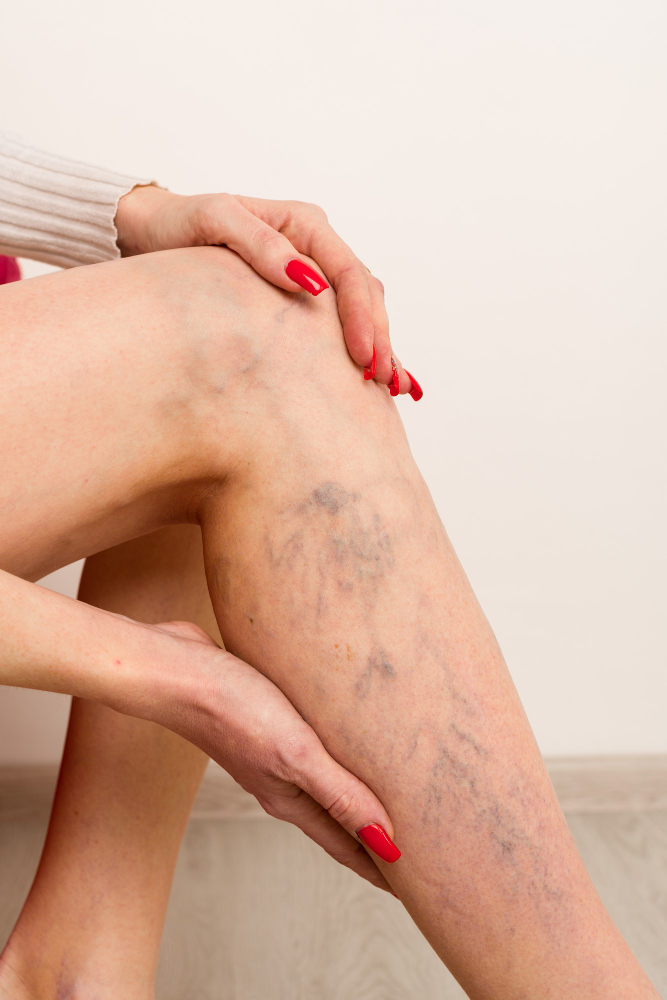
What are Varicose Veins
Varicose veins are bulging, twisted, and often discolored veins frequently found in the legs. They are branches of other veins found deeper inside the leg. Varicose veins occur when the valves inside the veins don’t function properly, allowing blood to flow backwards. Normally, the valves in your veins are responsible for supporting the circulation of blood back to the heart. But when these valves become damaged, weak, or defective and don’t work well, blood can also flow backwards.
This backflow, or reflux, causes blood to pool in the veins, stretching and twisting them. The veins become reservoirs that can no longer carry blood back to the heart. This reversal of blood flow and accumulation of additional blood in the veins leads to excessive pressure in the veins causing leg discomfort.
Receiving the appropriate diagnosis and treatment can help restore blood circulation so you can get back to your life, symptom free.
Varicose Vein Symptoms
- Leg pain
- Achiness in the legs
- Heaviness in the legs
- Throbbing in the legs
- Itching
- Burning
- Leg cramps (Charley Horse)
- Leg fatigue
- Restless legs
- Tightness of the skin
- Swelling in the lower legs or ankles
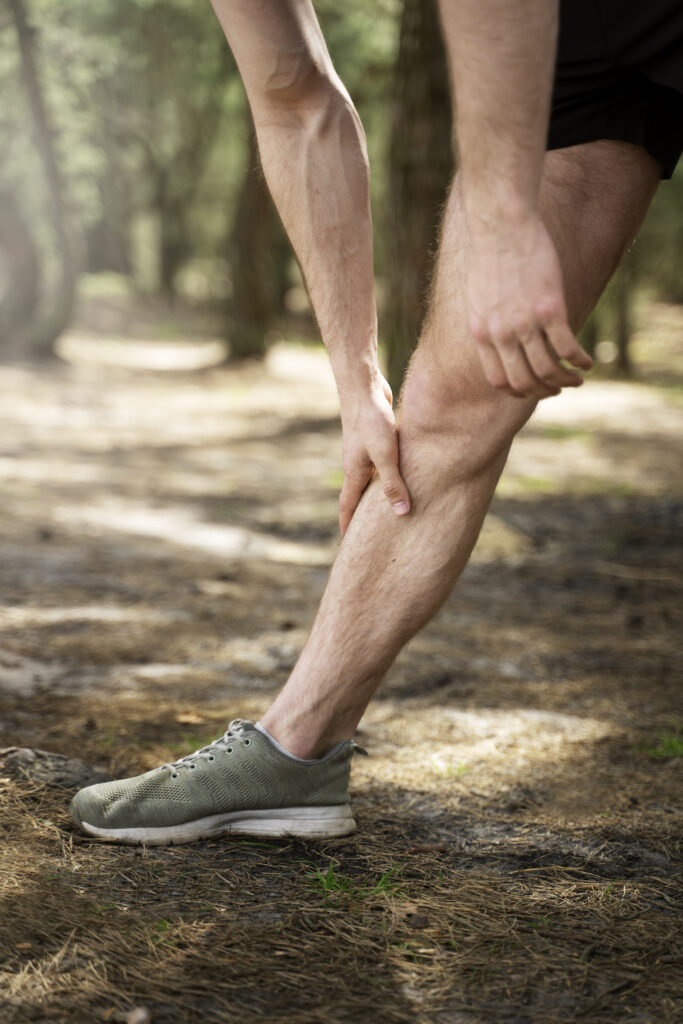
What Causes Varicose Veins?
There are certain circumstances that can put people at a higher risk for varicose veins, including:
- Genetics; if your parents or grandparents had varicose veins, you’re more likely too
- Increased age
- Hormone shifts
- Pregnancy, particularly multiple pregnancies
- Sitting or standing for long periods on a regular basis
- A sedentary lifestyle
- Obesity
- Smoking
- Occupational requirements
- Diabetes
- Hypertension
- High cholesterol
- History of blood clots
- Trauma/injury of the legs
- Venous Insufficiency
- Venous Hypertension
Varicose Vein Treatment Options
Varicose veins cannot resolve on their own. They require varicose vein treatment, particularly if they’re causing you discomfort. There are several potential treatment options, and depending on lifestyle factors and the severity of the varicose veins, a singular treatment or a combination of treatment methods may be the answer.
The goal when treating varicose veins is to resolve unpleasant symptoms, improve quality of life, stave off potential serious complications, and improve appearance. In order to achieve those goals, the underlying problem must be addressed or a reoccurrence of varicose veins and the symptoms that accompany them is likely. Oftentimes, that means treating the saphenous veins from which most varicose and spider veins branch off.
Varicose Vein Treatment Options
If your varicose veins aren’t serious, aren’t causing problems, and you don’t mind how they look, lifestyle changes may be recommended to help slow their progression.
Sclerotherapy
VenaSealTM
Endovenous Laser Ablation
Microphlebectomy
Book Your Consultation at MVM Health For Varicose Vein Help Today.
Find Answers at MVM Health
- Minimally invasive
- No hospital stay
- No downtime
- No general anesthesia
- Typically no stitches
- Little to no discomfort
- Covered by most insurance plans including Medicare
Request a Consultation & Verify Insurance Benefits
Click the Button Below and Complete the Form
Or Call:
FAQS
What is the best treatment for varicose veins?
The best treatment depends on the severity of your condition. Common and effective options include laser therapy, radiofrequency ablation, sclerotherapy, and minimally invasive vein closure procedures. A vein specialist will recommend the most suitable option after evaluation.
How long does it take to recover from vein treatment?
Most modern vein treatments require little to no downtime. Many patients return to normal daily activities within 24–48 hours, depending on the procedure and individual healing.
Can spider veins come back after treatment?
The treated veins usually do not return. However, if underlying vein issues or lifestyle factors remain unaddressed, new spider veins may develop over time. Regular follow-up and preventive care help maintain results.
What are the early signs of varicose veins?
Early signs include:
- Visible blue or purple veins
- Leg heaviness or fatigue
- Swelling in the legs or ankles
- Aching, throbbing, or cramping pain
- Itching or burning around the veins
If you notice these symptoms, early treatment can help prevent progression.
Are varicose veins dangerous or just cosmetic?
Varicose veins are not only cosmetic. If left untreated, they can lead to circulation problems, skin changes, blood clots, and even ulcers. Early diagnosis and treatment help prevent complications.
What is the best treatment for varicose veins?
The most effective treatment varies by patient, but minimally invasive procedures such as laser therapy, sclerotherapy, and vein ablation are considered safe, effective, and long-lasting options with quick recovery times.
Recovery time after laser vein removal
Recovery after laser vein removal is typically:
- Same-day discharge
- Normal walking immediately
- Back to routine within 24–48 hours
- Visible improvement within weeks