
In our fast-paced world, many of us push our bodies to the limit, often ignoring the signals it sends when something isn’t quite right. One common yet frequently overlooked symptom is the sensation of heavy legs. This feeling can range from mild discomfort to a debilitating heaviness that affects daily activities. Understanding the underlying causes of heavy legs is crucial for addressing the problem and improving quality of life.
Common Causes of Heavy Legs
Poor Circulation
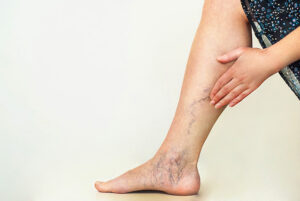
One of the primary culprits behind heavy legs is poor circulation. When blood flow is restricted, it can cause a buildup of fluids and lead to swelling and heaviness. Conditions such as chronic venous insufficiency (CVI) and varicose veins are common contributors. CVI occurs when the veins in your legs are unable to efficiently return blood to the heart, leading to pooling and increased pressure in the veins.
Muscle Fatigue and Overuse
Another frequent cause of heavy legs is muscle fatigue, often resulting from overuse. This can occur after intense physical activity or prolonged periods of standing or walking. The muscles in your legs may become tired and sore, leading to a sensation of heaviness.
Dehydration
Dehydration can also play a significant role in the feeling of heavy legs. When the body lacks adequate fluids, blood volume decreases, which can impair circulation and lead to muscle fatigue. Staying hydrated is essential for maintaining optimal circulation and muscle function.
Less Recognized Causes
Peripheral Artery Disease (PAD)
Peripheral artery disease is a condition where the arteries in the legs become narrowed or blocked, reducing blood flow to the muscles. This can lead to pain, cramping, and a heavy feeling in the legs, particularly during physical activity. PAD is a serious condition that requires medical attention and lifestyle changes to manage.
Neurological Conditions
Certain neurological conditions can also result in heavy legs. Multiple sclerosis (MS) and other disorders affecting the nervous system can lead to muscle weakness and heaviness. In MS, the immune system attacks the protective covering of nerves, leading to communication problems between the brain and the rest of the body.
Hormonal Imbalances
Hormonal imbalances, particularly in women, can contribute to the sensation of heavy legs. Hormonal changes during menstruation, pregnancy, and menopause can lead to fluid retention and increased pressure in the veins, resulting in leg heaviness.
Lifestyle Factors
Sedentary Lifestyle
Leading a sedentary lifestyle can exacerbate feelings of heaviness in the legs. Lack of movement can lead to poor circulation and muscle atrophy, both of which contribute to the sensation of heavy legs. Regular physical activity is essential for maintaining healthy circulation and muscle strength.
Diet and Nutrition
Your diet can have a significant impact on how your legs feel. A diet high in salt can cause fluid retention, while a lack of essential nutrients like magnesium and potassium can lead to muscle fatigue and weakness. Ensuring a balanced diet rich in fruits, vegetables, and lean proteins can help alleviate these issues.
Medical Conditions
Diabetes
Diabetes can cause peripheral neuropathy, a condition characterized by nerve damage that can lead to a sensation of heaviness in the legs. Proper management of blood sugar levels is crucial in preventing and treating this condition.
Lymphedema
Lymphedema is a condition where excess lymphatic fluid collects in tissues, causing swelling and heaviness, particularly in the legs. This condition often requires specialized treatment and management strategies to control fluid buildup and improve symptoms.
Conclusion
Feeling as though your legs are heavy can be more than just a minor inconvenience; it can signal underlying health issues that require attention. By understanding the various causes and taking proactive steps to address them, you can alleviate symptoms and improve your overall well-being. If you experience persistent or severe symptoms, it’s important to seek professional medical advice to determine the best course of action for your specific situation.
Root Causes of Restless Leg Syndrome: Unraveling the Mystery Behind the Condition