Osteoarthritis, a condition marked by the deterioration of joint cartilage, significantly impairs mobility and quality of life for millions globally. Among the myriad of joints it affects, the knee bears a substantial burden, making daily activities challenging and painful. In the quest for effective management strategies, an intriguing focus has emerged: the strengthening of the popliteus muscle. This article delves into the viability of this approach, offering insights into the anatomy, function, and therapeutic potential of the popliteus in mitigating knee pain associated with osteoarthritis.
Osteoarthritis and Knee Pain
Osteoarthritis is not merely a disease of wear and tear but a complex process involving cartilage degradation, bone changes, and inflammation. The knee, a vital joint for human mobility, often succumbs to OA’s grip, manifesting symptoms like pain, swelling, and a marked decrease in movement range.
The disease’s etiology is multifaceted, encompassing genetic predispositions, age-related changes, excessive weight, and previous joint injuries. These factors collectively contribute to the knee’s gradual decline, spotlighting the urgent need for effective management strategies.
The Popliteus: A Key Player in Knee Health
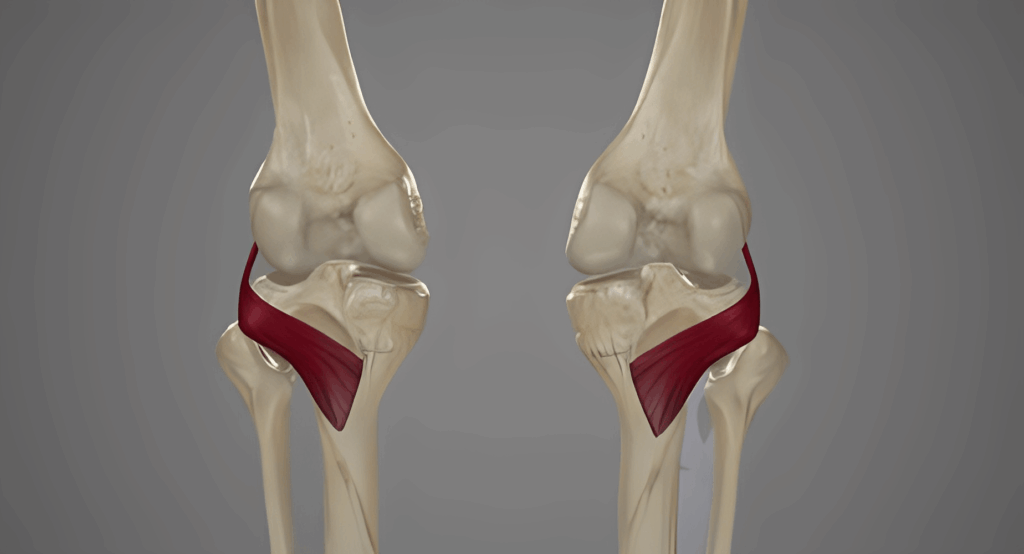
Tucked away behind the knee, the popliteus muscle may be small, yet its impact on knee mechanics is profound. This muscle initiates knee flexion from a fully extended position and acts as a stabilizer, preventing excessive lateral rotation of the tibia. In the context of osteoarthritis, the popliteus’s health is paramount. A well-functioning popliteus supports the knee’s complex movements, potentially easing the strain on compromised joints and mitigating OA’s progression.
Strengthening the Popliteus and Combatting Knee OA
Emerging research underscores the significance of muscular strength in managing knee OA. Studies suggest that reinforcing the musculature surrounding the knee, including the often-overlooked popliteus, can alleviate pain, enhance joint function, and perhaps decelerate OA’s advancement. Although direct research on the popliteus is nascent, the prevailing evidence advocates for its inclusion in OA management protocols. These findings illuminate the pathway for innovative therapeutic exercises tailored to fortify the popliteus, promising an additional lever in the battle against knee OA.
A Practical Guide to Popliteus Strengthening
To harness the popliteus’s potential in OA management, specific exercises are recommended. Initiatives like heel slides, which promote gentle knee flexion, and resistance band exercises targeting the posterior knee, are essential. These activities, designed to incrementally bolster the popliteus, necessitate careful execution to preclude undue stress on the knee. Engaging with a physical therapy professional can ensure these exercises are not only effective but also adapted to individual needs and OA stages, maximizing benefits while minimizing risks.
Beyond Muscle Strengthening: A Comprehensive OA Management Philosophy
While popliteus strengthening presents a promising adjunct in OA treatment, it’s a single facet of a multifaceted condition. A holistic approach, incorporating weight management, regular physical activity, and appropriate medical interventions, is indispensable.
Non-surgical options like NSAIDs and corticosteroid injections offer symptomatic relief, whereas surgical procedures may be warranted in more severe cases. This integrated treatment model underscores the necessity of a personalized, comprehensive strategy in managing knee OA, with popliteus strengthening as a potential component.
Conclusion: The Path Forward in OA Management
The exploration of popliteus muscle strengthening as a strategy for knee OA management opens new avenues for research and treatment. This approach, grounded in a deep understanding of knee anatomy and the dynamics of osteoarthritis, invites a reevaluation of conventional treatment paradigms.
By integrating targeted muscle strengthening with broader management strategies, there’s a hopeful pathway toward mitigating the impact of OA, enhancing mobility, and improving the quality of life for those affected. As we advance our understanding and application of these principles, the popliteus muscle, small yet mighty, may indeed hold a key to unlocking greater freedom and comfort for people grappling with knee osteoarthritis.