
Surgery is not the only answer when your spine starts causing problems and for most people, it doesn’t need to be.
If you’ve been told you might need an operation, or if you’ve been managing back or neck pain for months without real progress, you’re not out of options. Minimally invasive spine care in Lehigh Valley has come a long way, and the range of non-surgical treatments now available means that many patients who once felt surgery was inevitable are finding lasting relief without ever going under the knife.
Here’s what those treatments actually look like and how to know which option may be right for you.
Why Non-Surgical Spine Care Should Come First
The spine is complex. It’s also deeply personal – what causes pain in one person may barely register in another. That’s why responsible spine care solutions don’t start with a surgical recommendation. They start with a thorough evaluation.
At At MVM Health’s Bethlehem Pain Management Clinic, which serves patients across the Lehigh Valley, specialists trained at institutions including Harvard Medical School and Johns Hopkins take a diagnostic-first approach. Before any treatment is recommended, they use advanced imaging, nerve studies, and detailed physical assessment to understand exactly which structure is generating your pain and why.
That picture determines everything else.
Various Non-Surgical Spine Pain Treatments in Lehigh Valley
Epidural Steroid Injections
When a spinal disc pushes against a nearby nerve root, the inflammation that follows is often responsible for the sharp, radiating pain that travels down the leg or arm. An epidural steroid injection delivers anti-inflammatory medication directly to the site of that irritation.
Patients with herniated discs, spinal stenosis, or degenerative disc disease may respond well to epidural steroid injections. Relief can last weeks to months, and it is frequently used as a bridge while the underlying condition is being managed.
Medial Branch Block and Radiofrequency Ablation
If your pain is coming from the small facet joints along the spine rather than the discs, a medial branch block can confirm the diagnosis. A small amount of numbing medication is injected near the nerve branches that supply those joints. If pain significantly improves, it confirms the source.
After a source is identified, controlled heat is applied by radiofrequency ablation (RFA) to block the pain signals transmitted by those nerves. Results typically last 9 to 18 months, and the procedure can be repeated. It’s one of the more effective spine pain treatments available for facet-related back and neck pain.
Sacroiliac Joint Injection
The sacroiliac joint sits where the spine meets the pelvis. It’s a commonly missed diagnosis – patients often spend years being treated for disc or nerve problems when the SI joint was the source all along.
A targeted sacroiliac joint injection delivers both a diagnostic and therapeutic dose directly to that joint, helping confirm the diagnosis and reduce inflammation at the same time.
Nerve Blocks
Nerve blocks are offered where the pain is in a pattern of distribution relating to a nerve. MVM Health offers a number of types of nerve blocks depending on where the symptoms are and how they are distributed-these include sciatic nerve blocks for leg pain, and intercostal nerve blocks for rib/chest wall pain originating from the spine.
Spinal Cord Stimulator Trial
A spinal cord stimulator trial can be a good next step for patients who have significant chronic spinal pain but do not have good enough pain relief from injections or other conservative methods and who wish to avoid surgery.
A temporary wire is placed next to the spinal cord, which then provides electrical pulses at very low levels to prevent pain impulses from reaching the brain. The patient may try this wire for 7-10 days, and if a good level of pain relief is achieved, a permanently placed system can be implanted. It’s one of the most effective spine care solutions for complex, long-standing pain.
Regenerative Medicine for Spine Conditions
MVM Health also offers regenerative options for patients who want to address the damaged tissue itself rather than just managing pain signals.
- Platelet-Rich Plasma (PRP) therapy uses concentrated healing factors from the patient’s own blood, injected directly to damaged discs or surrounding joints
- Bone Marrow Aspirate Concentrate (BMAC) delivers stem cell-rich material to support tissue repair at a cellular level
These treatments are particularly relevant for patients with degenerative disc disease or facet joint arthritis who are not yet candidates for more involved procedures.
Conditions Commonly Treated Without Surgery
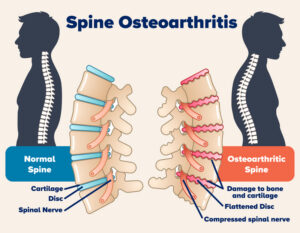
Minimally invasive spine care in Lehigh Valley through MVM Health addresses a wide range of conditions, including:
- Herniated and bulging discs
- Degenerative disc disease
- Spinal stenosis
- sciatica and nerve root compression
- Spondylosis and spondylolisthesis
- Facet joint arthritis
- Spinal fractures related to osteoporosis
- Neck and back pain from rheumatoid arthritis
Most of these conditions have a clear non-surgical pathway when caught and treated properly.
What Makes MVM Health’s Approach Different
There are several pain management providers in the Lehigh Valley area. What separates MVM Health is the depth of specialist training behind the care. The physician team includes fellowship-trained specialists with backgrounds from Harvard Medical School, Johns Hopkins, Brigham and Women’s Hospital, and Baylor College of Medicine.
That caliber of training typically only exists in major academic medical centers. Having it available locally in Bethlehem, PA means Lehigh Valley patients don’t need to travel to Philadelphia or New York to access the same level of expertise.
Appointments are available in person at the Bethlehem location and via telehealth for initial evaluations and follow-up care.
Schedule a Spine Pain Evaluation in Lehigh Valley
If back pain, neck pain, sciatica, or spine-related discomfort is affecting your daily life, MVM Health can help you explore non-surgical treatment options. Schedule an evaluation at MVM Health’s Bethlehem location, serving patients throughout the Lehigh Valley, or visit one of our Pennsylvania locations in East Stroudsburg, Reading, Wayne, or Exton.
Key Takeaway
Minimally invasive spine care in Lehigh Valley can help many patients manage back pain, neck pain, sciatica, herniated discs, spinal stenosis, and arthritis-related spine pain without surgery. At MVM Health in Bethlehem, PA, patients receive a diagnostic-first evaluation to identify the source of pain and match them with the most appropriate non-surgical treatment option.
Frequently Asked Questions
Q1. What is minimally invasive spine care in Lehigh Valley and how does it differ from surgery?
Minimally invasive spine care refers to procedures that target the source of spinal pain through injections, nerve treatments, or small-device implants without requiring open surgery, general anesthesia, or significant recovery time. Most procedures are performed in an outpatient setting and patients return home the same day. Surgery involves cutting through tissue, longer recovery, and higher risk of complications. Non-surgical options are appropriate for the majority of spine conditions when properly evaluated and diagnosed.
Q2. How do I know which spine pain treatment is right for my condition?
The right treatment depends on which structure in your spine is causing pain and why. That’s why a proper diagnostic evaluation comes before any recommendation. At MVM Health, imaging, nerve studies, and clinical assessment are used together to identify the source before a spine pain treatment plan is built. There is no standard protocol – each plan is individualized.
Q3. Are these spine care solutions covered by insurance?
Many non-surgical spine treatments including epidural steroid injections, radiofrequency ablation, nerve blocks, and spinal cord stimulator trials are covered by major insurance plans including Medicare and most commercial insurers. MVM Health accepts most major insurance providers and can assist with coverage verification before your appointment.
Q4. How long does it take to see results from non-surgical spine treatments?
It depends on the treatment. Epidural injections often provide noticeable relief within a few days to a week. Radiofrequency ablation typically takes two to three weeks for full effect. Regenerative treatments like PRP may take four to eight weeks as tissue repair progresses. Your care team will set realistic expectations based on your specific condition.
Q5. When is surgery actually necessary for spine conditions?
Surgery becomes appropriate when a structural problem cannot be adequately addressed through non-surgical means, when there is significant nerve compression causing loss of bladder or bowel function, or when progressive neurological deficits are present. For the majority of spine conditions, however, a well-executed non-surgical treatment plan delivers meaningful, lasting improvement. MVM Health also offers second opinion consultations for patients who have been told surgery is their only option.