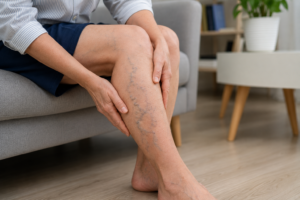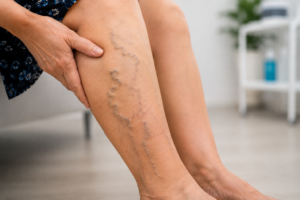
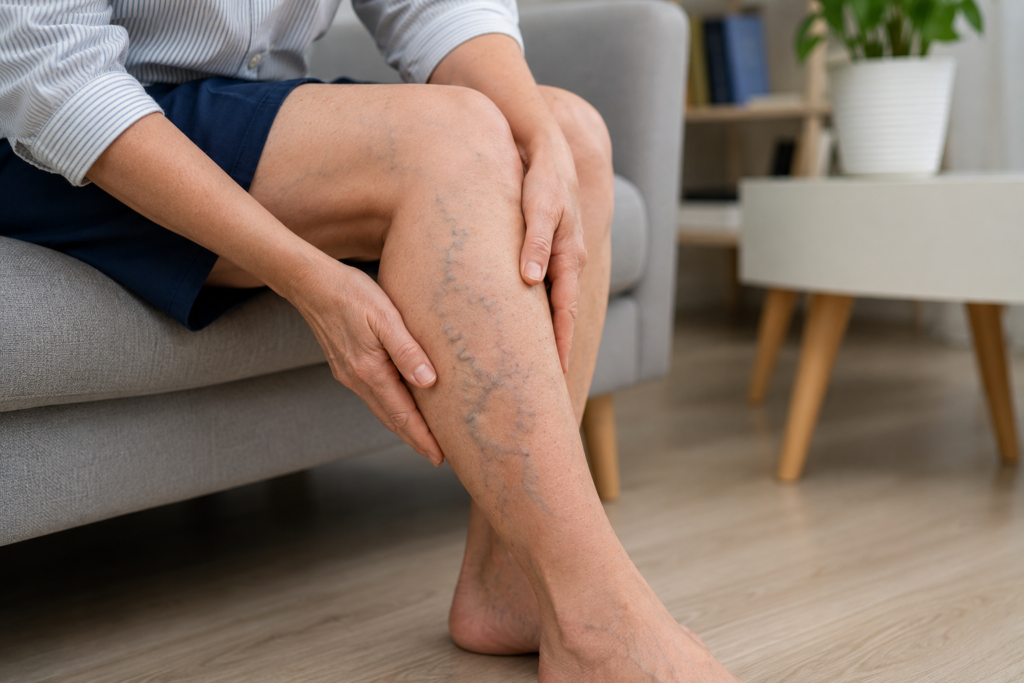
If you’ve been searching for varicose vein treatment in Bethlehem, PA, you’ve probably already noticed that the options are confusing. Laser. Injections. Radiofrequency. Surgery. Compression stockings. Some clinics offer one or two. Others claim to do everything. And very few tell you upfront what actually makes a difference and why for your specific situation.
This article cuts through that noise. It covers what varicose vein disease actually is, why certain treatments work, and others don’t, and what the process looks like at MVM Health, a dedicated vein practice with board-certified specialists serving Bethlehem and the surrounding Lehigh Valley region.
What Varicose Vein Disease Actually Is and Why It Matters
Most people think of varicose veins as a cosmetic problem, bulging, discolored veins on the legs that look unsightly but don’t really cause harm. That framing misses something important.
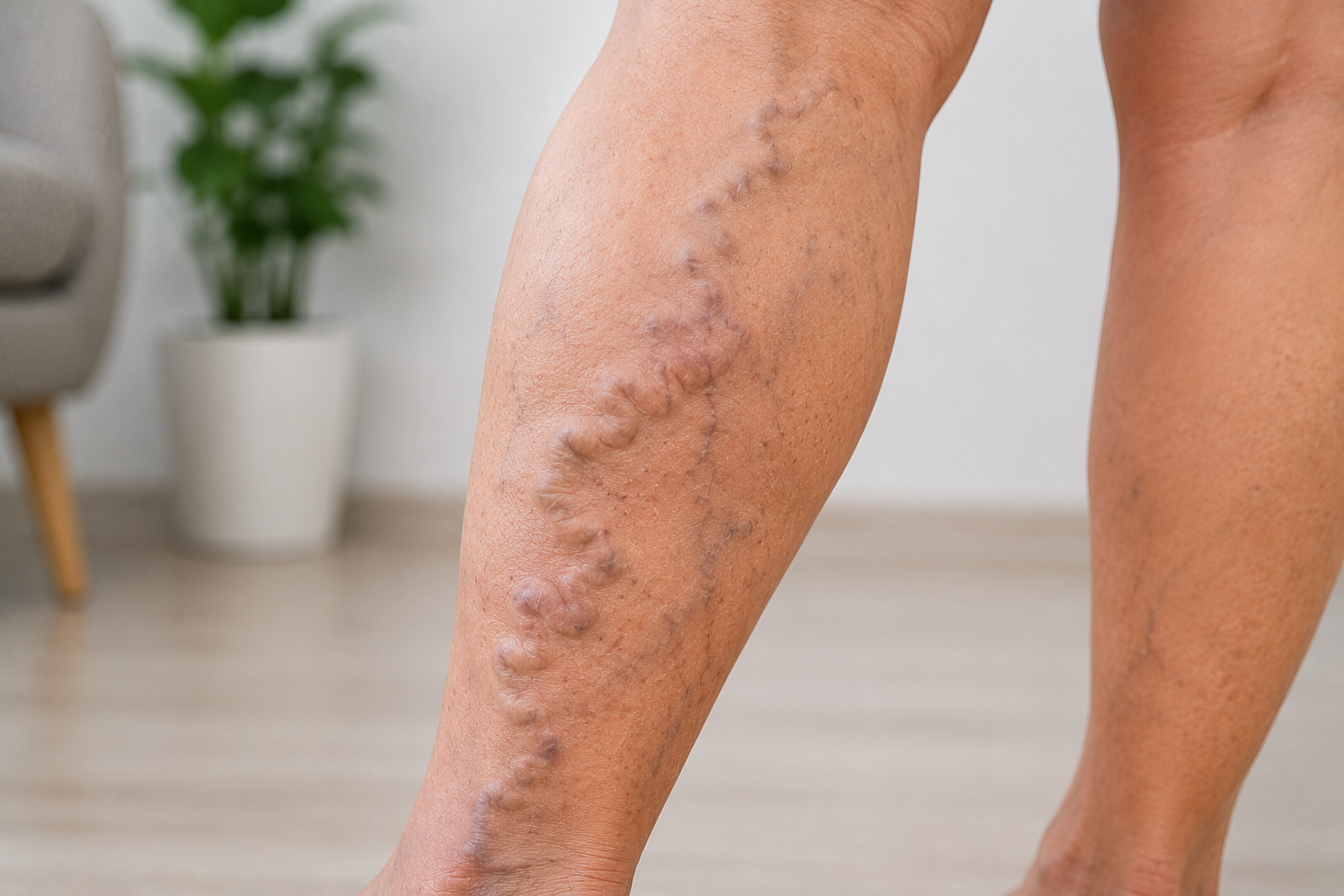
Varicose veins are a symptom of an underlying condition called chronic venous insufficiency (CVI). Inside every leg vein, there are small one-way valves designed to keep blood moving upward toward the heart. When those valves weaken from genetics, age, pregnancy, weight, or years of standing, blood starts flowing backward. It pools. Pressure builds inside the vein. The vein wall stretches and twists under that pressure, eventually bulging visibly through the skin.
That visible bulge is what most people focus on. But the damage driving it is internal, and it doesn’t stop progressing just because you ignore it.
The honest reason this matters isn’t to alarm anyone; it’s because understanding that varicose veins are a disease, not just a cosmetic issue, is what changes the way people approach getting care. It stops being something to ‘deal with eventually’ and becomes something worth addressing on a reasonable timeline.
Symptoms That Go Beyond What You Can See
The visible veins often get all the attention, but for most patients, the symptoms they actually live with day to day are things they can feel, not see.
- Leg heaviness and aching: That dragging, weighted feeling in the legs, usually worse by afternoon or evening, is one of the earliest and most consistent signs of venous disease. It’s not tiredness from exertion. It’s circulatory.
- Swelling in the ankles and calves: Venous swelling follows a daily pattern: manageable in the morning, noticeably worse by evening, improved overnight, then returning again. The cycle repeating is the giveaway.
- Night cramps: Sudden, painful cramping in the calf, the kind that wakes you up, is frequently associated with underlying venous insufficiency, though it’s rarely framed that way.
- Itching over the veins: Particularly around the ankle, itching can indicate that elevated venous pressure is affecting the surrounding skin tissue.
- Skin changes near the ankle: Brownish discoloration, thickening, or any area of skin that looks different from the rest of the leg, especially lower down, is a sign of more advanced venous disease.
- Restless legs at night: The persistent urge to move or reposition the legs when trying to sleep is frequently tied to poor venous circulation, though many patients have never been told this.
If several of these sound familiar, the right next step is an evaluation not more research, not more compression stockings, not waiting to see if it gets better. It won’t resolve on its own.
Varicose Vein Treatment in Bethlehem, PA: What Actually Works?
Here’s the honest answer: what works depends entirely on what’s driving your varicose veins. That’s why the first step at any reputable vein clinic is imaging, specifically, duplex ultrasound, before a treatment recommendation is made. Anyone offering a treatment plan based only on what your legs look like from the outside is making an educated guess at best.
With imaging, your specialist can see exactly where the valve failure is occurring, which veins are refluxing, and how severe the damage is. That information determines which treatment makes sense and which would be a waste of your time.
Endovenous Laser Ablation (EVLA)
This is one of the most commonly recommended treatments for larger varicose veins driven by reflux in the great or small saphenous vein. A thin laser fiber is guided into the diseased vein under ultrasound guidance. The laser delivers controlled energy that permanently closes the vein. Blood reroutes through healthier vessels automatically.
Procedure time is typically under an hour. Most patients walk out of the office and return to normal activity within a day or two. There’s no general anesthesia, no hospital stay, no stitches. The results in terms of both symptom relief and vein closure are durable and well-documented.
Ready to Treat Your Varicose Veins?
Varicose veins can affect more than appearance they may also cause leg heaviness, swelling, discomfort, and circulation concerns. At MVM Health, our specialists provide personalized vein evaluations and minimally invasive treatment options designed around your symptoms and long-term vein health.
Radiofrequency Ablation (RFA)
Radiofrequency ablation works on the same principle as laser guided by ultrasound, closing the diseased vein permanently, but uses radiofrequency heat rather than laser energy. It’s particularly effective for treating longer segments of the saphenous vein and is often considered slightly more comfortable during the procedure itself.
Many patients prefer it for that reason. Outcomes are equivalent to laser treatment. Recovery is minimal. It’s a first-line option at MVM Health for patients where anatomy makes it the better fit.
Sclerotherapy
Sclerotherapy involves injecting a solution directly into the affected vein, causing it to collapse and eventually fade. It’s the standard treatment for spider veins and smaller varicose veins that aren’t caused by major saphenous reflux.
One thing worth knowing: sclerotherapy applied to surface veins without first treating the underlying reflux is a common reason people find their varicose veins keep coming back. If the deeper valve failure isn’t addressed, the pressure that created the surface veins in the first place just recreates them. This is why imaging first matters so much.
VenaSeal
VenaSeal uses a medical-grade adhesive to seal the diseased vein closed, with no heat, no tumescent anesthesia injected along the vein, and no requirement to wear compression stockings afterward. For patients with needle sensitivity, those who can’t tolerate compression post-procedure, or those with certain anatomical considerations, it’s often the preferred option.
The procedure is quick, recovery is immediate, and the vein closure rate is comparable to laser and radiofrequency methods.
Ambulatory Phlebectomy
For surface varicose veins that are too large and tortuous to respond well to injection, ambulatory phlebectomy removes them through tiny punctures made under local anesthesia. The incisions are so small that they typically don’t require sutures, and visible scarring is minimal.
It’s often combined with an ablation procedure, which addresses the underlying reflux; the phlebectomy removes the surface manifestation. Done together, the results are comprehensive.
What About Compression Stockings?
Compression is a legitimate and important part of managing varicose vein symptoms. It can make legs feel significantly more comfortable during the day. It’s also an important part of recovery after most procedures.
What compression doesn’t do is treat the underlying vein disease. It manages the symptoms. The veins remain damaged. The disease continues to progress. For patients with mild, stable symptoms and significant barriers to treatment, compression is a reasonable management strategy, but it shouldn’t be confused with treatment.
Why Specialist Care Makes a Difference for Varicose Vein Disease
There’s a meaningful difference between a general practice that occasionally treats veins and a dedicated vein center where venous disease is the focus every single day.
Varicose vein disease is more nuanced than it appears. The reflux pattern varies from patient to patient. Some have isolated great saphenous reflux. Some have perforator vein involvement. Some have deep system incompetence that changes the treatment approach entirely. Recognizing those patterns requires calibrated imaging equipment and the kind of diagnostic experience that comes from seeing a high volume of vein cases, not occasional ones.
At MVM Health, vein care is the practice, not one service among many. Every patient who comes in for varicose vein treatment in Bethlehem, PA receives a full duplex ultrasound evaluation before any treatment decision is made. The plan that comes out of that evaluation is specific to their anatomy, their symptoms, and their goals. Not a standard protocol applied to everyone who walks through the door.
What makes MVM Health different: Board-certified vascular specialists. In-house duplex ultrasound imaging. Office-based procedures with minimal recovery time. Transparent conversations about what treatment will and won’t do. And a patient base that includes people who came to us after treatments elsewhere didn’t hold because the underlying reflux was never addressed.
Who Should Be Looking Into Varicose Vein Treatment?
Not everyone with visible veins needs immediate treatment. But there are specific situations where evaluation is clearly warranted and where waiting makes things more complicated, not less.
- You have varicose veins that ache, throb, or cause a heavy feeling by the end of the day
- Your legs swell regularly particularly in the afternoon and evening
- You wake up with leg cramps more than occasionally
- Skin near your ankle has changed color, thickened, or become persistently dry or itchy
- You’ve had a previous DVT (deep vein thrombosis) and have ongoing leg symptoms
- You’re planning another pregnancy and had significant varicose vein issues in a previous one
- Your varicose veins have been treated before and have come back
Any of these situations benefits from evaluation. Varicose vein disease that’s caught and treated before skin changes develop is a far simpler clinical problem than one that’s been progressing for years.
What to Expect at Your First Appointment
A lot of people put off making the call because they don’t know what the appointment involves. The short version: it’s not complicated, it’s not uncomfortable, and you’ll leave knowing far more than you do now.
A first appointment at MVM Health typically covers:
- Symptom history: A detailed conversation about what you’re experiencing, how long it’s been going on, what makes it better or worse, and whether it’s interfering with daily life. This takes longer than you might expect because the detail matters.
- Physical examination: Visible inspection of the leg veins, skin condition, and swelling patterns.
- Duplex ultrasound: A painless scan that maps your venous system in real time. It shows exactly where blood is refluxing, which veins are affected, and how severe the valve damage is. This is the foundation of any accurate treatment recommendation.
- Treatment discussion: Based on the ultrasound findings, your specialist walks you through what options make sense for your specific situation, what each involves, and what realistic outcomes look like. No pressure to commit on the first visit.
Most appointments take under an hour. Many patients tell us afterward that they wish they’d come in sooner, not because the process was unpleasant, but because understanding what’s actually happening in their veins made everything else make sense.
Frequently Asked Questions
What is the best treatment for varicose veins in Bethlehem, PA?
There isn’t a single “best” treatment for varicose veins; the right option depends on which veins are affected, where the valve failure is occurring, and how advanced the disease is. At MVM Health in Bethlehem, every patient receives a duplex ultrasound evaluation before any recommendation is made. Based on that imaging, the most appropriate treatment, whether laser ablation, radiofrequency ablation, sclerotherapy, VenaSeal, or a combination, is determined specifically for that patient’s anatomy.
Are varicose veins dangerous if left untreated?
Yes, in the long run. Varicose veins are caused by chronic venous insufficiency a progressive condition. Without treatment, most cases slowly worsen. The progression typically moves from visible veins and mild aching, through persistent swelling, to skin changes near the ankle, and in some cases to venous ulcers or wounds that are very difficult to heal. Catching and treating varicose vein disease early almost always results in simpler treatment and better outcomes.
Is varicose vein treatment covered by insurance?
When varicose veins are causing documented symptoms, leg pain, swelling, heaviness, skin changes, treatment is typically covered by most major insurance plans, because it’s being treated as a medical condition rather than a cosmetic concern. MVM Health works through the insurance and prior authorization process with patients before any procedure is scheduled, so you know what to expect in terms of cost before committing to anything.
How long does recovery take after varicose vein treatment?
For the minimally invasive procedures used at MVM Health, laser ablation, radiofrequency ablation, and VenaSeal recovery are minimal. Walking is encouraged the same day. Most patients return to desk work or light activity immediately and resume full normal activity within a few days. More involved cases may involve a week of modified activity, but no hospital recovery is required.
Will varicose veins come back after treatment?
Treated veins, closed properly with ablation, don’t reopen. However, new varicose veins can develop over time, particularly if the underlying risk factors (genetics, weight, prolonged standing) remain. This is less common when the full reflux pattern is identified and treated from the outset, rather than just addressing surface veins without treating the deeper cause. At MVM Health, the duplex ultrasound evaluation is specifically designed to map the complete picture so treatment is comprehensive, not partial.
How do I know if I need a vein specialist, or can my regular doctor handle this?
A general practitioner can identify varicose veins and refer you onward, but the actual evaluation and treatment of venous disease requires a dedicated vein specialist with access to duplex ultrasound imaging and the procedural expertise to perform ablation or sclerotherapy. If your varicose veins are causing symptoms, such as aching, swelling, skin changes, or if you’ve had previous treatment that didn’t hold, a specialist consultation at a dedicated vein center like MVM Health is the right step.
Does MVM Health serve patients outside Bethlehem?
Yes. MVM Health has multiple locations across Pennsylvania and New Jersey, including the Lehigh Valley area. Patients come to us from across the region, including those searching for vein specialist care in Stroudsburg, King of Prussia, and surrounding communities. If Bethlehem is inconvenient, we can discuss which location works best for your needs.