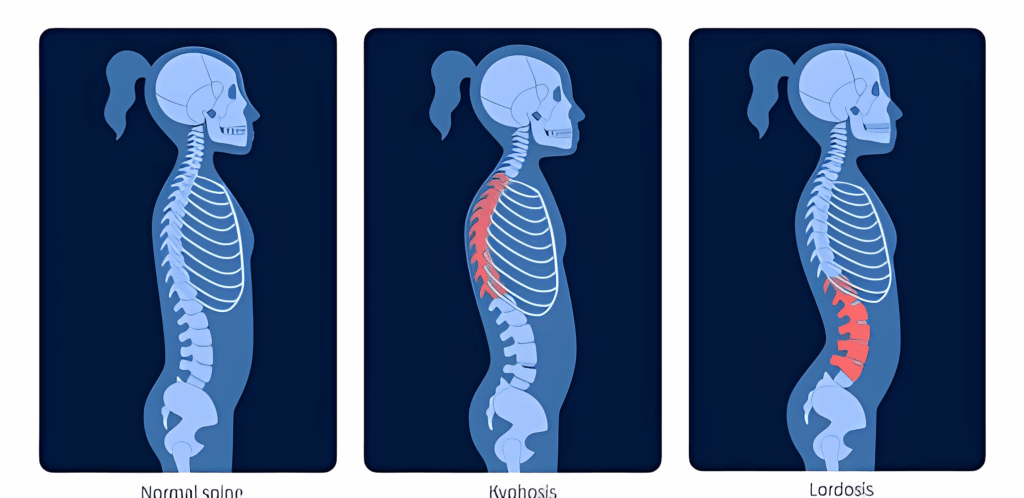
Cervical lordosis is the inward curvature of the neck region of the spine. This natural curve plays a crucial role in supporting the head, facilitating a range of motion, and absorbing shock. However, when this curve becomes flattened or straightened, it is referred to as cervical lordosis straightening or loss of cervical lordosis. This condition can lead to stiffness, pain, and other complications if not addressed. This article delves into the causes behind cervical lordosis straightening, shedding light on its implications and the significance of early detection and management.
Anatomy and Importance of Cervical Lordosis
The human spine is designed with three natural curves; cervical (neck), thoracic (mid-back), and lumbar (lower back). These curves are essential for maintaining balance, allowing for a wide range of motion, and absorbing mechanical stress during movement. The cervical lordosis refers specifically to the curve in the neck region, which consists of seven vertebrae (C1-C7). This curvature helps support the weight of the head, estimated to be about 10 to 12 pounds, and plays a vital role in facilitating neck movements and protecting spinal cord integrity.
Causes of Cervical Lordosis Straightening
The straightening of the cervical lordosis can be attributed to various factors, ranging from degenerative diseases to lifestyle habits. Understanding these causes is pivotal in developing effective prevention and treatment strategies.
- Muscular Strain and Poor Posture: In the digital age, prolonged periods of sitting and looking down at screens contribute significantly to poor posture. This habit can strain neck muscles and ligaments, leading to the flattening of the cervical curve. Over time, the sustained poor posture can make the straightening permanent, necessitating medical intervention.
- Degenerative Disk Disease: As people age, the intervertebral disks, which act as cushions between the vertebrae, can start to deteriorate. This degeneration can lead to a reduction in disk height and loss of the natural cervical curvature. Degenerative disk disease is a common cause of cervical lordosis straightening, particularly in older populations.
- Trauma or Injury: Accidents or injuries that impact the neck, such as whiplash from a car accident, can damage the vertebrae and soft tissues in the cervical region. Such trauma can lead to immediate or gradual loss of the cervical curve, depending on the severity of the injury and the body’s response.
- Congenital Conditions: Some individuals are born with spinal abnormalities that affect the natural curvature of their spine. Conditions such as Klippel-Feil syndrome, where two or more spinal bones are fused together, can result in a straightened cervical lordosis from birth.
- Arthritis and Inflammatory Diseases: Rheumatoid arthritis and other inflammatory conditions can affect the joints in the cervical spine, leading to pain, stiffness, and alterations in the curvature of the neck. Over time, inflammation can cause the cervical lordosis to straighten as the body attempts to minimize discomfort.
Implications of Cervical Lordosis Straightening
The loss of cervical lordosis can have wide-ranging effects on an individual’s health and quality of life. Symptoms often include neck pain, stiffness, reduced flexibility, and in severe cases, nerve compression leading to numbness or weakness in the arms. The straightening of the cervical curve can also increase the risk of chronic conditions, such as cervical spondylosis, where the vertebrae and discs in the neck degenerate.
Management
Early detection and treatment of cervical lordosis straightening are crucial for preventing further complications. Management strategies include:
- Physical Therapy: Tailored exercises can help strengthen neck muscles, improve posture, and potentially restore some of the lost curvature.
- Ergonomic Adjustments: Making changes to the work and living environments to promote good posture can alleviate strain on the neck. This includes adjusting screen heights, using supportive chairs, and taking frequent breaks to stretch.
- Medications: Anti-inflammatory drugs and pain relievers can help manage symptoms, although they do not address the underlying cause of the curvature loss.
- Surgical Intervention: In severe cases, where there is significant pain, dysfunction, or nerve compression, surgical procedures may be necessary to correct the alignment of the spine.
Conclusion
Cervical lordosis straightening is a condition with multifaceted causes, including poor posture, degenerative diseases, trauma, congenital conditions, and inflammatory diseases. Understanding these causes is essential for prevention, early detection, and effective management of the condition.
By addressing the underlying factors and adopting comprehensive treatment strategies, individuals can mitigate the impact of cervical lordosis straightening and maintain a healthy, functional spine. As research continues to evolve, further insights will undoubtedly emerge, offering new avenues for treatment and management of this complex spinal condition.