












Kyphosis Pain Treatment

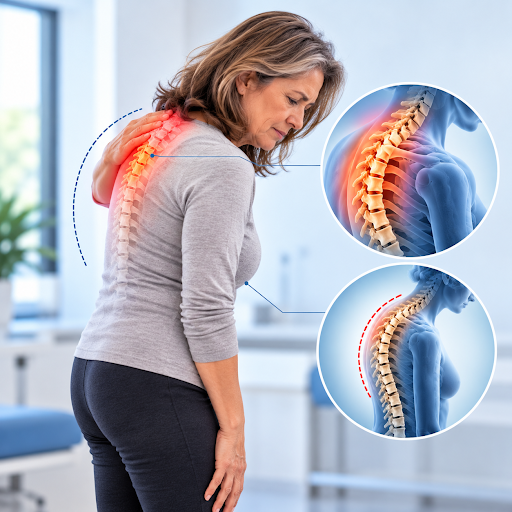
Kyphosis causes an exaggerated forward curve in the upper spine, which may lead to rounded shoulders, a hunched posture, back pain, or stiffness. Some people also experience muscle fatigue or difficulty standing upright for long periods. At MVM Health, our pain specialists evaluate your symptoms, assess possible causes, and discuss personalized kyphosis treatment options to help manage discomfort and support better mobility.

Book a visit with a pain specialist near you at one of our clinics in Pennsylvania, New Jersey, Ohio, or Arizona.

Kyphosis
Kyphosis Kyphosis Kyphosis Kyphosis Kyphosis Kyphosis Kyphosis Kyphosis Kyphosis Kyphosis Kyphosis Kyphosis Kyphosis Kyphosis Kyphosis Kyphosis Kyphosis Kyphosis Kyphosis Kyphosis Kyphosis Kyphosis Kyphosis Kyphosis

Meet Our Expert Team

Board Certified Expert

At MVM Health — Movement. Vitality. Medicine. — we are committed to providing exceptional pain, vein, and wellness services that empower individuals to reclaim their health and well-being. With our team of Harvard-trained experts, we strive to deliver transformative outcomes that restore comfort, confidence, and quality of life. MVM Health’s mission is to help every patient relieve discomfort, restore motion, and renew life.

Kyphosis

Vwaire Orhurhu, MD, MPH
Harvard Medical School

Kyphosis

Mariam Salisu, MD, MPH
Harvard Medical School
Kyphosis

Peter Isaac, DO
Philadelphia College of Osteopathic Medicine

Kyphosis

Ali Amin, MD
Baylor College of Medicine

Kyphosis

THOMAS KHOURY, MD
Harvard Medical School

Kyphosis

ANTHONY TURNER, MD
Yale School of Medicine

Kyphosis

KIRAN C. TAMIRISA
Baylor College of Medicine

Kyphosis

TARIQ ALFARRA, DO
JOHNS HOPKINS HOSPITAL

Kyphosis

Rishi Sheth, MD
University of Miami School of Medicine

Kyphosis

Henry Onyeaka, MD, MPH
Harvard Medical School

Kyphosis

Felicia Todd, CNP
Moravian College

Kyphosis

Carrie Ward, CNP
Franklin University

Kyphosis

Kruti Solanki, CNP
Drexel University

Kyphosis

Christy Daniels, CNP
Chamberlain University

Kyphosis

Heerina Kittel, CNP
Maryville University

Kyphosis

Vic Urbano, CNP
Walden University

Kyphosis

Jameela Azeem, CNP
Hofstra University

Kyphosis

Vwaire Orhurhu, MD, MPH
Harvard Medical School

Kyphosis

Mariam Salisu, MD, MPH
Harvard Medical School

Kyphosis

Peter Isaac, DO
Philadelphia College of Osteopathic Medicine

Kyphosis

Ali Amin, MD
Baylor College of Medicine

Kyphosis

THOMAS KHOURY, MD
Harvard Medical School

Kyphosis

ANTHONY TURNER, MD
Yale School of Medicine

Kyphosis

KIRAN C. TAMIRISA
Baylor College of Medicine

Kyphosis

Rishi Seth, MD
University of Miami School of Medicine

Kyphosis

Henry Onyeaka, MD, MPH
Harvard Medical School

Kyphosis

Felicia Todd, CNP
Moravian College

Kyphosis

Vic Urbano, CNP
Walden University

Kyphosis

Jameela Azeem, CNP
Hofstra University

We work with a wide variety of insurance providers

Kyphosis Kyphosis Kyphosis Kyphosis Kyphosis Kyphosis Kyphosis

and 100+ more

Insurance coverage for pain treatment depends on your specific plan, medical necessity, and prior authorization. Our team will review your benefits with you in advance. Questions? Contact us to confirm if your insurance is accepted.

What Is Kyphosis?

Kyphosis is an excessive forward curvature of the upper spine that can make the back appear rounded or hunched. While the upper back naturally has some curvature, a more pronounced curve may cause visible posture changes, stiffness, back pain, or muscle fatigue. Kyphosis can affect people of different ages.

Postural vs. Structural Kyphosis. Postural kyphosis is often associated with slouching and may improve when a person stands upright. Structural kyphosis involves changes in the shape of the vertebrae and generally cannot be corrected simply by changing posture.

Mild vs. Severe Kyphosis. Mild kyphosis may cause few symptoms beyond a rounded upper back. More severe cases can lead to persistent discomfort, reduced spinal flexibility, and difficulty with everyday activities. In some cases, a pronounced curve may also affect breathing. Pain management options may help address associated discomfort.

Kyphosis

WHERE DOES KYPHOSIS AFFECT YOUR SPINE?

Kyphosis most commonly affects the upper back, but the location and severity of spinal curvature can influence posture, movement, and discomfort in different areas.

UPPER BACK (THORACIC SPINE)

The thoracic spine is the most common area affected by kyphosis. An excessive forward curve can create a rounded or hunched appearance, sometimes accompanied by upper back pain, stiffness, and muscle fatigue.

NECK AND SHOULDERS

An exaggerated upper back curve may cause the head and shoulders to shift forward. This can place additional strain on the neck and shoulder muscles, leading to tension, discomfort, and difficulty maintaining an upright posture.

MIDDLE AND LOWER BACK

Changes in spinal alignment may increase strain on surrounding muscles and joints. Some people experience aching, stiffness, or fatigue in the middle or lower back, particularly after prolonged sitting or standing.

CHEST AND RIBCAGE

Severe thoracic kyphosis can affect the position and movement of the ribcage. In some cases, a pronounced spinal curve may restrict chest expansion and contribute to breathing difficulties, especially during physical activity.

COMMON CAUSES OF KYPHOSIS

POOR POSTURE

Prolonged slouching or sitting with rounded shoulders can contribute to postural kyphosis, particularly during adolescence.

SCHEUERMANN'S KYPHOSIS

A developmental condition in which some vertebrae become wedge-shaped, creating an excessive forward curve in the upper spine.

OSTEOPOROSIS

Weakened bones can increase the risk of vertebral compression fractures, which may cause the upper back to become more rounded.

VERTEBRAL COMPRESSION FRACTURES

Fractures in the spinal bones can cause vertebrae to collapse or become wedge-shaped, increasing the forward curvature of the spine.

AGE-RELATED SPINAL CHANGES

Changes in spinal discs, joints, and supporting muscles may contribute to a more pronounced upper back curve over time.

CONGENITAL SPINAL CONDITIONS

Some people are born with vertebrae that develop or form abnormally, potentially causing structural kyphosis as they grow.

SPINAL INJURIES

Traumatic injuries affecting the vertebrae or supporting spinal structures can alter spinal alignment and contribute to abnormal curvature.

NEUROMUSCULAR CONDITION

Conditions that affect muscle strength and control, such as cerebral palsy or muscular dystrophy, can contribute to abnormal spinal curvature.

Risk Factors

Kyphosis can affect anyone, but certain factors may increase your risk

Symptoms of kyphosis

Kyphosis symptoms vary depending on the severity of the spinal curvature and may include

When Pain Needs Urgent Care

Most cases of kyphosis are not emergencies. However, seek immediate medical attention if you experience:

  • Sudden weakness or numbness in your arms or legs.
  • New difficulty walking or maintaining balance.
  • Loss of bladder or bowel control.
  • Severe back pain following a fall, accident, or injury.
  • Sudden or worsening difficulty breathing.
  • Fever or chills accompanied by severe back pain.


These symptoms may indicate spinal cord compression, a fracture, or another serious condition requiring urgent evaluation.

Book a Kyphosis Pain Evaluation

Posted on Google Kyphosis
Kyphosis
Brenda Giles
KyphosisKyphosisKyphosisKyphosisKyphosisTrustindex verifies that the original source of the review is Google.
Everybody was very pleasant and not long waiting at all
Posted on Google Kyphosis
Kyphosis
Lala Kenjo
KyphosisKyphosisKyphosisKyphosisKyphosisTrustindex verifies that the original source of the review is Google.
I'm going to say Dr. O is a miracle worker. I have two herniated discs in my neck and the pain was so severe, I had to roll out of bed some days. I went to see Dr. O and was scheduled for an injection in my neck. The first injection helped a little bit, but I was still in severe pain most days. Speaking to other people, it normally takes two injections so I went from my second injection with Dr. O. Oh, and by the way, he squeezed me in the very next day for the procedure. I have not felt this good in a very long time. I can actually sit in a chair without my neck throbbing from pain and I've even started taking better care of my vegetable garden in my yard. Like I said this man is a miracle worker. Love, love, love him and I highly recommend him. Oh, and all of his staff are extremely friendly, patient, and very empathetic to their patients.
Posted on Google Kyphosis
Kyphosis
Maryann Iko
KyphosisKyphosisKyphosisKyphosisKyphosisTrustindex verifies that the original source of the review is Google.
Everyone is friendly and feeling good about them helping me
Posted on Google Kyphosis
Kyphosis
MARCE CASTAÑO
KyphosisKyphosisKyphosisKyphosisKyphosisTrustindex verifies that the original source of the review is Google.
“My experience today was excellent. From the moment I arrived, the staff was welcoming and attentive. The way everything was explained to me made the process clear and easy to understand. I felt very comfortable and, most importantly, safe throughout my visit. I truly appreciate the professionalism and care I received.”
Posted on Google Kyphosis
Kyphosis
Barbara Quarantello
KyphosisKyphosisKyphosisKyphosisKyphosisTrustindex verifies that the original source of the review is Google.
I have been a patient of Dr. Orhurhu for over a year and the care he has given me has been exceptional. I had a compound fracture of my L2 vertebrae in May 2024 and he performed a Kyphoplasty in his office with wonderful results. I still have issues with my back due to scoliosis and bulgeing discs that impinge on my spine. Dr.O suggested ablation therpy on my low back along with 4 epidural injections with 2 more to come this week. But I have great faith in Dr. Orhurhu that I will be improving under his excellent care and guidance.
Posted on Google Kyphosis
Kyphosis
Seleimy Suárez Rodríguez
KyphosisKyphosisKyphosisKyphosisKyphosisTrustindex verifies that the original source of the review is Google.
Me gustó bastante y mucho la atención de el Señor Andy, excelente coordinador. Excelentes servicios en todo!!! Quede muy encantada.

KYPHOSIS TREATMENT OPTIONS

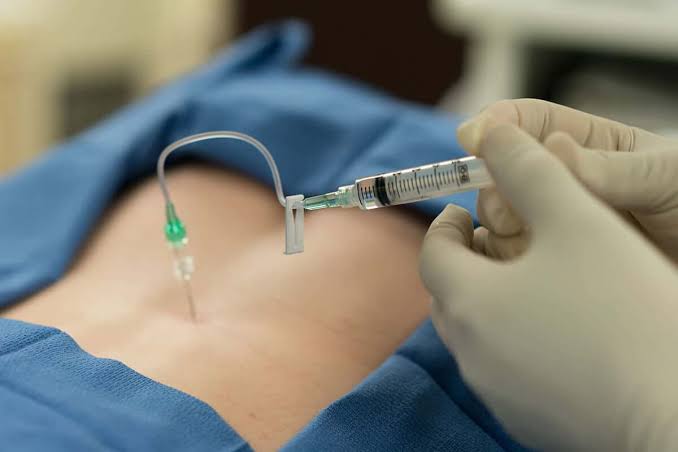
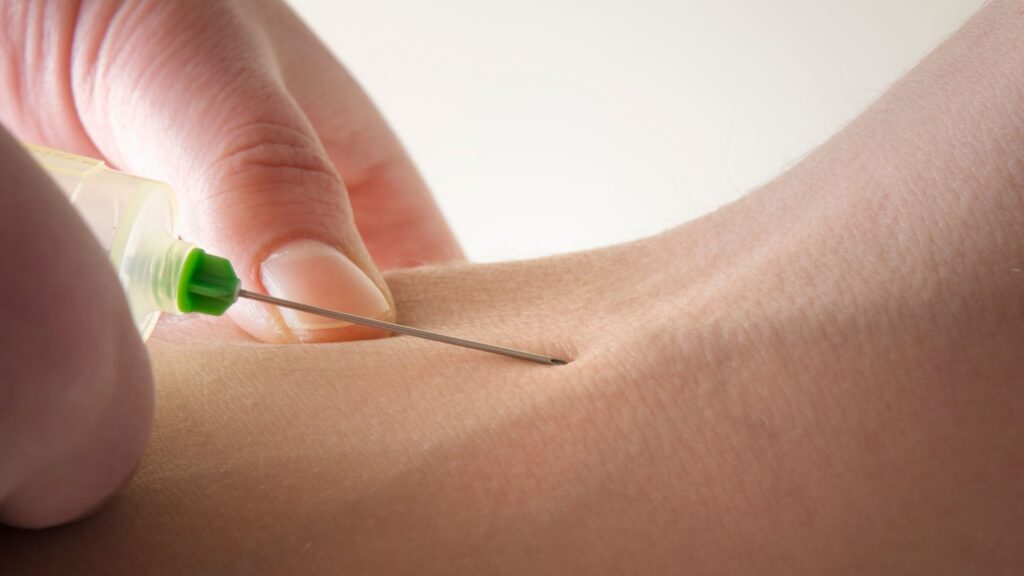
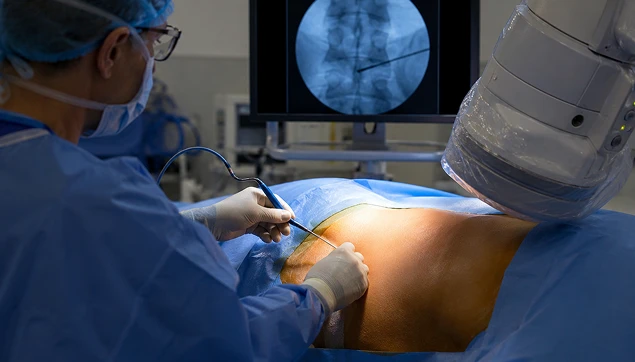
Kyphosis treatment options focus on improving posture, relieving discomfort, and supporting spinal function. Non-surgical approaches are often recommended first, while more advanced treatments may be considered for severe spinal curvature or worsening symptoms.
Kyphosis

Conservative care

Physical therapy, guided exercise, activity changes and medication guidance are often the first steps, especially for strains and early disc problems.

Kyphosis

Anti-inflammatory medicine is placed near irritated spinal nerves to ease pain that radiates into an arm or leg, such as from a herniated disc or stenosis.

Kyphosis

Medicine is placed in or near the small joints of the spine to ease arthritis pain. A positive response also helps confirm where the pain starts.

Kyphosis

Controlled heat quiets the small nerves that carry pain signals from arthritic spine joints. It’s often considered after a successful nerve block.

Kyphosis

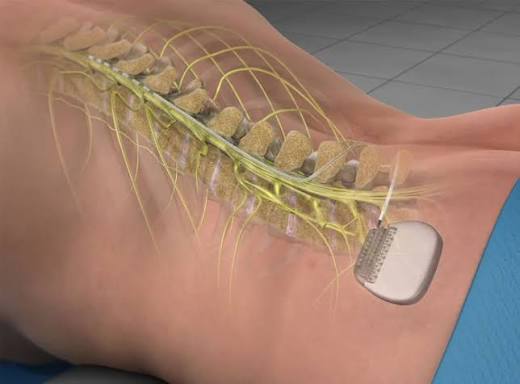
A small device sends mild electrical pulses that change how pain signals reach the brain. It’s used for long-term pain that hasn’t responded to other care, and it starts with a short trial.

Kyphosis

Platelets from your own blood may support healing in some joint and soft-tissue conditions. Your provider will tell you whether it’s a reasonable option for you.

EASING KYPHOSIS DISCOMFORT AT HOME

For mild kyphosis-related discomfort without warning signs, these simple steps may help reduce stiffness, support posture, and improve daily comfort. 

Kyphosis

If kyphosis-related pain persists, worsens, or affects your ability to perform daily activities, schedule an evaluation with a pain specialist at MVM Health.

Practice Good Posture. Keep Your Shoulders Relaxed and Your Head Aligned with Your Body While Sitting or Standing. Avoid Prolonged Slouching and Change Positions Regularly.
Stay Gently Active. Walking, Swimming, and Other Low-Impact Activities May Help Maintain Flexibility and Muscle Strength. Choose Movements That Do Not Increase Discomfort.
Try Gentle Stretching. Gentle Chest, Shoulder, and Upper Back Stretches May Reduce Muscle Tightness. Avoid Forcing Your Spine into Uncomfortable Positions.
Strengthen Supporting Muscles. Appropriate Back and Core Exercises May Improve Muscular Support and Posture. Ask a Physical Therapist Which Exercises Are Suitable for Your Type of Kyphosis.
Adjust Your Workspace. Keep Your Screen at Eye Level, Use a Supportive Chair, and Take Regular Movement Breaks to Reduce Strain on Your Neck and Upper Back.
Use Heat for Muscle Stiffness. Applying a Warm Compress for 15–20 Minutes May Help Relax Tight Muscles and Ease Discomfort. Protect Your Skin from Excessive Heat.

Frequently Asked Questions

How do I know if I have kyphosis or just poor posture?
Poor posture may cause rounded shoulders that improve when you stand upright. Structural kyphosis involves changes in spinal curvature that may not straighten with posture adjustments. A medical evaluation can help determine the difference.
Can kyphosis cause back pain even if the spinal curve is mild?
Yes. Some people with mild kyphosis experience upper back discomfort, stiffness, or muscle fatigue, while others have no symptoms. Pain depends on factors such as spinal alignment, muscle strain, and underlying conditions.
Can kyphosis get worse as I get older?
Kyphosis may become more pronounced with age, particularly when osteoporosis, vertebral compression fractures, or degenerative spinal changes are present. However, not everyone experiences progression.
Is it possible to straighten a curved upper back without surgery?
Treatment depends on the type and severity of kyphosis. Postural kyphosis may improve with posture training and strengthening exercises. Structural kyphosis generally cannot be fully corrected through exercises alone, although nonsurgical care may help manage symptoms.
Why does my upper back feel tired or painful after standing for a long time?
An exaggerated spinal curve may place additional demands on the muscles supporting your upper back. Prolonged standing can contribute to muscle fatigue, stiffness, or aching, especially when the supporting muscles are weak or strained.
Can kyphosis cause neck pain or headaches?
Kyphosis may contribute to forward head posture and increased strain on the neck and shoulder muscles. This can cause discomfort and may contribute to tension-related headaches in some people. Other causes should also be considered.
What tests are used to diagnose kyphosis?
A healthcare provider may assess your posture, spinal flexibility, medical history, and neurological function. Standing spinal X-rays are commonly used to measure the curvature. Additional imaging may be recommended if nerve compression or another underlying condition is suspected.
Can physical therapy help with kyphosis?
Physical therapy may help strengthen supporting muscles, improve flexibility, and reduce discomfort. Exercises are selected based on the type of kyphosis, severity of curvature, age, and individual physical abilities.
When should I consider medical treatment for kyphosis?
Consider an evaluation if you notice increasing spinal curvature, persistent back pain, worsening stiffness, or difficulty maintaining an upright posture. New weakness, balance problems, or breathing difficulties also require medical attention.

Recent blogs

Contact Us
Book Appointment Call 888-628-4785