










Scoliosis Pain Treatment for Adults

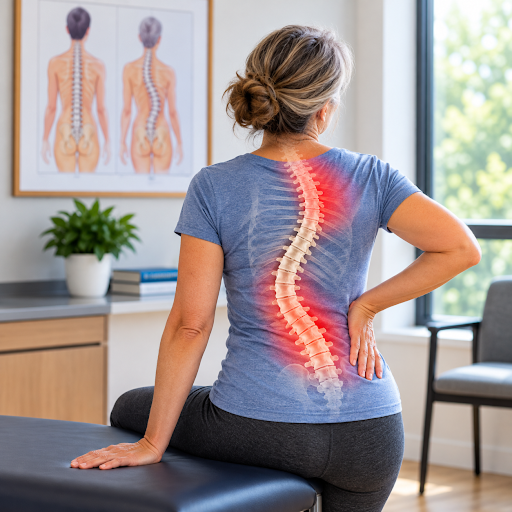
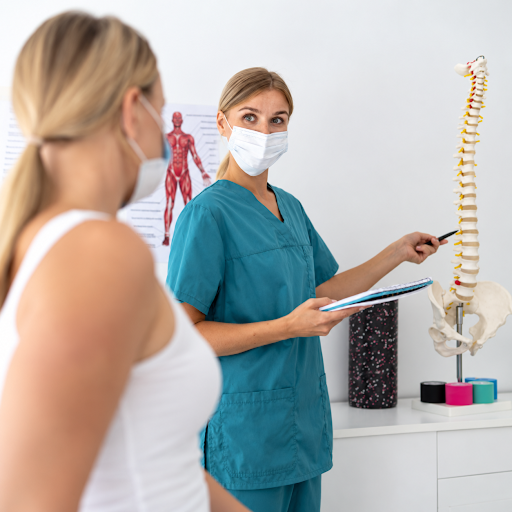
Scoliosis causes an abnormal sideways curve of the spine that may lead to uneven shoulders, an uneven waist, back pain, or changes in posture. Some people experience muscle fatigue, stiffness, or discomfort during daily activities. At MVM Health, our pain specialists evaluate your symptoms, assess possible causes of discomfort, and discuss personalized scoliosis treatment options to help manage pain and improve mobility.

Book a visit with a pain specialist near you at one of our clinics in Pennsylvania, New Jersey, Ohio, or Arizona.

Scoliosis
Scoliosis Scoliosis Scoliosis Scoliosis Scoliosis Scoliosis Scoliosis Scoliosis Scoliosis Scoliosis Scoliosis Scoliosis Scoliosis Scoliosis Scoliosis Scoliosis Scoliosis Scoliosis Scoliosis Scoliosis Scoliosis Scoliosis Scoliosis Scoliosis

Meet Our Expert Team

Board Certified Expert

At MVM Health — Movement. Vitality. Medicine. — we are committed to providing exceptional pain, vein, and wellness services that empower individuals to reclaim their health and well-being. With our team of Harvard-trained experts, we strive to deliver transformative outcomes that restore comfort, confidence, and quality of life. MVM Health’s mission is to help every patient relieve discomfort, restore motion, and renew life.

Scoliosis

Vwaire Orhurhu, MD, MPH
Harvard Medical School
Scoliosis

Mariam Salisu, MD, MPH
Harvard Medical School
Scoliosis

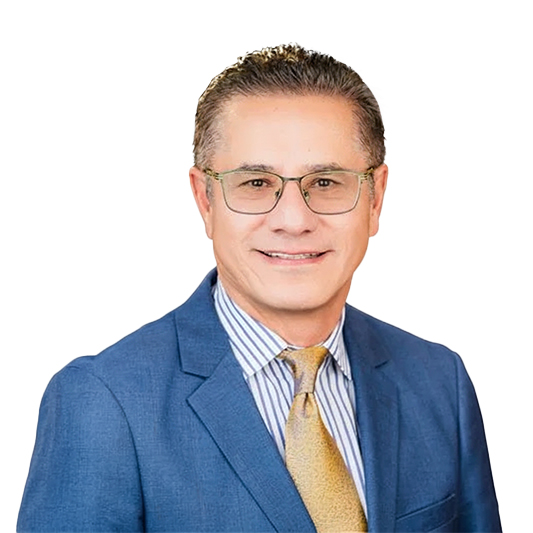
Peter Isaac, DO
Philadelphia College of Osteopathic Medicine
Scoliosis

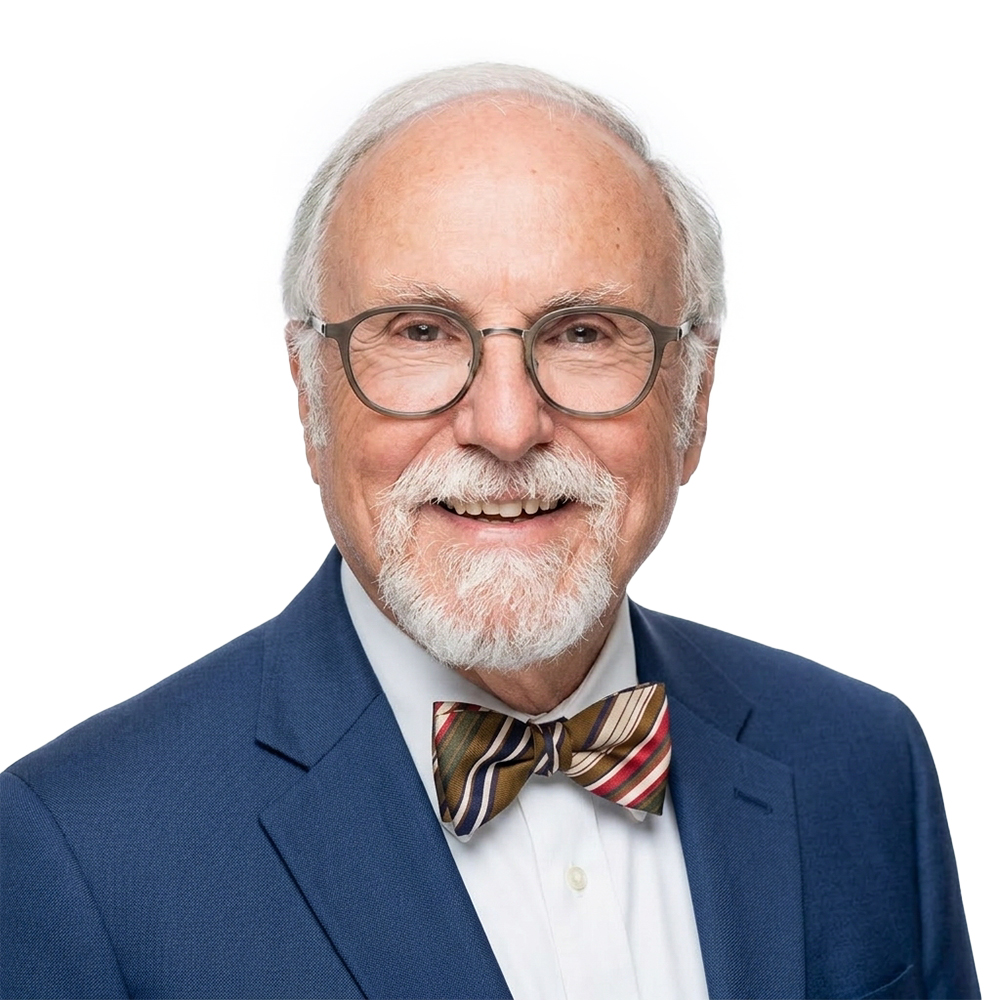
Ali Amin, MD
Baylor College of Medicine
Scoliosis

THOMAS KHOURY, MD
Harvard Medical School

Scoliosis

ANTHONY TURNER, MD
Yale School of Medicine

Scoliosis

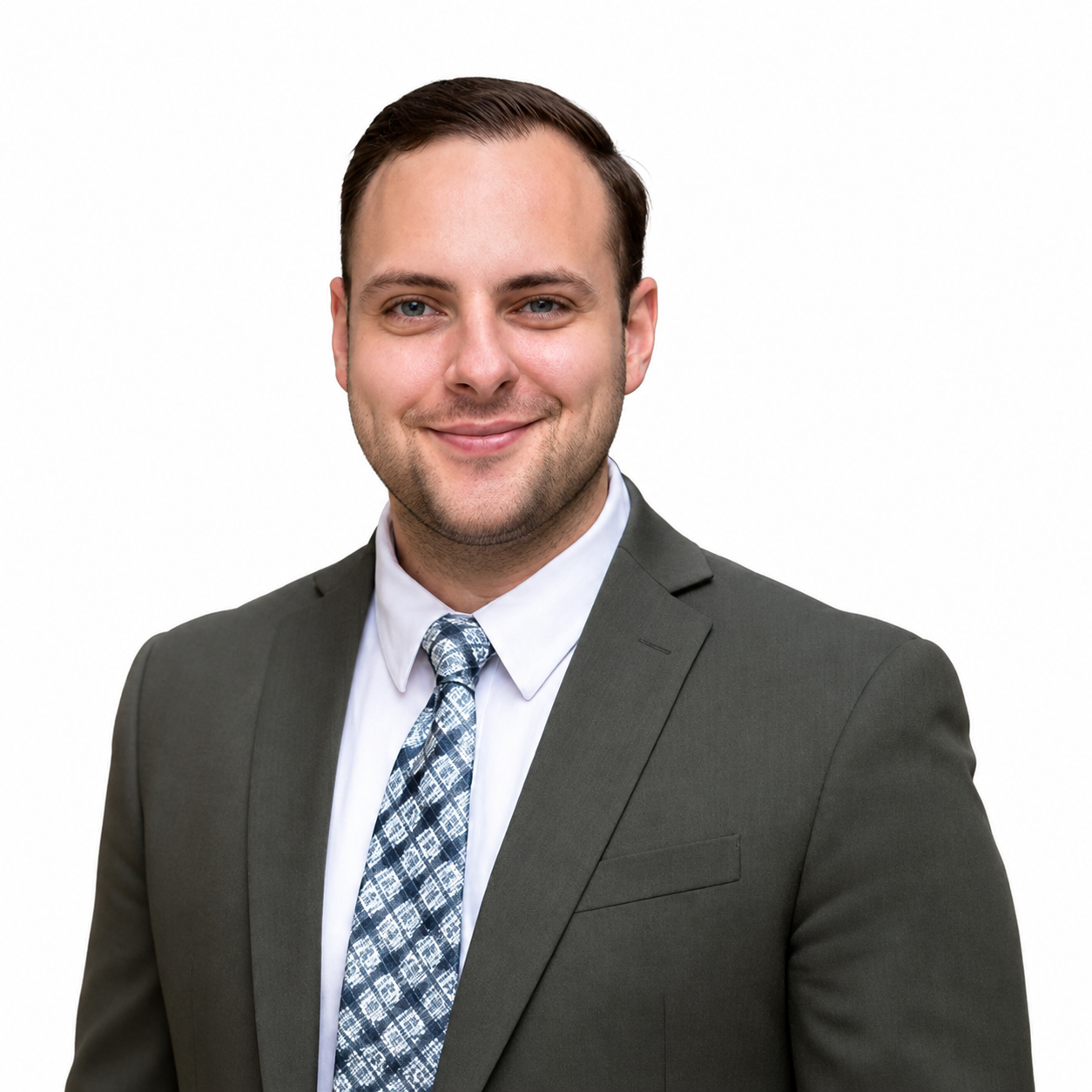
KIRAN C. TAMIRISA
Baylor College of Medicine
Scoliosis

TARIQ ALFARRA, DO
JOHNS HOPKINS HOSPITAL

Scoliosis

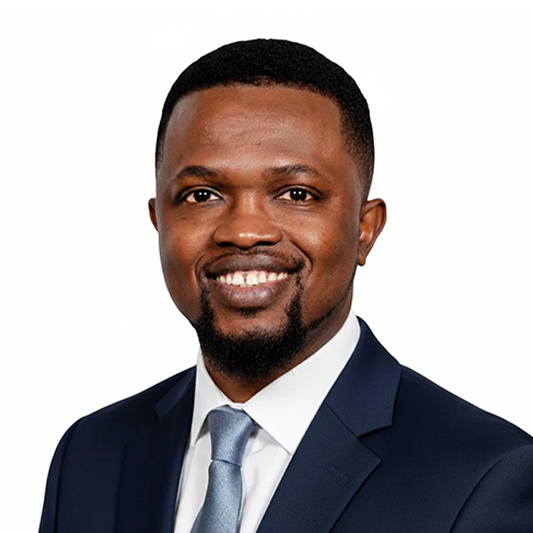
Rishi Sheth, MD
University of Miami School of Medicine
Scoliosis

Henry Onyeaka, MD, MPH
Harvard Medical School
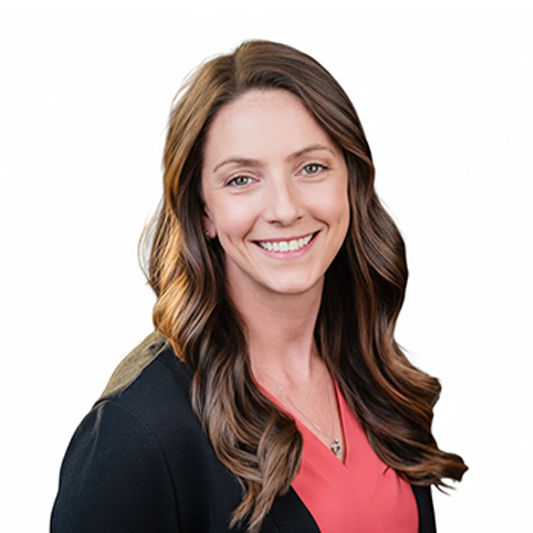
Scoliosis

Felicia Todd, CNP
Moravian College

Scoliosis

Carrie Ward, CNP
Franklin University

Scoliosis

Kruti Solanki, CNP
Drexel University

Scoliosis

Christy Daniels, CNP
Chamberlain University

Scoliosis

Heerina Kittel, CNP
Maryville University
Scoliosis

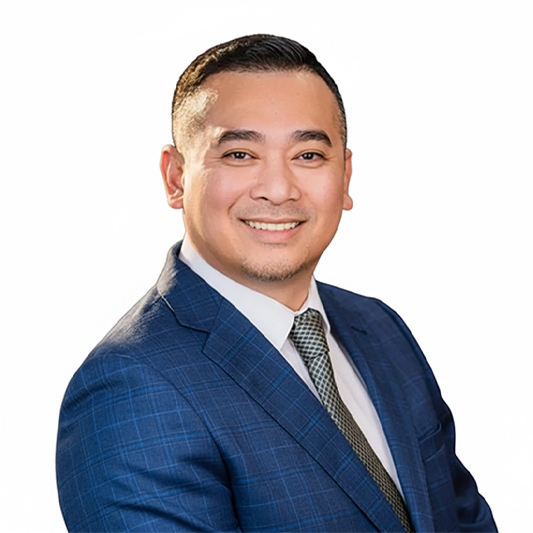
Vic Urbano, CNP
Walden University

Scoliosis

Jameela Azeem, CNP
Hofstra University

Scoliosis

Vwaire Orhurhu, MD, MPH
Harvard Medical School

Scoliosis

Mariam Salisu, MD, MPH
Harvard Medical School

Scoliosis

Peter Isaac, DO
Philadelphia College of Osteopathic Medicine

Scoliosis

Ali Amin, MD
Baylor College of Medicine

Scoliosis

THOMAS KHOURY, MD
Harvard Medical School

Scoliosis

ANTHONY TURNER, MD
Yale School of Medicine

Scoliosis

KIRAN C. TAMIRISA
Baylor College of Medicine

Scoliosis

Rishi Seth, MD
University of Miami School of Medicine

Scoliosis

Henry Onyeaka, MD, MPH
Harvard Medical School

Scoliosis

Felicia Todd, CNP
Moravian College

Scoliosis

Vic Urbano, CNP
Walden University

Scoliosis

Jameela Azeem, CNP
Hofstra University

We work with a wide variety of insurance providers

Scoliosis Scoliosis Scoliosis Scoliosis Scoliosis Scoliosis Scoliosis

and 100+ more

Insurance coverage for pain treatment depends on your specific plan, medical necessity, and prior authorization. Our team will review your benefits with you in advance. Questions? Contact us to confirm if your insurance is accepted.

What Is Scoliosis Treatment?

Scoliosis is an abnormal sideways curvature of the spine that may form a C-shaped or S-shaped curve. It can affect the upper, middle, or lower back and may cause uneven shoulders, an uneven waist, or changes in posture. Some people also experience back pain, stiffness, or muscle fatigue.

Idiopathic vs. Other Types. Idiopathic scoliosis has no clearly identified cause and commonly develops during adolescence. Other types include congenital scoliosis, caused by abnormal spinal development before birth, and neuromuscular scoliosis, associated with conditions affecting muscles and nerves.

Mild vs. Severe Scoliosis. Mild scoliosis may cause few noticeable symptoms and require only monitoring. More severe curves can affect spinal alignment, cause discomfort, and limit daily activities. In some cases, significant curvature may also affect breathing. Patients experiencing discomfort may explore pain management options.

Scoliosis

WHERE CAN SCOLIOSIS AFFECT YOUR SPINE?

Scoliosis can develop in different regions of the spine. The location and severity of the curve may influence posture, spinal alignment, and physical discomfort.

UPPER BACK (THORACIC SPINE)

Thoracic scoliosis affects the upper and middle back. It may cause uneven shoulders, a prominent shoulder blade, or an uneven ribcage. Some people also experience muscle fatigue, stiffness, or upper back discomfort.

LOWER BACK (LUMBAR SPINE)

Lumbar scoliosis affects the lower spine and may cause an uneven waist or hips. Depending on the severity of the curve, some people experience lower back pain, muscle tightness, or discomfort during daily activities.

THORACOLUMBAR SPINE

Thoracolumbar scoliosis develops where the middle and lower back meet. The curve may cause noticeable changes in waist alignment, uneven shoulders, or discomfort around the middle and lower back.

MULTIPLE SPINAL CURVES (S-SHAPED)

Some people develop two spinal curves that create an S-shaped appearance. These curves may affect both the thoracic and lumbar regions, causing uneven posture, muscle fatigue, or difficulty maintaining comfortable spinal alignment.

COMMON CAUSES OF SCOLIOSIS

POOR POSTURE

One shoulder or side of the waist may appear higher than the other due to abnormal spinal curvature.

PROMINENT SHOULDER BLADE

One shoulder blade may stick out more than the other because of spinal rotation and uneven back alignment.

UNEVEN HIP HEIGHT

One hip may appear higher than the other, creating noticeable differences in body posture and overall pelvic alignment.

S- OR C-SHAPED SPINE

The spine may develop a visible sideways curve resembling the letters S or C when viewed from behind.

LEANING TO ONE SIDE

Uneven spinal alignment may cause the upper body to lean toward one side, affecting posture and overall balance.

BACK PAIN AND STIFFNESS

Adults with scoliosis may experience persistent back discomfort, muscle stiffness, and reduced flexibility during normal daily physical activities.

SPINAL INJURIES

Certain spinal injuries or fractures can alter the alignment of vertebrae and contribute to an abnormal sideways curve.

SPINAL TUMORS OR INFECTIONS

In rare cases, tumors or infections affecting the spine may contribute to abnormal curvature or changes in spinal alignment.

Risk Factors

Certain factors may increase the risk of developing scoliosis

Symptoms of Scoliosis

Scoliosis symptoms vary depending on the location and severity of the spinal curve and may include

When Pain Needs Urgent Care

Most cases of scoliosis are not medical emergencies. However, seek immediate medical attention if you experience:

  • Sudden or worsening weakness in your legs.
  • Loss of bladder or bowel control.
  • Numbness around the groin or inner thighs.
  • Severe back pain following a fall or injury.
  • New or rapidly worsening difficulty walking or maintaining balance.
  • Severe breathing difficulties or chest pain.


These symptoms may indicate nerve compression, spinal injury, or another serious condition requiring emergency evaluation. 


Book a Scoliosis Pain Evaluation

Posted on Google Scoliosis
Scoliosis
Brenda Giles
ScoliosisScoliosisScoliosisScoliosisScoliosisTrustindex verifies that the original source of the review is Google.
Everybody was very pleasant and not long waiting at all
Posted on Google Scoliosis
Scoliosis
Lala Kenjo
ScoliosisScoliosisScoliosisScoliosisScoliosisTrustindex verifies that the original source of the review is Google.
I'm going to say Dr. O is a miracle worker. I have two herniated discs in my neck and the pain was so severe, I had to roll out of bed some days. I went to see Dr. O and was scheduled for an injection in my neck. The first injection helped a little bit, but I was still in severe pain most days. Speaking to other people, it normally takes two injections so I went from my second injection with Dr. O. Oh, and by the way, he squeezed me in the very next day for the procedure. I have not felt this good in a very long time. I can actually sit in a chair without my neck throbbing from pain and I've even started taking better care of my vegetable garden in my yard. Like I said this man is a miracle worker. Love, love, love him and I highly recommend him. Oh, and all of his staff are extremely friendly, patient, and very empathetic to their patients.
Posted on Google Scoliosis
Scoliosis
Maryann Iko
ScoliosisScoliosisScoliosisScoliosisScoliosisTrustindex verifies that the original source of the review is Google.
Everyone is friendly and feeling good about them helping me
Posted on Google Scoliosis
Scoliosis
MARCE CASTAÑO
ScoliosisScoliosisScoliosisScoliosisScoliosisTrustindex verifies that the original source of the review is Google.
“My experience today was excellent. From the moment I arrived, the staff was welcoming and attentive. The way everything was explained to me made the process clear and easy to understand. I felt very comfortable and, most importantly, safe throughout my visit. I truly appreciate the professionalism and care I received.”
Posted on Google Scoliosis
Scoliosis
Barbara Quarantello
ScoliosisScoliosisScoliosisScoliosisScoliosisTrustindex verifies that the original source of the review is Google.
I have been a patient of Dr. Orhurhu for over a year and the care he has given me has been exceptional. I had a compound fracture of my L2 vertebrae in May 2024 and he performed a Kyphoplasty in his office with wonderful results. I still have issues with my back due to scoliosis and bulgeing discs that impinge on my spine. Dr.O suggested ablation therpy on my low back along with 4 epidural injections with 2 more to come this week. But I have great faith in Dr. Orhurhu that I will be improving under his excellent care and guidance.
Posted on Google Scoliosis
Scoliosis
Seleimy Suárez Rodríguez
ScoliosisScoliosisScoliosisScoliosisScoliosisTrustindex verifies that the original source of the review is Google.
Me gustó bastante y mucho la atención de el Señor Andy, excelente coordinador. Excelentes servicios en todo!!! Quede muy encantada.

SCOLIOSIS TREATMENT OPTIONS

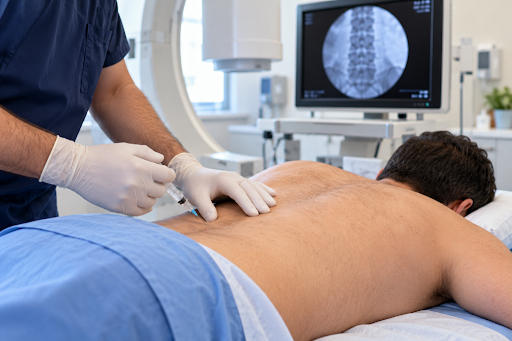
Scoliosis treatment may include monitoring, therapy, bracing, or surgery based on individual needs.

Scoliosis

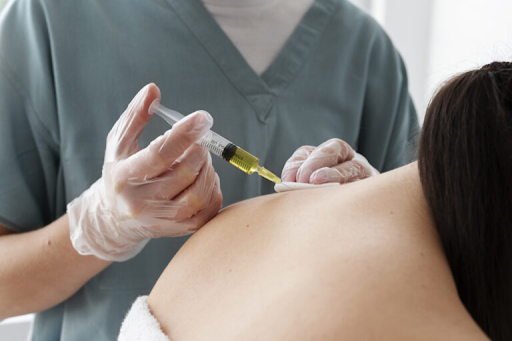
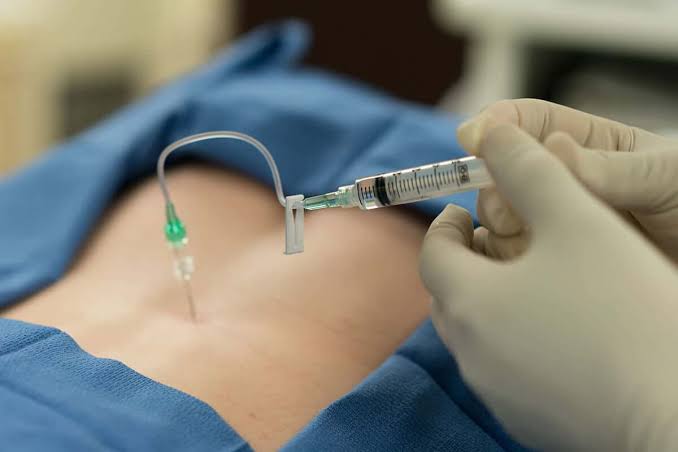
SI joint injections deliver medication into the sacroiliac joint to help reduce inflammation and relieve lower back, buttock, or leg pain caused by SI joint dysfunction.

Scoliosis

Anti-inflammatory medicine is placed near irritated spinal nerves to ease pain that radiates into an arm or leg, such as from a herniated disc or stenosis.

Scoliosis

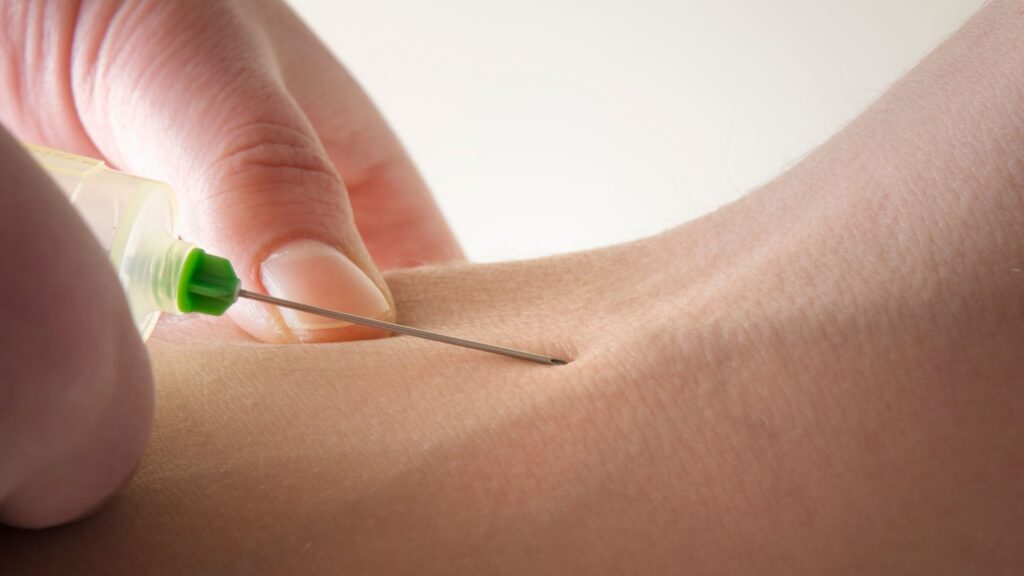
Medicine is placed in or near the small joints of the spine to ease arthritis pain. A positive response also helps confirm where the pain starts.

Scoliosis

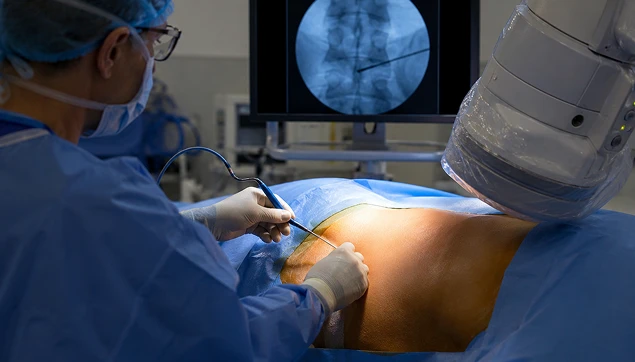
Controlled heat quiets the small nerves that carry pain signals from arthritic spine joints. It’s often considered after a successful nerve block.

Scoliosis

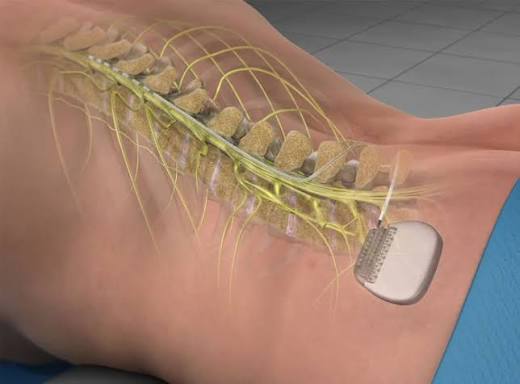
A small device sends mild electrical pulses that change how pain signals reach the brain. It’s used for long-term pain that hasn’t responded to other care, and it starts with a short trial.

Scoliosis

Medial branch blocks deliver local anesthetic near small nerves supplying spinal facet joints to help identify the source of back pain and guide further treatment.

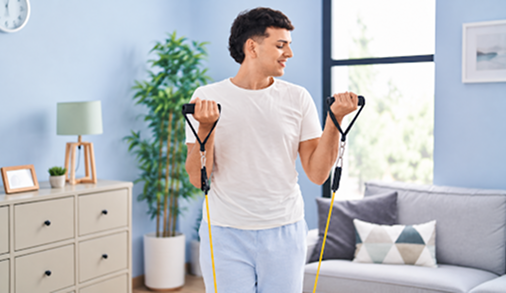
EASING SCOLIOSIS DISCOMFORT AT HOME

For mild scoliosis-related discomfort without warning signs, these simple steps may help reduce stiffness and support daily comfort.
Scoliosis

If scoliosis-related discomfort persists, worsens, or interferes with daily activities, schedule an evaluation with a pain specialist at MVM Health.

Stay Gently Active. Walking, Swimming, and Other Low-Impact Activities May Help Maintain Flexibility and Reduce Muscle Stiffness.

Practice Gentle Stretching. Gentle Back and Shoulder Stretches May Ease Muscle Tension. Avoid Movements That Increase Pain.

Use Heat or Cold Therapy. Apply a Warm or Cold Pack for 15–20 Minutes to Help Relieve Muscle Discomfort. Protect Your Skin with a Towel.

Maintain Supportive Posture. Use a Supportive Chair, Avoid Prolonged Sitting, and Change Positions Regularly to Reduce Back Strain.

Strengthen Your Core Muscles. Appropriate Core and Back Exercises May Improve Spinal Support. Ask a Physical Therapist About Suitable Movements.

Choose Comfortable Sleep Positions. Try Sleeping on Your Side or Back with Supportive Pillows to Help Reduce Pressure and Improve Comfort.

Frequently Asked Questions

What are the primary causes of scoliosis?
Most cases are idiopathic, meaning the cause is unknown. Other causes include congenital abnormalities present at birth, neuromuscular conditions like cerebral palsy, and degenerative changes in the spinal joints and discs in adults.
Can scoliosis cause back pain in adults?
Yes. Adults with scoliosis may experience back pain, muscle stiffness, or fatigue due to changes in spinal alignment. Age-related disc degeneration or nerve compression may also contribute to discomfort.
What happens if scoliosis is left untreated in adults?
Untreated adult scoliosis can lead to progressive spinal deformity, chronic back pain, and nerve compression. In severe cases, it may cause difficulty walking, reduced lung capacity, and significant limitations in daily physical activities.
What are the symptoms of adult scoliosis?
Common symptoms include persistent back pain, stiffness, and visible asymmetry, such as uneven shoulders or hips. Some adults experience leg numbness or weakness if the curvature causes narrowing of the spinal canal (stenosis).
Can scoliosis be treated without surgery?
Yes. Many people with scoliosis do not require surgery. Depending on the patient’s age and spinal curvature, treatment may include monitoring, physical therapy, bracing, or pain management to address discomfort and maintain function.
Can exercises help straighten a curved spine?
Exercises may improve muscle strength, flexibility, posture, and comfort, but they generally cannot fully straighten structural scoliosis. Scoliosis-specific exercises may help certain patients under professional supervision.
Can scoliosis cause numbness or pain in the legs?
Yes. In some adults, spinal curvature and associated degenerative changes can narrow the spaces around spinal nerves. This may cause radiating leg pain, tingling, numbness, or weakness that requires medical evaluation.
What is the difference between scoliosis and poor posture?
Scoliosis involves a sideways spinal curve, often with vertebral rotation, while poor posture usually results from habitual positioning or muscle imbalance. Unlike ordinary postural changes, structural scoliosis cannot be corrected simply by standing straighter.
Does bracing work for adults with scoliosis?
While bracing is primarily used to stop curve progression in growing children, it can be used in adults for short-term pain relief and support. It helps stabilize the spine during strenuous physical activities.
When is surgery necessary for scoliosis?
Surgery is typically recommended for curves exceeding 50 degrees or if the curvature progresses rapidly. It may also be necessary if severe pain, neurological deficits, or breathing difficulties significantly impact the patient’s quality of life.

Recent blogs

Contact Us
Book Appointment Call 888-628-4785