
Neck pain is a pervasive issue that spans across age groups, affecting millions worldwide. Amid various causes, Sternocleidomastoid (SCM) Syndrome emerges as a significant culprit, often overlooked in the quest for relief. This article aims to help you understand all you need to know about SCM Syndrome, shedding light on its intricacies and charting a course towards conquering this discomfort.
Understanding Sternocleidomastoid Syndrome
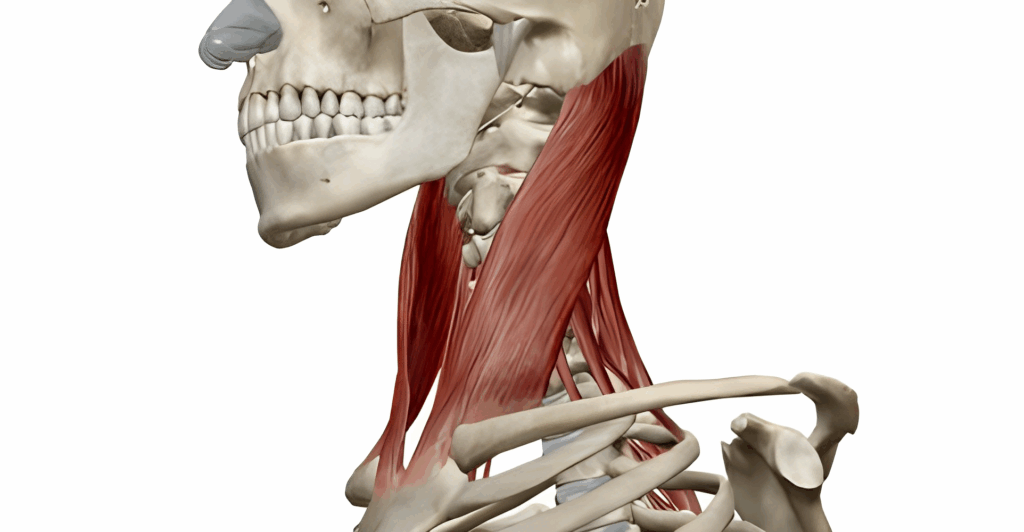
The sternocleidomastoid muscle, stretching from the skull’s base to the collarbone and sternum, plays a pivotal role in head movement and posture. Sternocleidomastoid Syndrome arises when this muscle becomes strained or injured, leading to a spectrum of uncomfortable symptoms. Factors such as poor posture, sudden movements, or prolonged strain can precipitate this condition, highlighting the need for awareness and prevention.
Signs You Might Be Dealing With SCM Syndrome
How do you know if SCM Syndrome is the sneak thief stealing away your comfort? Here’s a checklist:
- A sharp or dull ache in your neck
- Headaches that feel like they’re starting from the base of your skull
- Dizziness or a feeling of being off-balance
- Unexpected problems with your vision or hearing
- Even a weird fullness in your ears
If these symptoms sound all too familiar, and you’ve been wondering why no amount of neck massages or painkillers seems to work, SCM Syndrome could be your unwelcome guest.
Diagnosing the Invisible Culprit
Diagnosis begins with a thorough physical examination and review of medical history. Healthcare providers may employ specific maneuvers to pinpoint SCM involvement and recommend imaging tests to rule out other conditions. Sometimes, you might need an imaging test like an MRI or X-ray, not necessarily to diagnose SCM Syndrome directly but to rule out other potential causes of your pain. Early detection is crucial, enabling targeted treatment and mitigating the risk of complications.
Your doctor or a physical therapist will likely start with a chat about your symptoms and medical history. They’ll want to know about your daily activities, any recent injuries, or if you’ve had this kind of pain before. Then comes the physical exam, where they’ll ask you to move your head and neck in various directions to pinpoint the pain and stiffness.
Treatment and Relief Strategies
Here’s the good news: SCM Syndrome, once identified, can be tackled with a range of effective treatments. Treatment for SCM Syndrome spans from conservative measures to surgical interventions in severe cases.
Physical therapy emerges as a cornerstone, with exercises designed to stretch and strengthen the SCM muscle, fostering recovery and preventing recurrence. Medications may offer symptom relief, and in rare instances, surgery might be considered to address underlying issues.
Let’s explore some of the most impactful ones:
Physical Therapy
Physical therapy is often the first line of defense against SCM Syndrome. A skilled therapist will guide you through exercises designed to stretch and strengthen your SCM muscles, restoring their flexibility and function. They might also use massage techniques or tools like ultrasound to ease muscle tightness and pain.
Medications
In some cases, your doctor might recommend medications to help manage the pain and inflammation. This could include over-the-counter pain relievers or even prescription muscle relaxants. Remember, these are usually short-term solutions while you work on the root cause.
Home Remedies
There’s a lot you can do on your own to fight SCM Syndrome:
- Apply heat or cold packs to your neck to reduce pain and swelling.
- Practice good posture, especially if you work at a desk. Imagine a string pulling your head up to the ceiling, keeping your neck long and your shoulders relaxed.
- Take breaks to stretch and move around if you’re sitting for long periods.
Lifestyle Changes
Preventing SCM Syndrome from crashing your party again involves some lifestyle adjustments. Here are a few tips:
- Set up an ergonomic workspace. Your computer screen should be at eye level, and your chair should support your lower back.
- Mind your posture. Whether you’re walking, sitting, or sleeping, keeping your neck in a neutral position pays off.
- Incorporate neck-friendly exercises into your routine. Yoga and Pilates are great options for strengthening your neck and improving flexibility.
When to Seek Professional Help
If you’ve tried these strategies and still find yourself battling neck pain, it might be time to seek further help. Persistent or worsening symptoms warrant a visit to a specialist, such as an orthopedic doctor or a chiropractor, who can offer more targeted interventions or explore other underlying causes.
The Road Ahead: A Pain-Free Life
Sternocleidomastoid Syndrome, while a common source of neck pain, need not dictate one’s quality of life. Understanding its basis, recognizing symptoms, and embracing a combination of treatments and lifestyle adjustments can pave the way toward relief. Individuals are encouraged to consult healthcare professionals at the onset of symptoms, ensuring a swift return to comfort and mobility.
The journey from discomfort to well-being begins with knowledge and action. By confronting SCM Syndrome with informed choices and expert guidance, the path to a pain-free neck is within reach.
Understanding Patellofemoral Syndrome: Causes, Symptoms, and Treatment Options