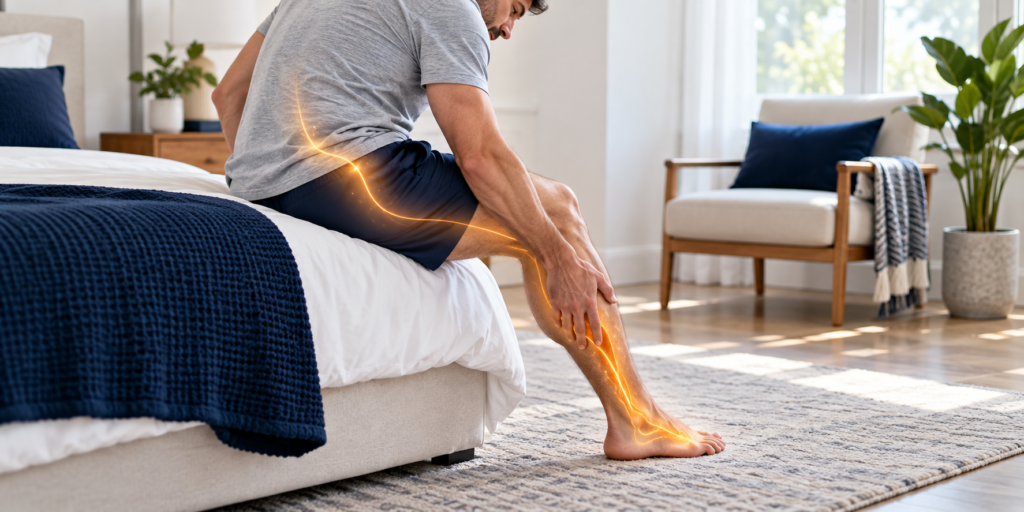

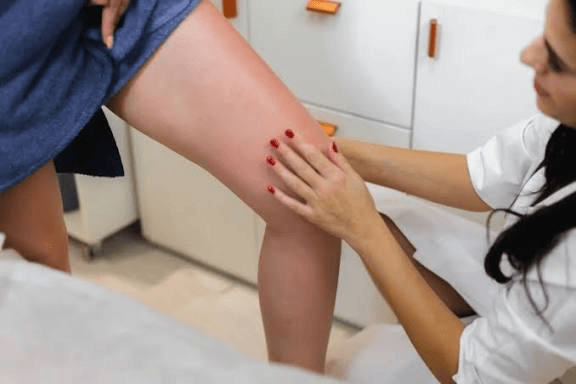
Your knee catches every time you take the stairs. Your shoulder aches through the night. You tell yourself it’s just a rough patch, and then a rough patch turns into a rough month. If that sounds familiar, you’re not alone, and you don’t have to just push through it.
Joint pain happens when the cartilage, ligaments, tendons, muscles, or surrounding joint structures become inflamed, injured, or worn down over time. Common symptoms include stiffness, swelling, aching, reduced range of motion, tenderness, and pain that worsens with movement. At MVM Health, treatment begins with finding the cause of the joint pain before recommending options such as joint injections, nerve blocks, radiofrequency ablation, PRP therapy, stem cell therapy, or other minimally invasive treatments.
Joint pain is one of the most common reasons people search for a pain doctor for joint pain. Whether it’s your knees, hips, shoulders, or hands, joint pain has a way of creeping into everything you do. This guide walks through what causes joint pain, how to tell when home remedies aren’t enough, and what real joint pain treatment in East Stroudsburg looks like once you sit down with a specialist.
Understanding Joint Pain: More Than Just “Getting Older”
A lot of people write off joint pain as an inevitable part of aging. Sometimes that’s part of the picture, but joint pain is rarely just one thing. It’s usually a signal from your body that something structural, inflammatory, or mechanical needs attention.
Common Causes of Joint Pain
- Osteoarthritis – wear and tear on cartilage that cushions your joints
- Rheumatoid arthritis and other autoimmune conditions
- Old sports injuries or accidents that never fully healed
- Repetitive strain from work, gardening, or exercise habits
- Bursitis or tendinitis around the shoulder, elbow, or hip
- Gout, caused by uric acid crystal buildup in the joint
- Excess body weight, which adds ongoing stress to knees and hips
Each of these has a different treatment path, which is exactly why a proper diagnosis matters more than guessing at home remedies.
When Should You See a Pain Doctor for Joint Pain?
Mild, occasional stiffness after a long walk or a workout usually isn’t a red flag. The question is what happens when the ache doesn’t fade, or when it starts limiting what you can do.
Warning Signs You Shouldn’t Ignore
- Pain that lasts longer than six weeks despite rest and over-the-counter medication
- Swelling, warmth, or redness around a joint
- A joint that locks, buckles, or gives out unexpectedly
- Pain that wakes you up at night or worsens with rest
- Reduced range of motion that affects daily tasks like dressing or climbing stairs
- Joint pain paired with fever, unexplained weight loss, or fatigue
- Pain that keeps returning after previous treatment or physical therapy
Here’s a simple way to think about the decision:
| Situation | What to Do |
| Mild soreness after activity, gone within 48 hours | Rest, ice, gentle stretching, over-the-counter relief |
| Pain lasting more than 6 weeks | Schedule an evaluation with a joint pain doctor |
| Swelling, warmth, or visible deformity | Seek care promptly, don’t wait for it to worsen |
| Joint pain limiting work, sleep, or mobility | See a pain management specialist for a treatment plan |
| Pain following an injury with a “pop” or sudden instability | Get evaluated quickly to rule out ligament or tendon damage |
What Happens During Joint Pain Treatment in East Stroudsburg
A trusted joint pain doctor in East Stroudsburg should not rush you into medication or a procedure. The first step is understanding what is causing your pain, how it affects your movement, and which treatment option makes the most sense for your condition.
The Diagnosis Process
- A detailed conversation about your symptoms, activity level, and pain patterns
- A hands-on physical exam to check range of motion, swelling, and joint stability
- Imaging such as X-ray, ultrasound, or MRI when needed to see what’s happening beneath the surface
- Bloodwork if an inflammatory or autoimmune condition is suspected
- A review of prior treatments, medications, or surgeries that may be relevant
Treatment Options at a Glance
| Treatment | Best For |
| Physical therapy & targeted exercise | Building strength and stability around the joint |
| Anti-inflammatory medication | Managing flare-ups and reducing swelling |
| Corticosteroid injections | Short-term relief from significant inflammation |
| Joint lubrication injections | Knee osteoarthritis with reduced cushioning |
| Radiofrequency ablation | Chronic joint pain not responding to injections |
| Regenerative injection therapy | Select patients with joint or soft tissue irritation, when appropriate after evaluation |
| Bracing & activity modification | Protecting the joint during daily movement |
| Surgical referral | Structural damage that requires a surgical opinion |
Pain Management for Joint Pain: What Non-Surgical Care Looks Like
Most patients are relieved to learn that surgery is rarely the first step. Modern pain management for joint pain focuses on a layered approach, starting conservative and escalating only if needed.
- Start with movement-based care, including guided physical therapy
- Add targeted injections if inflammation is limiting progress
- Adjust activity and ergonomics to reduce ongoing joint stress
- Use minimally invasive procedures for joints that don’t respond to conservative steps
- Reassess regularly, since joint pain treatment plans should evolve with your progress
If chronic pain has worn away at your strength, balance, and everyday mobility, you may find the missing piece in functional restoration for chronic pain. Read more to learn more about this and how functional restoration works in tandem with a focus on joints.
Why Choose a Local Joint Pain Doctor in East Stroudsburg
Traveling long distances for follow-up injections, physical therapy check-ins, or flare-up visits adds stress to an already frustrating situation. A local specialist means:
- Faster access when a flare-up needs same-week attention
- Continuity of care from diagnosis through recovery
- A treatment plan built around your daily life in the region, not a generic template
- Coordination with your primary care provider and physical therapist
At our East Stroudsburg pain and spine center, the team focuses specifically on musculoskeletal and joint-related pain, so you’re not starting from scratch every visit.
What to Expect at a Stroudsburg Pain Clinic
Walking into a Stroudsburg Pain Clinic for the first time can feel intimidating, especially if you’ve been dealing with pain for months or years. Here’s what a typical first visit generally involves.
Intake paperwork covering your medical history and current symptoms
- A one-on-one consultation with a pain management physician
- A physical exam focused on the affected joint or joints
- A conversation about realistic goals, whether that’s returning to golf, walking without a cane, or simply sleeping through the night
- A written treatment plan with clear next steps
Curious what questions to bring to that first appointment? This guide on questions to ask a pain management specialist walks through exactly what to prepare.
Schedule a Joint Pain Evaluation in East Stroudsburg
If joint pain is making it harder to walk, sleep comfortably, work, or get through your normal day, you don’t have to keep pushing through it. MVM Health can help evaluate what’s causing your pain and recommend a care plan that fits your symptoms, mobility, and goals. Request an appointment with our East Stroudsburg team to take the next step toward moving more comfortably.