
America's Leading
Vein Treatment Experts
Achy, Swollen or Heavy Legs Don’t Need to Limit Your Daily Life.
Will My Health Plan Cover Varicose Vein Treatment?
Answer A Few Questions & Find Out Today
By completing the form, you are opting-in to receive communication via SMS. You may opt out at any time by replying “STOP”
Prefer to call?
Check to See If You're Covered Your Health Plan May Cover The Full Cost
Our State-Of-The-Art Treatments Can Eliminate Varicose Vein






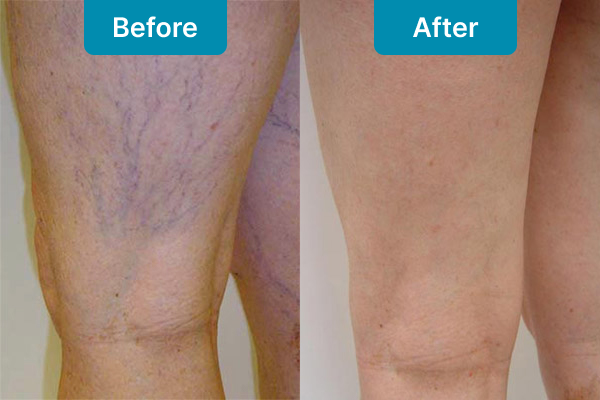
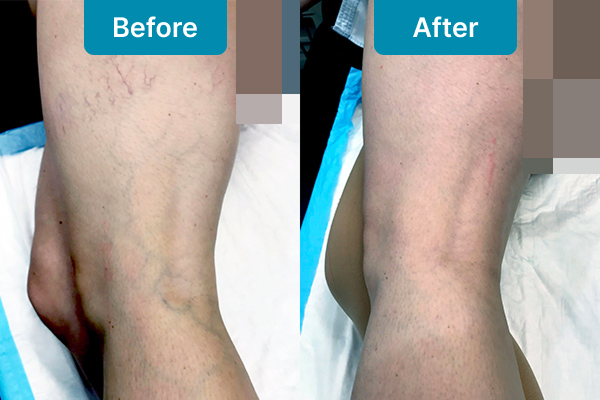
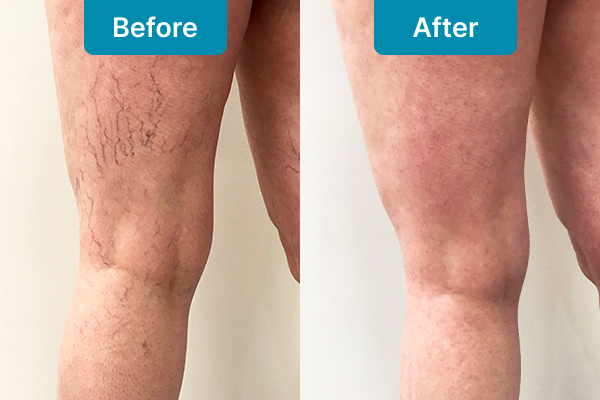
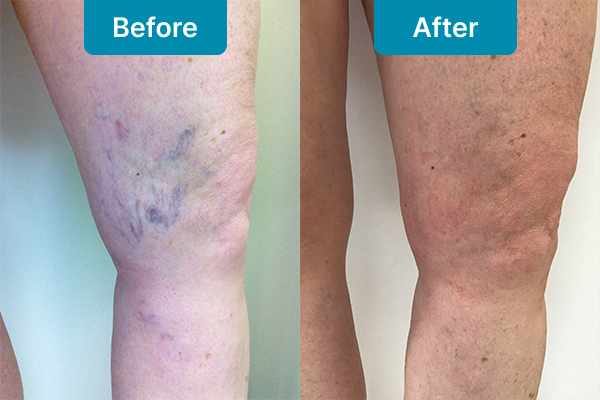
Real Results from real patients
Experience a true transformation with our bespoke treatments, performed by the nation’s leading vein experts.
What are Varicose Veins?
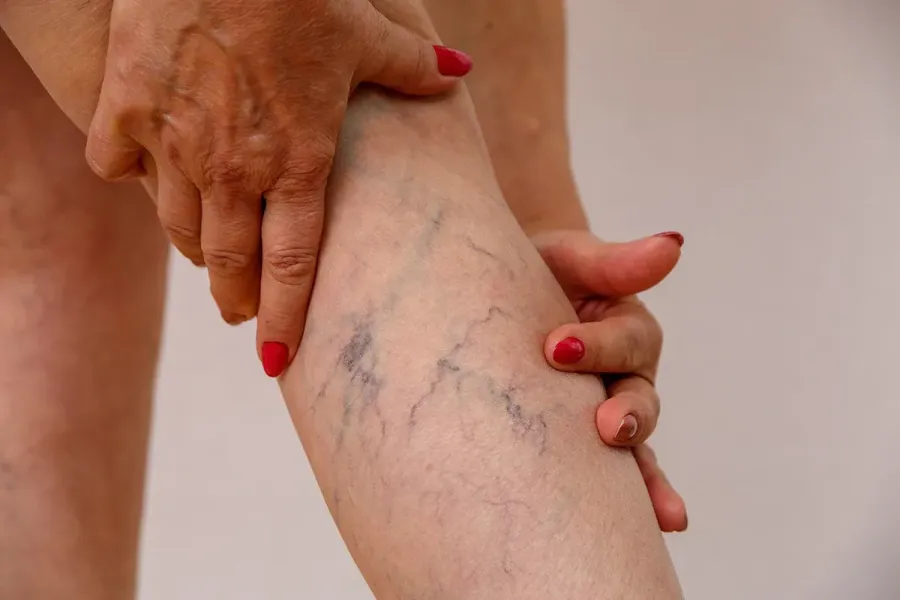
Varicose veins are bulging, twisted, and often discolored veins frequently found in the legs. They are branches of other veins found deeper inside the leg. Varicose veins occur when the valves inside the veins don’t function properly, allowing blood to flow backwards. Normally, the valves in your veins are responsible for supporting the circulation of blood back to the heart. But when these valves become damaged, weak, or defective and don’t work well, blood can also flow backwards.
This backflow, or reflux, causes blood to pool in the veins, stretching and twisting them. The veins become reservoirs that can no longer carry blood back to the heart. This reversal of blood flow and accumulation of additional blood in the veins leads to excessive pressure in the veins causing leg discomfort.
Receiving the appropriate diagnosis and treatment can help restore blood circulation so you can get back to your life, symptom free.
Varicose Vein Symptoms
When people think of varicose veins they often don’t look beyond their appearance. While these non-functional veins can certainly have cosmetic impacts, they frequently cause discomfort as well. Many people live with the symptoms of varicose veins for years thinking they’re due to other things like medical conditions, increased age, and weight gain. Here are some of the physical symptoms varicose vein sufferers may experience:
- Leg pain
- Achiness in the legs
- Heaviness in the legs
- Throbbing in the legs
- Itching
- Burning
- Leg cramps (Charley Horse)
- Leg fatigue
- Restless legs
- Tightness of the skin
- Swelling in the lower legs or ankles
These discomforts are just the tip of the iceberg. If left untreated, varicose veins and their underlying cause can lead to serious problems like deep venous thrombosis (deep vein blood clots), thrombophlebitis (blood clot with vein inflammation), skin discoloration and thickening, and skin ulcers (open sores).
What are Varicose Veins?
There are certain circumstances that can put people at a higher risk for varicose veins, including:
- Genetics; if your parents or grandparents had varicose veins, you’re more likely too
- Increased age
- Hormone shifts
- Pregnancy, particularly multiple pregnancies
- Sitting or standing for long periods on a regular basis
- A sedentary lifestyle
- Obesity
- Smoking
- Occupational requirements
- Diabetes
- Hypertension
- High cholesterol
- History of blood clots
- Trauma/injury of the legs
- Venous Insufficiency
- Venous Hypertension
Varicose veins are bulging, twisted, and often discolored veins frequently found in the legs. They are branches of other veins found deeper inside the leg. Varicose veins occur when the valves inside the veins don’t function properly, allowing blood to flow backwards. Normally, the valves in your veins are responsible for supporting the circulation of blood back to the heart. But when these valves become damaged, weak, or defective and don’t work well, blood can also flow backwards.
This backflow, or reflux, causes blood to pool in the veins, stretching and twisting them. The veins become reservoirs that can no longer carry blood back to the heart. This reversal of blood flow and accumulation of additional blood in the veins leads to excessive pressure in the veins causing leg discomfort.
Receiving the appropriate diagnosis and treatment can help restore blood circulation so you can get back to your life, symptom free.
Lifestyle Changes
If your varicose veins aren’t serious, aren’t causing problems, and you don’t mind how they look, lifestyle changes may be recommended to help slow their progression. Exercise with an emphasis on strengthening the leg muscles and leg elevation, eating healthier and losing excess weight, compression therapy, and smoking cessation may help to stop varicose veins from worsening.
Sclerotherapy
With this treatment, a medication is injected into the vein to cause scarring and fibrosis, which closes the vein. Sometimes, additional treatments are necessary to fully close the vein.
VenaSealTM
This revolutionary new treatment option uses an injected adhesive to close off the damaged veins. Recovery is minimal, and this type of treatment has a high rate of success.
Endovenous Laser Ablation
This procedure involves a catheter inserted into the affected vein in order to place a laser, which is then used to seal the vein. The laser is removed, the closed vein is reabsorbed into the body.
Microphlebectomy
This procedure actually removes varicose veins using a specialized instrument through tiny incisions next to the vein. There is no downtime with this procedure and the very minimal side effects are temporary and resolve on their own.
Book Your Consultation at MVM Health For Varicose Vein Help Today

Peter J. Isaac, DO, FACOS
Philadelphia College of Osteopathic Medicine
CONSULTANT, VASCULAR SURGEON
Varicose Vein Symptoms
When people think of varicose veins they often don’t look beyond their appearance. While these non-functional veins can certainly have cosmetic impacts, they frequently cause discomfort as well. Many people live with the symptoms of varicose veins for years thinking they’re due to other things like medical conditions, increased age, and weight gain. Here are some of the physical symptoms varicose vein sufferers may experience:
- Minimally invasive
- No hospital stay
- No downtime
- No general anesthesia
- Typically no stitches
- Little to no discomfort
- Covered by most insurance plans including Medicare
If you’re ready to address your vein problems, set up a consultation with us today! The specially trained staff at MVM Health strives to give patients the education they need to make the best decisions for their vein health, and our patients’ improved quality of life and vein health is our top priority. Feel free to contact us with any questions you may have about vein conditions or treatments.
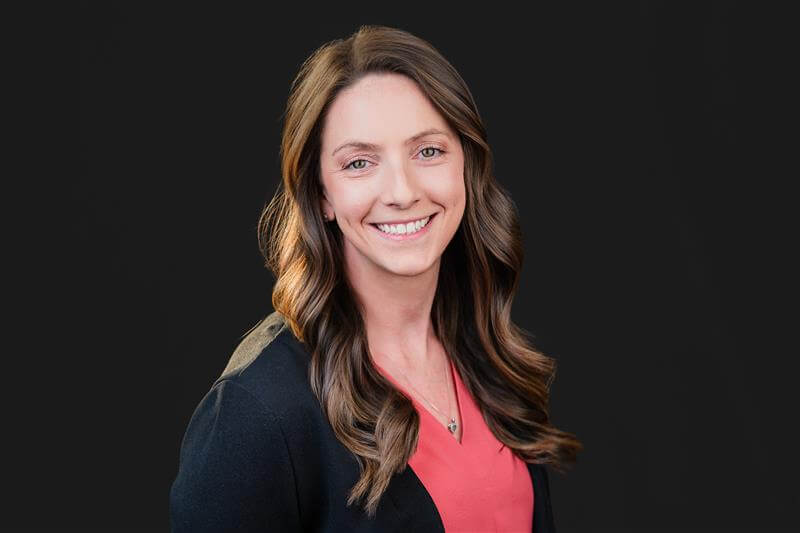
Felicia Todd, CRNP
Moravian College
CONSULTANT, VEIN SPECIALIST
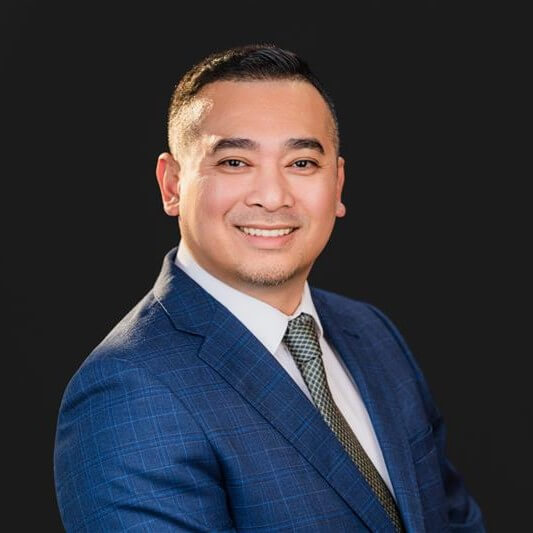
Vic Urbano, CNP
Walden University
CONSULTANT, VEIN SPECIALIST
Request a Consultation & Verify Insurance Benefits
Click the Button Below and Complete the Form
Or Call: