








Home · Vein Care · Vein Treatments · Radiofrequency Ablation

Radiofrequency Ablation

Bulging veins, heavy legs or swelling that won’t go away often start with a hidden problem: a larger leg vein with weak valves. Radiofrequency ablation (RFA) uses gentle, controlled heat to seal that vein from the inside, so blood reroutes through healthy veins. At MVM Health, our board-certified vein specialists perform RFA in the office with local numbing, and most patients walk out the same day.

Book a visit with a vein specialist near you at one of our clinics in Pennsylvania, New Jersey, Ohio and Arizona.

Radiofrequency Ablation,Varicose Veins
Radiofrequency Ablation,Varicose Veins Radiofrequency Ablation,Varicose Veins Radiofrequency Ablation,Varicose Veins Radiofrequency Ablation,Varicose Veins Radiofrequency Ablation,Varicose Veins Radiofrequency Ablation,Varicose Veins Radiofrequency Ablation,Varicose Veins Radiofrequency Ablation,Varicose Veins Radiofrequency Ablation,Varicose Veins Radiofrequency Ablation,Varicose Veins Radiofrequency Ablation,Varicose Veins Radiofrequency Ablation,Varicose Veins Radiofrequency Ablation,Varicose Veins Radiofrequency Ablation,Varicose Veins Radiofrequency Ablation,Varicose Veins Radiofrequency Ablation,Varicose Veins Radiofrequency Ablation,Varicose Veins Radiofrequency Ablation,Varicose Veins Radiofrequency Ablation,Varicose Veins Radiofrequency Ablation,Varicose Veins Radiofrequency Ablation,Varicose Veins Radiofrequency Ablation,Varicose Veins Radiofrequency Ablation,Varicose Veins Radiofrequency Ablation,Varicose Veins

Meet Our Expert Team

Board Certified Expert

At MVM Health — Movement. Vitality. Medicine. — we are committed to providing exceptional pain, vein, and wellness services that empower individuals to reclaim their health and well-being. With our team of Harvard-trained experts, we strive to deliver transformative outcomes that restore comfort, confidence, and quality of life. MVM Health’s mission is to help every patient relieve discomfort, restore motion, and renew life.

Radiofrequency Ablation,Varicose Veins

Vwaire Orhurhu, MD, MPH
Harvard Medical School

Radiofrequency Ablation,Varicose Veins

Mariam Salisu, MD, MPH
Harvard Medical School

Radiofrequency Ablation,Varicose Veins

Peter Isaac, DO
Philadelphia College of Osteopathic Medicine

Radiofrequency Ablation,Varicose Veins

Ali Amin, MD
Baylor College of Medicine

Radiofrequency Ablation,Varicose Veins

THOMAS KHOURY, MD
Harvard Medical School

Radiofrequency Ablation,Varicose Veins

ANTHONY TURNER, MD
Yale School of Medicine

Radiofrequency Ablation,Varicose Veins

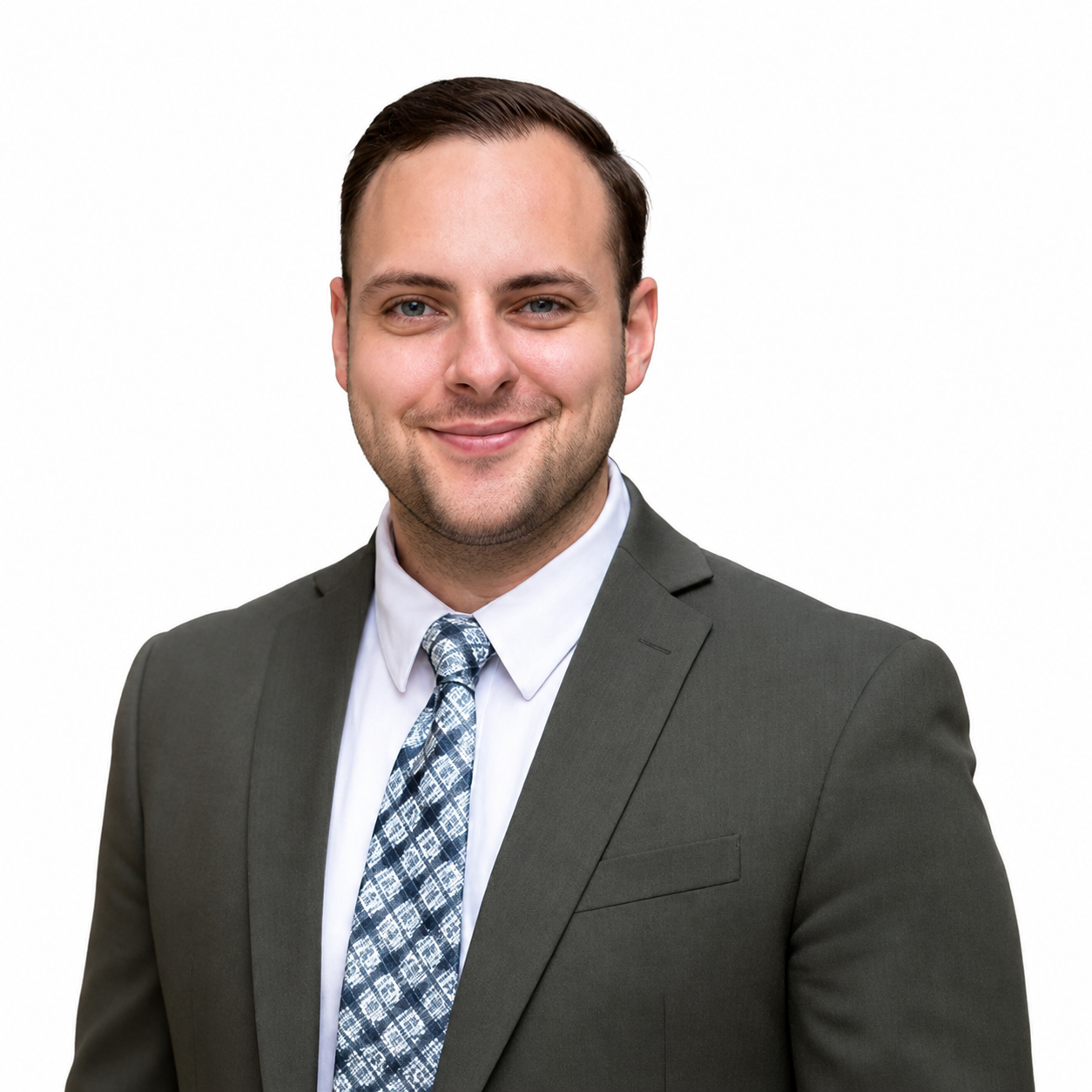
KIRAN C. TAMIRISA
Baylor College of Medicine
Radiofrequency Ablation,Varicose Veins

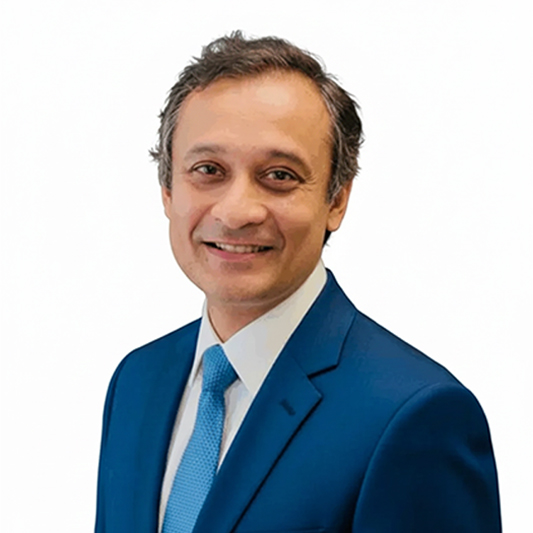
TARIQ ALFARRA, DO
JOHNS HOPKINS HOSPITAL
Radiofrequency Ablation,Varicose Veins

Rishi Sheth, MD
University of Miami School of Medicine

Radiofrequency Ablation,Varicose Veins

Henry Onyeaka, MD, MPH
Harvard Medical School

Radiofrequency Ablation,Varicose Veins

Felicia Todd, CNP
Moravian College

Radiofrequency Ablation,Varicose Veins

Carrie Ward, CNP
Franklin University

Radiofrequency Ablation,Varicose Veins

Kruti Solanki, CNP
Drexel University

Radiofrequency Ablation,Varicose Veins

Christy Daniels, CNP
Chamberlain University

Radiofrequency Ablation,Varicose Veins

Heerina Kittel, CNP
Maryville University

Radiofrequency Ablation,Varicose Veins

Vic Urbano, CNP
Walden University

Radiofrequency Ablation,Varicose Veins

Jameela Azeem, CNP
Hofstra University
Radiofrequency Ablation,Varicose Veins

Vwaire Orhurhu, MD, MPH
Harvard Medical School

Radiofrequency Ablation,Varicose Veins

Mariam Salisu, MD, MPH
Harvard Medical School

Radiofrequency Ablation,Varicose Veins

Peter Isaac, DO
Philadelphia College of Osteopathic Medicine

Radiofrequency Ablation,Varicose Veins

Ali Amin, MD
Baylor College of Medicine

Radiofrequency Ablation,Varicose Veins

THOMAS KHOURY, MD
Harvard Medical School

Radiofrequency Ablation,Varicose Veins

ANTHONY TURNER, MD
Yale School of Medicine

Radiofrequency Ablation,Varicose Veins

KIRAN C. TAMIRISA
Baylor College of Medicine

Radiofrequency Ablation,Varicose Veins

Rishi Seth, MD
University of Miami School of Medicine

Radiofrequency Ablation,Varicose Veins

Henry Onyeaka, MD, MPH
Harvard Medical School

Radiofrequency Ablation,Varicose Veins

Felicia Todd, CNP
Moravian College

Radiofrequency Ablation,Varicose Veins

Vic Urbano, CNP
Walden University

Radiofrequency Ablation,Varicose Veins

Jameela Azeem, CNP
Hofstra University

We work with a wide variety of insurance providers

Radiofrequency Ablation,Varicose Veins Radiofrequency Ablation,Varicose Veins Radiofrequency Ablation,Varicose Veins Radiofrequency Ablation,Varicose Veins Radiofrequency Ablation,Varicose Veins Radiofrequency Ablation,Varicose Veins Radiofrequency Ablation,Varicose Veins

and 100+ more

Insurance coverage for vein treatment depends on your specific plan, medical necessity, and prior authorization. Our team will review your benefits with you in advance. Questions? Contact us to confirm if your insurance is accepted.

What Is Radiofrequency Ablation?

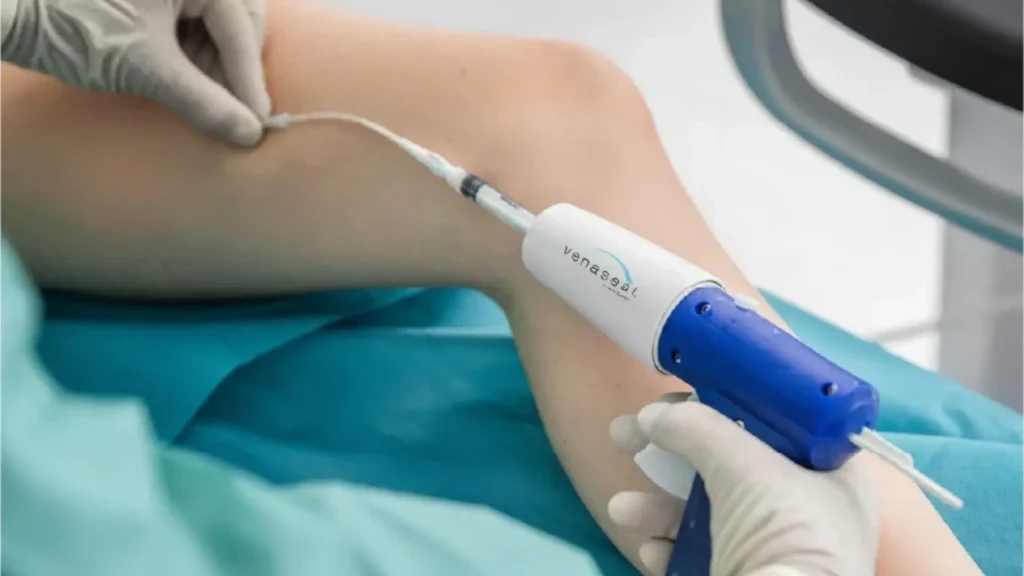
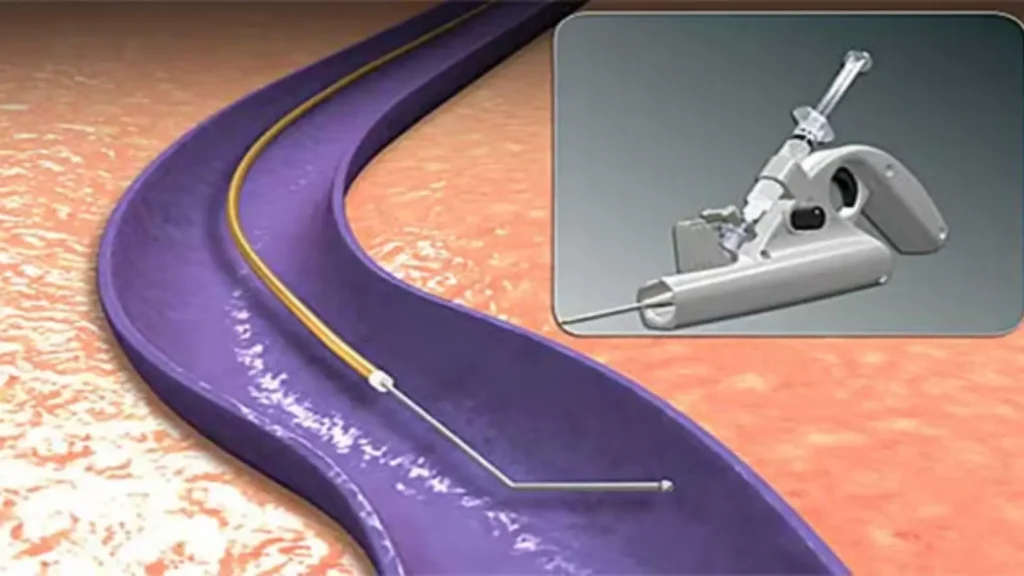
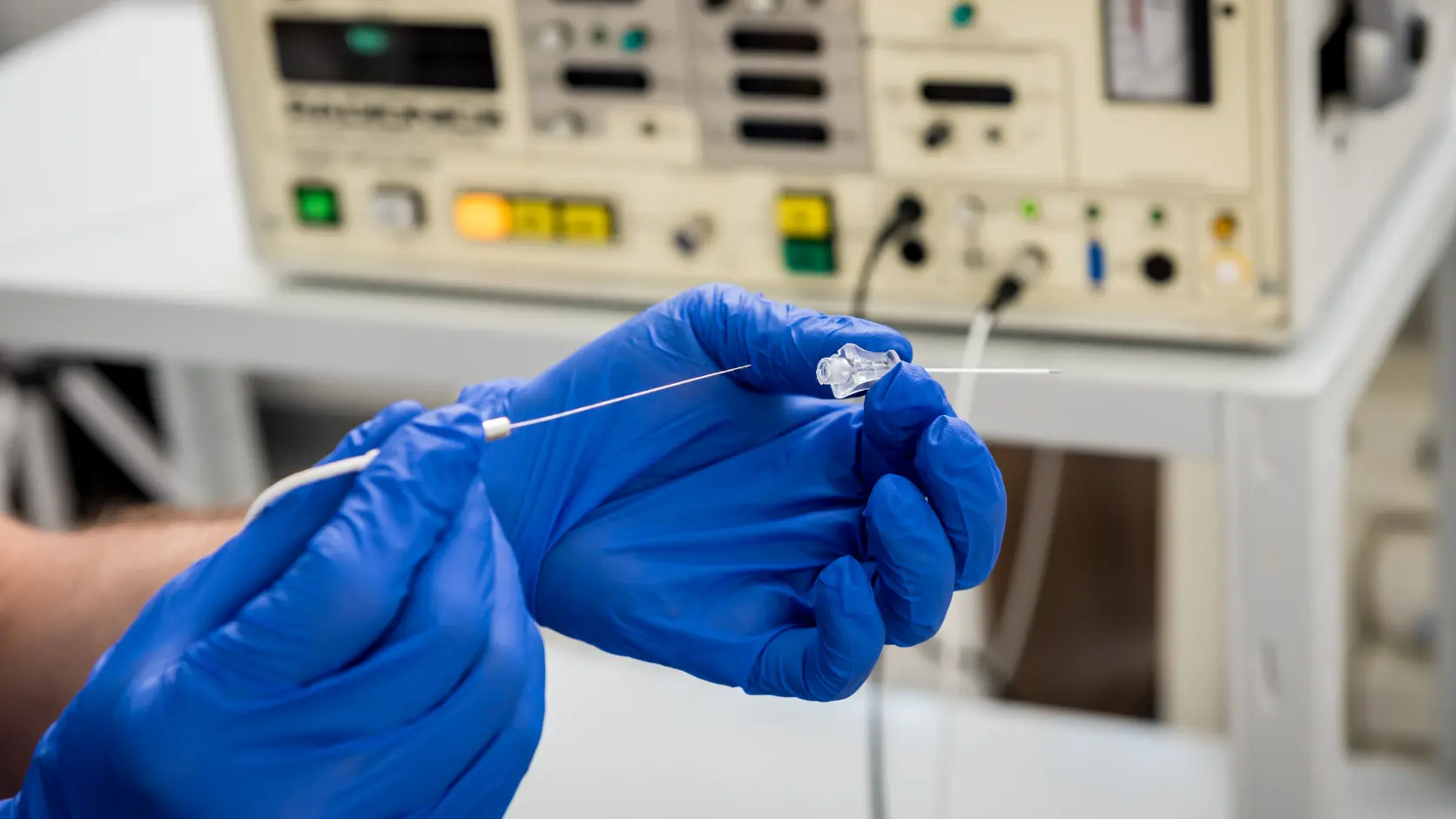
Radiofrequency ablation, also called endovenous RFA or by the brand name ClosureFast, is a minimally invasive treatment for varicose veins. A thin catheter delivers controlled heat to the wall of a faulty vein, causing it to shrink and seal shut.

Healthy leg veins have one-way valves that keep blood moving up toward the heart. When those valves weaken, blood slips backward and pools in the lower leg. This is called venous insufficiency, and it is often the hidden cause behind bulging veins and tired legs. RFA closes the vein with the faulty valves, so blood flows through healthy veins instead.

Radiofrequency Ablation,Varicose Veins

How the RFA Procedure Works

Leg veins have small one-way valves that keep blood moving upward. When these valves stop working well, blood slips backward and pools in the lower leg. This is called venous insufficiency, and over time it stretches the veins and causes symptoms.

RFA closes the vein with the faulty valves so blood can’t pool there anymore. A typical treatment goes like this:

Radiofrequency Ablation,Varicose Veins

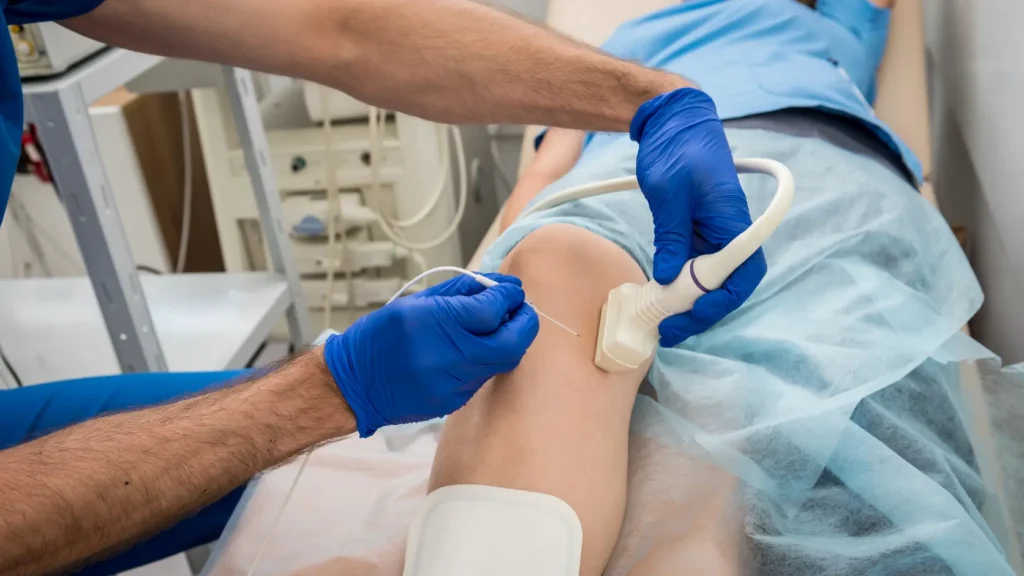
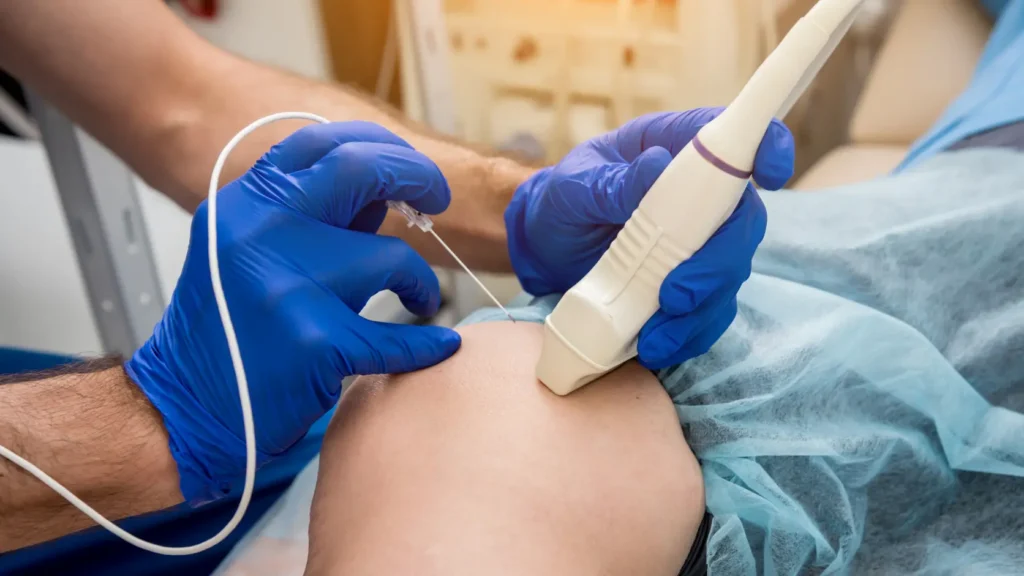
Ultrasound mapping

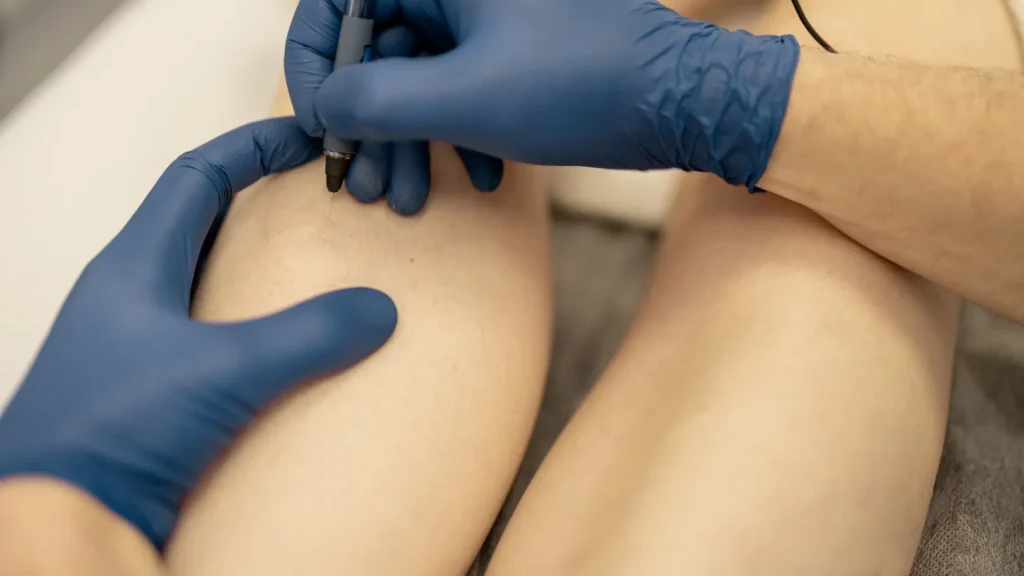
Your provider scans the leg to find the refluxing vein and mark the treatment area.

Radiofrequency Ablation,Varicose Veins

Numbing

 A small spot on the skin, often near the knee or calf, is numbed with local anesthetic.

Radiofrequency Ablation,Varicose Veins

Catheter placement

Guided by ultrasound, a thin catheter is passed into the faulty vein through a small needle entry.

Radiofrequency Ablation,Varicose Veins

Protective numbing fluid

A dilute numbing solution is placed around the vein. It keeps you comfortable and shields nearby tissue from heat.

Radiofrequency Ablation,Varicose Veins

Sealing the vein

The catheter heats the vein wall in short sections as it’s slowly pulled back. This makes the vein shrink and close.

Radiofrequency Ablation,Varicose Veins

Finishing up

The catheter is removed, a small bandage goes on, and you’re encouraged to walk around.

The closure itself usually takes less than an hour. Over the following weeks and months, your body slowly absorbs the sealed vein.

Are You a Candidate for RFA?

Many adults with vein reflux are good candidates, but your specialist decides after an exam and ultrasound. If several items on the left apply to you, an evaluation is worth it.

If you answered yes to several and you’ve noticed leg symptoms, a vein evaluation can tell you what’s going on.

You may be a good candidate if you:

Talk to your provider first if you:

Benefits of Radiofrequency Ablation

Radiofrequency Ablation,Varicose Veins

No Surgical Cuts

RFA is done through a single small needle entry, so there are no incisions or stitches and scarring is minimal.

Radiofrequency Ablation,Varicose Veins

Local Numbing Only

You stay awake and comfortable with local anesthetic. There’s no general anesthesia and no hospital stay.

Radiofrequency Ablation,Varicose Veins

Quick Return to Activity

Most people walk right after treatment and return to light daily activities within about a day.

Radiofrequency Ablation,Varicose Veins

Proven, Lasting Results

Studies show the treated vein stays closed in more than 9 out of 10 patients, with few serious complications.

When to Consider RFA

Book a vein evaluation if leg heaviness, aching or swelling keeps coming back, gets in the way of work, sleep or exercise, or if bulging veins are getting larger. Earlier treatment can help keep vein disease from progressing to skin changes or ulcers.

Get care right away if one leg suddenly becomes swollen, painful, warm or red, or if a vein bleeds and won’t stop. Call 911 for sudden shortness of breath or chest pain.

Heavy legs slowing you down? Find out if RFA is right for you.

Before Your RFA Treatment

Every RFA treatment at MVM Health starts with a full evaluation, so your specialist can confirm the source of the problem first.

STEP 1 · YOUR VISIT

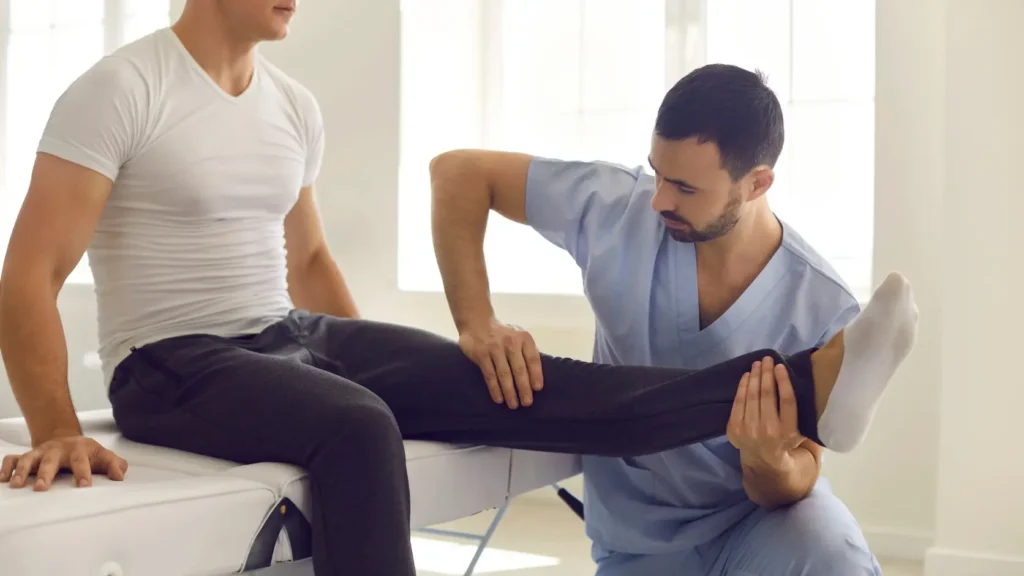
Your specialist asks about your symptoms, health history, past blood clots and current medicines, then examines your legs while you stand.

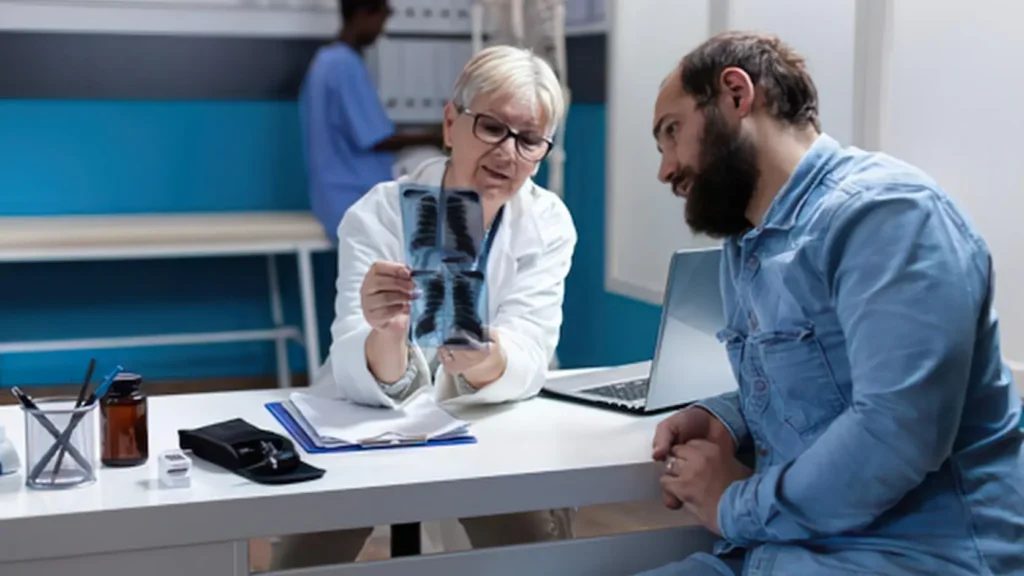
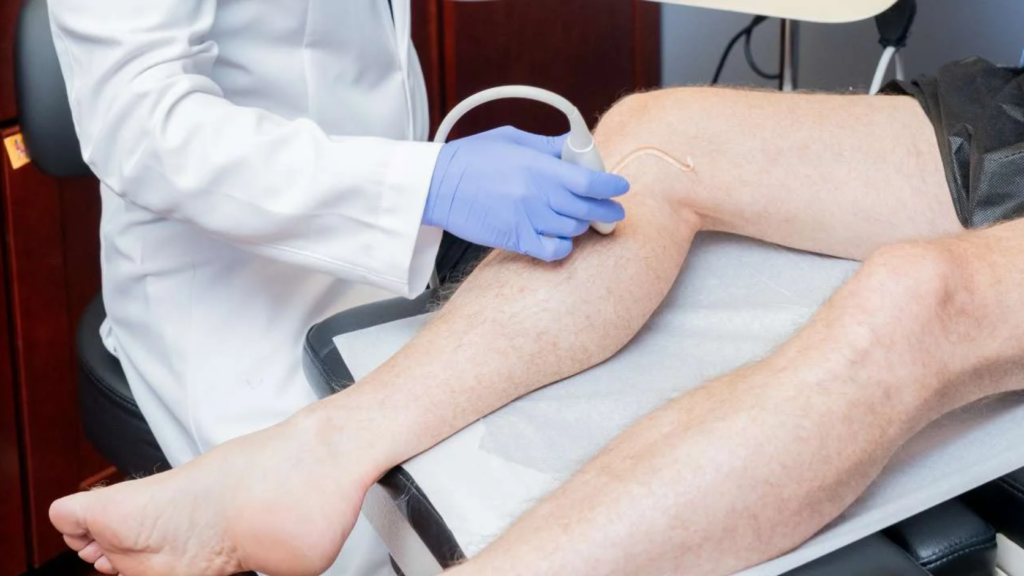
STEP 2 · DUPLEX ULTRASOUND

A painless ultrasound maps your leg veins and shows which ones are refluxing. It also measures vein size to confirm RFA is the right fit.

STEP 3 . YOUR PLAN

Your specialist explains your options and what to expect. Our team checks your insurance, including any prior authorization or compression trial your plan requires.

RFA and Other Vein Treatment Options

RFA is one of several ways to close a faulty vein, and many patients combine it with a second treatment for smaller surface veins. The 2022 clinical practice guidelines from the Society for Vascular Surgery, American Venous Forum and American Vein and Lymphatic Society support both heat-based and non-heat-based options, chosen to fit each patient. Your specialist picks the method that matches your vein anatomy.

Radiofrequency Ablation,Varicose Veins

Gentle heat seals the vein from the inside

Best for: Larger refluxing saphenous veins

Recovery:Walk the same day; light activity in about 1 day

Radiofrequency Ablation,Varicose Veins

Laser energy closes the vein through a thin fiber

Best for: Larger, straighter refluxing veins

Recovery: Similar to RFA; walking the same day


Radiofrequency Ablation,Varicose Veins

A medical adhesive glues the vein shut, no heat

Best for: Larger veins, when heat or numbing fluid isn’t ideal

Recovery: Often back to routine the same day

Radiofrequency Ablation,Varicose Veins

A rotating tip plus medicine closes the vein

Best for: Larger veins close to nerves

Recovery: Usually back to routine the same day


Radiofrequency Ablation,Varicose Veins

An injected solution makes the vein collapse

Best for: Smaller varicose and spider veins

Recovery: Walk right away; little downtime


Radiofrequency Ablation,Varicose Veins

Bulging surface veins removed through tiny nicks

Best for: Large surface veins near the skin, often after RFA

Recovery: Walk the same day; mild bruising


Compression stockings support blood flow and ease swelling. They don’t remove varicose veins, but they are often used before and after RFA, and some insurance plans require a trial first.

How Radiofrequency Ablation Works

RFA is an in-office procedure done through a single needle entry, so there are no large incisions or stitches. The closure itself usually takes less than an hour, and you stay awake the whole time. Your provider will describe the exact technique used in your case. In general, it follows four steps:

1

Map and Numb Ultrasound marks the faulty vein, then a small spot near the knee or calf is numbed with local anesthetic.

2

Place the Catheter Guided by ultrasound, a thin, flexible catheter is passed into the vein, and numbing fluid is placed around it.

3

Seal the Vein The catheter heats the vein wall in short sections as it’s slowly pulled back, making the vein shrink and close.

4

Blood Reroutes Blood flows through nearby healthy veins instead. Over the following months, your body absorbs the sealed vein.

Recovery After RFA

Most people get back to normal life quickly. These steps help you heal comfortably:

Radiofrequency Ablation,Varicose Veins

Walk for 10–20 minutes right after treatment and several times a day to keep blood moving.

Wear compression stockings for as long as your care team advises, often one to two weeks.

Avoid heavy lifting, hard workouts and long hot baths for about a week, or as your provider advises.

Keep your follow-up ultrasound, usually within a week, to confirm the vein has sealed properly.

 Mild bruising, tightness or a firm cord along the treated vein is normal for a week or two. Many people notice lighter, less swollen legs over the following weeks.

RFA Myths, Answered

A few common beliefs keep people from getting help. Here’s what’s actually true:

MYTH

Closing a vein will hurt my circulation.

FACT

The treated vein is already working poorly. Blood reroutes through healthy veins, which often improves overall flow in the leg.

MYTH

RFA is major surgery.

FACT

 RFA is done in the office through one small needle entry, with local numbing and no hospital stay.

MYTH

RFA removes every visible vein.

FACT

RFA treats the main faulty vein. Smaller surface veins may need a simple follow-up such as sclerotherapy.

MYTH

Recovery means weeks off work.

FACT

Many people with desk jobs return the same day or the next. Jobs with heavy lifting may need a few extra days.

RFA Side Effects and Risks

Most side effects after RFA are mild and fade within a few weeks. An experienced vein specialist and careful ultrasound guidance help keep risks low.

Call 911 for sudden shortness of breath or chest pain. Contact your care team the same day if one leg suddenly swells, your calf becomes painful, warm or red, or you develop a fever.

More common, temporary:

Less common:

FAQS

What is Radiofrequency Ablation (RFA), and who is it for?

Radiofrequency Ablation (RFA) is a simple procedure that uses heat to treat Chronic Venous Insufficiency, varicose veins, and other blood It is an ideal option for patients who have not achieved adequate relief from conservative treatments such as compression stockings or over-the-counter pain management.

A thin, flexible catheter is inserted into the faulty vein under Ultrasound guidance. Once positioned correctly, the catheter delivers gentle radiofrequency energy to the vein wall, causing it to shrink and seal. The body then naturally reroutes blood through healthy veins. The procedure typically takes under one hour and is performed under local or regional anesthesia.

RFA directly addresses Venous Insufficiency, the root cause of many vein-related symptoms. Patients commonly experience a marked reduction in leg cramping, heaviness, throbbing, and swelling following the procedure, allowing them to return to daily activities with significantly greater comfort.

What is the recovery time after Radiofrequency Ablation?

RFA, or Radiofrequency Ablation, is an outpatient procedure with a rapid recovery period. Most patients are able to resume standard daily activities within a matter of days after treatment. Because only a small access point in the skin is required, postoperative discomfort and complication rates are very low compared to traditional vein surgery.

Yes. RFA permanently closes the faulty vein, which eliminates blood reflux and pooling at that site. The body absorbs the sealed vein over time, and the corrected blood flow Through healthy veins, long-term maintenance provides durable relief from venous insufficiency symptoms.

FIND AN RFA VEIN SPECIALIST NEAR YOU

Book a visit with a vein specialist near you to see whether radiofrequency ablation is right for you. Our clinics are in Pennsylvania, New Jersey, Ohio and Arizona.


Pennsylvania

New Jersey

Arizona

Frequently Asked Questions

Is radiofrequency ablation painful?

Most people feel a brief sting from the numbing injection, then only pressure or warmth during treatment. Mild soreness or tightness afterward usually eases within a week or two.

How long does the RFA procedure take?

The vein closure usually takes less than an hour. Plan for a longer visit to allow for ultrasound mapping, numbing and a short rest before you go home.

How long is recovery after RFA?

Most people walk the same day and return to light activity within a day or so. Bruising and tightness fade over one to two weeks, and leg symptoms often improve over the following weeks.

How soon can I go back to work after RFA?

Many people with desk jobs return the same day or the next day. If your job involves heavy lifting or long hours on your feet, your provider may suggest a few extra days.

What's the difference between RFA and ClosureFast?

ClosureFast is a brand name for one of the most widely used RFA systems. When people mention ClosureFast or VNUS Closure, they usually mean radiofrequency ablation.

Is RFA better than laser ablation?

Both seal the vein from the inside and have similar long-term closure rates. Older laser systems tended to cause more bruising. Your specialist picks the method that best fits your vein anatomy.

Do I have to wear compression stockings after RFA?

Most providers recommend compression stockings for a short time after treatment to ease swelling and support healing. Your care team will tell you how long to wear them.

Can both legs be treated on the same day?

Sometimes, but many clinics treat one leg at a time to keep recovery comfortable and lower risk. Your provider will plan the schedule with you.

Can varicose veins come back after RFA?

The treated vein usually stays closed, but new varicose veins can form in other veins over time. Staying active and keeping follow-up visits helps catch changes early.

Is RFA covered by insurance?

Many plans cover RFA when it’s medically necessary, such as for painful or swollen legs with ultrasound-confirmed reflux. Some require prior authorization or a compression trial first. See our insurance details or call us to check your benefits.

Recent blogs

Contact Us
Book Appointment Call 888-628-4785