

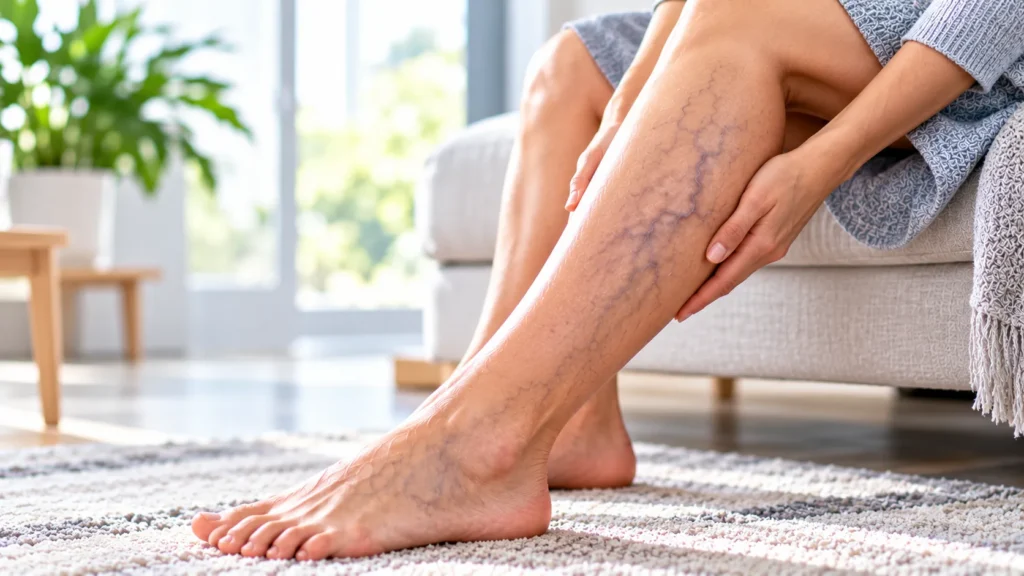










Chronic Venous Insufficiency

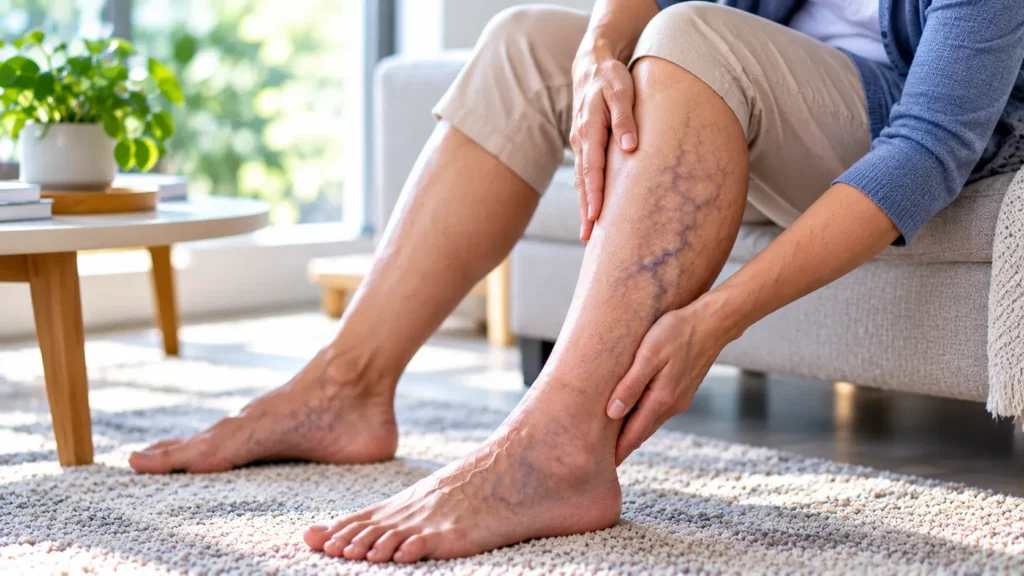
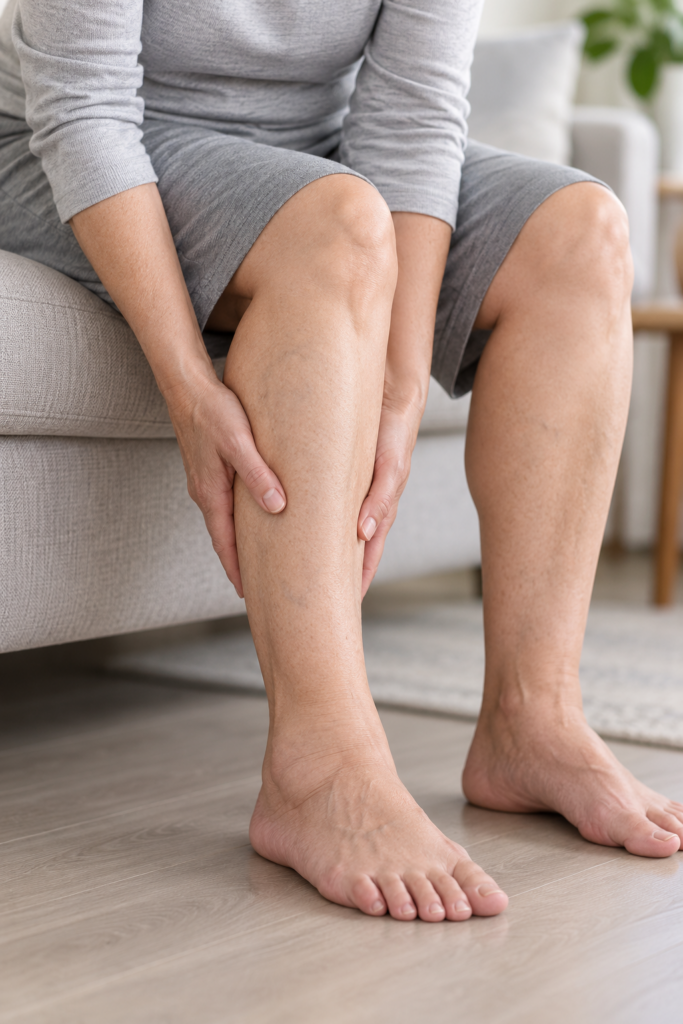
Heavy legs at the end of the day. Ankles that swell, then settle overnight. Veins or skin changes that seem to creep in year after year. Many people put up with these symptoms for a long time, thinking they’re just part of getting older. Often, they’re signs of chronic venous insufficiency, a common and treatable condition in which leg veins struggle to send blood back to the heart. Our vein specialists confirm the diagnosis with ultrasound and offer minimally invasive treatment in the office.

Book a visit with a vein specialist near you at one of our clinics in Pennsylvania, New Jersey, Ohio and Arizona.

Venous Insufficiency
Venous Insufficiency Venous Insufficiency Venous Insufficiency Venous Insufficiency Venous Insufficiency Venous Insufficiency Venous Insufficiency Venous Insufficiency Venous Insufficiency Venous Insufficiency Venous Insufficiency Venous Insufficiency Venous Insufficiency Venous Insufficiency Venous Insufficiency Venous Insufficiency Venous Insufficiency Venous Insufficiency Venous Insufficiency Venous Insufficiency Venous Insufficiency Venous Insufficiency Venous Insufficiency Venous Insufficiency

Meet Our Expert Team

Board Certified Expert

At MVM Health — Movement. Vitality. Medicine. — we are committed to providing exceptional pain, vein, and wellness services that empower individuals to reclaim their health and well-being. With our team of Harvard-trained experts, we strive to deliver transformative outcomes that restore comfort, confidence, and quality of life. MVM Health’s mission is to help every patient relieve discomfort, restore motion, and renew life.

Venous Insufficiency

Vwaire Orhurhu, MD, MPH
Harvard Medical School

Venous Insufficiency

Mariam Salisu, MD, MPH
Harvard Medical School

Venous Insufficiency

Peter Isaac, DO
Philadelphia College of Osteopathic Medicine

Venous Insufficiency

Ali Amin, MD
Baylor College of Medicine

Venous Insufficiency

THOMAS KHOURY, MD
Harvard Medical School

Venous Insufficiency

ANTHONY TURNER, MD
Yale School of Medicine

Venous Insufficiency

KIRAN C. TAMIRISA
Baylor College of Medicine

Venous Insufficiency

TARIQ ALFARRA, DO
JOHNS HOPKINS HOSPITAL

Venous Insufficiency

Rishi Sheth, MD
University of Miami School of Medicine

Venous Insufficiency

Henry Onyeaka, MD, MPH
Harvard Medical School

Venous Insufficiency

Felicia Todd, CNP
Moravian College

Venous Insufficiency

Carrie Ward, CNP
Franklin University

Venous Insufficiency

Kruti Solanki, CNP
Drexel University

Venous Insufficiency

Christy Daniels, CNP
Chamberlain University

Venous Insufficiency

Heerina Kittel, CNP
Maryville University

Venous Insufficiency

Vic Urbano, CNP
Walden University

Venous Insufficiency

Jameela Azeem, CNP
Hofstra University

Venous Insufficiency

Vwaire Orhurhu, MD, MPH
Harvard Medical School

Venous Insufficiency

Mariam Salisu, MD, MPH
Harvard Medical School

Venous Insufficiency

Peter Isaac, DO
Philadelphia College of Osteopathic Medicine

Venous Insufficiency

Ali Amin, MD
Baylor College of Medicine

Venous Insufficiency

THOMAS KHOURY, MD
Harvard Medical School

Venous Insufficiency

ANTHONY TURNER, MD
Yale School of Medicine

Venous Insufficiency

KIRAN C. TAMIRISA
Baylor College of Medicine

Venous Insufficiency

Rishi Seth, MD
University of Miami School of Medicine

Venous Insufficiency

Henry Onyeaka, MD, MPH
Harvard Medical School

Venous Insufficiency

Felicia Todd, CNP
Moravian College

Venous Insufficiency

Vic Urbano, CNP
Walden University

Venous Insufficiency

Jameela Azeem, CNP
Hofstra University

We work with a wide variety of insurance providers

Venous Insufficiency Venous Insufficiency Venous Insufficiency Venous Insufficiency Venous Insufficiency Venous Insufficiency Venous Insufficiency

and 100+ more

Insurance coverage for vein treatment depends on your specific plan, medical necessity, and prior authorization. Our team will review your benefits with you in advance. Questions? Contact us to confirm if your insurance is accepted.

What Is Chronic Venous Insufficiency?

Your leg veins carry blood uphill, back to your heart. Small one-way valves inside them open as blood moves up and close to stop it from slipping back down. Your calf muscles help by squeezing the veins every time you walk.

In chronic venous insufficiency, some of those valves stop closing properly. Blood leaks backward (venous reflux) and pools in the lower legs, raising the pressure inside the veins. Over months and years, that pressure stretches the veins, pushes fluid into the tissue and can damage the skin.

CVI is one of the most common circulation problems in adults, especially after age 50. It usually develops slowly and doesn’t go away on its own, but treatment can ease symptoms and help keep it from getting worse.

Venous Insufficiency

Early Signs You Shouldn’t Ignore

CVI often starts with symptoms that are easy to brush off. Watch for:


Some people with CVI have no visible veins at all. That’s why ongoing
heaviness or aching on its own is worth checking.

Venous Insufficiency

Why Veins Start to Fail

Most CVI comes from valves and vein walls that weaken over time. This tends to run in families. It can also follow a deep vein blood clot (DVT), which can scar the valves it passes through.

Your risk is higher if you:

Have a parent or sibling with varicose veins or vein disease

Are over 50, when vein walls and valves naturally weaken

Have been pregnant, especially more than once

Stand or sit for long hours at work without moving

Carry extra body weight or get little regular exercise

Have had a deep vein blood clot or a serious leg injury

Smoke, which damages blood vessel walls and circulation

Take hormonal birth control or hormone therapy

Skin Changes and Venous Ulcers

When high vein pressure goes on for years, it starts to affect the skin around the ankles and lower legs. These changes usually appear slowly, and knowing what to look for helps you get care before they get worse.

Venous Insufficiency

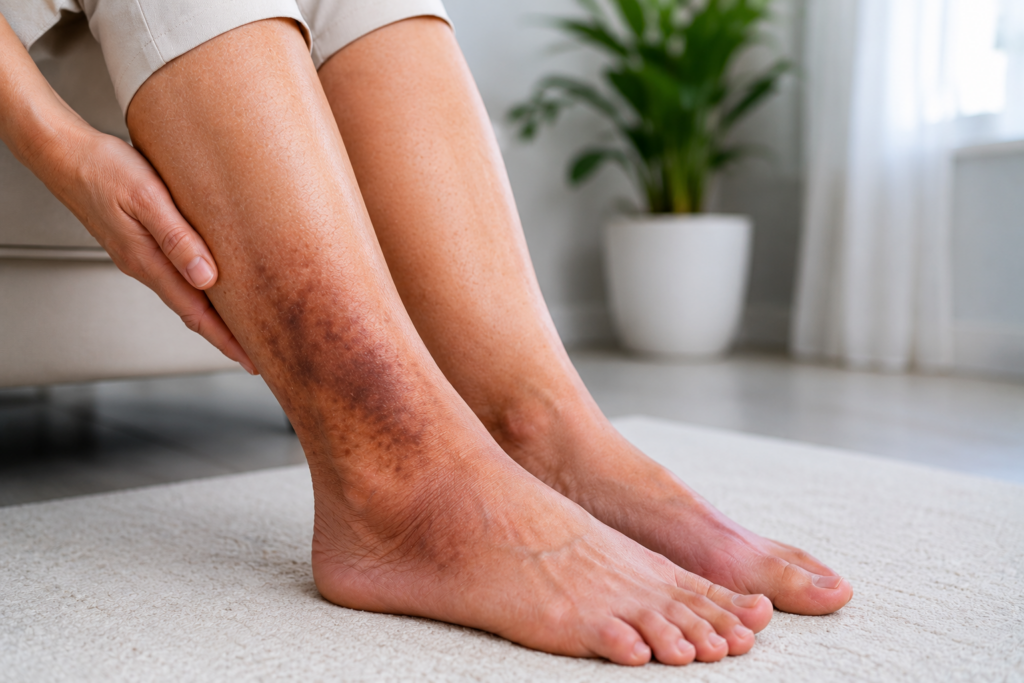
Skin Discoloration

Reddish-brown or dark patches appear around the ankles and lower legs. They form when blood leaks out of stretched veins and stains the skin. The color often deepens over time and may not fully fade.

Venous Insufficiency

Venous Eczema

Skin becomes dry, itchy, scaly or weepy, often near the ankle. It’s sometimes mistaken for a simple rash or allergy, but it’s caused by pooled blood irritating the skin. Scratching can break the skin and raise the risk of infection.

Venous Insufficiency

Hardened, Tight Skin

The skin and the fat under it can become thick, firm and tender, sometimes making the lower leg look narrower near the ankle. This hardening is a sign of long-term vein pressure and inflammation.

Venous Insufficiency

Small Veins Around the Ankle

A fan of tiny blue or purple veins can appear around the inner ankle or along the foot. This “ankle flare” is often an early warning sign that the deeper veins aren’t working well.

Venous Insufficiency

Pale, Scar-Like Patches

Smooth, white, star-shaped patches with tiny red dots can form on the lower leg. This skin is fragile and heals poorly, so even a small bump or scratch there can turn into a sore.

Venous Insufficiency

Venous Ulcers

Shallow open sores usually form near the inner ankle. They can weep, ache and take weeks or months to heal, and they can come back. Ulcers are the most advanced sign of vein disease and need prompt care.

These changes are signs of more advanced disease. Treating the leaking veins, along with compression and wound care, helps ulcers heal and lowers the chance they return. If you notice any of these skin changes, book a vein evaluation.

Varicose Vein Myths, Answered

Vein specialists use a standard scale to describe how far vein disease has progressed, from no visible signs to open sores. In plain terms:

Stage 1:

Spider veins or small surface veins appear, usually with few or no symptoms.

Stage 2:

For many people, varicose veins cause real symptoms such as pain, swelling and skin changes. That’s why treatment is often covered by insurance when it’s medically necessary.

Stage 3:

Swelling builds in the ankles or lower legs, usually worse by the end of the day.

Stage 4

Skin changes appear, such as darkening, eczema or thick, hardened skin near the ankles.

Stage 5

A venous ulcer has healed, but the skin stays fragile and the sore can come back.

Stage 6:

An open venous ulcer forms, usually near the inner ankle, and needs prompt care.

What is Venous Insufficiency and what causes it?

Leg pain can come from your veins or your arteries, and the two need different care. Veins carry blood back up to the heart, while arteries carry blood down to the legs. A problem with either can cause aching, cramping or swelling, so knowing which one is behind your symptoms is the first step toward the right treatment.

Venous insufficiency

Is a problem with blood getting back to the heart. Legs feel heavy and swollen. Symptoms get worse after standing and better when you raise your legs, and sores tend to form near the ankle.

Arterial insufficiency

(peripheral artery disease) is a problem with blood getting down to the legs. It often causes cramping pain in the calves while walking that eases with rest. Other signs are cool or pale feet, weak foot pulses and sores on the toes.

Some people have both. That matters because strong compression can be unsafe when arterial flow is poor, so your provider checks both before recommending treatment.

Posted on Google Venous Insufficiency
Venous Insufficiency
Brenda Giles
Venous InsufficiencyVenous InsufficiencyVenous InsufficiencyVenous InsufficiencyVenous InsufficiencyTrustindex verifies that the original source of the review is Google.
Everybody was very pleasant and not long waiting at all
Posted on Google Venous Insufficiency
Venous Insufficiency
Lala Kenjo
Venous InsufficiencyVenous InsufficiencyVenous InsufficiencyVenous InsufficiencyVenous InsufficiencyTrustindex verifies that the original source of the review is Google.
I'm going to say Dr. O is a miracle worker. I have two herniated discs in my neck and the pain was so severe, I had to roll out of bed some days. I went to see Dr. O and was scheduled for an injection in my neck. The first injection helped a little bit, but I was still in severe pain most days. Speaking to other people, it normally takes two injections so I went from my second injection with Dr. O. Oh, and by the way, he squeezed me in the very next day for the procedure. I have not felt this good in a very long time. I can actually sit in a chair without my neck throbbing from pain and I've even started taking better care of my vegetable garden in my yard. Like I said this man is a miracle worker. Love, love, love him and I highly recommend him. Oh, and all of his staff are extremely friendly, patient, and very empathetic to their patients.
Posted on Google Venous Insufficiency
Venous Insufficiency
Maryann Iko
Venous InsufficiencyVenous InsufficiencyVenous InsufficiencyVenous InsufficiencyVenous InsufficiencyTrustindex verifies that the original source of the review is Google.
Everyone is friendly and feeling good about them helping me
Posted on Google Venous Insufficiency
Venous Insufficiency
MARCE CASTAÑO
Venous InsufficiencyVenous InsufficiencyVenous InsufficiencyVenous InsufficiencyVenous InsufficiencyTrustindex verifies that the original source of the review is Google.
“My experience today was excellent. From the moment I arrived, the staff was welcoming and attentive. The way everything was explained to me made the process clear and easy to understand. I felt very comfortable and, most importantly, safe throughout my visit. I truly appreciate the professionalism and care I received.”
Posted on Google Venous Insufficiency
Venous Insufficiency
Barbara Quarantello
Venous InsufficiencyVenous InsufficiencyVenous InsufficiencyVenous InsufficiencyVenous InsufficiencyTrustindex verifies that the original source of the review is Google.
I have been a patient of Dr. Orhurhu for over a year and the care he has given me has been exceptional. I had a compound fracture of my L2 vertebrae in May 2024 and he performed a Kyphoplasty in his office with wonderful results. I still have issues with my back due to scoliosis and bulgeing discs that impinge on my spine. Dr.O suggested ablation therpy on my low back along with 4 epidural injections with 2 more to come this week. But I have great faith in Dr. Orhurhu that I will be improving under his excellent care and guidance.
Posted on Google Venous Insufficiency
Venous Insufficiency
Seleimy Suárez Rodríguez
Venous InsufficiencyVenous InsufficiencyVenous InsufficiencyVenous InsufficiencyVenous InsufficiencyTrustindex verifies that the original source of the review is Google.
Me gustó bastante y mucho la atención de el Señor Andy, excelente coordinador. Excelentes servicios en todo!!! Quede muy encantada.

Chronic Venous Insufficiency Treatment Options

Damaged vein valves don’t heal on their own, but treatment can ease swelling and heaviness and help keep CVI from getting worse. Care usually starts with compression and daily habits. When an ultrasound shows leaking veins, our specialists close them with minimally invasive procedures, so blood reroutes through healthy veins. Most treatments are done in the office with local numbing, and most patients walk out the same day.

Venous Insufficiency

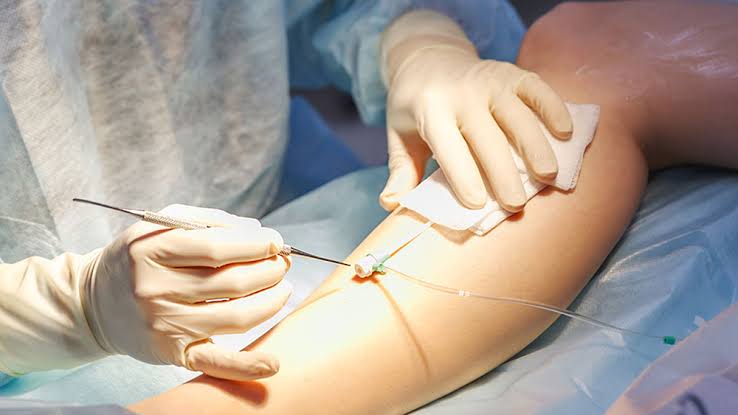
A thin catheter uses gentle heat to seal a larger leaking vein from the inside. Most people return to light activity in about a day.
Venous Insufficiency

A thin laser fiber closes larger, straighter leaking veins through a single needle entry, with a return to work within one to two days.

Venous Insufficiency

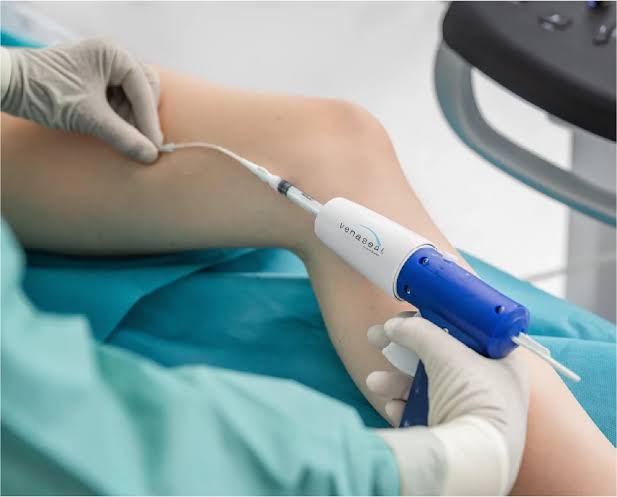
A medical adhesive closes a leaking vein without heat, usually with one numbing shot and often no compression stockings afterward.

Venous Insufficiency

A spinning wire tip and medicine close leaking veins without heat. It’s often chosen for veins near nerves below the knee.

Venous Insufficiency

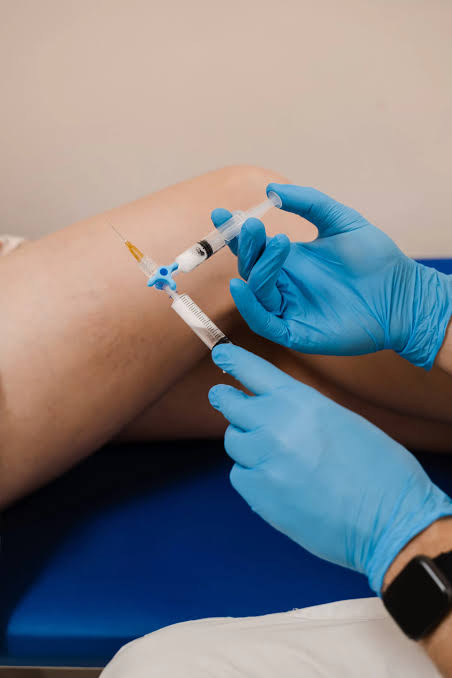
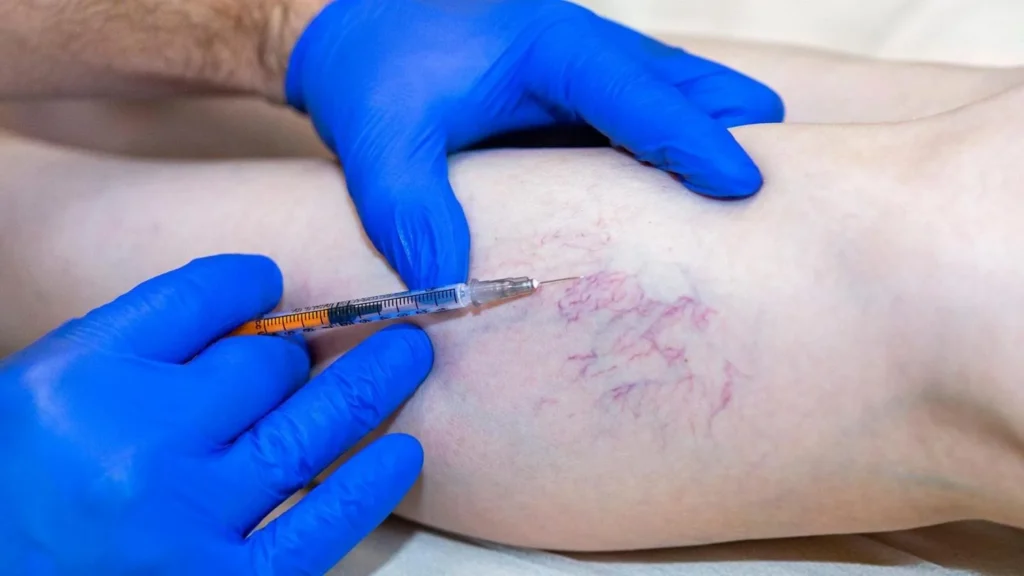
Small injections close smaller varicose and spider veins, often after a larger leaking vein has been treated, so they fade over weeks.

Venous Insufficiency

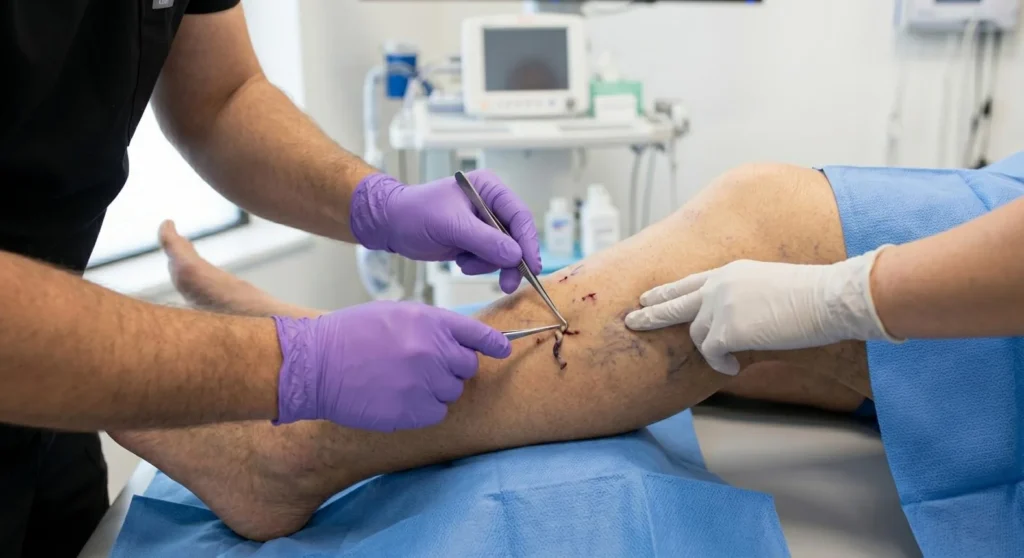
Bulging surface veins are removed through tiny skin nicks under local numbing. You can walk out the same day with mild bruising.

Compression therapy: Medical-grade stockings, usually 20–30 mmHg, ease swelling and heaviness while you wear them. Many insurance plans require a trial before procedures.

How CVI Is Diagnosed

Your visit starts with questions about your symptoms, past blood clots, pregnancies and family history, followed by an exam of your legs while you stand.

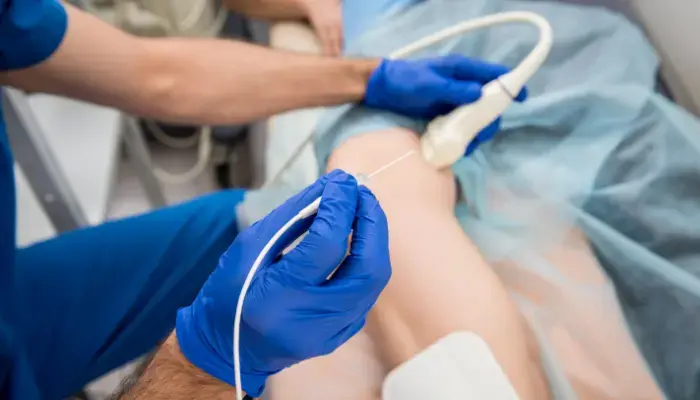
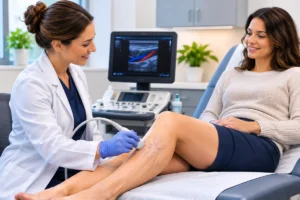
The main test is a venous duplex ultrasound. It’s painless and shows which valves are leaking, how much blood flows backward and whether there’s an old or new clot. Your provider may also check the pulses in your feet or order an arterial test. Together, these results map exactly where treatment is needed.

Venous Insufficiency

Choosing the Right Compression Stockings

The right pair of compression stockings makes a real difference for CVI. Graduated compression gently squeezes your legs, tightest at the ankle, to help push blood back toward the heart and ease swelling and heaviness. Getting the pressure level, fit and style right is what makes them comfortable enough to wear every day.

Venous Insufficiency

Pressure level: Stockings are rated in mmHg. Lighter levels (15–20 mmHg) are sold over the counter. Many people with CVI are prescribed 20–30 mmHg, and more advanced disease may need a higher level.

Fit: Your ankle and calf are measured, usually in the morning before swelling builds. A poor fit can roll, pinch or simply not help.

Style: Knee-high stockings work for most people. Thigh-high or pantyhose styles may be advised in some cases.

Safety: Check with your provider before starting firm compression if you have poor circulation in your arteries, diabetes with numb feet, or skin breakdown.

Can CVI Be Cured? How Treatment Works

Damaged vein valves don’t heal on their own. The goal of treatment is to take the faulty veins out of circulation and control symptoms. Care usually follows three steps.
STEP 1: COMPRESSION AND DAILY HABITS

Care usually starts with medical-grade compression stockings, raising your legs and walking every day. These steps ease swelling and heaviness and support healthy blood flow. Many insurance plans also require a trial of compression before they’ll approve vein procedures.


STEP 2: CLOSING THE FAULTY VEINS

When ultrasound shows reflux, minimally invasive treatments close the leaking veins so blood reroutes through healthy ones. Options include radiofrequency ablation, laser ablation, VenaSeal®, ClariVein®, sclerotherapy and ambulatory phlebectomy. Most are done in the office in about an hour.

STEP 3: ONGOING CARE

Follow-up visits check that treated veins have closed and your legs are healing well. If you have skin changes or ulcers, compression and wound care continue. New problem veins can be treated if they appear later, so regular checkups help keep CVI under control.


Exercises and Habits That Help

These simple habits support your veins and can ease swelling, heaviness and aching alongside treatment. They work best when you make them part of your daily routine.

Habits can ease symptoms, but they can’t repair damaged valves. Supplements such as horse chestnut seed extract may help some people, but always ask your provider first.

Do you…

Frequently Asked Questions

What is chronic venous insufficiency?

Chronic venous insufficiency (CVI) is a condition in which the valves in your leg veins don’t close properly, so blood flows backward and pools in the lower legs. The added pressure can cause swelling, heaviness and varicose veins. Over time, it can also cause skin changes and sores.

What are the early symptoms of venous insufficiency?

 Early signs include legs that feel heavy or tired by evening, ankle swelling that improves overnight, aching after standing, night cramps, itching, and new spider or varicose veins. Symptoms often ease when you raise your legs.

Can venous insufficiency be cured or reversed?

Damaged vein valves don’t repair themselves, so CVI can’t be reversed in the usual sense. Closing the faulty veins can greatly reduce symptoms and slow the disease, and new problem veins can be treated if they appear later.

What is the best treatment for venous insufficiency?

There’s no single best treatment. Compression stockings are usually the first step. When ultrasound shows reflux, minimally invasive options such as radiofrequency ablation, laser ablation, VenaSeal® or sclerotherapy close the faulty veins. The right choice depends on which veins are affected.

Is chronic venous insufficiency dangerous, and will it get worse?

CVI isn’t usually life-threatening, but it tends to progress without treatment. Ongoing pressure can lead to skin damage, infections and venous ulcers that are slow to heal. Early treatment can help prevent these complications.

Which doctor treats venous insufficiency?

Vein specialists, vascular surgeons and interventional radiologists all treat CVI. At MVM Health, our vein specialists diagnose it with ultrasound and offer minimally invasive treatment at clinics in Pennsylvania, New Jersey, Ohio and Arizona.

Can venous insufficiency cause blood clots or heart problems?

CVI doesn’t cause heart failure, but both conditions can cause leg swelling, so your provider checks for each. A past blood clot can lead to CVI, and people with varicose veins can develop small surface clots. Sudden swelling with pain in one leg needs same-day care.

What compression level do I need for venous insufficiency?

Many people with CVI use 20–30 mmHg medical-grade stockings. Milder symptoms may need less, and advanced disease may need more. The right level and size should come from your provider after measuring your legs and checking your arteries.

What is the difference between venous and arterial insufficiency?

 Venous insufficiency is a problem with blood returning to the heart. It causes swelling and heaviness that ease when you raise your legs. Arterial insufficiency (peripheral artery disease) is reduced blood flow to the legs. It causes cramping pain when walking that eases with rest, and cool, pale feet.

Do supplements or natural remedies help venous insufficiency?

Some supplements, such as horse chestnut seed extract, may ease symptoms for some people in the short term. They don’t fix leaking valves, and some interact with medicines, so talk to your provider before starting any supplement.

Can exercise help venous insufficiency?

Yes. Walking, calf raises and ankle pumps strengthen the calf muscles that push blood upward, which can ease swelling and heaviness. Exercise supports treatment but can’t repair damaged valves on its own.

Can venous insufficiency make me feel tired?

Many people with CVI describe tired, heavy legs, especially by evening. Body-wide fatigue, weight gain or shortness of breath usually point to another cause, so have your doctor check them.

Recent blogs

Contact Us
Book Appointment Call 888-628-4785