









Leg Heaviness Treatment
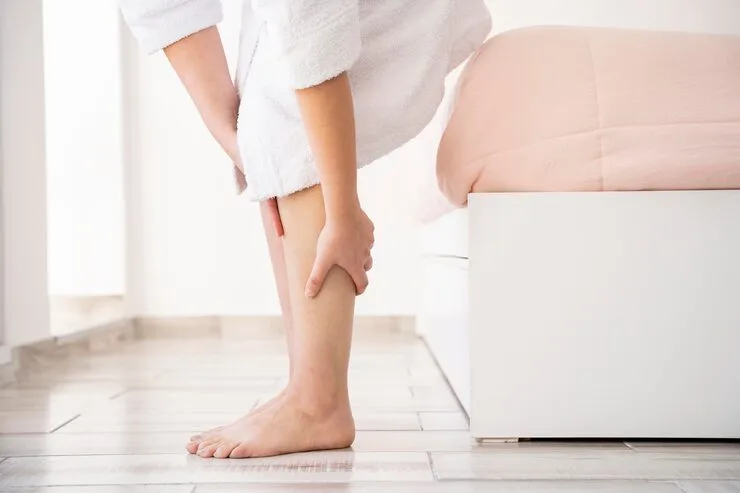
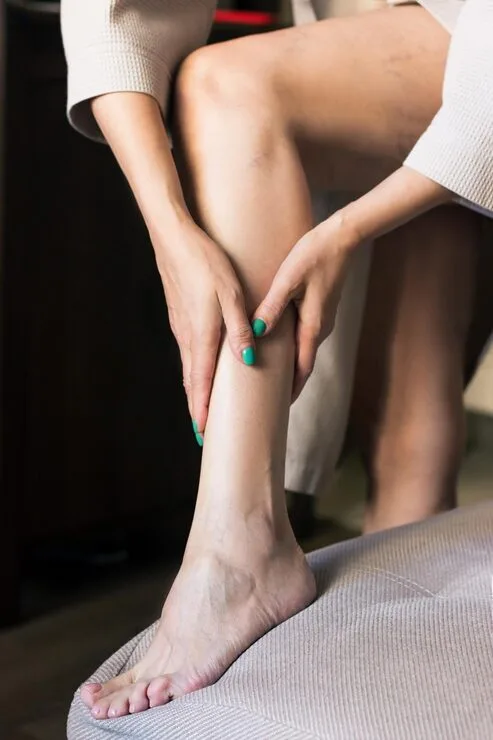
By evening, your legs feel like they’re dragging weights behind you. Stairs take more effort, and all you want is to sit down and put your feet up. When heavy legs show up day after day, your veins may be part of the reason. At MVM Health, our board-certified vein specialists find the cause with a quick, painless ultrasound and, when vein disease is confirmed, provide leg heaviness treatment right in the office, with no hospital stay.
Visit one of our clinics in Pennsylvania, New Jersey, Ohio and Arizona.
- Board-Certified Physicians
- Care Across Multiple Specialties
Meet Our Expert Team
Board Certified Expert
At MVM Health — Movement. Vitality. Medicine. — we are committed to providing exceptional pain, vein, and wellness services that empower individuals to reclaim their health and well-being. With our team of Harvard-trained experts, we strive to deliver transformative outcomes that restore comfort, confidence, and quality of life. MVM Health’s mission is to help every patient relieve discomfort, restore motion, and renew life.
Vwaire Orhurhu, MD, MPH
Harvard Medical School

Mariam Salisu, MD, MPH
Harvard Medical School
Peter Isaac, DO
Philadelphia College of Osteopathic Medicine
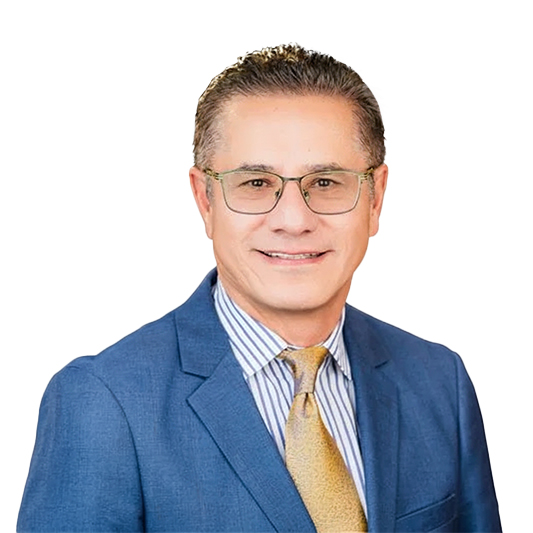
Ali Amin, MD
Baylor College of Medicine
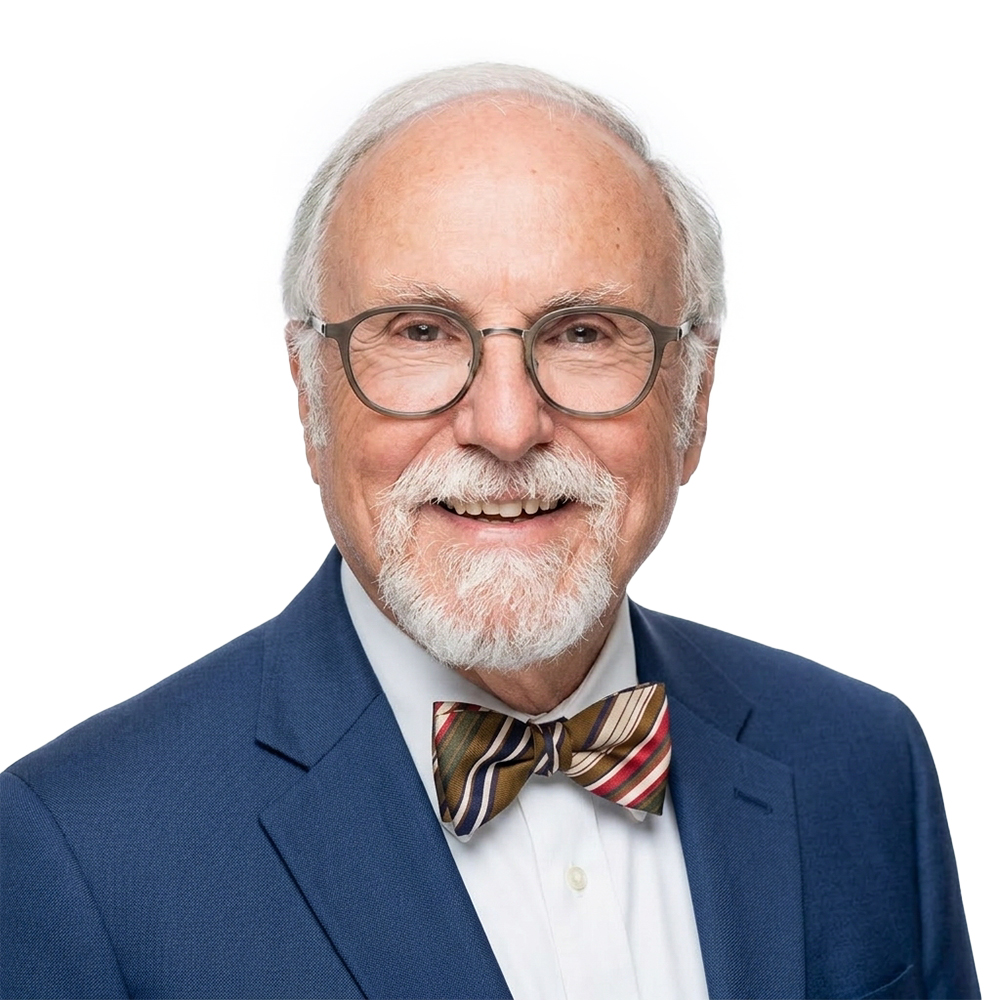
THOMAS KHOURY, MD
Harvard Medical School

ANTHONY TURNER, MD
Yale School of Medicine

KIRAN C. TAMIRISA
Baylor College of Medicine
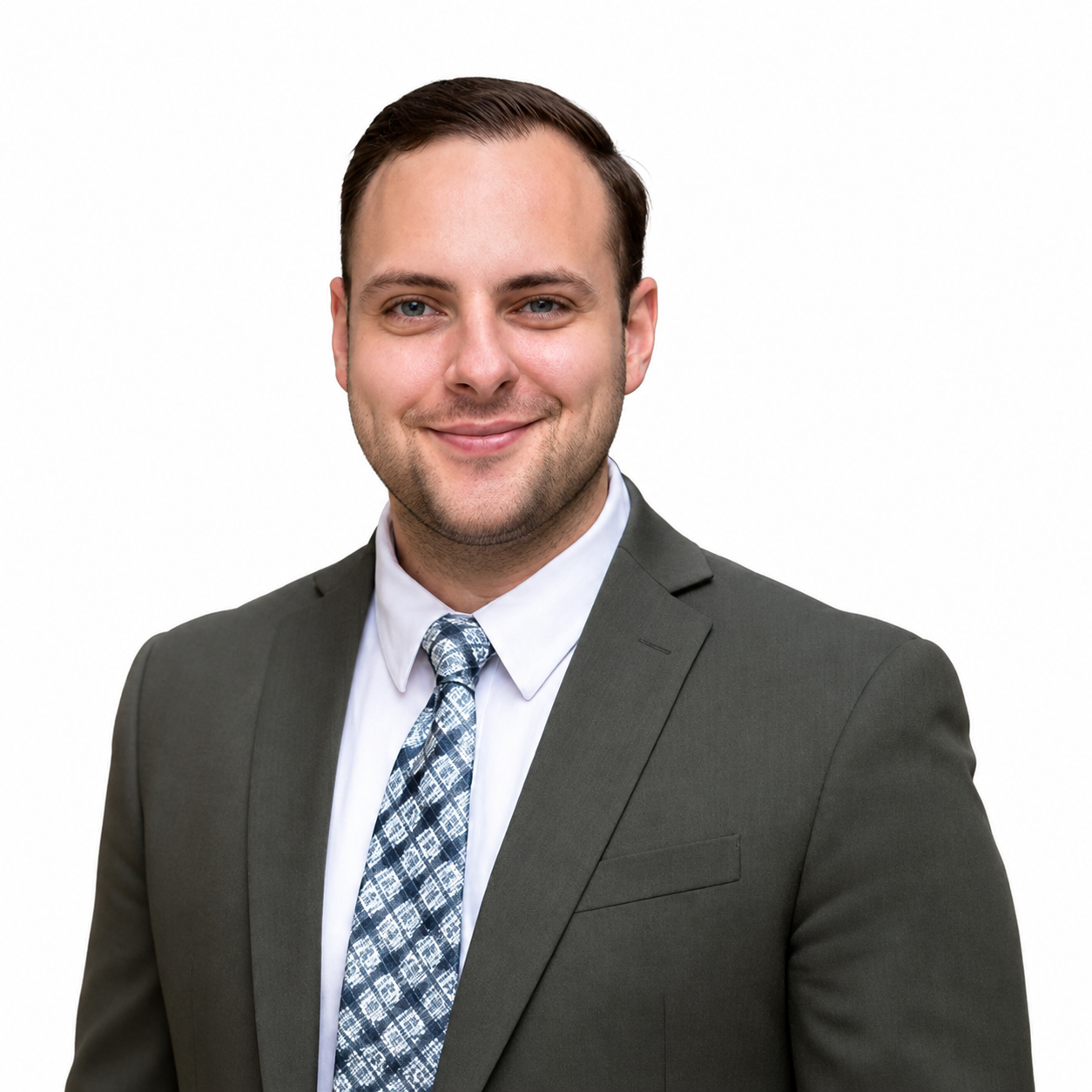
TARIQ ALFARRA, DO
JOHNS HOPKINS HOSPITAL
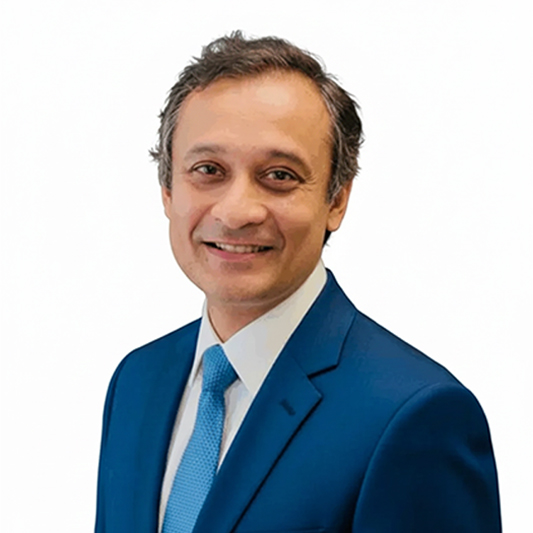
Rishi Sheth, MD
University of Miami School of Medicine

Henry Onyeaka, MD, MPH
Harvard Medical School

Felicia Todd, CNP
Moravian College

Carrie Ward, CNP
Franklin University
Kruti Solanki, CNP
Drexel University

Christy Daniels, CNP
Chamberlain University

Heerina Kittel, CNP
Maryville University

Vic Urbano, CNP
Walden University

Jameela Azeem, CNP
Hofstra University
Vwaire Orhurhu, MD, MPH
Harvard Medical School
Mariam Salisu, MD, MPH
Harvard Medical School
Peter Isaac, DO
Philadelphia College of Osteopathic Medicine
Ali Amin, MD
Baylor College of Medicine
THOMAS KHOURY, MD
Harvard Medical School
ANTHONY TURNER, MD
Yale School of Medicine
KIRAN C. TAMIRISA
Baylor College of Medicine
Rishi Seth, MD
University of Miami School of Medicine
Henry Onyeaka, MD, MPH
Harvard Medical School
Felicia Todd, CNP
Moravian College
Vic Urbano, CNP
Walden University
Jameela Azeem, CNP
Hofstra University
We work with a wide variety of insurance providers
and 100+ more
Causes of Heavy Legs
Leg heaviness can come from the muscles, joints, or circulation. Among the leg heaviness causes we see most often, weak veins are a leading one.
Weak Vein Valves
Tiny one-way valves inside your leg veins keep blood moving up toward the heart. When they weaken, blood collects in the lower legs, and they begin to feel heavy, achy and tired. Doctors call this chronic venous insufficiency.
Pregnancy
Hormones relax vein walls, blood volume rises and the growing uterus presses on pelvic veins. For some women the heaviness fades after delivery. For others it stays and needs a check-up.
PROLONGED INACTIVITY
Staying in one position stops your calf muscles from pushing blood upward, so it settles in the lower legs by the end of the day.
OTHER HEALTH CONDITIONS
Strained muscles, joint conditions, narrowed arteries and several other medical conditions can also make legs feel heavy or weak.
valves naturally lose some strength with time.
Risk Factors for Vein Disease
Anyone can develop vein problems, but certain things raise the odds. A vein evaluation is worth considering if several of these sound like you.
If you answered yes to several and you’ve noticed leg symptoms, a vein evaluation can tell you what’s going on.
Your Background
- A parent or sibling with vein problems
- Being a woman, or having been pregnant
- Being over 50
Your Daily Routine
- Standing or sitting for most of the day
- Little regular exercise
- Carrying extra weight?
Signs Your Heavy Legs Are Vein-Related
Vein-related heaviness tends to follow a pattern.
Worse Toward the End of the Day
Legs feel fine in the morning but heavier by evening, after long sitting or standing, or on hot days.
Better With Movement or Support
Walking, raising your legs or wearing compression stockings brings noticeable relief.
Cramps or Restless Feelings
Heaviness comes with leg cramps at night or restless legs when you try to relax.
Visible Veins, Swelling or Skin Changes
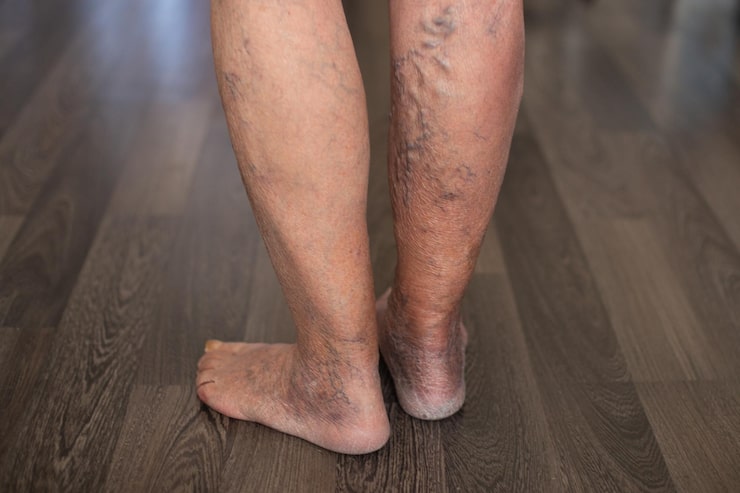
You may notice bulging varicose veins, web-like spider veins, leg swelling around the ankles, darker skin, thinning leg hair or sores that heal slowly.
Get urgent medical care if one leg suddenly becomes swollen, warm, red or painful, or if leg symptoms come with chest pain or shortness of breath. These can be signs of a blood clot.
WHEN TO SEE A VEIN SPECIALIST FOR HEAVY LEGS
Book a vein evaluation if your legs regularly feel heavy, achy, or tired, especially when symptoms worsen throughout the day or affect your daily activities. Swelling, visible varicose veins, or skin changes may also indicate an underlying vein problem. Early evaluation can help identify the cause and determine whether treatment is needed.
Tired of legs that feel like lead? Let's find out why.
Heavy Legs Treatment Options
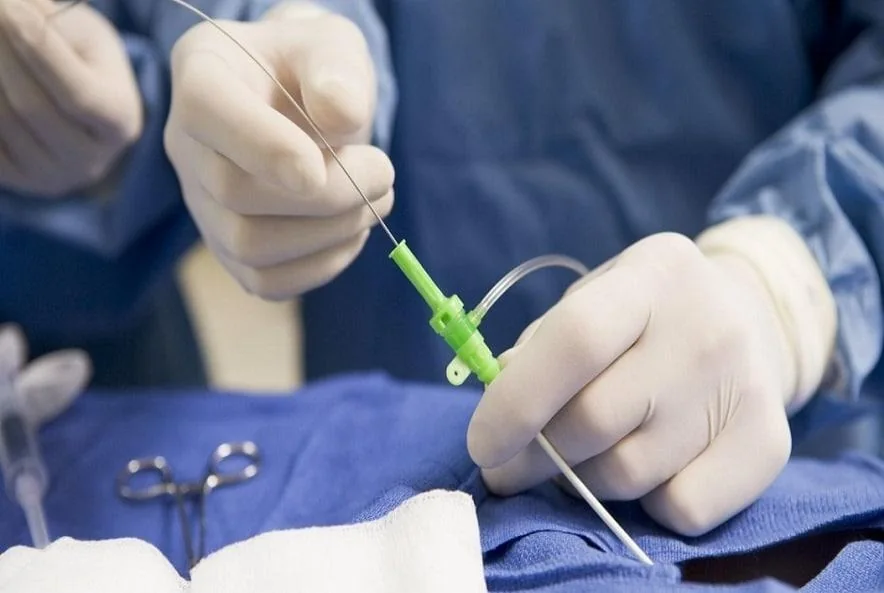
When an ultrasound confirms leaking veins, treatment closes or removes them so blood flows through healthier veins instead. That lowers pressure in the legs, and many patients notice their heavy tired legs feeling lighter, with less aching and swelling. Results vary from person to person. All procedures are done in the office with local numbing, and most patients walk out the same day.
Radiofrequency Ablation (RFA)
Gentle heat from a thin catheter seals the main leaking vein from the inside.
Laser AblLaser Ablation
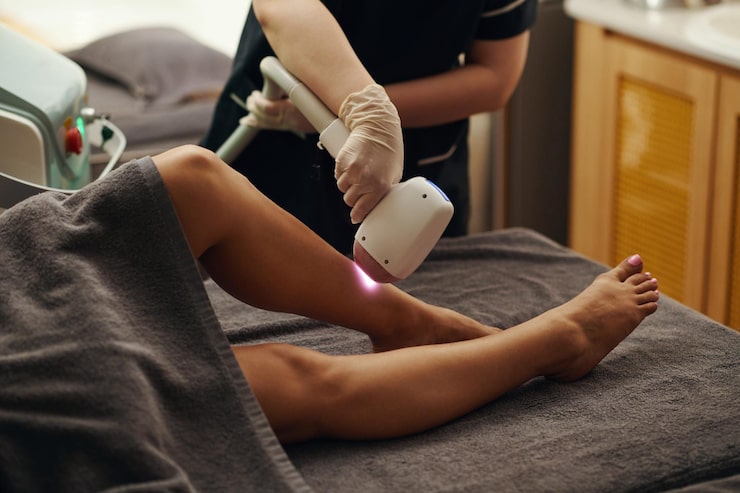
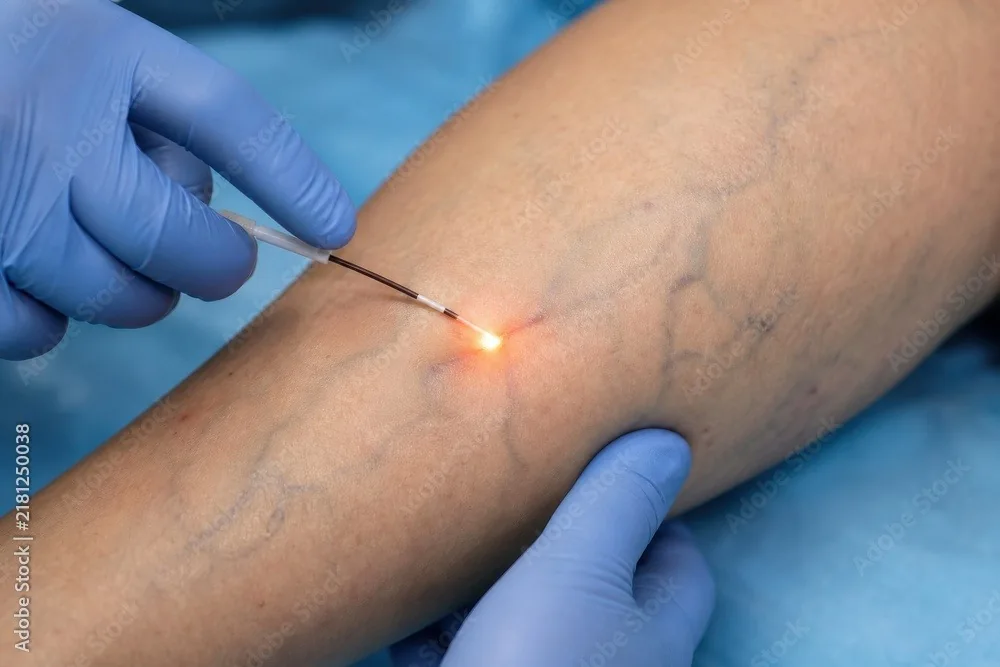
Laser energy through a fine fiber closes the faulty vein, often used for larger, straighter veins.
VenaSeal®
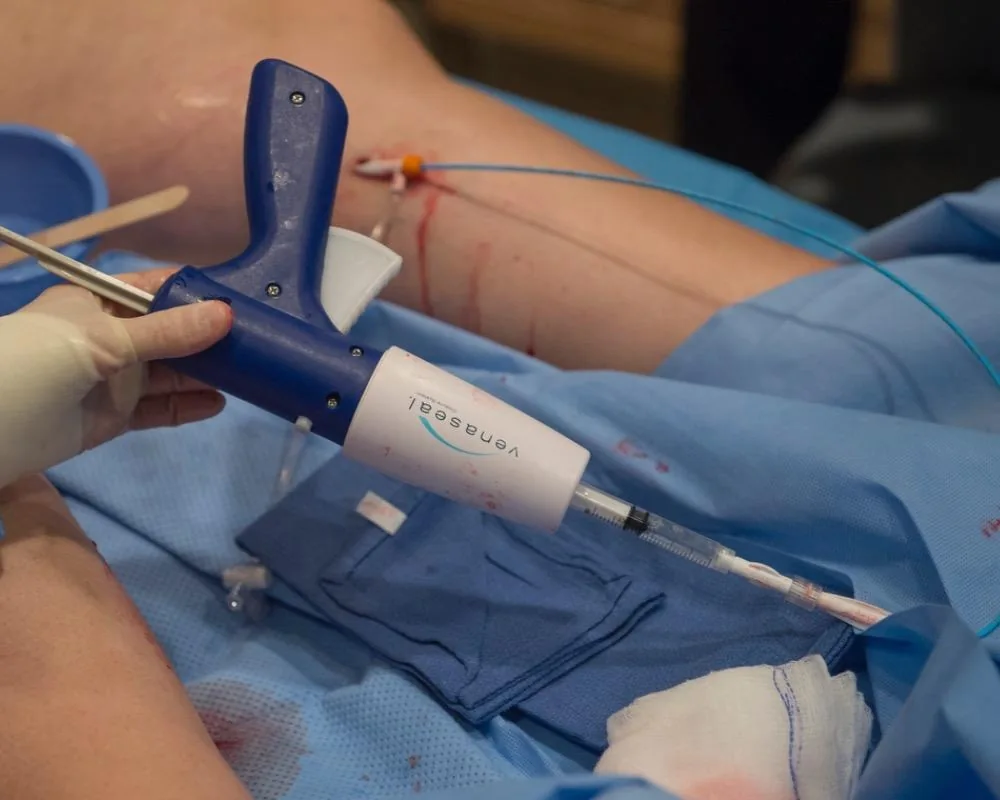
A medical adhesive seals the vein without heat, for patients who qualify.
ClariVein®
A spinning catheter tip and medication close the vein without heat.
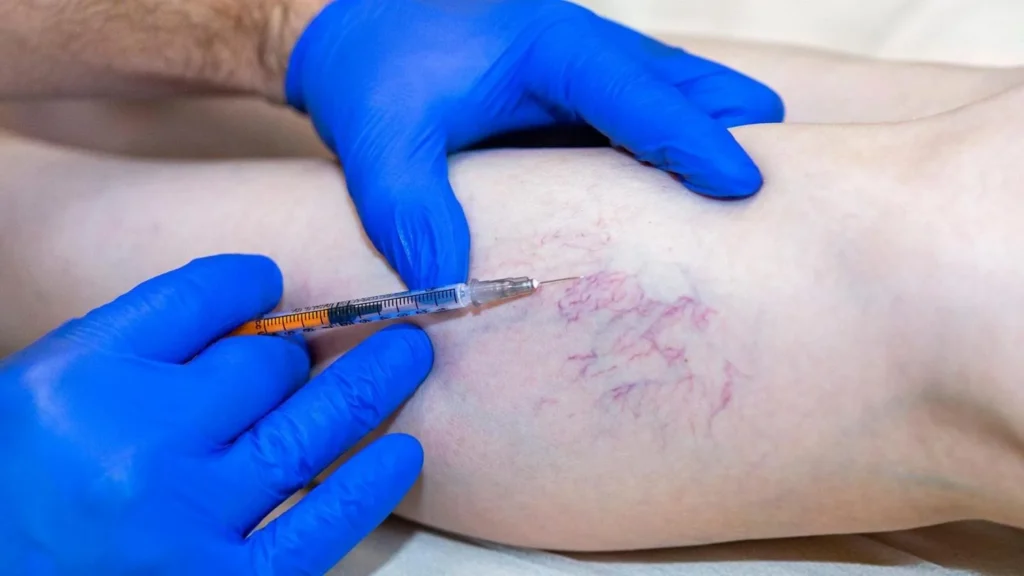
Sclerotherapy
Small injections close smaller varicose and spider veins near the surface.
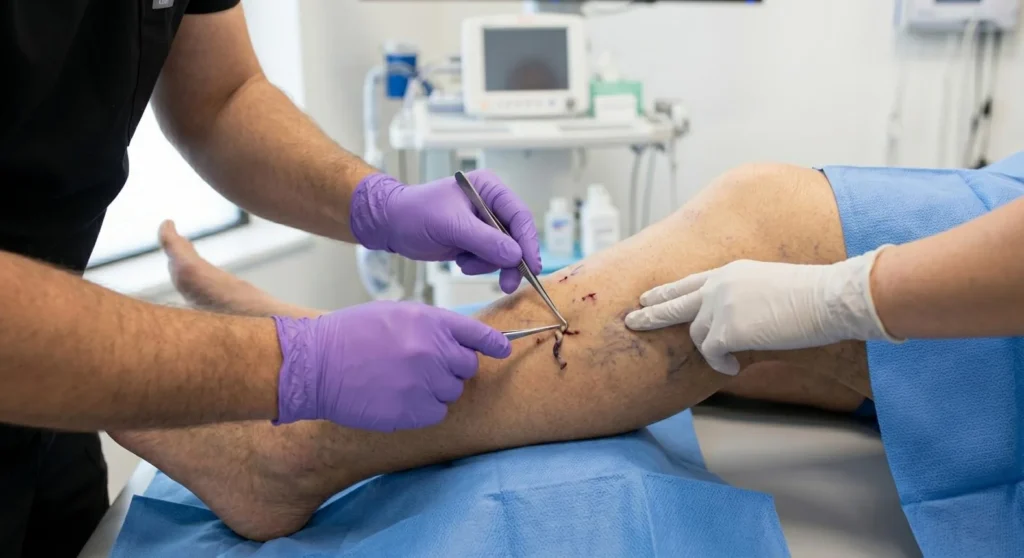
Ambulatory Phlebectomy
Bulging veins close to the skin are removed through tiny openings.
Compression therapy: Medical-grade compression stockings press gently on the lower legs to help blood move upward. They ease heaviness day to day and are often used before and after procedures.
How Doctors Diagnose the Cause of Leg Heaviness
The more clearly you describe your symptoms, the faster your provider can narrow down the cause.
Step 1 · Symptoms and Health History
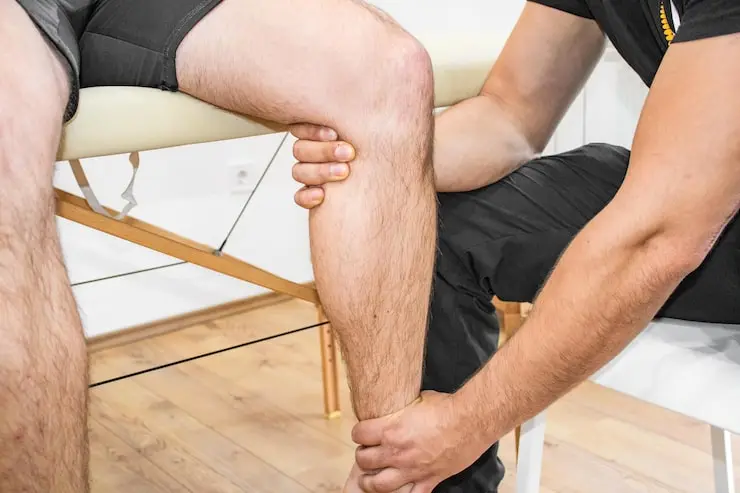
Your provider asks when the heaviness started, what time of day it’s worst, what helps, and whether you have swelling, cramps or skin changes. You’ll also go over medicines, family history and daily routine, followed by a leg exam.
Step 2 · Venous Duplex Ultrasound
This painless scan shows how blood moves through your leg veins and whether any valves are leaking. It points to exactly which veins, if any, are behind the problem.
Step 3 · Your Plan
If vein disease is found, your provider explains your options and what to expect. If your veins look healthy, you’ll get guidance on other likely causes and, when needed, a referral to the right specialist, such as our pain and spine team.
Before your visit: Note when your legs feel heaviest and what helps. Bring your medication list, insurance card and any compression stockings you already use. Accepted plans are listed in our insurance details.
Local Clinics for Vein Health
Our board-certified vein specialists see patients with heavy legs and other vein symptoms at clinics across four states, so expert care is never far from home.
FAQS
What causes persistent leg heaviness?
Persistent leg heaviness is most commonly caused by Venous Insufficiency a condition in which weakened or damaged vein valves fail to return blood efficiently to the heart, causing blood to pool in the lower legs. Unlike heaviness from physical exertion, vascular leg heaviness can occur from minimal strain such as brief standing, desk work, or even temperature changes. Associated symptoms include aching pain that worsens with standing or sitting, swelling in the ankles or feet, visible varicose veins, and difficulty walking.
Which conditions at MVM Health are known to cause leg heaviness?
MVM Health specialists treat several underlying conditions associated with chronic leg heaviness, including Venous Insufficiency, varicose veins, leg swelling (edema), Restless Legs Syndrome, and post-surgical leg complications. Accurate identification of the specific cause is essential before designing an effective treatment plan.
How is leg heaviness evaluated at MVM Health?
MVM Health uses advanced diagnostic tools including Venous Duplex Ultrasound, physical examinations, and detailed medical histories to identify the source and severity of the circulatory issue causing heaviness. This systematic approach ensures the treatment plan addresses the root vascular problem rather than simply masking the symptoms.
What treatment options are available for leg heaviness at MVM Health?
MVM Health offers a range of targeted treatments for leg heaviness, including Endovenous Ablation (EVLA/RFA) to permanently eliminate the faulty vein, Sclerotherapy, Microphlebectomy for bulging surface veins, Venous Duplex Ultrasound-guided procedures, Compression Therapy, and Lifestyle Modification Counseling. These are often combined to address both the root cause and immediate symptoms.
Can leg heaviness be permanently improved with vein treatment?
Yes. When leg heaviness is caused by Venous Insufficiency, minimally invasive vein procedures such as Endovenous Ablation permanently close the faulty vein, stopping blood pooling and fluid leakage that create the heavy sensation. Once the underlying circulation issue is corrected, patients typically experience significant and long-lasting reduction in heaviness, aching, and swelling, allowing them to move more comfortably and stay active.
Frequently Asked Questions
Most often it’s weak vein valves that let blood pool in the lower legs. Long hours on your feet, pregnancy, tired muscles, joint problems and some circulation conditions can also play a part. An ultrasound helps sort out which one it is.
Compression boots squeeze the legs in cycles to push blood and fluid upward, which can ease heaviness, tightness and swelling for a while. They manage symptoms but don’t repair leaking valves. Check with your provider first, especially if you have a history of blood clots.
A vein specialist is the best fit, since they can run an ultrasound and treat vein disease in the same place. Your primary care doctor is a good starting point too, and can refer you if needed.
Often, yes. Weak vein valves are a common reason for heavy legs, especially when the feeling builds through the day and eases with rest. Other causes exist, so an ultrasound is the way to be sure.
Vein problems, tired muscles, nerve irritation and narrowed leg arteries can all do it. If the heaviness starts after a similar distance each time, or comes with cramping that eases when you stop, get it checked.
Heat makes veins widen, which slows blood flow back to the heart. If your vein valves are already weak, more blood collects in the lower legs on hot days.
Usually not, but they shouldn’t be ignored. Untreated vein disease can lead to swelling, skin changes and slow-healing sores. Sudden heaviness with swelling, warmth or pain in one leg needs urgent care, as it can signal a blood clot.
Lie down and raise your legs above heart level for 10 to 15 minutes, flex and point your feet, and take a short walk. Compression stockings can also help if your provider recommends them.
Recent blogs

Painful or Visible Varicose Veins in Philadelphia, PA: When to Consider Treatment
Some people come in because their legs hurt. Others come in because they don’t like how their veins look. Many come in for both. Varicose
How to Evaluate a Vein Specialist: Credentials, Ultrasound Diagnosis, Treatment Fit and Follow-Up Care
You can evaluate a vein specialist at five points: before you book, on the first phone call, in the exam room, when you read your
What Is Venous Insufficiency and What Symptoms Can It Cause in Scotch Plains?
Venous insufficiency is a condition in which the veins in your legs have difficulty returning blood toward your heart. When vein valves do not work