











Home · Vein Care · Vein Conditions · Pelvic Pain
Pelvic Pain Treatment
Pelvic pain that lasts six months or longer often comes from the veins, the nerves, or the muscles and joints of the pelvis, and each needs a different plan. Our board-certified specialists start with a focused exam and, when appropriate, a pelvic venous ultrasound to find the likely source. From there, your provider recommends care matched to the cause, from conservative options to minimally invasive procedures.
Pelvic pain services are available at select MVM Health clinics in Pennsylvania, New Jersey, Ohio and Arizona.
- Board-Certified Physicians
- Care Across Multiple Specialties
Meet Our Expert Team
Board Certified Expert
At MVM Health — Movement. Vitality. Medicine. — we are committed to providing exceptional pain, vein, and wellness services that empower individuals to reclaim their health and well-being. With our team of Harvard-trained experts, we strive to deliver transformative outcomes that restore comfort, confidence, and quality of life. MVM Health’s mission is to help every patient relieve discomfort, restore motion, and renew life.
Vwaire Orhurhu, MD, MPH
Harvard Medical School

Mariam Salisu, MD, MPH
Harvard Medical School

Peter Isaac, DO
Philadelphia College of Osteopathic Medicine

Ali Amin, MD
Baylor College of Medicine

THOMAS KHOURY, MD
Harvard Medical School

ANTHONY TURNER, MD
Yale School of Medicine

KIRAN C. TAMIRISA
Baylor College of Medicine

TARIQ ALFARRA, DO
JOHNS HOPKINS HOSPITAL

Rishi Sheth, MD
University of Miami School of Medicine

Henry Onyeaka, MD, MPH
Harvard Medical School

Felicia Todd, CNP
Moravian College

Carrie Ward, CNP
Franklin University
Kruti Solanki, CNP
Drexel University

Christy Daniels, CNP
Chamberlain University

Heerina Kittel, CNP
Maryville University

Vic Urbano, CNP
Walden University

Jameela Azeem, CNP
Hofstra University
Vwaire Orhurhu, MD, MPH
Harvard Medical School
Mariam Salisu, MD, MPH
Harvard Medical School
Peter Isaac, DO
Philadelphia College of Osteopathic Medicine
Ali Amin, MD
Baylor College of Medicine
THOMAS KHOURY, MD
Harvard Medical School
ANTHONY TURNER, MD
Yale School of Medicine
KIRAN C. TAMIRISA
Baylor College of Medicine
Rishi Seth, MD
University of Miami School of Medicine
Henry Onyeaka, MD, MPH
Harvard Medical School
Felicia Todd, CNP
Moravian College
Vic Urbano, CNP
Walden University
Jameela Azeem, CNP
Hofstra University

We work with a wide variety of insurance providers
and 100+ more
What Causes Pelvic Pain
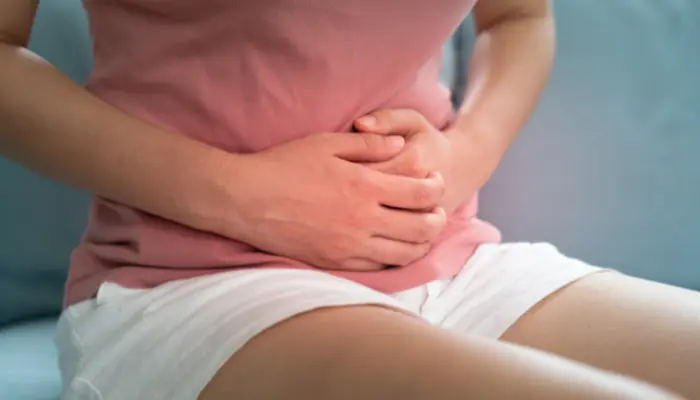
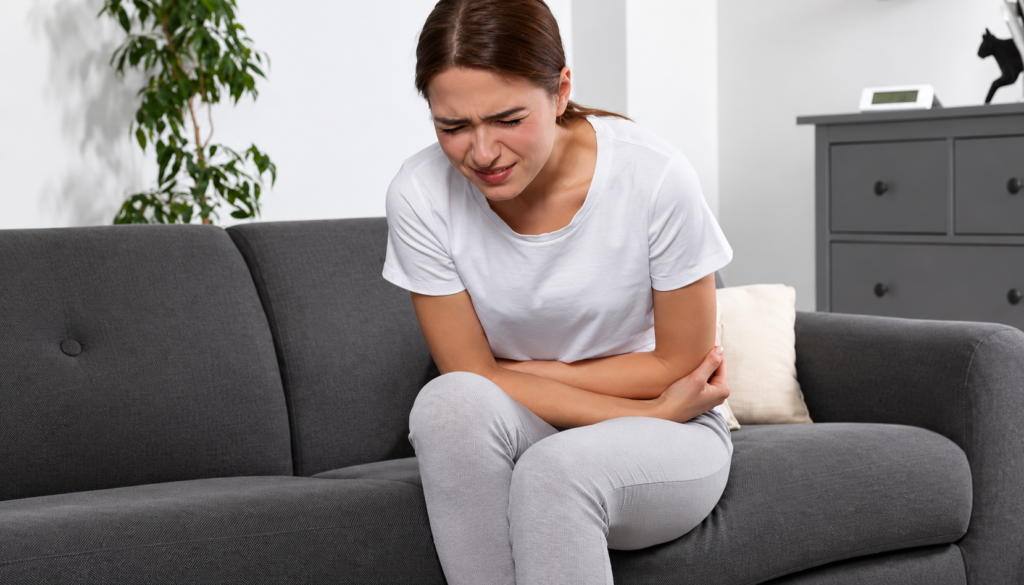
Chronic pelvic pain is pain in the lower belly or pelvis that lasts six months or longer. It may feel like a dull ache, heaviness or pressure, and for some people it gets worse after long periods of sitting or standing.
The pelvis holds veins, nerves, muscles, joints and several organs, so one symptom can have very different causes. More than one source can also be involved at the same time. That’s why finding the source comes before treatment.
Our vein and pain specialists evaluate pelvic veins, nerves, and muscles and joints. If your evaluation points to a gynecologic, urologic or digestive condition, we’ll refer you to the right specialist.
Common Causes
Several things can set off lingering pelvic pain. These are the sources we look at most closely:
Pelvic Vein Problems
When pelvic vein valves weaken, blood pools instead of flowing back to the heart. This pelvic congestion syndrome can cause a dull, heavy ache. Cleveland Clinic notes it’s diagnosed after other causes are ruled out, and resembles chronic venous insufficiency.
Nerve Irritation
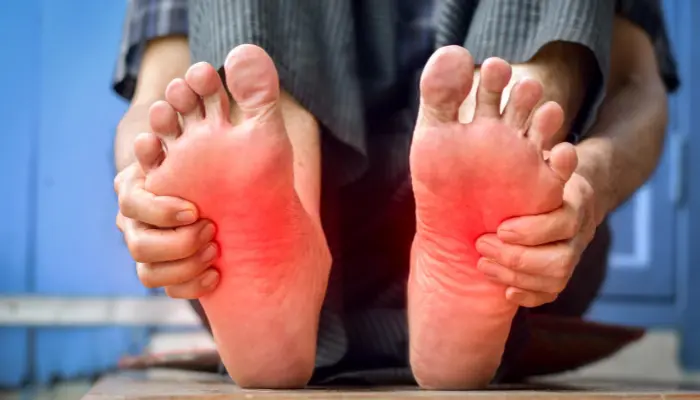
Pelvic nerves, such as the pudendal nerve, can be compressed or irritated by nearby tissue, an injury or scar tissue after surgery. This may cause sharp, burning or shooting pain, numbness or tingling, sometimes worse after sitting for a while.
Pressure on the legs
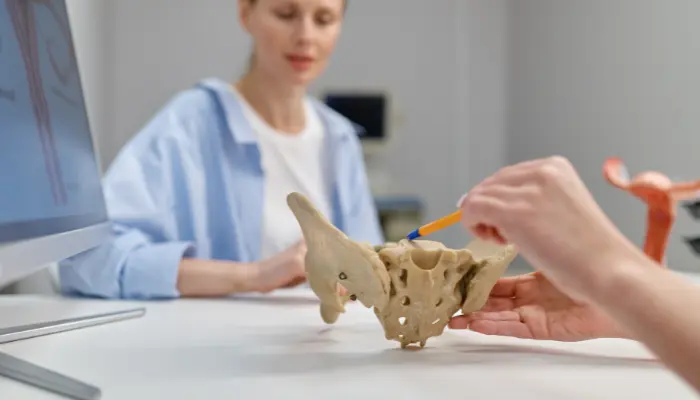
Tight or overactive pelvic floor muscles and sacroiliac (SI) joint dysfunction can send deep, aching pain into the pelvis, hips or lower back. This pain often builds gradually and may flare with long sitting, lifting, twisting or climbing stairs.
Other Conditions
Endometriosis, fibroids, irritable bowel syndrome and bladder conditions such as interstitial cystitis can also cause pelvic pain. Other doctors treat these conditions, and if your evaluation points to one, we’ll refer you to the right specialist and share our findings.
Pelvic Vein Problems
Vein-related pelvic pain has a recognizable pattern, and a few risk factors make it more likely.
Anyone can develop pelvic pain, but these factors raise the odds of pelvic varicose veins. Risk factors include but are not limited to:
Your History
- More than one pregnancy
- Childbearing age (pelvic vein pain often eases after menopause)
- Varicose veins in the legs, or a family history of vein problems
- Past pelvic surgery or pelvic injury
Your Daily Life
- Long hours standing or sitting
- Little regular movement
Signs to Watch For
Symptoms vary with the cause, but vein-related pain often follows a pattern. These include but are not limited to:
Ache or Heaviness
A dull ache, throbbing or heaviness in the lower belly, groin or buttocks that builds through the day or with sitting or standing.
Relief When Lying Down
Pain often eases when you lie down or raise your legs, and returns once you’re back on your feet.
Tingling or Burning
Numbness, pins and needles, or burning and shooting pain in the groin or inner thighs. This pattern points more toward an irritated nerve than a vein.
Visible Veins and Related Symptoms
Bulging veins in the inner thighs, buttocks, groin or vulvar area, pain during or after sex, a frequent urge to urinate, or heavy, tired legs can go along with pelvic vein problems.
When to Seek Care
Schedule a visit if pelvic pain lasts more than a few weeks, keeps getting worse, limits sitting, standing or intimacy, or comes with visible veins or tingling. Early evaluation often means simpler options.
Get urgent medical care for sudden, severe pelvic pain, or pelvic pain with fever, heavy bleeding or fainting. New pelvic pain during pregnancy also needs prompt medical advice.
Pelvic pain shouldn't set the pace of your day. Let's find the source.
Diagnosis: Finding the Source of Your Pelvic Pain
Pelvic pain has many possible causes, so your evaluation looks at the whole picture before any treatment is suggested.
STEP 1 · SYMPTOMS AND HEALTH HISTORY
Your provider asks when the pain started and what makes it better or worse, such as sitting, standing or lying down. You’ll also go over pregnancies, past surgeries, medicines, and any urinary, bowel or sexual symptoms.
STEP 2 · PHYSICAL AND NEUROLOGICAL EXAM
Most patients also have a venous duplex ultrasound. This painless scan shows blood flow and valve function, so your provider can find exactly which veins are leaking and plan treatment around them.
STEP 3 · PELVIC VENOUS DUPLEX ULTRASOUND
This scan shows how blood moves through the pelvic veins and whether any valves are leaking. If more detail is needed, your provider may suggest additional imaging.
STEP 4 · YOUR PLAN
If your veins, nerves, muscles or joints are involved, your provider explains your options and what to expect. If the cause looks gynecologic, urologic or digestive, we recommend the right specialist and share our findings.
Before your visit: Note when your pain is worst and what eases it; a few days of notes helps. Bring your medication list, insurance card and any earlier imaging or records from your gynecologist or urologist. Accepted plans are listed in our insurance details
Pelvic Pain Treatment Options
Treatment depends on where your pain comes from. Many patients start with conservative care, and procedures are considered when your exam and imaging support them. Results vary, and your provider will explain benefits, risks and alternatives before you decide.
Conservative Care
Medication review, physical therapy and activity changes are often tried first, especially for muscle and joint pain.
Pelvic Vein Embolization
For congested pelvic veins, pelvic vein embolization uses a thin catheter to close the faulty veins, so blood stops pooling and pressure in the pelvis drops.
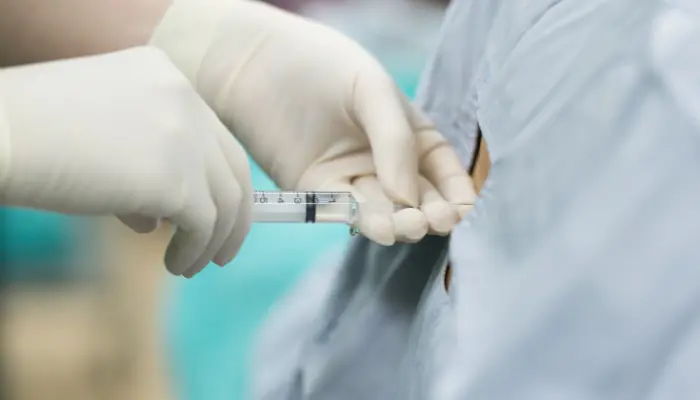
Nerve blocks, trigger point injections and sacroiliac joint injections calm irritated nerves and tight or inflamed tissue.
Radiofrequency ablation uses heat to quiet the nerve fibers that carry pain signals, usually after a test nerve block brings relief.
Spinal cord stimulation and peripheral nerve stimulation are options for pain that hasn’t eased with other care.
Vulvar and Pelvic Varicose Vein Treatment
For bulging veins in the vulva, groin, buttocks or inner thighs, sclerotherapy injects a solution that closes the vein. It can be used alone or after embolization to ease pain and swelling.
Care coordination: If your symptoms point to endometriosis, fibroids or a bladder condition, we’ll refer you to the right specialist and share your findings.
How Pelvic Vein Embolization Works
Pelvic vein embolization is a minimally invasive outpatient procedure performed through a tiny nick in the skin, so there are no large incisions or stitches. It treats the enlarged pelvic veins behind pelvic congestion syndrome, and most patients go home the same day. Your provider will describe the exact technique used in your case and answer your questions beforehand. In general, the procedure follows four steps:
1
Numb a small area. Your provider cleans and numbs a small spot in the groin, neck or arm. Light sedation may also be offered to help you relax.
2
Guide a thin catheter to the enlarged vein
Using live X-ray imaging and contrast dye, a thin, flexible tube is guided through the vein to the enlarged pelvic veins causing your symptoms.
3
Close the faulty vein from the inside. Tiny metal coils, a sclerosing agent, or both are placed inside the faulty vein to seal it, so blood can no longer pool there.
4
Blood reroutes through healthier veins. Blood naturally flows through nearby healthy veins instead. The catheter is removed, a small bandage is applied, and you rest briefly before going home.
Can You Ease Pelvic Pain at Home?
Home care won’t fix the cause, but simple habits can ease symptoms while you’re being evaluated and alongside treatment:
Lie down or raise your legs when pain builds to help blood drain from pelvic veins.
Break up long sitting or standing with a short walk every hour to keep blood moving.
Try gentle stretching and breathing exercises your provider or physical therapist suggests to relax tight muscles.
Use a warm (not hot) heating pad on your lower belly for 15–20 minutes to ease aching.
Keep a simple pain diary of when it’s worst and what helps, and bring it to your visit. If pain keeps getting in the way of daily life, it’s time to get it checked.
FAQS
What is Chronic Pelvic Pain and how is it related to vein health?
Chronic Pelvic Pain refers to persistent discomfort or aching below the belly button and between the hips, lasting more than six months. A significant vascular cause is Pelvic Venous Congestion where faulty vein valves allow blood to pool in the pelvic area, causing chronic pressure, throbbing, and heaviness. Other causes treated at MVM Health include nerve entrapment, Pelvic Floor Dysfunction, Endometriosis-related pain, Sacroiliac Joint Dysfunction, and post-surgical pain.
What are the key symptoms that may indicate Chronic Pelvic Pain?
Key symptoms include persistent throbbing or heaviness in the lower abdomen, groin, or buttocks that worsens with sitting or standing and temporarily improves when lying down or elevating the legs. Patients may also experience numbness, tingling, or pins-and-needles sensations in the groin or inner thighs, and visible varicose veins in the inner thighs, groin, or vulvar region.
How is Chronic Pelvic Pain diagnosed at MVM Health?
MVM Health’s diagnosis process begins with a thorough review of medical history and a detailed description of how the pain changes with activity such as sitting or standing. This is followed by a physical and neurological examination. A Pelvic Venous Duplex Ultrasound is typically recommended to map pelvic veins and circulation, confirming the diagnosis and identifying the precise location of the vascular or nerve issue.
What minimally invasive treatments are available for Chronic Pelvic Pain?
MVM Health offers a range of targeted, minimally invasive treatment options including Pelvic Vein Embolization (PVE) to correct blood pooling, Epidural Steroid Injections, Nerve Blocks, Radiofrequency Ablation, Sacroiliac (SI) Joint Injections, Trigger Point Injections, Spinal Cord Stimulation, and Peripheral Nerve Stimulation all designed to relieve nerve and vascular pressure without reliance on major surgery or heavy opioids.
Can Pelvic Vein Embolization provide lasting relief from Chronic Pelvic Pain?
Yes. Pelvic Vein Embolization (PVE) is a highly effective minimally invasive procedure that closes the enlarged, congested pelvic veins responsible for chronic pressure and throbbing. By reducing vascular congestion and alleviating pressure on sensitive pelvic nerves, PVE can provide significant long-term pain relief, restore daily function, and improve quality of life without requiring invasive surgery.
Find Care: Pelvic Pain Clinics Near You
Our board-certified specialists see patients with pelvic pain and other vein symptoms at clinics across four states.
Pelvic Pain FAQs
Use the booking button on this page, request an appointment online, or call (888) 628-4785 and mention pelvic pain. That helps match you with the right specialist, and our team can check your insurance benefits before your visit.
Interstitial cystitis, also called bladder pain syndrome, is usually diagnosed and treated by a urologist, and urogynecologists see it too. It often overlaps with pelvic floor, nerve or vein problems, so a pain or vein specialist can help check for those other sources.
Yes. When pelvic vein valves leak, blood pools and pressure builds, which can cause a dull ache or heaviness, often worse after standing or sitting. An ultrasound can show whether this is behind your pain.
Long stretches upright or seated can let blood pool in weak pelvic veins, and posture can also strain tight muscles or joints. The pattern is a useful clue for your provider.
It depends on the cause. A vein or pain specialist can check for pelvic vein, nerve, muscle and joint problems, while gynecologists, urologists and gastroenterologists cover other sources. A first evaluation helps decide who should lead your care.
Sudden, severe pelvic pain, pain with fever, heavy bleeding or fainting, or new pelvic pain during pregnancy needs urgent care. Don’t wait for an appointment if any of these apply.
It’s a minimally invasive procedure that closes enlarged pelvic veins so blood stops pooling in them. Many patients notice less pressure and aching, though results vary. Your provider will explain the steps, risks and recovery for your situation.
Many plans cover an evaluation for ongoing symptoms, though coverage depends on your plan. Our team reviews your benefits before your visit, and accepted plans are listed in our insurance details.
It sometimes eases after menopause, when hormone levels drop and veins are under less strain. For many people, though, symptoms continue or slowly get worse without treatment. An evaluation can show whether your veins are involved and which options may help.
Most patients go home the same day and return to light activity within one to two days. Mild pelvic soreness is common for a few days, and your provider may suggest avoiding heavy lifting briefly. Symptom relief often builds over the following weeks, though results vary.
Recent blogs

Varicose Veins in Lancaster, PA: Why Veins May Reappear After Treatment
Varicose veins can reappear after treatment for three different reasons: some veins were never treated and simply remain, new veins form from vein disease that
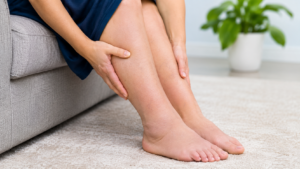
Leg Swelling, Aching, or Heaviness: What Does a Vein Specialist Check?
Leg swelling, aching, and heaviness can develop for several reasons, including prolonged standing, muscle fatigue, and changes in circulation. When these symptoms keep returning, a
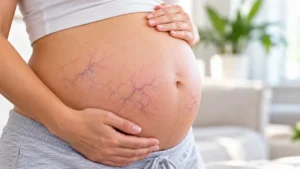
Spider Veins in King of Prussia, PA: Causes, Evaluation & Treatment Options Explained
Spider veins in King of Prussia, PA? Learn what causes them, when they signal a deeper vein problem and how MVM Health treats them. Book a vein evaluation.