










Home · Vein Care · Vein Conditions · Restless Legs Syndrome
Restless Legs Syndrome
With Restless Leg Syndrome, you finally lie down after a long day, and your legs won’t let you rest. That crawling, restless urge to move pulls you out of bed night after night, leaving you drained the next day. You don’t have to just live with it. For some people, weak leg veins are part of what’s driving restless legs syndrome. At MVM Health, our board-certified vein specialists check your veins with a quick, painless ultrasound and, when vein disease is confirmed, provide restless legs syndrome treatment right in the office, with no hospital stay.
- Board-Certified Physicians
- Care Across Multiple Specialties
Meet Our Expert Team
Board Certified Expert
At MVM Health — Movement. Vitality. Medicine. — we are committed to providing exceptional pain, vein, and wellness services that empower individuals to reclaim their health and well-being. With our team of Harvard-trained experts, we strive to deliver transformative outcomes that restore comfort, confidence, and quality of life. MVM Health’s mission is to help every patient relieve discomfort, restore motion, and renew life.
Vwaire Orhurhu, MD, MPH
Harvard Medical School

Mariam Salisu, MD, MPH
Harvard Medical School

Peter Isaac, DO
Philadelphia College of Osteopathic Medicine

Ali Amin, MD
Baylor College of Medicine

THOMAS KHOURY, MD
Harvard Medical School

ANTHONY TURNER, MD
Yale School of Medicine

KIRAN C. TAMIRISA
Baylor College of Medicine

TARIQ ALFARRA, DO
JOHNS HOPKINS HOSPITAL

Rishi Sheth, MD
University of Miami School of Medicine

Henry Onyeaka, MD, MPH
Harvard Medical School

Felicia Todd, CNP
Moravian College

Carrie Ward, CNP
Franklin University
Kruti Solanki, CNP
Drexel University

Christy Daniels, CNP
Chamberlain University

Heerina Kittel, CNP
Maryville University

Vic Urbano, CNP
Walden University

Jameela Azeem, CNP
Hofstra University
Vwaire Orhurhu, MD, MPH
Harvard Medical School
Mariam Salisu, MD, MPH
Harvard Medical School
Peter Isaac, DO
Philadelphia College of Osteopathic Medicine
Ali Amin, MD
Baylor College of Medicine
THOMAS KHOURY, MD
Harvard Medical School
ANTHONY TURNER, MD
Yale School of Medicine
KIRAN C. TAMIRISA
Baylor College of Medicine
Rishi Seth, MD
University of Miami School of Medicine
Henry Onyeaka, MD, MPH
Harvard Medical School
Felicia Todd, CNP
Moravian College
Vic Urbano, CNP
Walden University
Jameela Azeem, CNP
Hofstra University
We work with a wide variety of insurance providers
and 100+ more
About Restless Legs Syndrome
Restless Legs Care at MVM Health
Restless legs syndrome (RLS), also called Willis-Ekbom disease, is a neurological condition that gives you a strong urge to move your legs. The urge usually comes with odd feelings deep in the legs that people describe as crawling, pulling, tingling or aching.
Symptoms tend to start or get worse when you sit or lie still, especially in the evening and at night. Getting up, walking or stretching brings relief, but the feeling often returns once you settle down again. Because of this pattern, restless legs at night can make it hard to fall asleep or stay asleep.
RLS can be mild and occasional or happen almost every night. When it affects your sleep, energy or mood, it’s worth finding out what may be driving it.
The legs are affected most often, but some people feel similar sensations in their arms. RLS is more common in women and becomes more frequent with age, although it can begin at any age, even in childhood.
Causes of Restless Legs Syndrome
In many people, restless legs syndrome has no single clear cause. Researchers believe it may involve how the brain uses dopamine, a chemical that helps control movement. Several factors are linked to it or can make symptoms worse:
Family History
RLS often runs in families, especially when symptoms start at a younger age.
Low Iron Levels
Low iron stores in the body are closely linked to restless legs. A simple blood test through your doctor can check this.
PREGNANCY & HEALTH CONDITIONS
RLS is more common in late pregnancy and in people with kidney disease, nerve damage or diabetes. Some medicines, such as certain antihistamines and antidepressants, can also trigger symptoms.
Poor Vein Circulation
In some people, weak leg veins that let blood pool in the lower legs may add to the restless, uncomfortable feelings.
Daily habits that can make symptoms worse:
Caffeine, alcohol, smoking, carrying extra weight, stress, long periods of sitting and not getting enough sleep.
Restless Legs Syndrome and Vein Disease
Healthy leg veins have small one-way valves that keep blood moving up toward the heart. In chronic venous insufficiency, some of these valves weaken. Blood flows backward and collects in the lower legs, raising pressure in the veins.
That pressure can cause heaviness, aching, swelling and uncomfortable sensations that feel a lot like restless legs, and they also tend to be worse in the evening. Some research has found that people with both vein reflux and restless leg symptoms may feel better after their faulty veins are treated.
Vein disease is only one piece of the puzzle. Many people with RLS have healthy veins, and their symptoms need a different approach. That’s why we check your veins first and then build a plan around what we find.
Restless Legs Syndrome Symptoms
A Strong Urge to Move
A hard-to-ignore need to shift, stretch, or walk, usually starting in the calves when you’ve been still for a while.
Strange Feelings Inside the Legs
Crawling, pulling, buzzing, itching or aching that feels deep under the skin rather than on it.
Worse in the Evening
Symptoms build as the day winds down and often peak when you lie down for bed, making sleep hard to come by.
Relief That Doesn't Last
Moving or rubbing your legs eases the feeling, but it often comes back soon after you sit or lie still again.
Signs of a Vein Problem
Restless legs on their own don’t point to a vein problem. A vein evaluation may be worth it if you also notice some of these.
If several of these sound familiar, a quick ultrasound can show whether your veins are part of the problem.
Along with restless legs, your legs…
- Feel heavy or tired by the end of the day
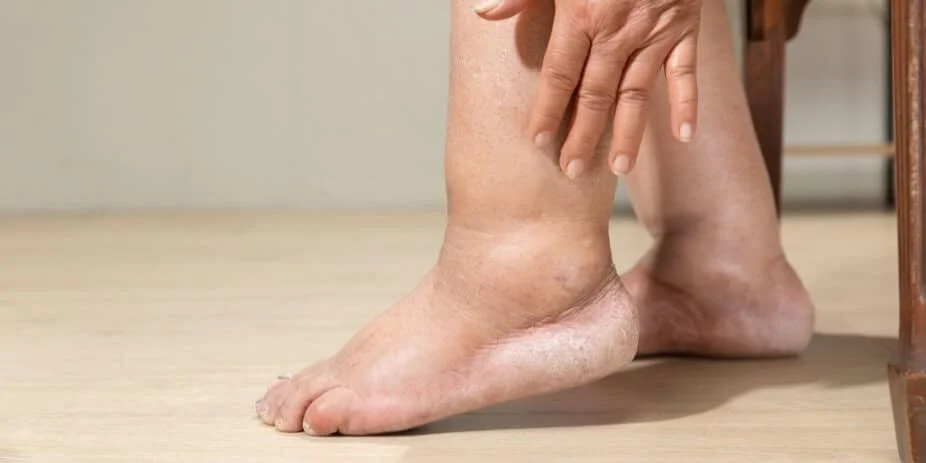
- Swell around the ankles, then improve overnight (leg swelling)
- Cramp at night (leg cramps)
You can also see…
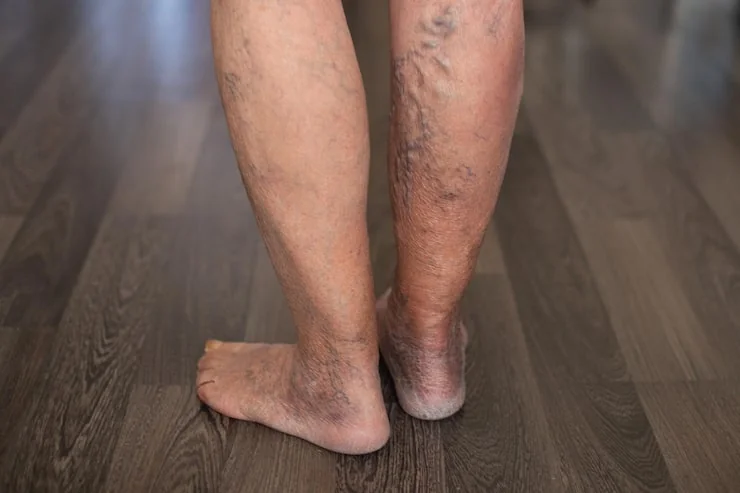
- Bulging varicose veins or small spider veins
- Darker, dry or itchy skin near the ankles
- Symptoms that feel worse after long hours of standing or sitting
When to Seek Care
Schedule a visit if restless legs keep you awake several nights a week, leave you tired during the day, or come with heaviness, swelling, or visible veins. It also helps to get checked if symptoms started during pregnancy or after starting a new medicine.
Get urgent medical care if one leg suddenly becomes swollen, red, warm or painful, or if leg symptoms come with chest pain or shortness of breath. These can be signs of a blood clot.
Tired of restless nights? Let's look at what's behind them.
Diagnosing Restless Legs Syndrome
There’s no single scan that diagnoses RLS. It’s identified mainly from your symptoms. Our role is to find out whether your veins are adding to them.
Step 1 · Talking Through Your Symptoms
Your provider asks what the feelings are like, when they start, what eases them and how they affect your sleep. You’ll also review your medicines, family history and other health conditions, then have your legs examined.
Step 2 · Venous Duplex Ultrasound
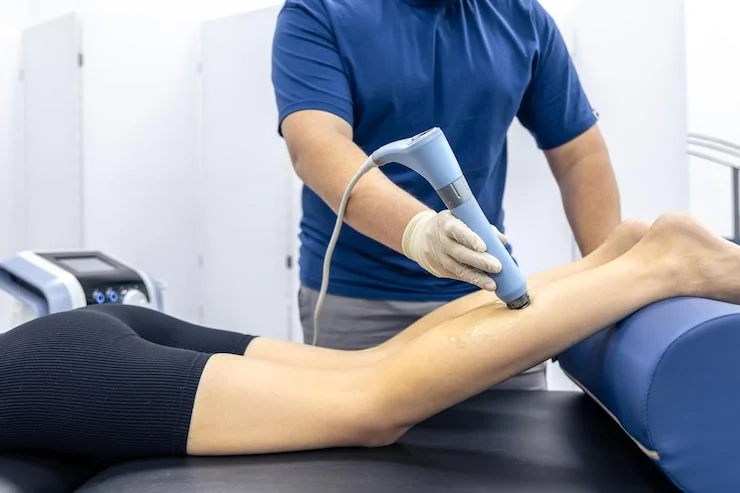
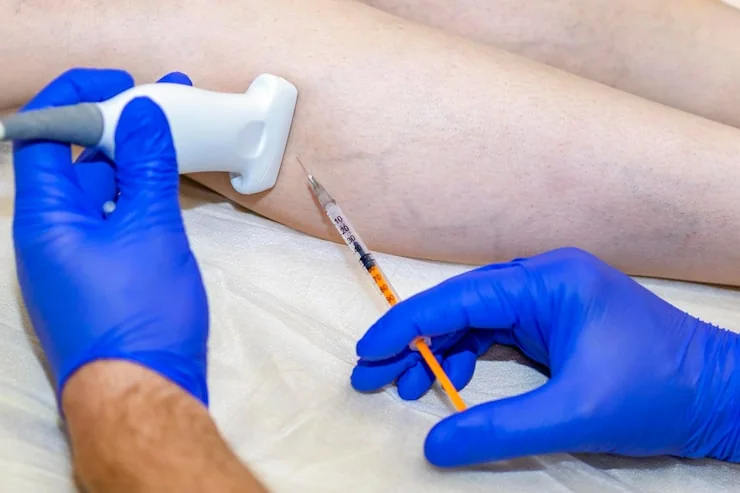
If your symptoms or exam point to a vein problem, we use a venous duplex ultrasound. This quick, painless scan shows how blood is flowing in your leg veins and whether any valves are leaking. The scan is done right in our office, with no needles and no downtime.
Step 3 · A Plan Based on Your Results
If vein disease is found, your provider explains your treatment options. If your veins are healthy, you’ll get guidance on next steps, such as blood tests for iron and other levels through your primary care doctor, or a sleep study with a sleep specialist if your legs jerk during the night.
Before your visit:
For a week or two, jot down when your symptoms start, how long they last, and how well you sleep. Bring your notes, medication list, and insurance card. You can see accepted plans on our insurance page.
Restless Legs Syndrome Treatment
When an ultrasound confirms leaking veins, closing or removing them lets blood move through healthier veins instead. This lowers pressure in the legs and can ease heaviness, aching and swelling. Some patients also find their restless leg symptoms improve, though results vary from person to person. All procedures are done in the office with local numbing, and most people go home the same day.
Controlled heat from a thin catheter seals a leaking vein from the inside. This redirects blood through healthier veins and may help reduce leg heaviness, swelling, and discomfort.
A fine laser fiber delivers heat to close faulty veins, often used for larger, straighter veins. The procedure helps improve blood flow through healthier veins and relieve vein-related symptoms.
A rotating catheter tip and medication work together to close the faulty vein without heat. This minimally invasive procedure helps address venous reflux with little downtime for many patients.
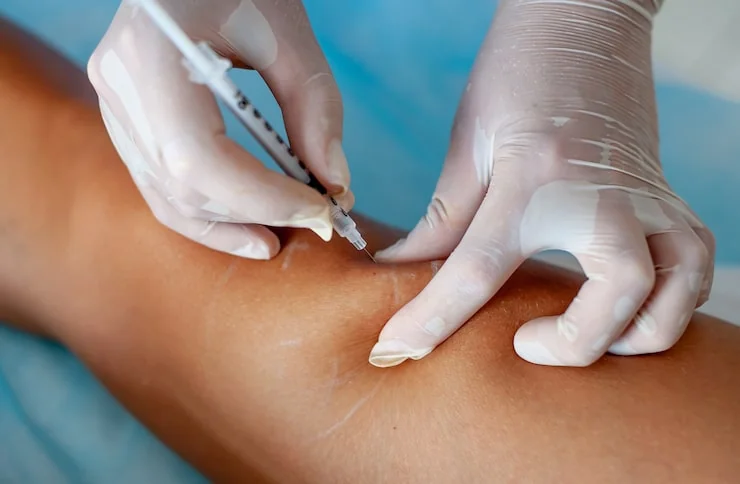
Small injections close spider veins and smaller varicose veins near the skin’s surface. Over time, treated veins gradually fade as the body absorbs them, improving their appearance.
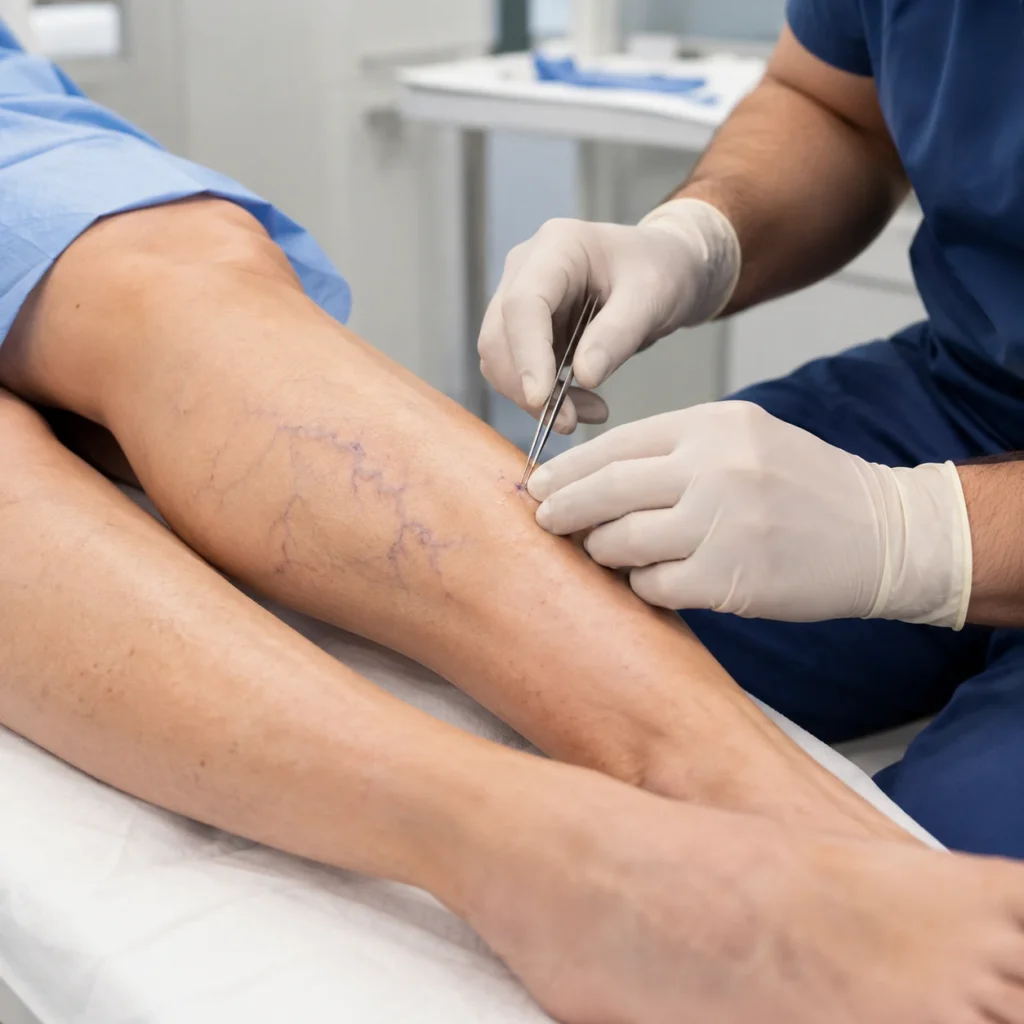
Large, bulging surface veins are removed through tiny openings in the skin. This minimally invasive procedure can help relieve aching, heaviness, and discomfort caused by prominent varicose veins.
Compression and other care: Compression stockings may help support blood flow during the day. If your symptoms aren’t vein-related, treatment may focus on iron levels, sleep habits or medicines prescribed by your primary care doctor or a specialist.
HOME CARE AND PREVENTION
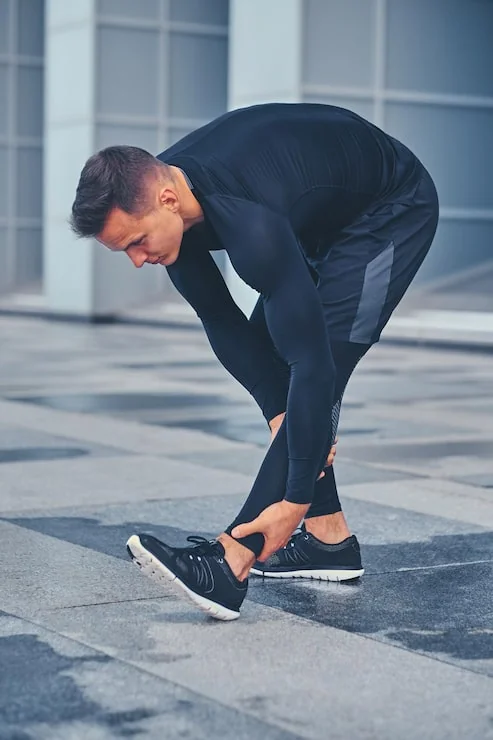
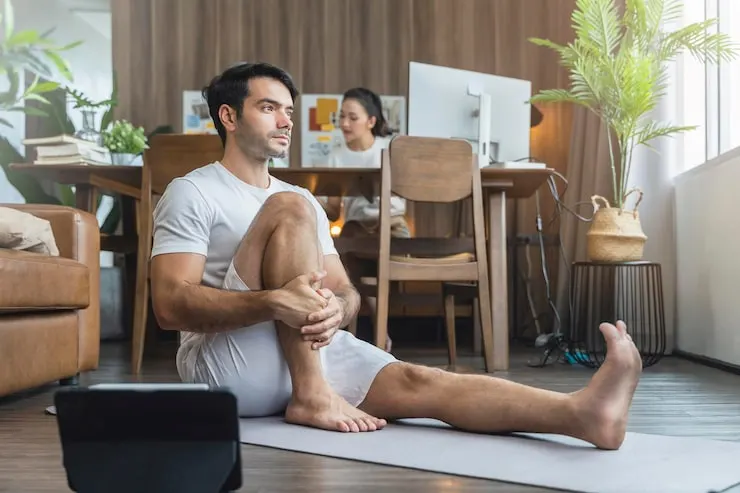
Simple home care habits can help ease restless legs symptoms and make evenings and nights more comfortable. Gentle movement, stretching, massage, and temperature therapy may provide temporary relief when discomfort starts.
1
Gently Stretch Your Legs
2
Take a Short Walk
3
Massage Your Leg Muscles
4
Apply Warmth or Cooling
Everyday Habits That Help
Simple daily habits may help reduce restless legs symptoms and improve your sleep quality. Staying active, maintaining a consistent sleep schedule, and making small lifestyle changes can help keep your legs more comfortable.
If restless legs still disrupt your sleep, it’s time for a proper evaluation.
Keep a regular bedtime and wake-up time.
Cut back on caffeine and alcohol, especially later in the day.
Stay active during the day with walking or light exercise, but avoid hard workouts close to bedtime.
Break up long stretches of sitting with short walks.
Put your feet up for a few minutes in the evening.
Restless Legs Syndrome Care Near You
Our board-certified vein specialists see patients with restless legs and other vein symptoms at clinics across four states.
Ready for calmer nights?
FAQS
What causes Restless Leg Syndrome (RLS) from a vascular standpoint?
Although RLS is often viewed as a neurological or sleep disorder, significant symptoms frequently originate from an underlying vascular issue. The most common cause is Venous Insufficiency, where damaged leg vein valves allow blood to pool, leading to nerve irritation and the distressing, irresistible urge to move the legs. Other contributing factors can include Venous Reflux Disease, varicose veins, neuropathy associated with poor circulation, and medication-refractory cases.
What are the main symptoms of RLS linked to poor circulation?
Common RLS symptoms associated with circulatory issues include chronic nighttime leg cramps, visible varicose veins, unpleasant creeping or crawling sensations in the legs, an irresistible urge to move the legs especially at rest or during the night and general leg pain. These symptoms significantly disrupt sleep and reduce quality of life.
How is Restless Leg Syndrome diagnosed at MVM Health?
MVM Health specialists use Venous Duplex Ultrasound and thorough physical examinations to precisely identify circulatory or vein-related causes of RLS. By pinpointing whether poor venous circulation, nerve irritation, or muscle fatigue is driving the symptoms, the team can develop a carefully tailored treatment plan for both immediate relief and long-term improvement.
What treatment options are available for vein-related RLS at MVM Health?
MVM Health offers a comprehensive range of treatments for RLS linked to vascular issues, including minimally invasive interventional vein procedures to correct Venous Insufficiency (such as endovenous ablation), specialized supportive therapies, and lifestyle modifications. By addressing the root circulatory cause, these treatments reduce the urge to move, improve circulation, and restore healthier leg function and sleep quality.
Can treating Venous Insufficiency actually resolve Restless Leg Syndrome?
In many cases where RLS is driven by Venous Insufficiency, treating the underlying vascular cause with minimally invasive procedures significantly reduces or eliminates RLS symptoms. By closing the faulty vein and restoring proper blood flow, the blood pooling and nerve irritation causing the restless sensations are resolved, enabling patients to sleep more comfortably and live more actively.
Restless Legs Syndrome FAQs
They can for some people. Varicose veins are often a sign of blood pooling in the lower legs, which can add to aching and uncomfortable feelings in the evening. An ultrasound shows whether your veins are playing a role.
RLS symptoms naturally follow a daily rhythm and tend to peak in the evening. Being still in bed also removes the movement that normally keeps the feelings in check. If vein disease is present, pressure that builds through the day can add to the discomfort.
Not always. An ultrasound is most helpful when restless legs come with signs of vein trouble, such as heaviness, swelling or visible veins. Your provider will suggest one if your symptoms point that way.
Sometimes. RLS linked to pregnancy often eases after delivery, and symptoms caused by low iron or a medicine may improve once that is addressed. Long-standing RLS usually needs ongoing care.
Yes, it often shows up in the later months of pregnancy and usually fades after the baby is born. Vein treatment is generally postponed until after pregnancy, but a check afterward can help if symptoms continue.
If your symptoms are linked to poor vein circulation, compression stockings may help by supporting blood flow during the day. Ask your provider which strength is right for you.
Many plans cover a vein evaluation and ultrasound when you have symptoms such as leg discomfort, swelling or visible veins. Our team checks your benefits before your visit.
Not everyone does. If vein disease is behind your symptoms, treating the veins may be the main step. Others may benefit from iron or prescription medicines, which your primary care doctor or a specialist can discuss with you.
There’s no single over-the-counter cure, but some simple options help many people: a warm bath, a heating pad or cool pack, leg massage, and compression stockings if your veins are involved. Iron supplements help only when a blood test shows low iron, so check with your doctor before taking them. Be careful with over-the-counter sleep aids and allergy pills that contain antihistamines, because they can make restless legs worse. If home measures aren’t enough, ask your doctor about other options.
MVM Health’s vein specialists see patients with restless legs at clinics in Pennsylvania (East Stroudsburg, Bethlehem, King of Prussia, Reading, Lancaster and Philadelphia), New Jersey (Scotch Plains, Stanhope and Bloomfield), Ohio (Powell and Hilliard) and Arizona (Scottsdale and Mesa). Our focus is on finding and treating vein-related causes, and we’ll point you to the right specialist if your symptoms have another cause. Find a clinic near you.
Recent blogs

Varicose Veins in Lancaster, PA: Why Veins May Reappear After Treatment
Varicose veins can reappear after treatment for three different reasons: some veins were never treated and simply remain, new veins form from vein disease that
Leg Swelling, Aching, or Heaviness: What Does a Vein Specialist Check?
Leg swelling, aching, and heaviness can develop for several reasons, including prolonged standing, muscle fatigue, and changes in circulation. When these symptoms keep returning, a
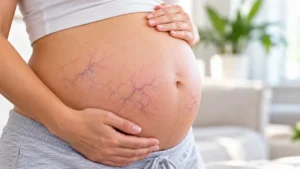
Spider Veins in King of Prussia, PA: Causes, Evaluation & Treatment Options Explained
Spider veins in King of Prussia, PA? Learn what causes them, when they signal a deeper vein problem and how MVM Health treats them. Book a vein evaluation.