










Home · Vein Care · Vein Conditions · Leg Cramps
Leg Cramps Treatment
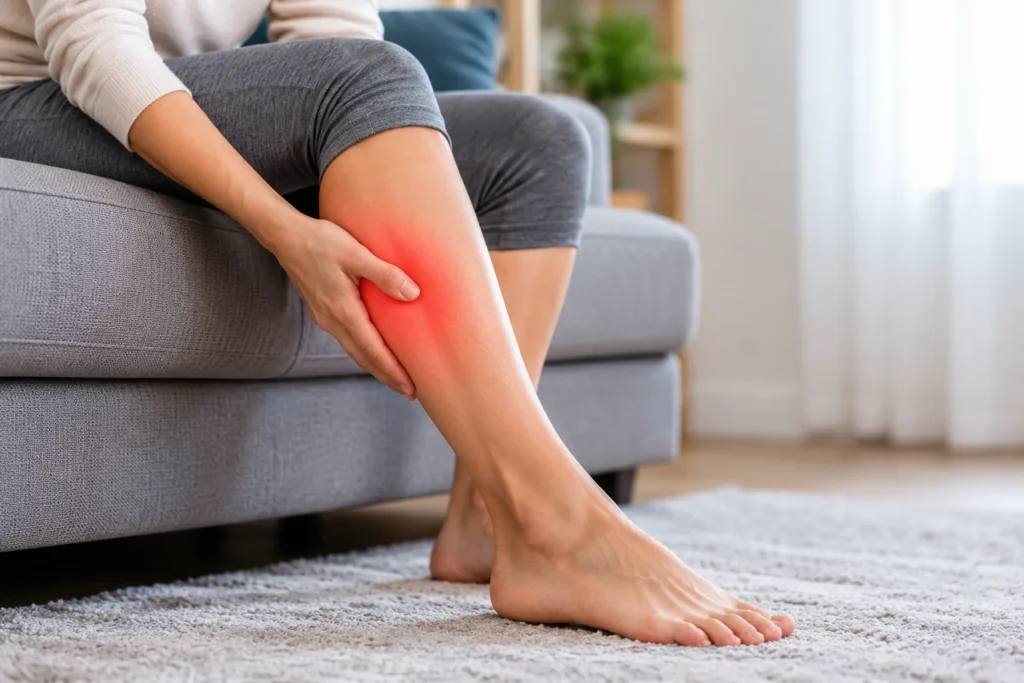
A sudden leg cramp can wake you up in pain. If it keeps happening, it may be more than a tired muscle. Frequent leg cramps, especially with aching, swelling or visible veins, can be a sign of poor blood flow in your leg veins. At MVM Health, our vein specialists check whether your veins are involved with a quick ultrasound and offer leg cramps treatment in the office, with no hospital stay.
See a vein specialist at one of our clinics in Pennsylvania, New Jersey, Ohio and Arizona.
- Board-Certified Physicians
- Care Across Multiple Specialties
Meet Our Expert Team
Board Certified Expert
At MVM Health — Movement. Vitality. Medicine. — we are committed to providing exceptional pain, vein, and wellness services that empower individuals to reclaim their health and well-being. With our team of Harvard-trained experts, we strive to deliver transformative outcomes that restore comfort, confidence, and quality of life. MVM Health’s mission is to help every patient relieve discomfort, restore motion, and renew life.
Vwaire Orhurhu, MD, MPH
Harvard Medical School

Mariam Salisu, MD, MPH
Harvard Medical School

Peter Isaac, DO
Philadelphia College of Osteopathic Medicine

Ali Amin, MD
Baylor College of Medicine

THOMAS KHOURY, MD
Harvard Medical School

ANTHONY TURNER, MD
Yale School of Medicine

KIRAN C. TAMIRISA
Baylor College of Medicine

TARIQ ALFARRA, DO
JOHNS HOPKINS HOSPITAL

Rishi Sheth, MD
University of Miami School of Medicine

Henry Onyeaka, MD, MPH
Harvard Medical School

Felicia Todd, CNP
Moravian College

Carrie Ward, CNP
Franklin University
Kruti Solanki, CNP
Drexel University

Christy Daniels, CNP
Chamberlain University

Heerina Kittel, CNP
Maryville University

Vic Urbano, CNP
Walden University

Jameela Azeem, CNP
Hofstra University
Vwaire Orhurhu, MD, MPH
Harvard Medical School
Mariam Salisu, MD, MPH
Harvard Medical School
Peter Isaac, DO
Philadelphia College of Osteopathic Medicine
Ali Amin, MD
Baylor College of Medicine
THOMAS KHOURY, MD
Harvard Medical School
ANTHONY TURNER, MD
Yale School of Medicine
KIRAN C. TAMIRISA
Baylor College of Medicine
Rishi Seth, MD
University of Miami School of Medicine
Henry Onyeaka, MD, MPH
Harvard Medical School
Felicia Todd, CNP
Moravian College
Vic Urbano, CNP
Walden University
Jameela Azeem, CNP
Hofstra University

We work with a wide variety of insurance providers
and 100+ more
Understanding Leg Cramps
Leg Cramp Care at MVM Health
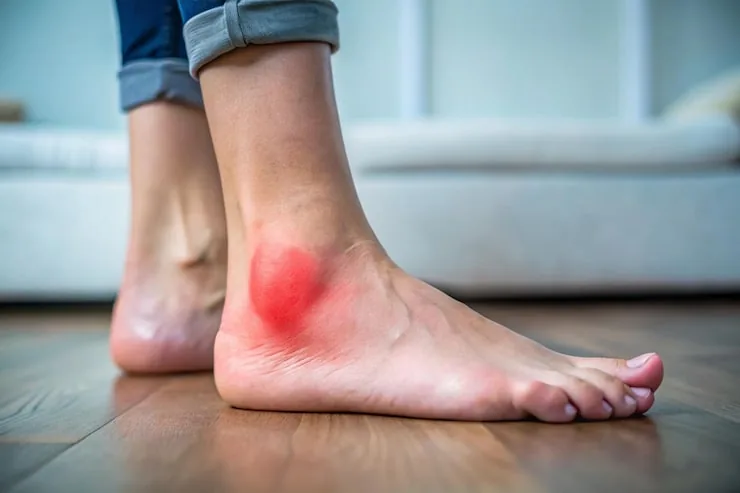
A leg cramp is a sudden, painful tightening of a muscle. It usually hits the calf, foot or thigh and can last from a few seconds to several minutes. Cramps that happen at night are called nocturnal leg cramps. They become more common as we get older.
Many leg cramps come from tired muscles or not drinking enough water. But cramps that keep coming back can be linked to your veins. With chronic venous insufficiency, weak valves let blood collect in the lower legs. This extra pressure and fluid can make leg muscles more likely to cramp, often at night.
Vein-related leg cramps often come with other signs, like heavy, aching legs, ankle swelling or varicose veins. If you notice these together, a vein check can help
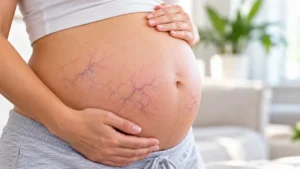
They’re most common on the thighs, calves and ankles, but can also appear on the feet, the belly or the face. They’re usually flat, or only slightly raised, and don’t bulge the way larger veins do.
Causes of Leg Cramps
Leg cramps can have more than one cause. These are the most common:
Poor vein circulation
When leg veins don’t empty well, pressure and fluid build up around the muscles.
Sitting or standing too long
Desk jobs, long drives and standing shifts keep the calf pump from moving blood.
Dehydration
Not drinking enough water or losing fluids through heat and exercise can set off cramps.
Medicines and health conditions
Some diuretics, statins and conditions such as diabetes or nerve problems can make cramps more likely.
Signs Your Cramps May Be Vein-Related
Cramps on their own don’t point to any one cause. These symptoms, when they show up alongside cramping, can suggest a vein condition is involved
Heaviness and Aching
Legs that feel heavy or achy as the day goes on, and feel better when you put your feet up.
Twisted or Web-Like Veins
Bulging varicose veins or clusters of spider veins on the calves, ankles or thighs.
Restless or Tingling Legs
An urge to move your legs, or crawling and tingling feelings at rest, which can overlap with restless legs syndrome.
Puffy Ankles and Darker Skin
Leg swelling that builds through the day, or skin near the ankles that turns darker, itchy or firm.
Leg Cramp Symptoms
Sudden calf tightening
The muscle knots suddenly, often in the early hours, and you may need to stand or flex your foot to release it. Broken sleep from repeated cramps is one of the most common reasons patients come in.
Muscle soreness
After a strong cramp, the calf can stay tender or bruised-feeling for a day or more, making walking uncomfortable.
Tingling or restless legs
Some patients feel crawling, tingling or an urge to move their legs before or between cramps. These sensations can overlap with restless legs syndrome, which can also be linked to vein problems.
Ankle swelling
Puffy ankles, leg swelling that gets worse during the day, or darker skin around the ankles suggest pressure in the veins may be behind the cramps.
When to Get Medical Help for Leg Cramps
Book a vein evaluation if leg cramps wake you up more than once or twice a week, don’t get better with stretching and water, or come with swelling, heaviness, or visible veins. Early care often means simpler treatment.
Get urgent care if one leg suddenly becomes swollen, warm, red or painful to touch, or if cramping comes with shortness of breath or chest pain. These can be signs of a blood clot and need same-day medical attention.
Cramps keeping you up at night? Book a vein evaluation
Diagnosing Leg Cramps
Leg cramps have many possible causes. Your visit helps find out if your veins are part of the problem.
STEP 1: TALKING THROUGH YOUR CRAMPS
Your provider asks when cramps happen, how often, how long they last, and which muscles they affect. You’ll also review your medicines, activity level, and other health conditions, since these can all play a role.
STEP 2: CHECKING YOUR VEINS WITH ULTRASOUND
If your symptoms suggest a circulation problem, a painless venous duplex ultrasound shows whether blood is flowing backward in your leg veins. This tells your provider whether treating the veins is likely to ease your cramps.
STEP 3: A PLAN THAT FITS THE CAUSE
If veins are the cause, your provider explains your treatment options. If the scan is normal, you’ll get guidance on other likely causes and, when needed, a referral to the right specialist, such as our pain and nerve care team.
BEFORE YOUR VISIT:
Keep a simple cramp diary for a week or two. Note the time, which leg, how long each cramp lasted, and what you were doing. Bring it with your medication list and insurance card.
Treatment Options for Leg Cramps
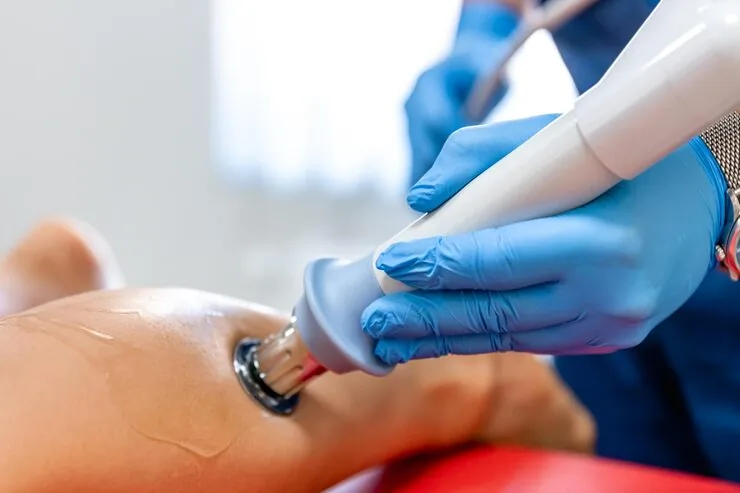
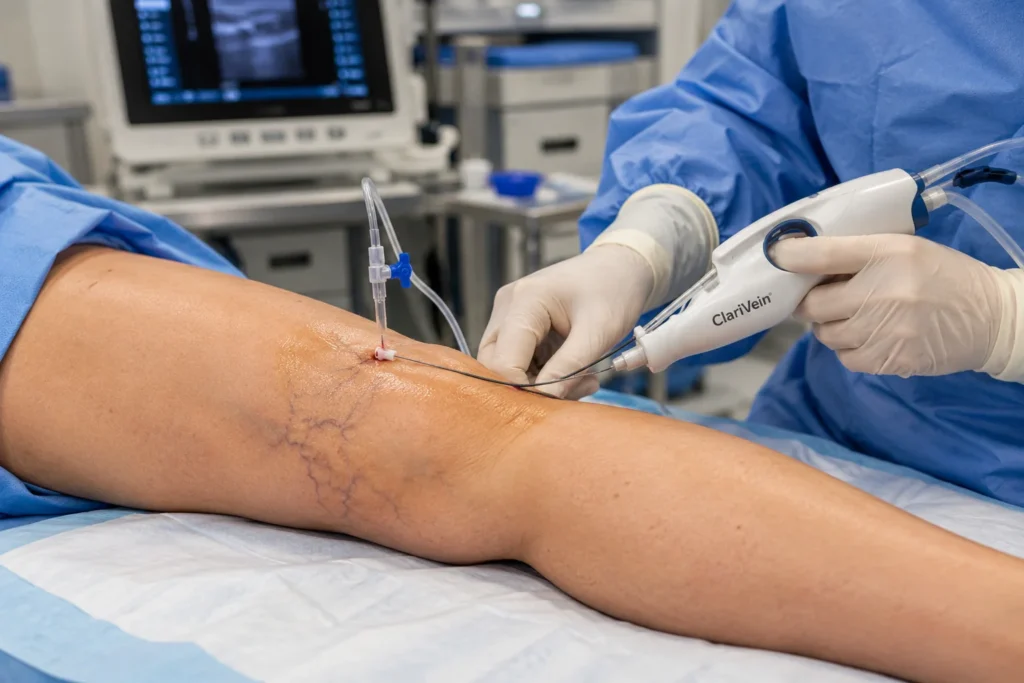
If your ultrasound shows faulty veins, treating them can lower pressure in your legs. For many patients, this means fewer leg cramps, although results vary.. Your provider will suggest the best option for you. All treatments are done in the office with local numbing.
Gentle heat closes the main leaking vein so blood can move through healthier paths. Suited to: cramps linked to reflux in a large vein. Back to routine: usually the same day.
Best for: Leg cramps linked to larger, faulty veins.
Recovery: Walking the same day; mild soreness.
Laser energy through a thin fiber shuts down the faulty vein from inside. Suited to: straight, larger veins found on ultrasound. Back to routine: usually the same day, with mild tenderness for a short time.
Best for: Larger, straight veins with reflux.
Recovery: Same-day walking; temporary tenderness.
A medical adhesive seals the vein without heat. Suited to: patients who want a heat-free option and qualify for it. Back to routine: often right away.
Best for: Patients seeking a heat-free vein treatment.
Recovery: Quick return to daily activities.
A spinning catheter tip and medication close the vein. Suited to: certain larger veins. Back to routine: usually the same day.
Best for: Certain larger veins with reflux.
Recovery: Same-day activities; mild bruising possible.
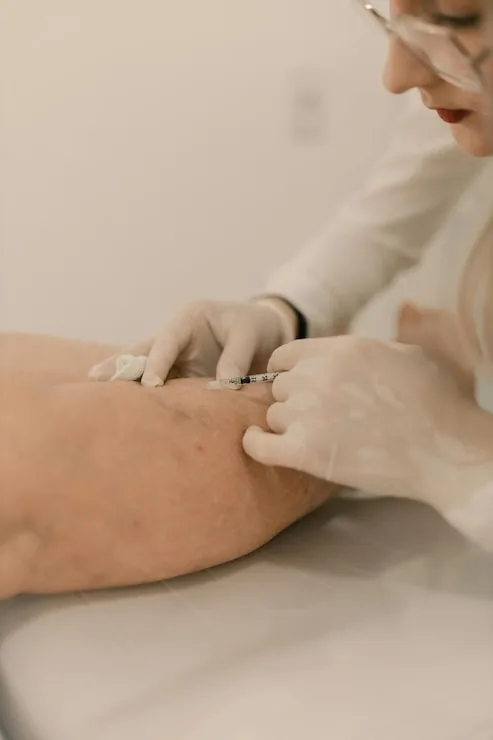
Injections close smaller problem veins near the surface. Suited to: smaller veins that remain after or alongside other treatment. Back to routine: right away.
Best for: Smaller problem veins causing discomfort.
Recovery: Immediate walking; minimal downtime.
Bulging surface veins are removed through tiny nicks. Suited to: large, rope-like veins that add to leg pressure. Back to routine: usually the same day.
Best for: Large, bulging surface varicose veins.
Recovery: Same-day walking; temporary bruising.
Supportive care: Compression stockings, calf stretching and leg elevation can ease cramps while you wait for or recover from treatment. If your scan shows no vein problem, your provider will guide you on next steps.
Leg Cramp Relief tips
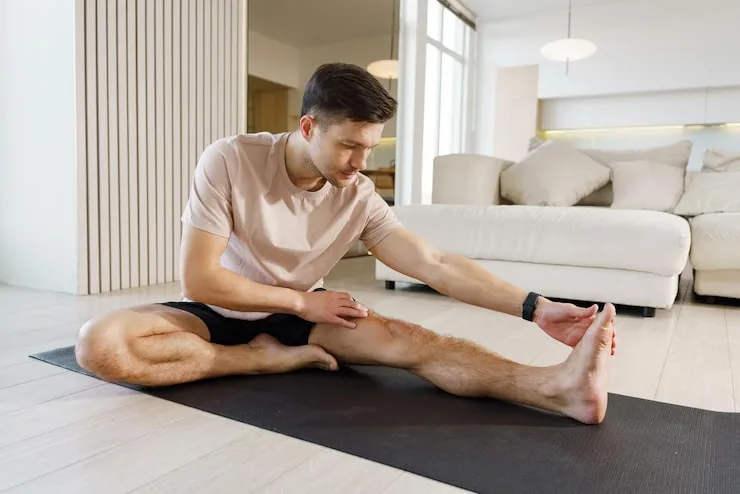
Leg cramps can strike suddenly, causing tightness and discomfort in your calf or leg muscles. Simple stretching and gentle movements may help relax the muscle and ease the pain. Follow these four steps when a cramp occurs.
1
Straighten Your Leg
2
Press Your Heel Down
3
Massage the Muscle
4
Apply Gentle Warmth
Leg Cramp Prevention Tips
Habits that help between visits
- Stretch your calves for a minute or two before bed.
- Get up and walk every hour if you sit or stand for long stretches.
- Raise your legs for 15 minutes in the evening to help blood drain from the lower legs.
- Keep sheets loose at the foot of the bed so your toes aren’t pointed all night.
- Ask your provider whether compression stockings could help during the day.
Leg Cramp Myths and Facts
There’s a lot of advice about leg cramps. Here are the facts.
MYTH
Leg cramps always mean you need more potassium.
FACT
Low minerals are only one possible trigger. Many people with frequent cramps have normal levels, and vein circulation, medicines or muscle fatigue may be the real cause.
MYTH
Night cramps are just part of getting older.
FACT
They do become more common with age, but frequent cramps that break your sleep aren’t something you have to accept. Finding the cause can bring real relief.
MYTH
If you can't see varicose veins, your veins aren't the problem.
FACT
Vein reflux can happen in deeper veins you can’t see. An ultrasound is the standard way to check.
MYTH
Stretching after a cramp is all you can do.
FACT
Stretching helps in the moment. When cramps come from a vein problem, treating the vein addresses what’s driving them.
Find a Leg Cramp Specialist Near You
Our vein specialists treat leg cramps at clinics in Pennsylvania, New Jersey, Ohio and Arizona. Find the clinic closest to you.
FAQS
What causes chronic leg cramps from a vein perspective?
While occasional leg cramps can stem from muscle fatigue or dehydration, chronic and severe leg cramps are frequently caused by poor blood circulation, specifically Venous Insufficiency a condition where damaged vein valves allow blood to pool in the lower legs. This pooling leads to nerve irritation, muscle cramping, throbbing, aching, and burning sensations and is often accompanied by visible varicose veins, numbness, or leg swelling.
What conditions are linked to vein-related leg cramps?
MVM Health vein specialists diagnose and treat a range of underlying conditions that cause chronic leg cramps, including Venous Insufficiency, varicose veins, Venous Reflux Disease, Restless Legs Syndrome, peripheral neuropathy associated with poor circulation, leg swelling, and venous thrombosis history. Identifying the precise cause is essential for delivering lasting relief.
How does MVM Health diagnose the cause of my leg cramps?
MVM Health uses advanced diagnostic tools including Venous Duplex Ultrasound, physical assessments, and circulation evaluations to accurately identify whether your leg cramps stem from venous insufficiency, muscle fatigue, nerve irritation, or a combination of factors. This thorough evaluation forms the foundation of a personalized care plan targeting both immediate relief and long-term wellness.
What treatments does MVM Health offer for chronic leg cramps?
Treatment options at MVM Health include minimally invasive interventional vein procedures to correct the underlying circulation problem, specialized physical therapies, compression therapy, and lifestyle guidance. By combining these approaches, the team helps reduce pain, restore healthy circulation, and improve mobility and independence, targeting both short-term relief and long-term wellness.
Can leg cramps be permanently relieved, or are they a recurring problem?
When chronic leg cramps are caused by Venous Insufficiency or another vascular condition, minimally invasive vein treatments can permanently address the root cause by closing faulty veins and restoring proper blood flow. This eliminates the blood pooling and nerve irritation responsible for the cramps, providing durable relief rather than temporary symptom management.
Frequently Asked Questions
They can contribute. Varicose veins are often a sign that blood is pooling in the lower legs, and that pressure can leave calf muscles more likely to cramp, especially after a long day on your feet. An ultrasound shows whether your veins are involved.
If an ultrasound confirms vein reflux, closing the faulty vein lowers pressure in the leg, and many patients notice fewer cramps afterward. Results vary, and cramps from other causes may need different care.
Start with a vein specialist if your cramps come with swelling, heaviness or visible veins. If the cause turns out to be nerve-related or linked to another condition, your provider can point you to the right specialist.
A venous ultrasound is often covered when you have symptoms such as cramping, swelling or pain. Coverage depends on your plan, and our team checks your benefits before your visit.
A normal cramp eases within minutes. Pain that stays, along with swelling, warmth or redness in one leg, could signal a clot and needs urgent medical care.
For cramps linked to poor vein flow, compression can help by supporting blood return during the day. Ask your provider about the right fit and pressure before you buy a pair.
A cramp is a painful, visible tightening of the muscle. Restless legs syndrome causes an uncomfortable urge to move without the muscle locking up. Some people have both, and both can be linked to vein problems.
Pregnancy raises blood volume and puts pressure on pelvic veins, which can slow blood flow from the legs. Cramps often ease after delivery, but a vein check afterward is worthwhile if they continue.
Recent blogs

Varicose Veins in Lancaster, PA: Why Veins May Reappear After Treatment
Varicose veins can reappear after treatment for three different reasons: some veins were never treated and simply remain, new veins form from vein disease that
Leg Swelling, Aching, or Heaviness: What Does a Vein Specialist Check?
Leg swelling, aching, and heaviness can develop for several reasons, including prolonged standing, muscle fatigue, and changes in circulation. When these symptoms keep returning, a
Spider Veins in King of Prussia, PA: Causes, Evaluation & Treatment Options Explained
Spider veins in King of Prussia, PA? Learn what causes them, when they signal a deeper vein problem and how MVM Health treats them. Book a vein evaluation.