










Sclerotherapy Vein Treatment

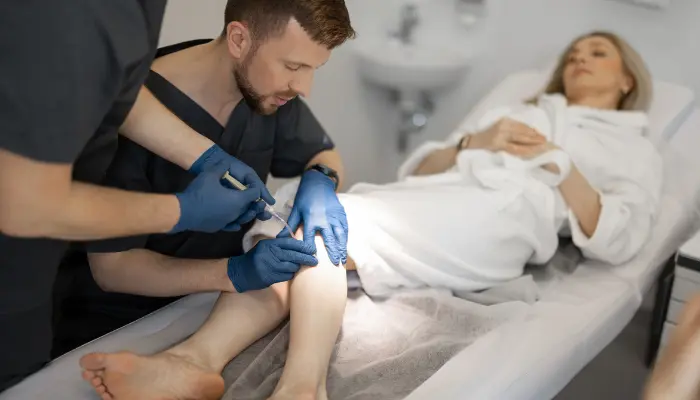
Spider veins and small varicose veins can make you self-conscious about your legs, and some cause aching, burning or itching. Sclerotherapy is a quick in-office treatment that uses tiny injections to close these veins, so they gradually fade and blood flows through healthier veins nearby. At MVM Health, your vein specialist examines your legs first to make sure sclerotherapy is the right fit.

Book a visit with a vein specialist at one of our clinics in Pennsylvania, New Jersey, Ohio and Arizona.

Sclerotherapy,Sclerotherapy Vein Treatment
Sclerotherapy,Sclerotherapy Vein Treatment Sclerotherapy,Sclerotherapy Vein Treatment Sclerotherapy,Sclerotherapy Vein Treatment Sclerotherapy,Sclerotherapy Vein Treatment Sclerotherapy,Sclerotherapy Vein Treatment Sclerotherapy,Sclerotherapy Vein Treatment Sclerotherapy,Sclerotherapy Vein Treatment Sclerotherapy,Sclerotherapy Vein Treatment Sclerotherapy,Sclerotherapy Vein Treatment Sclerotherapy,Sclerotherapy Vein Treatment Sclerotherapy,Sclerotherapy Vein Treatment Sclerotherapy,Sclerotherapy Vein Treatment Sclerotherapy,Sclerotherapy Vein Treatment Sclerotherapy,Sclerotherapy Vein Treatment Sclerotherapy,Sclerotherapy Vein Treatment Sclerotherapy,Sclerotherapy Vein Treatment Sclerotherapy,Sclerotherapy Vein Treatment Sclerotherapy,Sclerotherapy Vein Treatment Sclerotherapy,Sclerotherapy Vein Treatment Sclerotherapy,Sclerotherapy Vein Treatment Sclerotherapy,Sclerotherapy Vein Treatment Sclerotherapy,Sclerotherapy Vein Treatment Sclerotherapy,Sclerotherapy Vein Treatment Sclerotherapy,Sclerotherapy Vein Treatment

Meet Our Expert Team

Board Certified Expert

At MVM Health — Movement. Vitality. Medicine. — we are committed to providing exceptional pain, vein, and wellness services that empower individuals to reclaim their health and well-being. With our team of Harvard-trained experts, we strive to deliver transformative outcomes that restore comfort, confidence, and quality of life. MVM Health’s mission is to help every patient relieve discomfort, restore motion, and renew life.

Sclerotherapy,Sclerotherapy Vein Treatment

Vwaire Orhurhu, MD, MPH
Harvard Medical School

Sclerotherapy,Sclerotherapy Vein Treatment

Mariam Salisu, MD, MPH
Harvard Medical School

Sclerotherapy,Sclerotherapy Vein Treatment

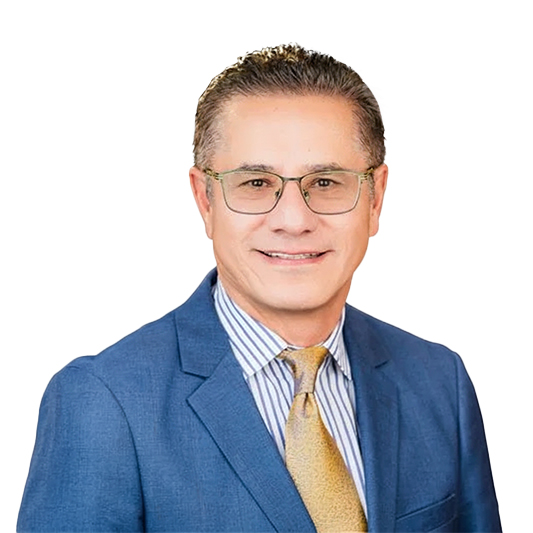
Peter Isaac, DO
Philadelphia College of Osteopathic Medicine
Sclerotherapy,Sclerotherapy Vein Treatment

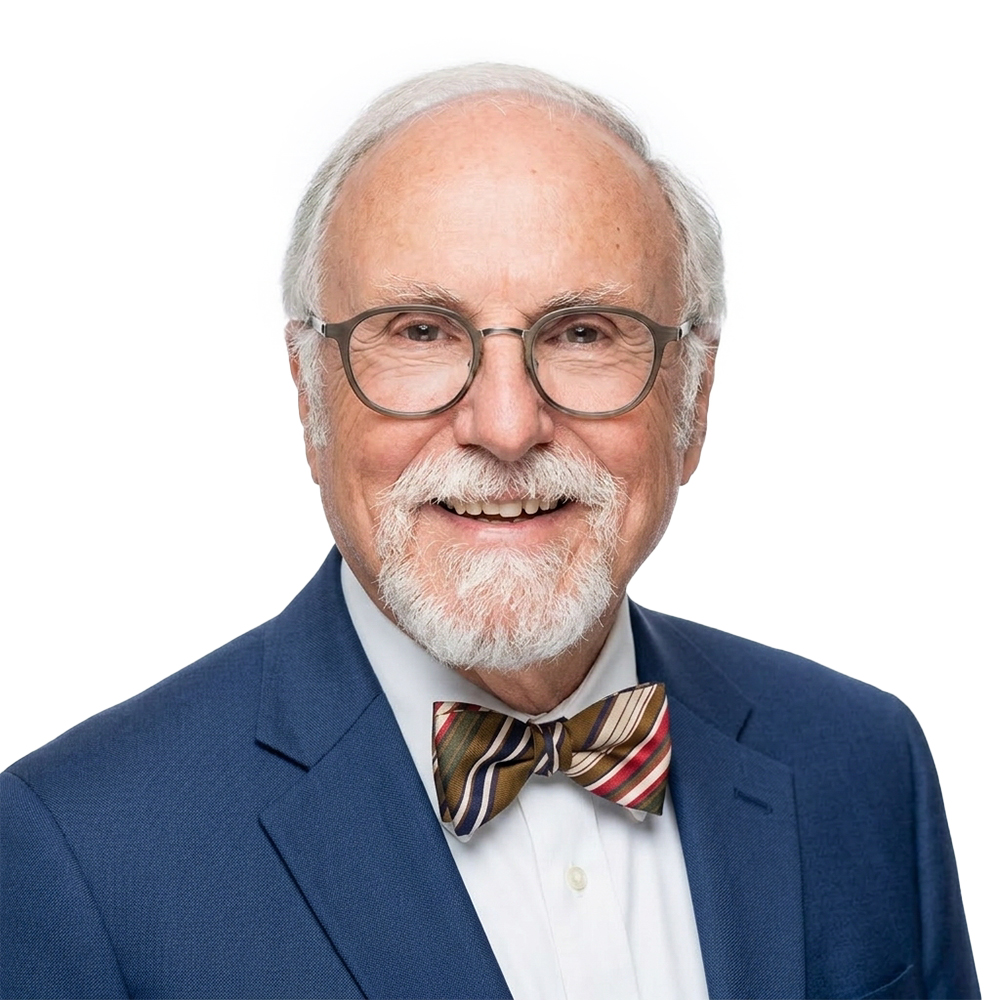
Ali Amin, MD
Baylor College of Medicine
Sclerotherapy,Sclerotherapy Vein Treatment

THOMAS KHOURY, MD
Harvard Medical School

Sclerotherapy,Sclerotherapy Vein Treatment

ANTHONY TURNER, MD
Yale School of Medicine

Sclerotherapy,Sclerotherapy Vein Treatment

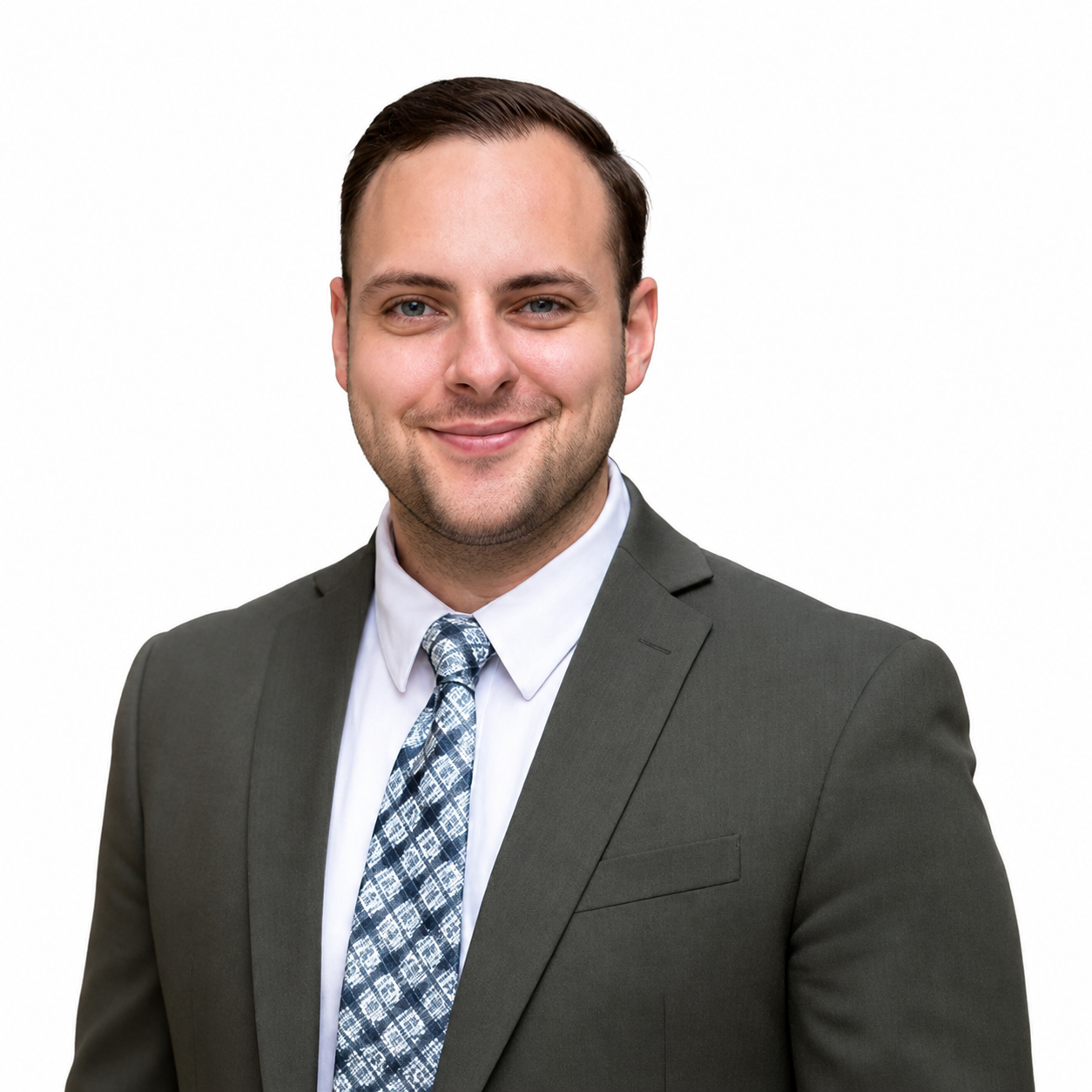
KIRAN C. TAMIRISA
Baylor College of Medicine
Sclerotherapy,Sclerotherapy Vein Treatment

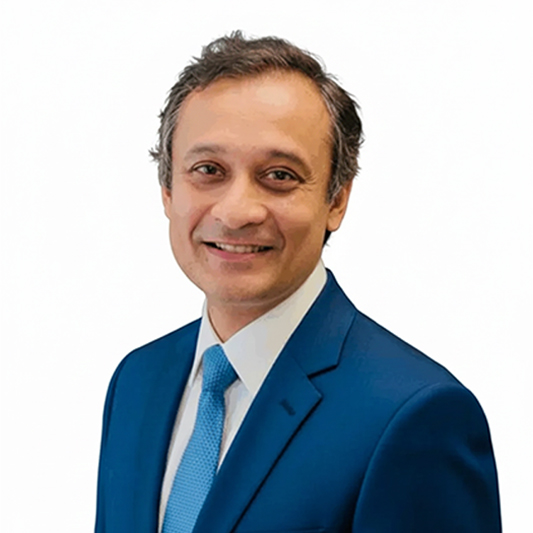
TARIQ ALFARRA, DO
JOHNS HOPKINS HOSPITAL
Sclerotherapy,Sclerotherapy Vein Treatment

Rishi Sheth, MD
University of Miami School of Medicine

Sclerotherapy,Sclerotherapy Vein Treatment

Henry Onyeaka, MD, MPH
Harvard Medical School

Sclerotherapy,Sclerotherapy Vein Treatment

Felicia Todd, CNP
Moravian College

Sclerotherapy,Sclerotherapy Vein Treatment

Carrie Ward, CNP
Franklin University

Sclerotherapy,Sclerotherapy Vein Treatment

Kruti Solanki, CNP
Drexel University

Sclerotherapy,Sclerotherapy Vein Treatment

Christy Daniels, CNP
Chamberlain University

Sclerotherapy,Sclerotherapy Vein Treatment

Heerina Kittel, CNP
Maryville University
Sclerotherapy,Sclerotherapy Vein Treatment

Vic Urbano, CNP
Walden University

Sclerotherapy,Sclerotherapy Vein Treatment

Jameela Azeem, CNP
Hofstra University

Sclerotherapy,Sclerotherapy Vein Treatment

Vwaire Orhurhu, MD, MPH
Harvard Medical School

Sclerotherapy,Sclerotherapy Vein Treatment

Mariam Salisu, MD, MPH
Harvard Medical School

Sclerotherapy,Sclerotherapy Vein Treatment

Peter Isaac, DO
Philadelphia College of Osteopathic Medicine

Sclerotherapy,Sclerotherapy Vein Treatment

Ali Amin, MD
Baylor College of Medicine

Sclerotherapy,Sclerotherapy Vein Treatment

THOMAS KHOURY, MD
Harvard Medical School

Sclerotherapy,Sclerotherapy Vein Treatment

ANTHONY TURNER, MD
Yale School of Medicine

Sclerotherapy,Sclerotherapy Vein Treatment

KIRAN C. TAMIRISA
Baylor College of Medicine

Sclerotherapy,Sclerotherapy Vein Treatment

Rishi Seth, MD
University of Miami School of Medicine

Sclerotherapy,Sclerotherapy Vein Treatment

Henry Onyeaka, MD, MPH
Harvard Medical School

Sclerotherapy,Sclerotherapy Vein Treatment

Felicia Todd, CNP
Moravian College

Sclerotherapy,Sclerotherapy Vein Treatment

Vic Urbano, CNP
Walden University

Sclerotherapy,Sclerotherapy Vein Treatment

Jameela Azeem, CNP
Hofstra University

We work with a wide variety of insurance providers

Sclerotherapy,Sclerotherapy Vein Treatment Sclerotherapy,Sclerotherapy Vein Treatment Sclerotherapy,Sclerotherapy Vein Treatment Sclerotherapy,Sclerotherapy Vein Treatment Sclerotherapy,Sclerotherapy Vein Treatment Sclerotherapy,Sclerotherapy Vein Treatment Sclerotherapy,Sclerotherapy Vein Treatment

and 100+ more

Insurance coverage for vein treatment depends on your specific plan, medical necessity, and prior authorization. Our team will review your benefits with you in advance. Questions? Contact us to confirm if your insurance is accepted.

What Is Sclerotherapy?

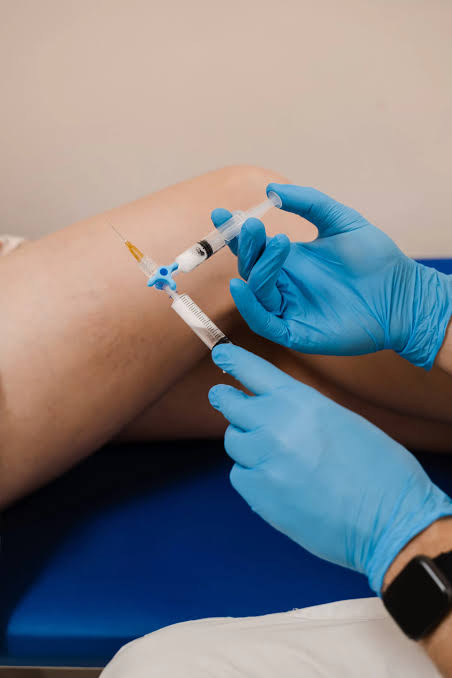
Sclerotherapy is a procedure in which a medicine called a sclerosant is injected directly into an unwanted vein. The medicine irritates the inner lining of the vein, so the walls stick together and the vein closes. Over the following weeks, the closed vein turns into scar tissue and fades from view.

In the U.S., the sclerosant polidocanol is FDA-approved to treat uncomplicated spider veins up to 1 mm wide and reticular veins 1 to 3 mm wide in the legs. Your provider chooses the medicine, strength and form that suits your veins.


Sclerotherapy,Sclerotherapy Vein Treatment

What Does Sclerotherapy Treat?

Sclerotherapy works best for smaller veins close to the skin:

Sclerotherapy,Sclerotherapy Vein Treatment

Thin red, blue or purple lines, often on the thighs, calves and ankles, that show through the skin like a web.

Sclerotherapy,Sclerotherapy Vein Treatment

Reticular Veins

Slightly larger blue-green veins under the skin that often feed nearby clusters of spider veins.

Sclerotherapy,Sclerotherapy Vein Treatment

Smaller bulging or twisted veins near the surface that may cause aching, burning, itching or heaviness.

Sclerotherapy,Sclerotherapy Vein Treatment

Leftover Surface Veins

Visible veins that remain after a larger vein has been closed with ablation, VenaSeal or another treatment.

Are You a Candidate for Sclerotherapy?

Many adults with spider veins or small varicose veins are good candidates, but your specialist decides after an exam. If several items on the left apply to you, an evaluation is worth it.

If several of these apply to you, a short evaluation can show whether sclerotherapy is right for you, or whether a larger vein needs attention first.

You may be a good candidate if you:

Talk to your provider first if you:

Benefits of Sclerotherapy

Sclerotherapy,Sclerotherapy Vein Treatment

No Incisions

Treatment uses only tiny needle injections, so there are no cuts or stitches and nothing to heal but small pinpricks.

Sclerotherapy,Sclerotherapy Vein Treatment

No Anesthesia Needed

You stay awake and comfortable. Most people feel only a small pinch and brief stinging with each injection.

Sclerotherapy,Sclerotherapy Vein Treatment

Same-Day Routine

Sessions usually take under an hour, and most people walk out and resume daily activities the same day.

Sclerotherapy,Sclerotherapy Vein Treatment

Pairs With Other Treatments

Several veins can often be treated in one visit, and sclerotherapy works well after ablation or VenaSeal.

When to Consider Sclerotherapy

Book a vein evaluation if spider veins or small varicose veins bother you, are spreading, or cause aching, burning or itching. If you have a special event coming up, plan at least two to three months ahead, so bruising and any skin staining have time to fade.

If your legs feel heavy and swollen or you have bulging veins, a deeper vein may be involved. An evaluation can check for that before treating surface veins.

Ready for clearer, more comfortable legs? Find out if sclerotherapy is right for you.

Before Your Sclerotherapy Treatment

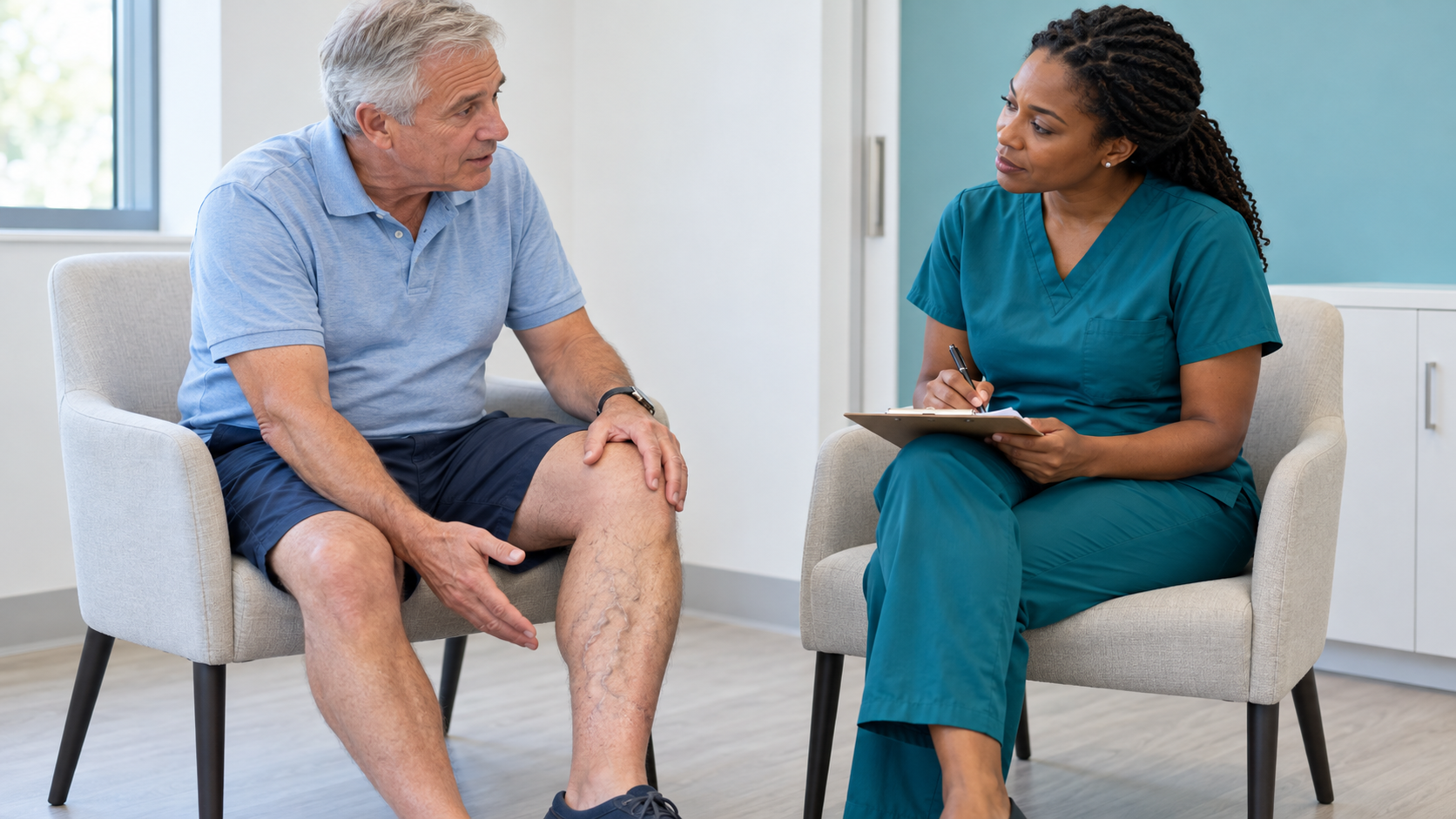
Every sclerotherapy plan at MVM Health starts with an evaluation, so your specialist can confirm it’s the right treatment for your veins.

STEP 1 · YOUR VISIT

Your specialist reviews your symptoms, health history and medicines, and examines your legs. Mention any past blood clots, allergies, pregnancy or recent surgery.

Step 2 · ULTRASOUND, IF NEEDED

If a deeper vein problem is suspected, a duplex ultrasound checks for leaking veins that should be treated before surface veins.

STEP 3 · PLAN AND PREP

Your specialist estimates how many sessions you may need. Bring the compression stockings you’re advised to use, and wear loose clothing on treatment day.

Sclerotherapy and Other Vein Treatments

Sclerotherapy is ideal for smaller surface veins, while larger leaking veins usually need a different method first. Many patients combine treatments for the best result. Your specialist picks the approach that matches your veins.

Sclerotherapy,Sclerotherapy Vein Treatment

An injected medicine makes the vein close and fade

Best for: Spider, reticular and small varicose veins

Recovery: Walk right away; little downtime

Sclerotherapy,Sclerotherapy Vein Treatment

Laser energy closes the vein through a thin fiber

Best for: Larger, straighter refluxing veins

Recovery: Walking the same day

Sclerotherapy,Sclerotherapy Vein Treatment

A medical adhesive glues the vein shut, no heat

Best for:Larger veins, when heat isn’t ideal

Recovery: Often back to routine the same day

Sclerotherapy,Sclerotherapy Vein Treatment

A rotating tip plus medicine closes the vein.

Best for: Larger veins close to nerves

Recovery: Usually back to routine the same day

Sclerotherapy,Sclerotherapy Vein Treatment

Bulging surface veins removed through tiny nicks

Best for: Large, rope-like surface veins

Recovery: Walk the same day; mild bruising

Sclerotherapy,Sclerotherapy Vein Treatment

Gentle heat seals the vein from the inside

Best for: Larger refluxing saphenous veins

Recovery: Walk the same day; mild bruising

Surface laser treatment uses light through the skin and can help with very fine vessels or people who can’t have injections. For leg spider and reticular veins, sclerotherapy is often preferred.

How Sclerotherapy Works

Sclerotherapy is a quick in-office treatment with no incisions and no anesthesia. A session usually takes under an hour, depending on how many veins are treated. Your provider will describe the exact technique used in your case. In general, it follows four steps:

1

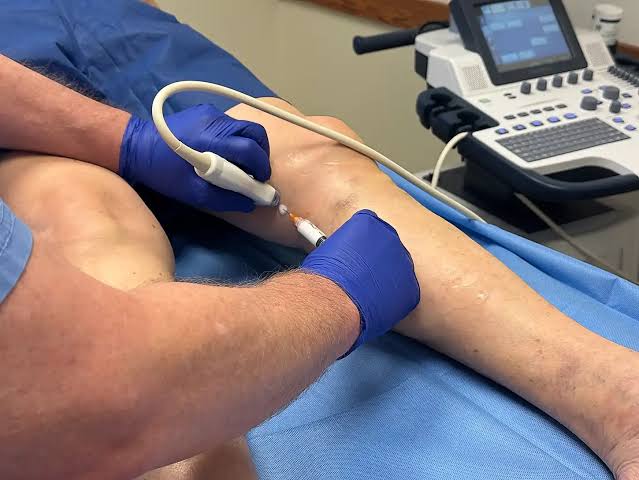
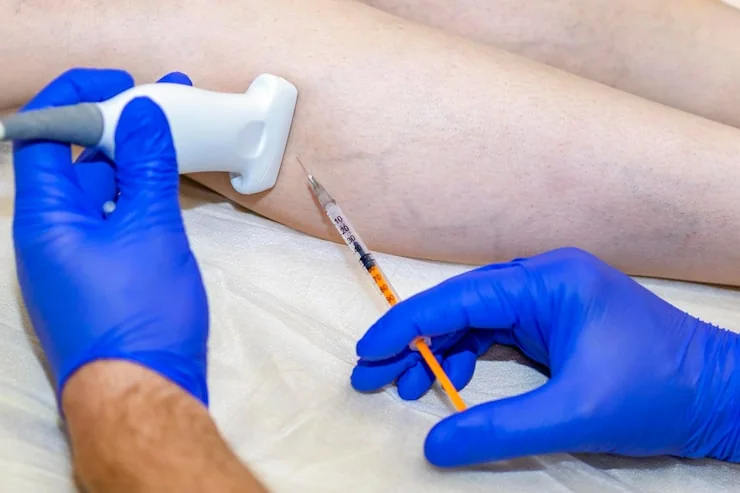
Prepare the Skin You lie down while the skin over the treatment area is cleaned. For deeper veins, ultrasound may be used to find them.

2

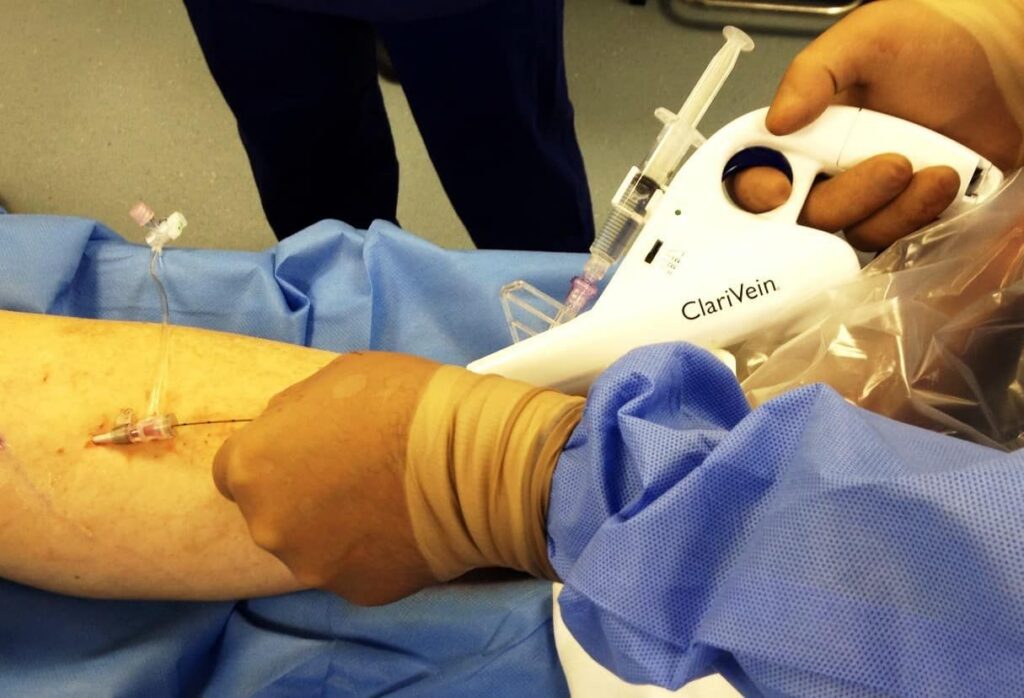
Inject the Medicine Using a very fine needle, your provider injects the medicine into each targeted vein. You may feel a brief pinch or sting.

3

Apply Pressure Light pressure is applied after each injection, and compression stockings go on before you leave to keep the vein walls together.

4

The Vein Fades The treated vein closes and your body slowly absorbs it. Blood takes another route back to the heart through healthy veins.

Aftercare Tips

A few simple steps help your veins close well and your skin heal:

Sclerotherapy,Sclerotherapy Vein Treatment

Walk right after your visit and each day for the next few days to keep blood moving well.

Wear compression stockings as directed, usually a few days for spider veins and up to a week for others.

Skip heavy exercise, lifting, hot baths, hot tubs and saunas for the first few days after treatment.

Keep treated areas out of the sun and avoid tanning, and check with your provider before long flights.

Sclerotherapy Myths, Answered

A few common beliefs keep people from getting treatment. Here’s what’s actually true:

MYTH

Sclerotherapy is only cosmetic.

FACT

Sclerotherapy can also ease aching, burning or itching caused by small varicose veins, not just improve how legs look.

MYTH

One session clears every vein.

FACT

Some small clusters clear in one visit, but many people need two or more sessions spaced weeks apart.

MYTH

The injections are very painful.

FACT

Most people feel only a small pinch and brief stinging with each injection. No anesthesia is needed.

MYTH

Treated veins always come back.

FACT

A fully closed vein usually stays closed. New veins can form over time, and touch-ups can treat them.

Sclerotherapy Cost and Insurance

Coverage depends on why you’re being treated. Sclerotherapy for spider veins alone is usually considered cosmetic and is not covered. When it treats symptomatic varicose veins as part of a medical plan, some insurers may cover it if you meet their criteria.

Your total cost depends on how many veins are treated and how many sessions you need. For cosmetic treatment, our team shares self-pay pricing before you book, so there are no surprises. See our insurance details or Call Now to check your benefits. At MVM Health, your provider examines your legs first to confirm sclerotherapy is appropriate, and discusses other options when it isn’t. Book a vein evaluation to find out which approach fits you.

Sclerotherapy Side Effects and Risks

Most side effects are mild and fade with time. An experienced vein specialist helps keep risks low.

If you checked a few on the left, a short evaluation can show whether sclerotherapy is right for you, or whether a larger vein needs attention first.red yes to several and you’ve noticed leg symptoms, a vein evaluation can tell you what’s going on.

More common, temporary:

Less common:

FAQS

What is sclerotherapy, and what conditions does it treat?

Sclerotherapy is a minimally invasive procedure that treats damaged or unwanted veins in the legs and pelvis by injecting a sclerosant solution directly into the affected vessel. It is commonly used to address spider veins, small varicose veins, and veins associated with Venous Insufficiency that cause chronic pelvic or leg pain, heaviness, and discomfort.

During sclerotherapy, a physician makes a tiny insertion point and uses a small needle to inject a sclerosant solution into the targeted vein. This solution causes the vein walls to seal shut, reducing unwanted blood pooling and stopping further vein deterioration. Ultrasound imaging is typically used to guide precise placement of the medication.

Sclerotherapy is a low-impact procedure that requires only a tiny insertion point, resulting in minimal discomfort during and after treatment. Most patients can return to their everyday routines within just a few days, making it one of the most convenient options for vein relief.

How long do the results of sclerotherapy last?

Because sclerotherapy permanently closes the targeted faulty veins, the results are long-lasting. Once the treated veins are sealed, they are gradually absorbed by the body and will no longer cause pooling or chronic pain, offering durable relief rather than just temporary symptom management.

MVM Health’s experienced physician team specializes in the latest vein treatment methods, including Ultrasound-guided sclerotherapy. Every patient receives a thorough evaluation, personalized care plan, and ongoing recovery support in a modern facility equipped with advanced medical technology.

Ready for Clearer, More Comfortable Legs?

A short evaluation can show whether sclerotherapy is the right fit or whether a larger vein needs attention first. Our vein care team will explain your options and expected number of sessions. Book online, find a clinic near you, or call (888) 628-4785.

Pennsylvania

New Jersey

Arizona

Frequently Asked Questions

Is sclerotherapy painful?

Most people feel only a small pinch from the very fine needle, and some notice brief stinging or cramping as the medicine enters the vein. No anesthesia is needed.

How long does a sclerotherapy session take?

A session usually takes under an hour, depending on how many veins are treated. You can go home right after and resume most daily activities the same day.

How many sessions will I need?

It depends on the number and size of your veins. Some small clusters clear in one visit, while larger areas often need two or more sessions spaced several weeks apart.

What is the recovery time after sclerotherapy?

There’s little to no downtime. You’ll wear compression stockings for a few days to a week and avoid heavy exercise, hot baths and sun on treated areas for the first few days.

Can treated veins come back?

A vein that has fully closed usually stays closed. Some veins need a second treatment to close completely, and new veins can appear nearby over the years.

What's the difference between liquid and foam sclerotherapy?

Liquid is often used for the smallest veins. Foam is the same type of medicine mixed with air or gas, so it fills slightly larger veins and stays in contact with the vein wall longer.

How is sclerotherapy different from laser treatment for spider veins?

Sclerotherapy closes the vein from the inside with an injected medicine, while surface laser uses light through the skin. Sclerotherapy is often preferred for leg spider and reticular veins.

Can sclerotherapy be combined with other vein treatments?

Yes. It’s often used after a larger vein has been closed with ablation or VenaSeal, or alongside ambulatory phlebectomy to clear remaining surface veins.

Is sclerotherapy covered by insurance?

Treatment for spider veins  alone is usually cosmetic and not covered. When it treats symptomatic varicose veins, some plans may cover it if you meet their criteria. Our team can check your benefits.

How far ahead of an event should I schedule sclerotherapy?

Plan at least two to three months ahead. That gives bruising and any brown staining time to fade, and leaves room for a second session if some veins need more treatment.

Recent blogs

Contact Us
Book Appointment Call 888-628-4785