

Hip pain when walking can make everyday activities feel harder, from morning walks to grocery trips or climbing stairs. If the pain keeps returning or starts limiting your movement, it may be time to look closer at what is causing it.
Hip pain doesn’t always start dramatically. For most people, it creeps in slowly. A little soreness here, some stiffness in the morning there. And then all of a sudden you become aware of the fact that you have been unconsciously overusing one side for weeks and a dull ache is now ruling every moment of your day.
The good news? Pain when walking doesn’t have to become your new normal. Understanding what is causing it is the first step toward finding the right treatment plan.
Why the Hip Is So Vulnerable
The hip is one of the largest and most complex joints in the body. It is an incredible ball-and-socket joint responsible for the support of the entire upper portion of your body with every step, stair-climb, or squat you ever perform. That means it’s under near-constant stress and over time, that stress takes a toll.
What makes the hip particularly tricky is that pain felt in the hip area doesn’t always originate there. Sometimes it comes from the lower back, the sacroiliac joint, or even compressed nerves. This is why an accurate diagnosis matters so much. Treating the wrong source of pain never gives you lasting relief.
Common Hip Pain Causes
Understanding the most frequent drivers of hip pain causes can help you recognize what your body might be dealing with.
1. Hip Arthritis
Hip arthritis, particularly osteoarthritis, is one of the leading reasons people experience hip joint pain when walking. It occurs when the protective cartilage inside the hip joint gradually wears down, leaving bone rubbing against bone.
It can cause a deep ache in the groin, front of the hip, thigh, or sometimes the outer hip. It will gradually become more difficult to walk, climb stairs, get out of bed or out of a car. Hip arthritis is not a disease only found in the elderly; it can occur in middle age, particularly in people with previous hip trauma or with a family history of arthritis.
2. Hip Bursitis
Those small, fluid-filled sacs around your joints called bursae are there to reduce friction between bones, tendons, and muscles. When they become irritated or inflamed, you end up with hip bursitis.
The most frequent complaint is trochanteric bursitis, a condition characterized by outer hip pain that starts out sharp, then develops into a burning ache. Many people notice it most when walking, climbing stairs, or lying on the affected side at night. Repetitive movement, a previous hip injury, or leg-length differences can all trigger it.
As noted by the team at MVM Health, Bursa injections may help reduce inflammation and pain for patients dealing with bursitis in the hips, knees, and other major joints.
3. Sciatica and Referred Pain
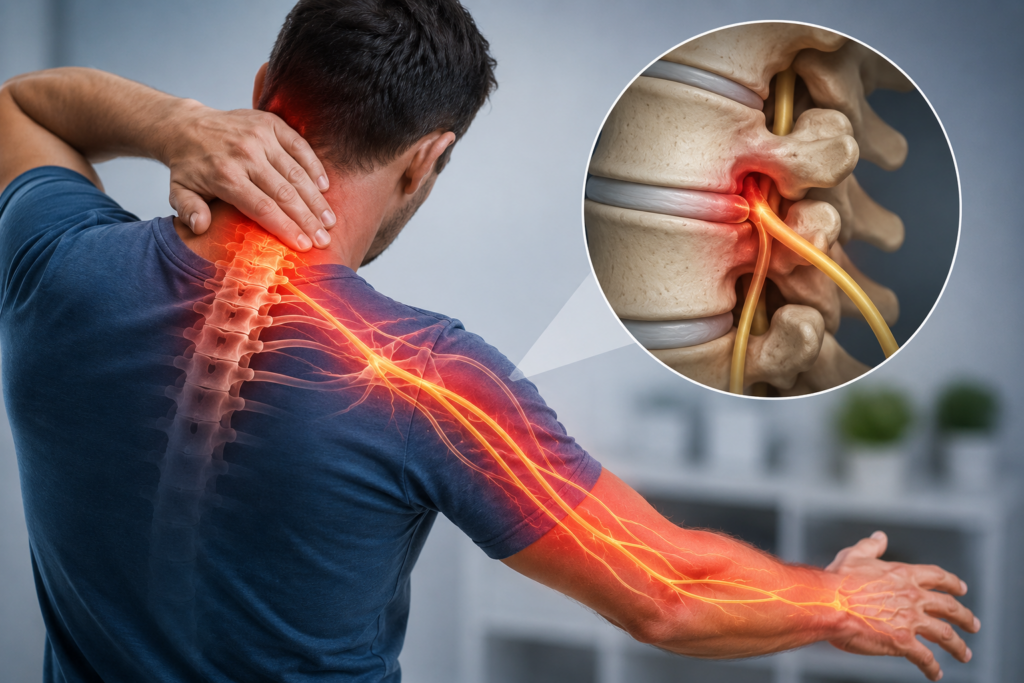
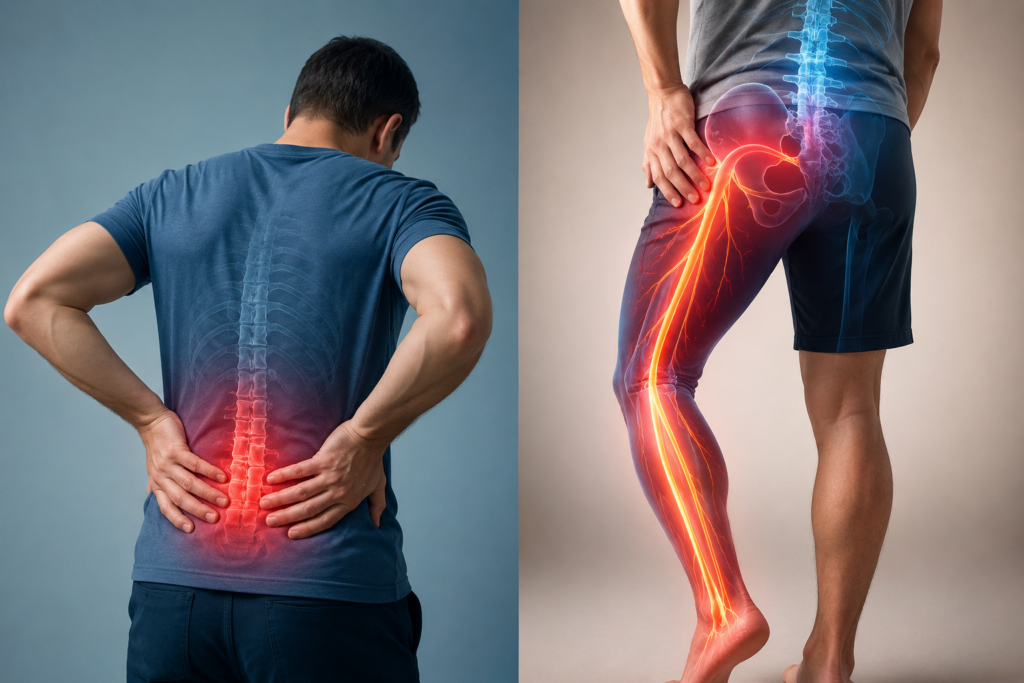
Not all hip pain originates in the hip itself. Sciatica nerve compression in the lower back can send pain into the buttock, hip, and down the leg. This kind of referred pain can be difficult to distinguish from true hip joint pain without proper evaluation.
If your pain tends to travel or is accompanied by tingling or numbness down your leg, a spinal source is worth investigating.
4. Sacroiliac Joint Dysfunction
The Sacroiliac (SI) joint connects your pelvis to your low back. When there is inflammation of, or improper mechanics with the Sacroiliac joint, it can result in a very deep, sharp low back or hip pain that looks and feels very similar to hip arthritis or a slipped disc. SI joint pain is a common source of lower back and hip-area pain, and targeted injections may help confirm the diagnosis and reduce inflammation for some patients.
5. Muscle Strains and Tendon Issues
Overuse, sudden movement, or a fall can strain the muscles and tendons surrounding the hip. This type of hip pain tends to be more localized and often comes with tenderness to the touch around the hip or groin area.
How Chronic Hip Pain Affects Your Life
Chronic hip pain doesn’t just hurt, it changes how you live. People with persistent hip pain often find themselves:
- Cutting walks shorter than they’d like
- Avoiding stairs or inclines
- Struggling to sleep comfortably on either side
- Withdrawing from social activities that involve walking or standing
- Compensating with an uneven gait, which then causes knee, back, or ankle problems
That ripple effect is real. And it’s exactly why getting proper care earlier leads to much better outcomes than waiting until the pain becomes unbearable.
Hip Pain Treatment Options at MVM Health
At MVM Health, the philosophy behind hip pain treatment is straightforward: treat the source, not just the symptom. Their board-certified interventional pain specialists use advanced diagnostics to identify what may be contributing to your hip joint pain and then build a personalized plan around that finding.
Treatment options may include:
- Joint Injections: By performing an injection with the guidance of fluoroscopy, the anti-inflammatory medication can be accurately delivered to the hip joint. According to MVM Health, the injections can ensure the medication is targeting the suspected source of pain and For some patients, image-guided joint injections may help reduce inflammation and improve comfort when hip joint pain is related to arthritis or inflammation, with the process only taking five to fifteen minutes.
- Bursa Injections: Often used for hip bursitis, these injections may help reduce inflammation within the bursa and provide targeted relief without surgery.
- Sacroiliac Joint Injections: For patients whose hip pain originates from SI joint dysfunction, targeted injections can both confirm the diagnosis and deliver meaningful relief.
- Radiofrequency Ablation (RFA): Radiofrequency ablation uses targeted heat to interrupt certain pain signals and may help reduce some types of arthritis-related pain for longer periods.
- Nerve Blocks: These methods may be used diagnostically to locate the specific pain pathways, as well as therapeutically for specific pain reduction.
- Regenerative Medicine: Regenerative medicine may be considered for certain patients with joint-related pain or tissue irritation, depending on their diagnosis and treatment goals.
What sets MVM Health apart is their commitment to minimally invasive, non-opioid approaches. Instead of defaulting to pain medication as a long-term fix, their specialists focus on resolving the actual source of the problem.
Practical Tips for Managing Hip Pain Day-to-Day
While working with your care team, here are some things that can help reduce your discomfort between appointments:
- Warm up before walking: spend five minutes gently moving the hip in all directions before heading out.
- Use supportive footwear: worn-out shoes change how your weight is distributed with every step, putting extra stress on the hip.
- Avoid sitting for long stretches: extended sitting tightens the hip flexors and can worsen pain. Set a reminder to stand and move briefly every 45 to 60 minutes.
- Sleep with a pillow between your knees: this keeps the hip in a neutral position and significantly reduces overnight discomfort.
- Strengthen your core and glutes: a stronger support system around the hip reduces the load the joint has to bear. Even gentle exercises like bridges or seated leg raises can make a real difference over time.
- Apply heat before activity, ice after: heat loosens the joint and surrounding muscles; ice afterward reduces any reactive inflammation.
Hip Pain Treatment in Bethlehem and New Jersey
If you’re looking for hip pain treatment in Bethlehem or are searching for a trusted pain management doctor in NJ, MVM Health has locations conveniently positioned to serve patients throughout Pennsylvania and New Jersey, including Bethlehem, East Stroudsburg, King of Prussia, Reading, Scotch Plains, and Stanhope.
MVM Health’s Bethlehem location is located at 2045 Westgate Dr., Suite 202, Bethlehem, PA 18017, and serves patients from nearby Lehigh Valley communities and is open Monday through Friday.
When Should You See a Specialist?
Don’t wait until your chronic hip pain makes it impossible to walk to your car. Reach out to a stroudsburg pain specialist if you’re experiencing:
- Hip or groin pain that hasn’t improved after two to three weeks
- Pain when walking that limits how far you can go
- Stiffness that’s worst in the morning and takes more than 30 minutes to loosen up
- Any instability or sensation of the hip “giving way”
- Pain that’s disrupting your sleep regularly
Earlier treatment leads to better results and more options. The longer joint pain goes unaddressed, the more the surrounding structures (muscles, tendons, other joints) can be affected.
Ready to Walk Without Pain Again? MVM Health Can Help.
Don’t let hip pain when walking limit your daily life. Schedule a consultation with MVM Health to find the cause of your pain and explore personalized treatment options.