











Peripheral Neuropathy Treatment

Pins and needles, burning feet at night, or hands that drop things can make everyday life unpredictable. These are common signs of peripheral neuropathy, a condition where nerves carrying signals between your brain, spinal cord, and body become damaged or stop working properly. Finding the cause is the first step, and treatment can often ease the pain. At MVM Health, our pain specialists identify the source of your symptoms and create a plan that may include nerve blocks, spinal cord stimulation, or other options.

Book a visit with a pain specialist near you at one of our clinics in Pennsylvania, New Jersey, Ohio and Arizona.

Peripheral Neuropathy
Peripheral Neuropathy Peripheral Neuropathy Peripheral Neuropathy Peripheral Neuropathy Peripheral Neuropathy Peripheral Neuropathy Peripheral Neuropathy Peripheral Neuropathy Peripheral Neuropathy Peripheral Neuropathy Peripheral Neuropathy Peripheral Neuropathy Peripheral Neuropathy Peripheral Neuropathy Peripheral Neuropathy Peripheral Neuropathy Peripheral Neuropathy Peripheral Neuropathy Peripheral Neuropathy Peripheral Neuropathy Peripheral Neuropathy Peripheral Neuropathy Peripheral Neuropathy Peripheral Neuropathy

Meet Our Expert Team

Board Certified Expert

At MVM Health — Movement. Vitality. Medicine. — we are committed to providing exceptional pain, vein, and wellness services that empower individuals to reclaim their health and well-being. With our team of Harvard-trained experts, we strive to deliver transformative outcomes that restore comfort, confidence, and quality of life. MVM Health’s mission is to help every patient relieve discomfort, restore motion, and renew life.

Peripheral Neuropathy

Vwaire Orhurhu, MD, MPH
Harvard Medical School

Peripheral Neuropathy

Mariam Salisu, MD, MPH
Harvard Medical School

Peripheral Neuropathy

Peter Isaac, DO
Philadelphia College of Osteopathic Medicine

Peripheral Neuropathy

Ali Amin, MD
Baylor College of Medicine

Peripheral Neuropathy

THOMAS KHOURY, MD
Harvard Medical School

Peripheral Neuropathy

ANTHONY TURNER, MD
Yale School of Medicine

Peripheral Neuropathy

KIRAN C. TAMIRISA
Baylor College of Medicine

Peripheral Neuropathy

TARIQ ALFARRA, DO
JOHNS HOPKINS HOSPITAL

Peripheral Neuropathy

Rishi Sheth, MD
University of Miami School of Medicine

Peripheral Neuropathy

Henry Onyeaka, MD, MPH
Harvard Medical School

Peripheral Neuropathy

Felicia Todd, CNP
Moravian College

Peripheral Neuropathy

Carrie Ward, CNP
Franklin University

Peripheral Neuropathy

Kruti Solanki, CNP
Drexel University

Peripheral Neuropathy

Christy Daniels, CNP
Chamberlain University

Peripheral Neuropathy

Heerina Kittel, CNP
Maryville University

Peripheral Neuropathy

Vic Urbano, CNP
Walden University

Peripheral Neuropathy

Jameela Azeem, CNP
Hofstra University

Peripheral Neuropathy

Vwaire Orhurhu, MD, MPH
Harvard Medical School

Peripheral Neuropathy

Mariam Salisu, MD, MPH
Harvard Medical School

Peripheral Neuropathy

Peter Isaac, DO
Philadelphia College of Osteopathic Medicine

Peripheral Neuropathy

Ali Amin, MD
Baylor College of Medicine

Peripheral Neuropathy

THOMAS KHOURY, MD
Harvard Medical School

Peripheral Neuropathy

ANTHONY TURNER, MD
Yale School of Medicine

Peripheral Neuropathy

KIRAN C. TAMIRISA
Baylor College of Medicine

Peripheral Neuropathy

Rishi Seth, MD
University of Miami School of Medicine

Peripheral Neuropathy

Henry Onyeaka, MD, MPH
Harvard Medical School

Peripheral Neuropathy

Felicia Todd, CNP
Moravian College

Peripheral Neuropathy

Vic Urbano, CNP
Walden University

Peripheral Neuropathy

Jameela Azeem, CNP
Hofstra University

We work with a wide variety of insurance providers

Peripheral Neuropathy Peripheral Neuropathy Peripheral Neuropathy Peripheral Neuropathy Peripheral Neuropathy Peripheral Neuropathy Peripheral Neuropathy

and 100+ more

Insurance coverage for pain treatment depends on your specific plan, medical necessity, and prior authorization. Our team will review your benefits with you in advance. Questions? Contact us to confirm if your insurance is accepted.

What Is Peripheral Neuropathy?

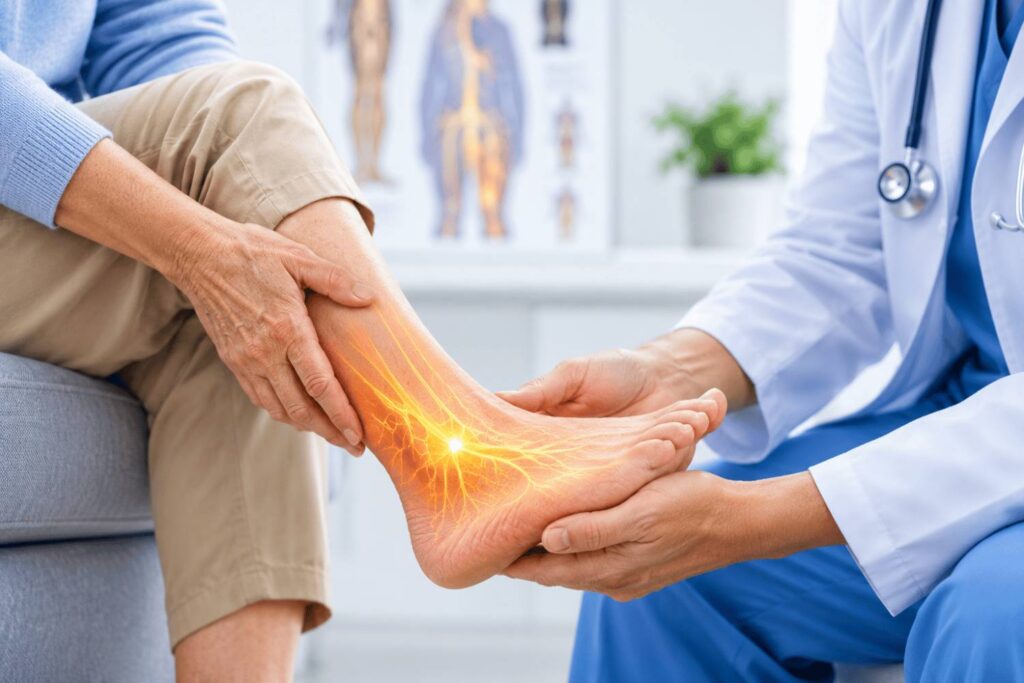
Your peripheral nerves are the wiring outside your brain and spinal cord. They carry touch, temperature and pain signals to your brain, tell your muscles when to move, and control automatic functions such as sweating and digestion. In peripheral neuropathy, those nerves are damaged, so the signals become weak, scrambled or overactive. The result can be numbness, tingling, burning or sharp pain, most often in the feet and hands.

More than one kind of nerve. Neuropathy can affect sensory nerves (feeling), motor nerves (movement) and autonomic nerves (automatic body functions). Many people have a mix, which is why symptoms can look so different from one person to the next.

Pain is only part of it. Some people feel burning or electric shocks. Others feel numbness, which can be risky because you may not notice a cut or a blister. Both deserve attention.

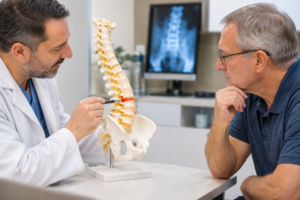
Different from a pinched nerve in the spine. Neuropathy affects nerves in the limbs, usually on both sides of the body and starting in the toes and feet. A pinched nerve root in the spine, such as from a herniated disc or spinal stenosis, usually causes pain that shoots down one arm or leg. The two can look alike, so it matters to tell them apart.

Finding the cause comes first. Treatment works best when it targets what is damaging the nerve, whether that is blood sugar, a vitamin shortage, a medicine, or something else. Your provider reviews your history, examines your nerves, and may recommend blood tests or nerve studies.

Peripheral Neuropathy

Types of Peripheral Neuropathy

Your provider describes your neuropathy by the nerves it affects and how many nerves are involved.

Sensory neuropathy

Affects the nerves that carry touch, temperature and pain. It causes numbness, tingling, burning, or pain from things that should not hurt, such as a bedsheet on your feet.

Motor neuropathy

Affects the nerves that control muscles. It can cause weakness, cramps, twitching, tripping on a toe, or trouble gripping.

Polyneuropathy

Damage to many nerves at once. It typically starts in the toes and feet and moves up the legs, and later may reach the fingers and hands.

Diabetic neuropathy

The most common cause of polyneuropathy in the United States. Learn more on our page about diabetic neuropathy.

Common Causes of Peripheral Neuropathy

Many conditions can damage the peripheral nerves. Identifying the cause is the first step toward treatment that protects your nerves and eases pain.

Diabetes

The most common cause of polyneuropathy in the United States. Learn more on our page about diabetic neuropathy.

Chemotherapy and other medicines

Some cancer treatments and other prescription drugs can injure nerves. Tell your provider about every medicine you take, and never stop a medicine without speaking to the doctor who prescribed it.

Alcohol use and vitamin deficiencies

Long-term heavy drinking can harm nerves directly and lower vitamin levels. Low vitamin B12, from diet, gut problems or certain medicines, is a well-known cause.

Autoimmune conditions

In diseases such as lupus, Sjögren’s syndrome and rheumatoid arthritis, the immune system can inflame or attack nerves. See our page on arthritis.

Infections

Shingles, Lyme disease, hepatitis C and HIV are among the infections that can affect nerves, sometimes causing pain or numbness that lasts after recovery.

Kidney, liver and thyroid disease

These conditions can change body chemistry and allow waste products to build up in the blood, which may slowly damage nerves over months or years.

Injury and nerve compression

Accidents, repetitive strain and long-term pressure on a nerve can cause damage in one area, such as the wrist, elbow, knee or lower leg.

Inherited conditions and unknown causes

Some forms, such as Charcot-Marie-Tooth disease, run in families. In many people no clear cause is found, but treatment can still ease their symptoms.

Risk Factors

Anyone can develop neuropathy, but the odds are higher if you:

Symptoms

When Symptoms Need Urgent Care

Most neuropathy develops slowly. Get urgent medical care if you have:

  • Sudden weakness or numbness, trouble speaking, face drooping or confusion (call 911)
  • Numbness or weakness that spreads quickly over hours or days
  • Loss of bladder or bowel control, or numbness in the groin or inner thighs
  • A foot sore, blister or wound that is not healing, or signs of infection such as redness, warmth, swelling or fever
  • Chest pain or trouble breathing (call 911)

These signs can point to a stroke, a fast-moving nerve condition, an infection or another problem that needs prompt attention.

Book a pain evaluation

Posted on Google Peripheral Neuropathy
Peripheral Neuropathy
Brenda Giles
Peripheral NeuropathyPeripheral NeuropathyPeripheral NeuropathyPeripheral NeuropathyPeripheral NeuropathyTrustindex verifies that the original source of the review is Google.
Everybody was very pleasant and not long waiting at all
Posted on Google Peripheral Neuropathy
Peripheral Neuropathy
Lala Kenjo
Peripheral NeuropathyPeripheral NeuropathyPeripheral NeuropathyPeripheral NeuropathyPeripheral NeuropathyTrustindex verifies that the original source of the review is Google.
I'm going to say Dr. O is a miracle worker. I have two herniated discs in my neck and the pain was so severe, I had to roll out of bed some days. I went to see Dr. O and was scheduled for an injection in my neck. The first injection helped a little bit, but I was still in severe pain most days. Speaking to other people, it normally takes two injections so I went from my second injection with Dr. O. Oh, and by the way, he squeezed me in the very next day for the procedure. I have not felt this good in a very long time. I can actually sit in a chair without my neck throbbing from pain and I've even started taking better care of my vegetable garden in my yard. Like I said this man is a miracle worker. Love, love, love him and I highly recommend him. Oh, and all of his staff are extremely friendly, patient, and very empathetic to their patients.
Posted on Google Peripheral Neuropathy
Peripheral Neuropathy
Maryann Iko
Peripheral NeuropathyPeripheral NeuropathyPeripheral NeuropathyPeripheral NeuropathyPeripheral NeuropathyTrustindex verifies that the original source of the review is Google.
Everyone is friendly and feeling good about them helping me
Posted on Google Peripheral Neuropathy
Peripheral Neuropathy
MARCE CASTAÑO
Peripheral NeuropathyPeripheral NeuropathyPeripheral NeuropathyPeripheral NeuropathyPeripheral NeuropathyTrustindex verifies that the original source of the review is Google.
“My experience today was excellent. From the moment I arrived, the staff was welcoming and attentive. The way everything was explained to me made the process clear and easy to understand. I felt very comfortable and, most importantly, safe throughout my visit. I truly appreciate the professionalism and care I received.”
Posted on Google Peripheral Neuropathy
Peripheral Neuropathy
Barbara Quarantello
Peripheral NeuropathyPeripheral NeuropathyPeripheral NeuropathyPeripheral NeuropathyPeripheral NeuropathyTrustindex verifies that the original source of the review is Google.
I have been a patient of Dr. Orhurhu for over a year and the care he has given me has been exceptional. I had a compound fracture of my L2 vertebrae in May 2024 and he performed a Kyphoplasty in his office with wonderful results. I still have issues with my back due to scoliosis and bulgeing discs that impinge on my spine. Dr.O suggested ablation therpy on my low back along with 4 epidural injections with 2 more to come this week. But I have great faith in Dr. Orhurhu that I will be improving under his excellent care and guidance.
Posted on Google Peripheral Neuropathy
Peripheral Neuropathy
Seleimy Suárez Rodríguez
Peripheral NeuropathyPeripheral NeuropathyPeripheral NeuropathyPeripheral NeuropathyPeripheral NeuropathyTrustindex verifies that the original source of the review is Google.
Me gustó bastante y mucho la atención de el Señor Andy, excelente coordinador. Excelentes servicios en todo!!! Quede muy encantada.

Other Treatment Options

Neuropathy care starts with finding and treating the cause, then easing symptoms with the least invasive options first. A combination of approaches often works better than any single one, and most people do not need surgery.

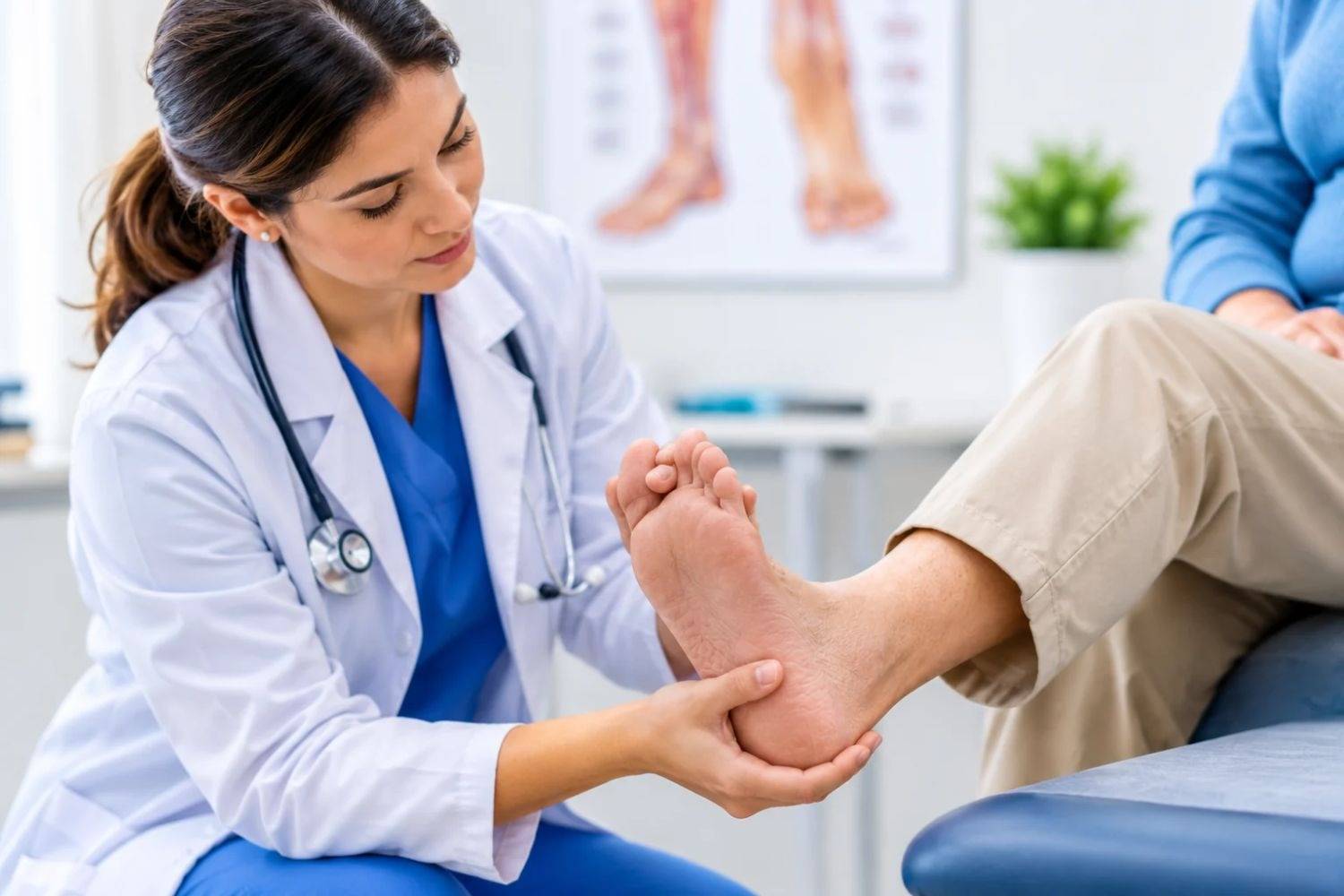
Peripheral Neuropathy

Treating the cause

Controlling blood sugar, correcting vitamin shortages, reviewing medicines and managing conditions such as thyroid or kidney disease can slow or stop nerve damage. We work alongside your primary care provider and other specialists.

Peripheral Neuropathy

Medication guidance

Several types of medicine can calm nerve pain, including certain anti-seizure medicines, certain antidepressants and numbing creams or patches. Your provider explains the benefits and side effects and chooses what fits your health and other medicines.

Peripheral Neuropathy

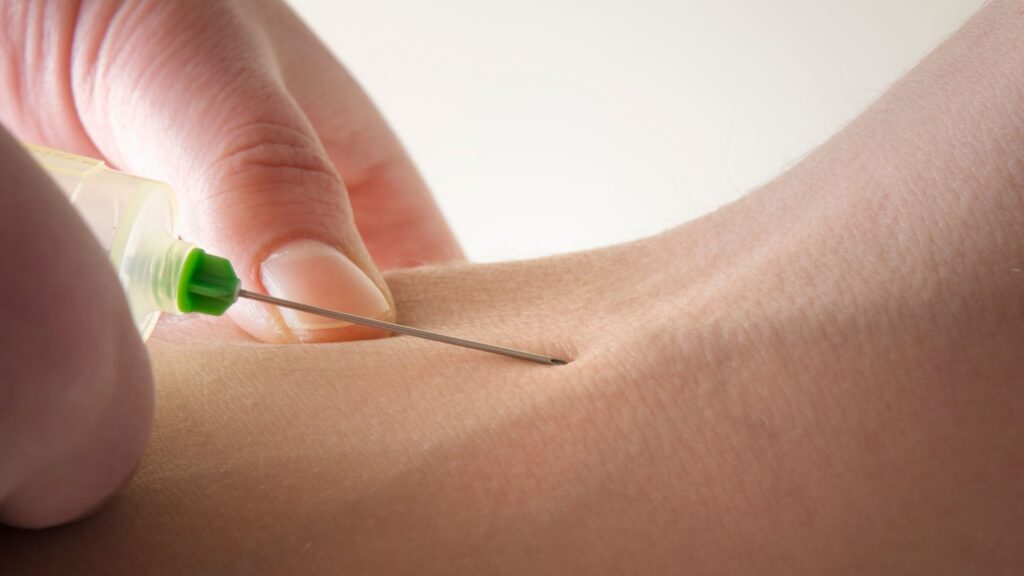
Nerve blocks

Numbing medicine, sometimes with a steroid, is placed near a specific nerve using imaging guidance. Nerve blocks may help when pain is focused in one area, and the response also helps your provider understand which nerve is involved.

Peripheral Neuropathy

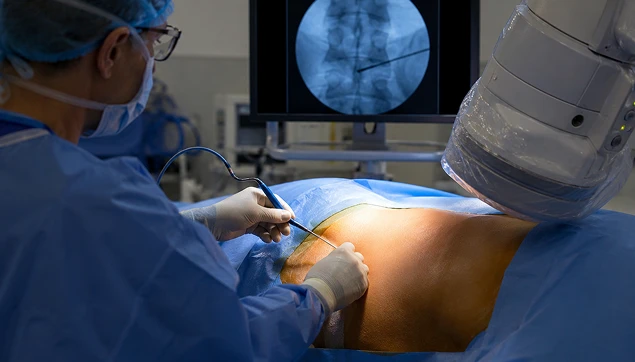
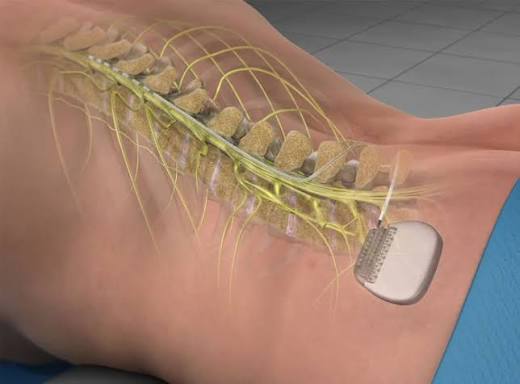
Spinal cord stimulation

A small device, known as a spinal cord stimulator, sends mild electrical pulses that change how pain signals reach the brain. It is used for long-term nerve pain that has not responded to other care, and it starts with a short trial so you can see whether it helps before anything is placed permanently. Evidence is strongest for painful diabetic neuropathy, and use for other types is decided case by case.

Peripheral Neuropathy

Epidural steroid injections

If your symptoms turn out to come from an irritated nerve root in the spine, epidural steroid injections place anti-inflammatory medicine near that nerve and may help.

Peripheral Neuropathy

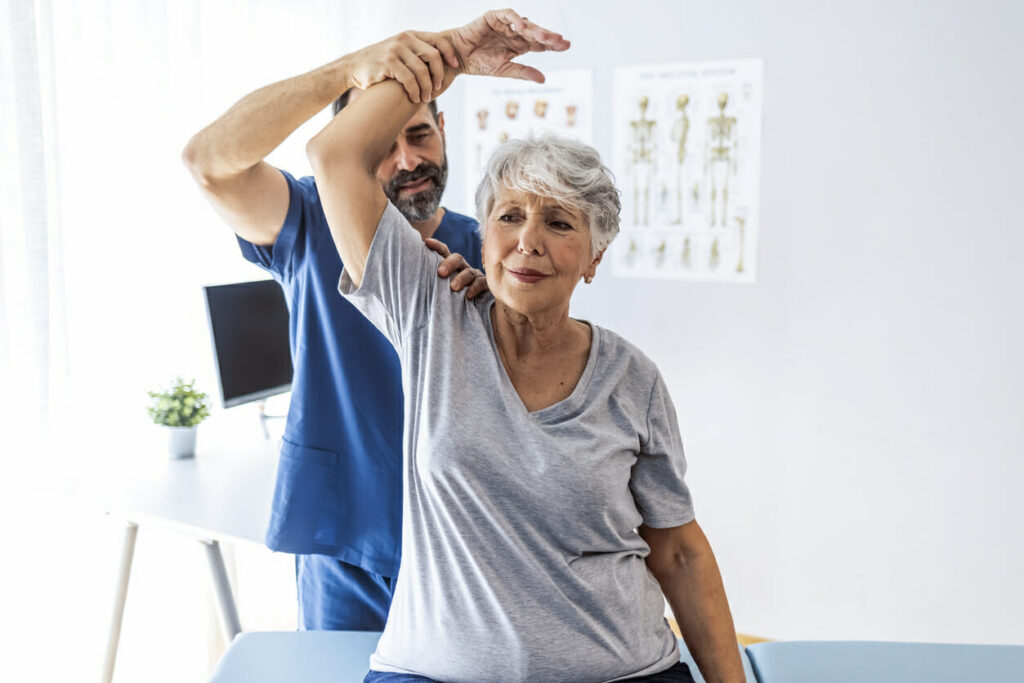
Physical therapy and exercise

Guided exercise can build strength, improve balance and help prevent falls, which matters when feeling in the feet is reduced.Platelets from your own blood may support healing in some joint and soft-tissue conditions. Your provider will tell you whether it’s a reasonable option for you.

Managing Neuropathy at Home

Simple daily habits can protect your nerves and make symptoms easier to live with. Follow your care team’s instructions, since they match your health and treatment plan.

Peripheral Neuropathy

If your symptoms are getting worse, or you notice a wound on your foot, new weakness or fever, call our office.

Protect your feet and hands. Wear well-fitting shoes and clean, dry socks, and avoid walking barefoot. Use gloves for chores that could cut or burn.

Test water and heat with care. Reduced feeling can hide burns. Check bath water with your elbow or a thermometer, and avoid heating pads on numb skin.

Keep moving. Regular walking and gentle exercise help circulation and balance, and your provider can suggest activities that suit you.

Limit alcohol and avoid smoking. Both can make nerve damage worse.

Take medicines as prescribed. Tell your provider about side effects so doses can be adjusted, rather than stopping on your own.

Keep a symptom diary. Note when symptoms are worse, what helps and how they affect sleep. This helps guide your plan.

Find a Peripheral Neuropathy Specialist Near You

Book a veins sepaclsit near you at one of our clinics in Pennsylvania, New Jersey, Ohio and Arizona.

Pennsylvania

New Jersey

Arizona

Frequently Asked Questions

What is peripheral neuropathy?

Peripheral neuropathy is damage to the nerves outside the brain and spinal cord. It commonly causes numbness, tingling, burning pain and weakness in the feet and hands.

What causes peripheral neuropathy?

Diabetes is the most common cause. Others include certain medicines such as some chemotherapy drugs, alcohol use, vitamin deficiencies, autoimmune disease, infections, kidney or thyroid disease, injuries and inherited conditions. Sometimes no cause is found.

Can peripheral neuropathy be cured?

It depends on the cause. If the cause is treatable, such as a vitamin deficiency, symptoms may improve. When nerve damage is long-standing, the goal is usually to slow progression and manage pain. Early evaluation gives you the best chance of protecting your nerves.

How is peripheral neuropathy diagnosed?

Your provider reviews your symptoms and medical history, examines your reflexes, strength and sensation, and may order blood tests or nerve studies. These tests help find the cause and rule out conditions that mimic neuropathy.

What does neuropathy pain feel like?

People describe burning, stabbing, electric shocks, tingling or deep aching. The pain is often worse at night, and some people are painfully sensitive to light touch.

Is neuropathy the same as a pinched nerve?

Not usually. Neuropathy typically affects the nerves in the limbs on both sides of the body, while a pinched nerve in the spine often causes pain down one arm or leg. An exam helps tell them apart.

How can nerve blocks help neuropathy?

A nerve block places numbing medicine near a specific nerve. It can provide temporary relief for pain in one area and helps show which nerves are involved. Whether it is right for you depends on your symptoms and exam.

When is spinal cord stimulation considered?

It may be considered when nerve pain has lasted a long time and has not improved enough with other care. A short trial comes first, so you can see whether it helps before deciding on a permanent device.

Is peripheral neuropathy permanent?

Not always. Some neuropathy improves when its cause is treated, and nerves can slowly recover. In other cases symptoms continue, but treatment can often reduce pain and protect function.

How do I schedule a neuropathy consultation?

MVM Health has pain clinics in Pennsylvania, New Jersey, Ohio and Arizona. Request an appointment online or call (888) 628-4785. Our team will check your insurance and help you find a time.

Recent blogs

Contact Us
Book Appointment Call 888-628-4785