







Leg Swelling
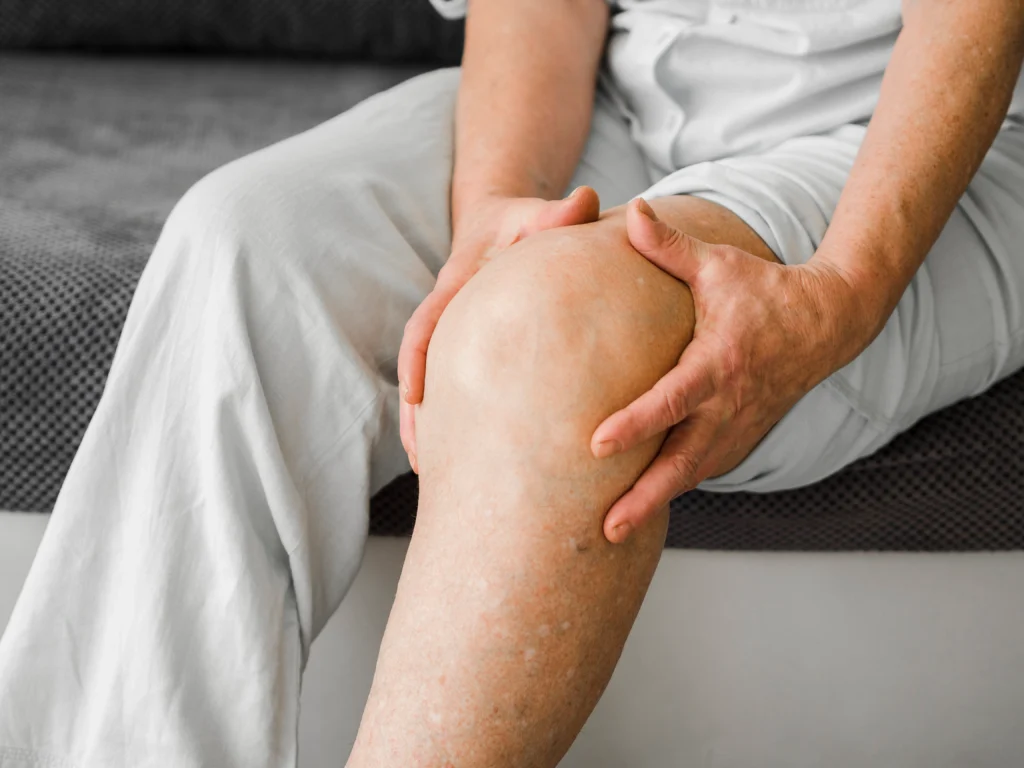
At MVM Health, we focus on addressing the root cause of leg swelling (edema)—not just masking the symptoms. Our goal is to reduce fluid retention, restore healthy circulation, and help you return to a more comfortable, active life free from heaviness and tightness.
Why Does Persistent Leg Swelling Happen?
While temporary leg swelling can result from a single event like prolonged travel or excessive salt intake, persistent edema is most often caused by an underlying vein condition known as Venous Insufficiency. This happens when the valves inside your leg veins weaken. They allow blood to flow backward and pool, which causes fluid to leak into the surrounding leg tissues. Key leg swelling causes include repetitive physical strain from standing, excess body weight, a sedentary lifestyle, a family history of vein problems, and certain hormonal changes.
What are the Symptoms of Leg Swelling?
Leg swelling is a noticeable condition where fluid builds up in the leg tissues, but it’s often accompanied by other symptoms that signal an underlying circulation issue. At MVM Health, we assess these additional signs to pinpoint the root cause of the fluid retention. Common symptoms accompanying persistent leg swelling include:
- Decreased Ankle Mobility
- Pitting Edema
- Itching and Skin Dryness
- Visible Vein Changes
- Feeling of Heaviness
- Stretched, Shiny Skin
- Aching and Dull Pain
- Throbbing Sensation
Can My Swollen Legs Be Treated?
Yes, absolutely. Swollen legs (edema) that are caused by underlying vein problems (like Venous Insufficiency) can be effectively treated at MVM Health. Our goal is to address the root cause of the fluid buildup and circulatory issue, not just mask the visible symptom.
Our specialized treatment approach for persistent leg swelling includes:
- Minimally Invasive Procedures: To correct the underlying vein damage (e.g., Endovenous Ablation to close faulty veins).
- Compression Therapy: To manage immediate swelling and support improved blood circulation.
- Lifestyle Modifications: Guidance on regular exercise, dietary changes, and leg elevation techniques to stop fluid from pooling.
- Venous Duplex Ultrasound: Used for precise initial diagnosis and guiding all treatments.
- Microphlebectomy: For the targeted removal of large, bulging surface veins.
- Post-Procedure Support: Continuous monitoring and follow-up care to ensure long-term success.
Schedule Your Consultation
How Venous Treatments Target Swollen Legs
Minimally invasive vein treatments offer a targeted, non-surgical solution for the debilitating swelling (edema) caused by Venous Insufficiency. When damaged vein valves allow blood to pool in the lower leg, it causes fluid to leak into the surrounding tissue, resulting in swelling and heaviness. By precisely treating the specific faulty vein, we can effectively close off the source of reflux (backward blood flow). This stops the high pressure and prevents fluid leakage. This makes vein treatment an ideal option when compression stockings or leg elevation aren’t providing sufficient relief. They offer two key benefits: immediate swelling reduction and a powerful therapeutic solution. By correcting the exact vein that is causing the fluid backup, we can create a more precise and effective long-term treatment plan for your recovery.
Leg Swelling: Causes, Symptoms, and Treatment
Leg swelling is one of the most common signs of underlying Venous Insufficiency. The condition occurs when damaged, one-way valves inside the leg veins fail to push blood back to the heart, which causes blood and fluid to pool in the lower extremities. This pressure and fluid buildup is the direct cause of the debilitating symptoms associated with leg swelling, including heaviness, tightness, throbbing, and restricted mobility. Understanding leg swelling causes is essential for proper treatment and prevention. The most important step to relief is an accurate diagnosis. Pinpointing the exact vein and circulatory issue involved allows our specialists to create a targeted, non-surgical treatment plan to relieve the pressure, reduce your swelling, and restore your quality of life.
Why Choose MVM Health for Leg Swelling Relief?
If you’re struggling with persistent leg swelling, the specialists at MVM Health bring extensive experience in interventional vein treatment and advanced diagnostic accuracy to help effectively reduce fluid buildup and significantly improve both physical comfort, circulation, and long-term mobility for lasting relief.
We customize every treatment to your individual needs, focusing on identifying the root cause of the swelling (such as Venous Insufficiency) for lasting relief. Explore our minimally invasive vein treatments and other therapies designed for effective leg swelling relief. Contact MVM Health for personalized solutions today.
FAQS
What causes persistent leg swelling (edema)?
Persistent leg swelling is most often caused by Venous Insufficiency a condition in which weakened leg vein valves allow blood to flow backward and pool, causing fluid to leak into surrounding leg tissues. Key contributing factors include repetitive physical strain from standing, excess body weight, a sedentary lifestyle, a family history of vein problems, and hormonal changes. Unlike temporary swelling from travel or diet, persistent edema signals an underlying circulatory issue that requires medical evaluation
What are the signs and symptoms of vein-related leg swelling?
Beyond visible puffiness, vein-related leg swelling is typically accompanied by decreased ankle mobility, pitting edema (a dent that remains after pressing the skin), itching and skin dryness, aching and dull pain, a feeling of heaviness, stretched and shiny skin, visible vein changes, and a throbbing sensation. These symptoms indicate underlying circulatory dysfunction that MVM Health specialists assess to pinpoint the root cause.
How does MVM Health diagnose the cause of leg swelling?
MVM Health specialists use Venous Duplex Ultrasound as the primary diagnostic tool to precisely identify the faulty vein and the extent of venous reflux causing the fluid backup. This is combined with physical examination to evaluate circulation and vein health. Accurate diagnosis allows the team to design a non-surgical, targeted treatment plan addressing the root cause rather than just managing symptoms.
What treatment options are available for vein-related leg swelling?
MVM Health has a full range of treatments for leg swelling caused by venous insufficiency. These include endovenous ablation to fix the faulty vein and stop fluid leakage, compression therapy to reduce swelling and improve circulation, microphlebectomy to remove large bulging surface veins, and lifestyle modification advice on exercise, diet, and leg elevation techniques.
Why is treating the underlying vein problem more effective than compression stockings alone?
While compression stockings can manage symptoms temporarily, they do not correct the faulty vein causing the fluid backup. Minimally invasive vein treatments at MVM Health, such as Endovenous Ablation precisely close the specific vein responsible for the backward blood flow, eliminating the high pressure and preventing the fluid leakage at its source. This creates a more effective, long-term solution for chronic leg swelling than compression management alone.
FAQ
What causes persistent leg swelling (edema)?
Persistent leg swelling is most often caused by Venous Insufficiency a condition in which weakened leg vein valves allow blood to flow backward and pool, causing fluid to leak into surrounding leg tissues. Key contributing factors include repetitive physical strain from standing, excess body weight, a sedentary lifestyle, a family history of vein problems, and hormonal changes. Unlike temporary swelling from travel or diet, persistent edema signals an underlying circulatory issue that requires medical evaluation.
What are the signs and symptoms of vein-related leg swelling?
Beyond visible puffiness, vein-related leg swelling is typically accompanied by decreased ankle mobility, pitting edema (a dent that remains after pressing the skin), itching and skin dryness, aching and dull pain, a feeling of heaviness, stretched and shiny skin, visible vein changes, and a throbbing sensation. These symptoms indicate underlying circulatory dysfunction that MVM Health specialists assess to pinpoint the root cause.
How does MVM Health diagnose the cause of leg swelling?
MVM Health specialists use Venous Duplex Ultrasound as the primary diagnostic tool to precisely identify the faulty vein and the extent of venous reflux causing the fluid backup. This is combined with physical examination to evaluate circulation and vein health. Accurate diagnosis allows the team to design a non-surgical, targeted treatment plan addressing the root cause rather than just managing symptoms.
What treatment options are available for vein-related leg swelling?
MVM Health has a full range of treatments for leg swelling caused by venous insufficiency. These include endovenous ablation to fix the faulty vein and stop fluid leakage, compression therapy to reduce swelling and improve circulation, microphlebectomy to remove large bulging surface veins, and lifestyle modification advice on exercise, diet, and leg elevation techniques.
Why is treating the underlying vein problem more effective than compression stockings alone?
While compression stockings can manage symptoms temporarily, they do not correct the faulty vein causing the fluid backup. Minimally invasive vein treatments at MVM Health, such as Endovenous Ablation precisely close the specific vein responsible for the backward blood flow, eliminating the high pressure and preventing the fluid leakage at its source. This creates a more effective, long-term solution for chronic leg swelling than compression management alone.