








Ambulatory Phlebectomy

Ambulatory phlebectomy removes bulging, rope-like varicose veins through tiny nicks in the skin. It’s done in the office under local numbing, needs no stitches and leaves only small marks that fade over time. Because the vein is taken out, results are visible right away. Our vein specialists check your veins with ultrasound first to make sure phlebectomy is the right step for you.

Book a visit with a vein specialist near you at one of our clinics in Pennsylvania, New Jersey, Ohio and Arizona.

Ambulatory Phlebectomy
Ambulatory Phlebectomy Ambulatory Phlebectomy Ambulatory Phlebectomy Ambulatory Phlebectomy Ambulatory Phlebectomy Ambulatory Phlebectomy Ambulatory Phlebectomy Ambulatory Phlebectomy Ambulatory Phlebectomy Ambulatory Phlebectomy Ambulatory Phlebectomy Ambulatory Phlebectomy Ambulatory Phlebectomy Ambulatory Phlebectomy Ambulatory Phlebectomy Ambulatory Phlebectomy Ambulatory Phlebectomy Ambulatory Phlebectomy Ambulatory Phlebectomy Ambulatory Phlebectomy Ambulatory Phlebectomy Ambulatory Phlebectomy Ambulatory Phlebectomy Ambulatory Phlebectomy

Meet Our Expert Team

Board Certified Expert

At MVM Health — Movement. Vitality. Medicine. — we are committed to providing exceptional pain, vein, and wellness services that empower individuals to reclaim their health and well-being. With our team of Harvard-trained experts, we strive to deliver transformative outcomes that restore comfort, confidence, and quality of life. MVM Health’s mission is to help every patient relieve discomfort, restore motion, and renew life.

Ambulatory Phlebectomy

Vwaire Orhurhu, MD, MPH
Harvard Medical School

Ambulatory Phlebectomy

Mariam Salisu, MD, MPH
Harvard Medical School

Ambulatory Phlebectomy

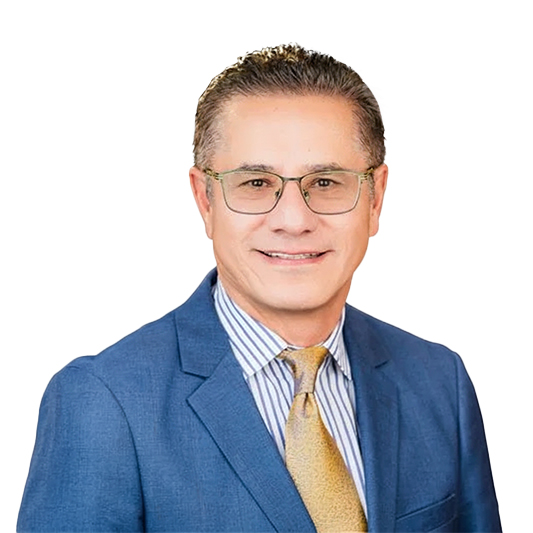
Peter Isaac, DO
Philadelphia College of Osteopathic Medicine
Ambulatory Phlebectomy

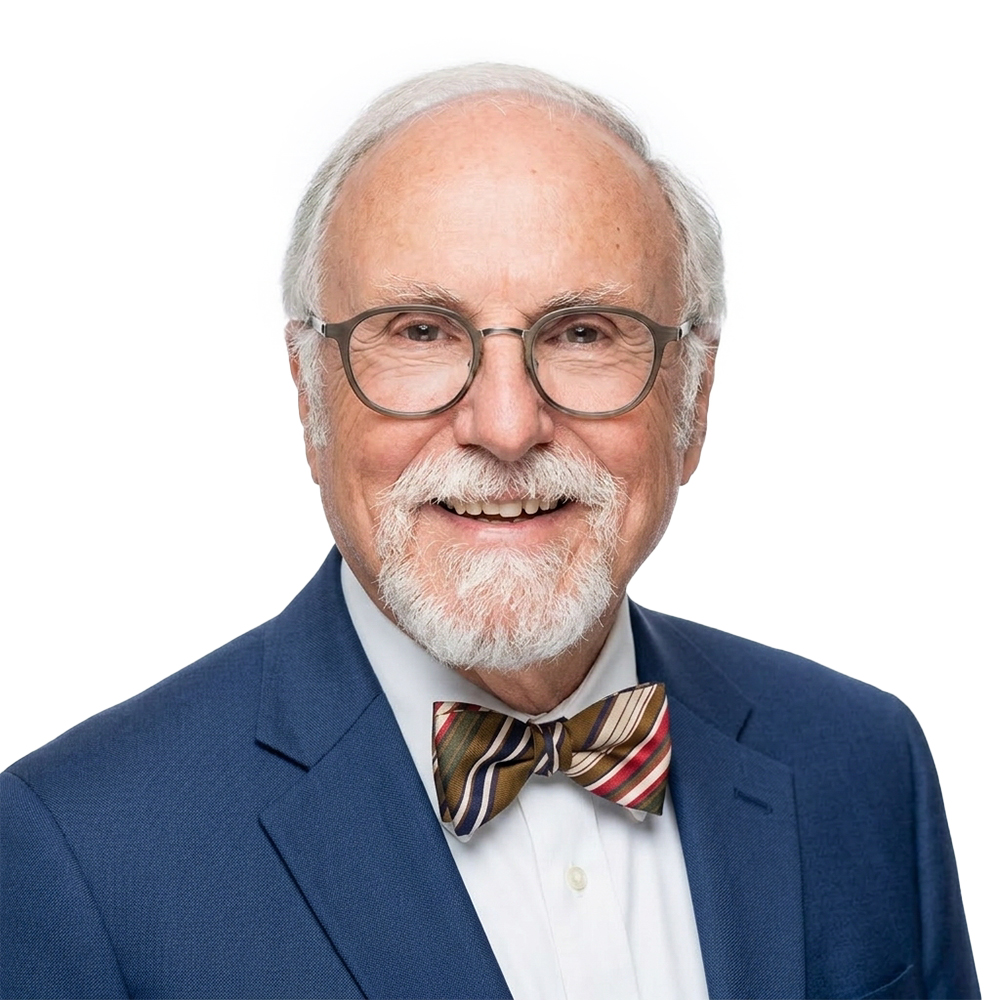
Ali Amin, MD
Baylor College of Medicine
Ambulatory Phlebectomy

THOMAS KHOURY, MD
Harvard Medical School

Ambulatory Phlebectomy

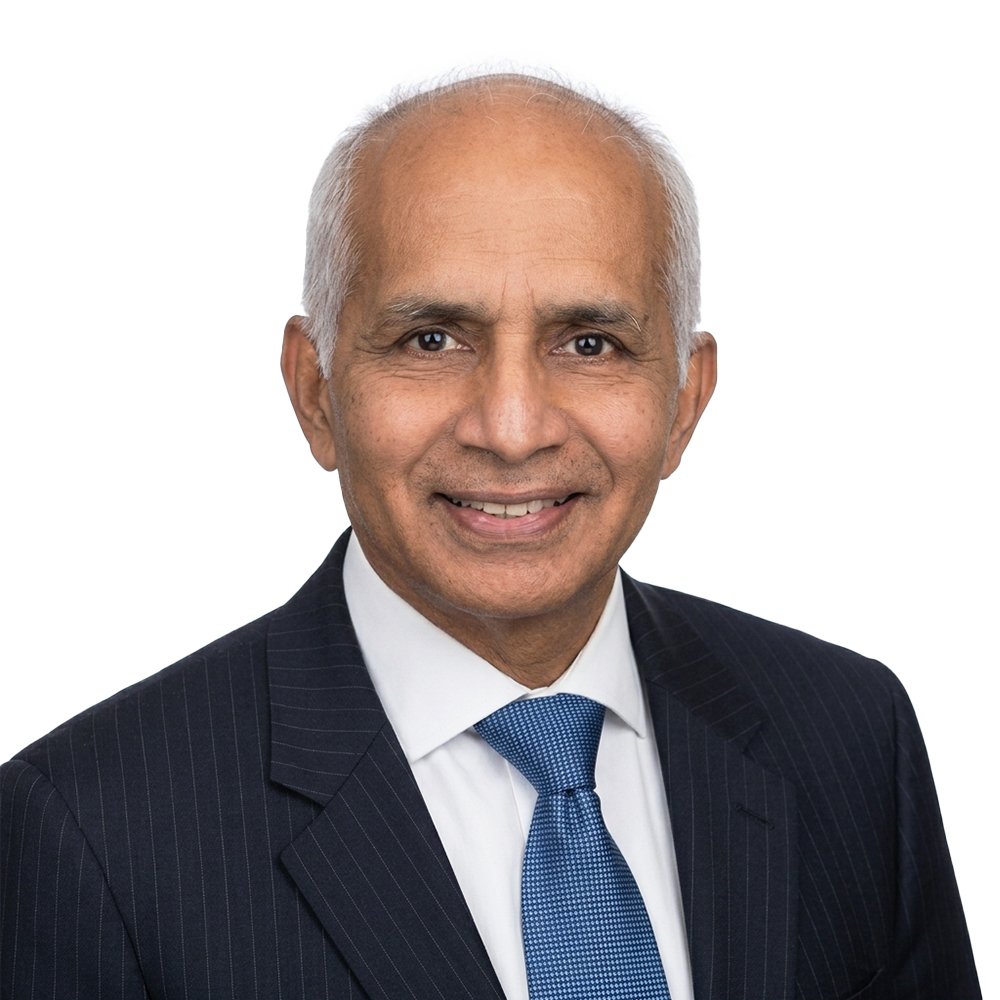
ANTHONY TURNER, MD
Yale School of Medicine
Ambulatory Phlebectomy

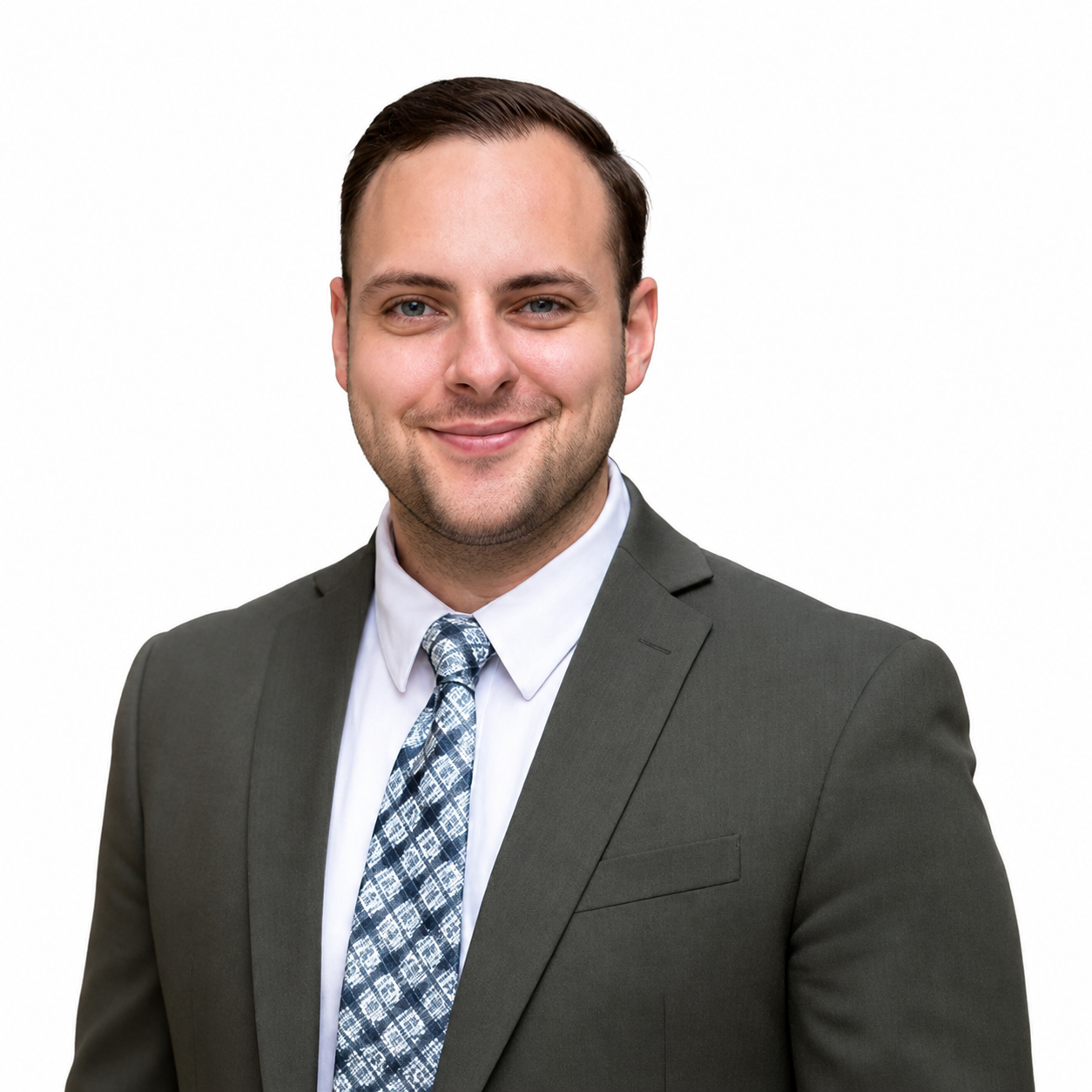
KIRAN C. TAMIRISA
Baylor College of Medicine
Ambulatory Phlebectomy

TARIQ ALFARRA, DO
JOHNS HOPKINS HOSPITAL
Ambulatory Phlebectomy

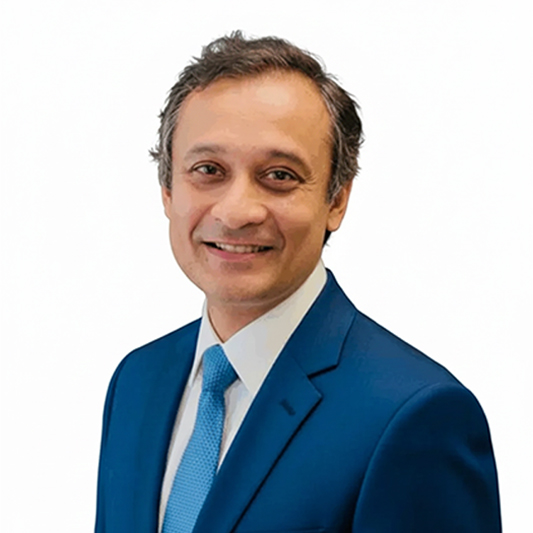
Rishi Sheth, MD
University of Miami School of Medicine

Ambulatory Phlebectomy

Henry Onyeaka, MD, MPH
Harvard Medical School

Ambulatory Phlebectomy

Felicia Todd, CNP
Moravian College

Ambulatory Phlebectomy

Carrie Ward, CNP
Franklin University

Ambulatory Phlebectomy

Kruti Solanki, CNP
Drexel University
Ambulatory Phlebectomy

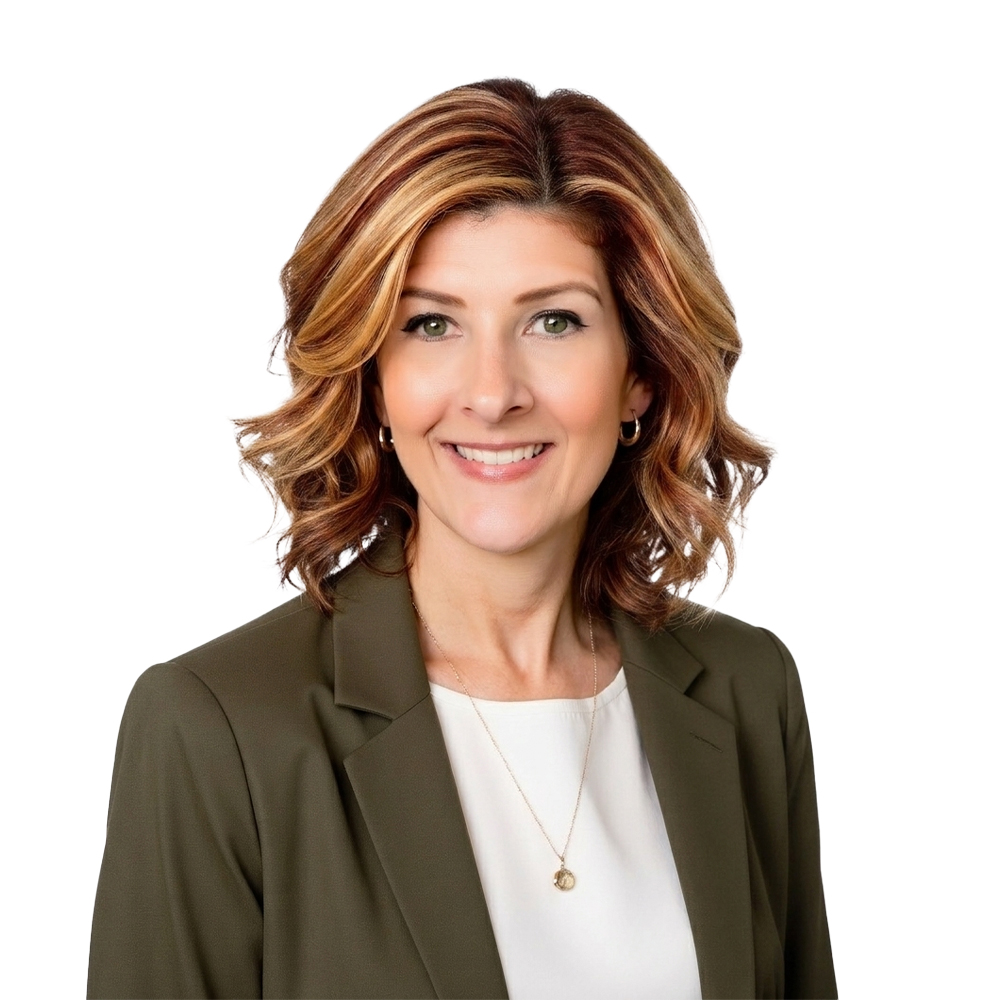
Christy Daniels, CNP
Chamberlain University
Ambulatory Phlebectomy

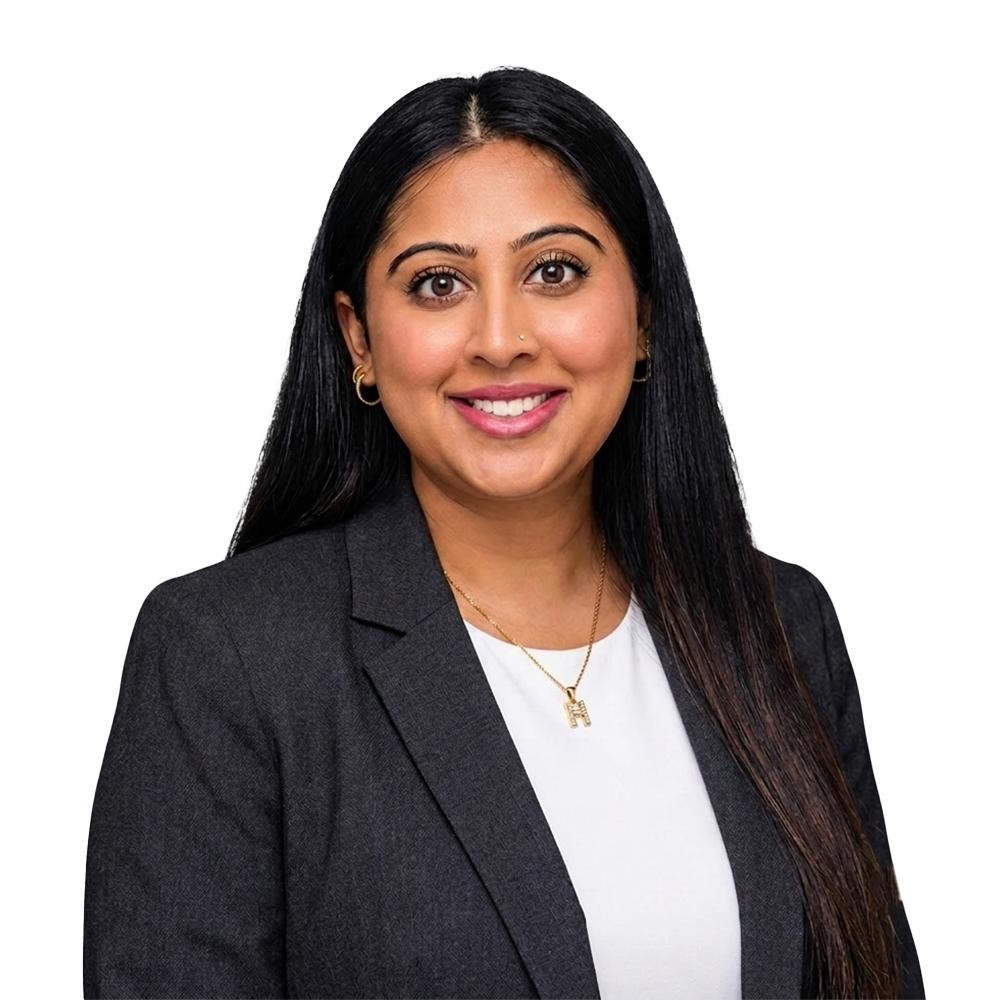
Heerina Kittel, CNP
Maryville University
Ambulatory Phlebectomy

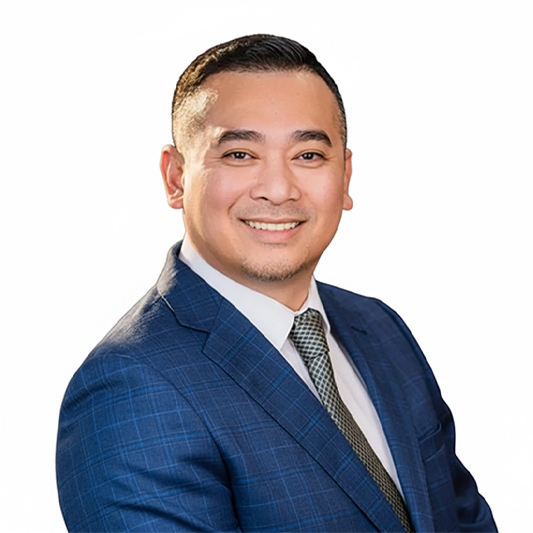
Vic Urbano, CNP
Walden University

Ambulatory Phlebectomy

Jameela Azeem, CNP
Hofstra University

Ambulatory Phlebectomy

Vwaire Orhurhu, MD, MPH
Harvard Medical School

Ambulatory Phlebectomy

Mariam Salisu, MD, MPH
Harvard Medical School

Ambulatory Phlebectomy

Peter Isaac, DO
Philadelphia College of Osteopathic Medicine

Ambulatory Phlebectomy

Ali Amin, MD
Baylor College of Medicine

Ambulatory Phlebectomy

THOMAS KHOURY, MD
Harvard Medical School

Ambulatory Phlebectomy

ANTHONY TURNER, MD
Yale School of Medicine

Ambulatory Phlebectomy

KIRAN C. TAMIRISA
Baylor College of Medicine

Ambulatory Phlebectomy

Rishi Seth, MD
University of Miami School of Medicine

Ambulatory Phlebectomy

Henry Onyeaka, MD, MPH
Harvard Medical School

Ambulatory Phlebectomy

Felicia Todd, CNP
Moravian College

Ambulatory Phlebectomy

Vic Urbano, CNP
Walden University

Ambulatory Phlebectomy

Jameela Azeem, CNP
Hofstra University

We work with a wide variety of insurance providers

Ambulatory Phlebectomy Ambulatory Phlebectomy Ambulatory Phlebectomy Ambulatory Phlebectomy Ambulatory Phlebectomy Ambulatory Phlebectomy Ambulatory Phlebectomy

and 100+ more

Insurance coverage for vein treatment depends on your specific plan, medical necessity, and prior authorization. Our team will review your benefits with you in advance. Questions? Contact us to confirm if your insurance is accepted.

What Is Ambulatory Phlebectomy?

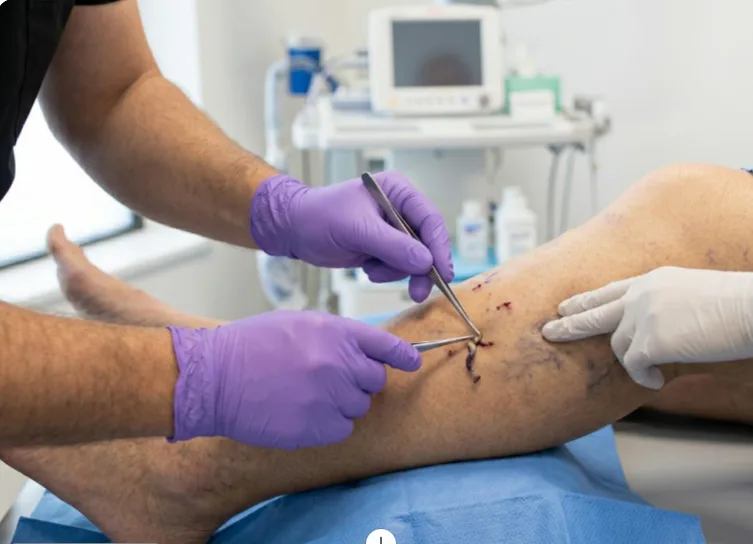
Ambulatory phlebectomy, also called microphlebectomy or stab phlebectomy, is a minimally invasive procedure that removes varicose veins that sit just under the skin. “Ambulatory” means you walk in and walk out on the same day.

Instead of closing the vein and leaving it in place, your provider removes it in small sections through openings only a few millimeters long. It’s most often used for large surface veins that bulge or twist, especially after the main leaking vein has been treated.

Ambulatory Phlebectomy

How Ambulatory Phlebectomy Works

The procedure is done in a regular exam room and usually takes under an hour.

Ambulatory Phlebectomy

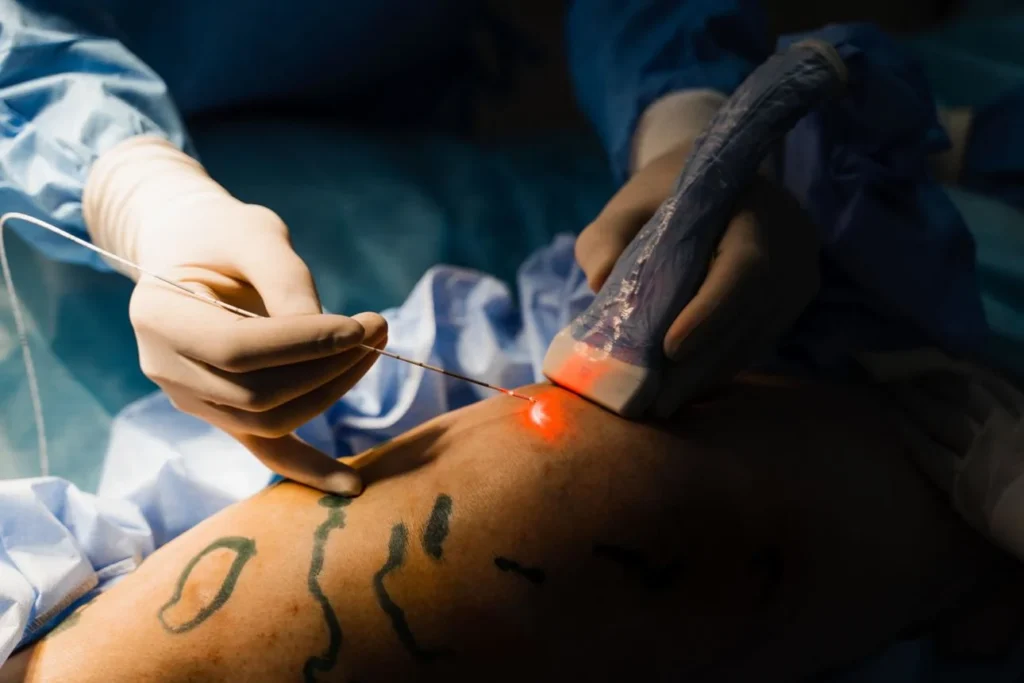
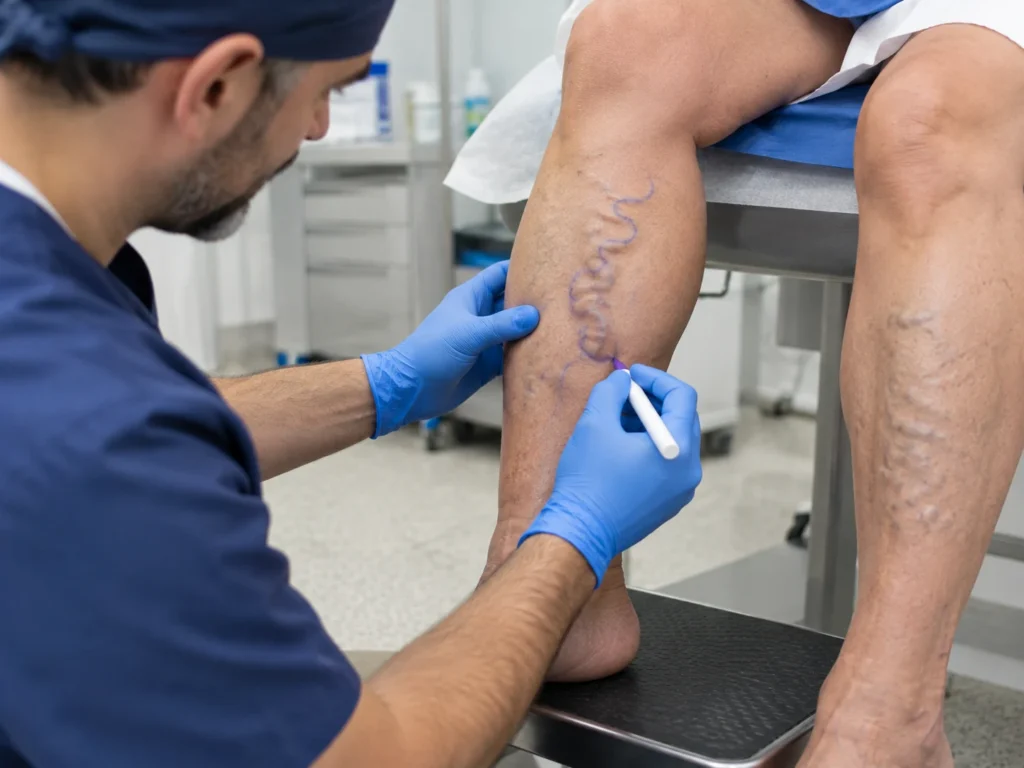
Marking the Veins

While you stand, your provider marks the bulging veins on your skin so they’re easy to find once you lie down.

Ambulatory Phlebectomy

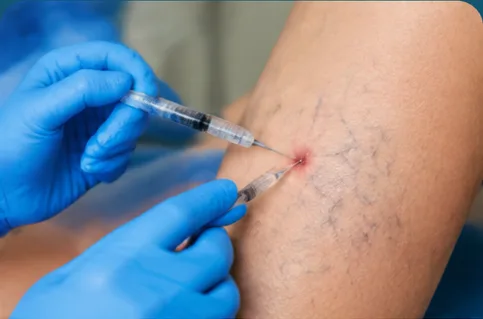
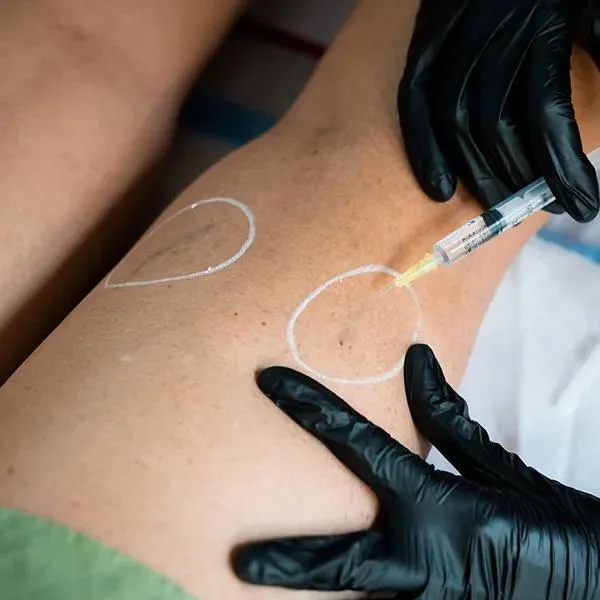
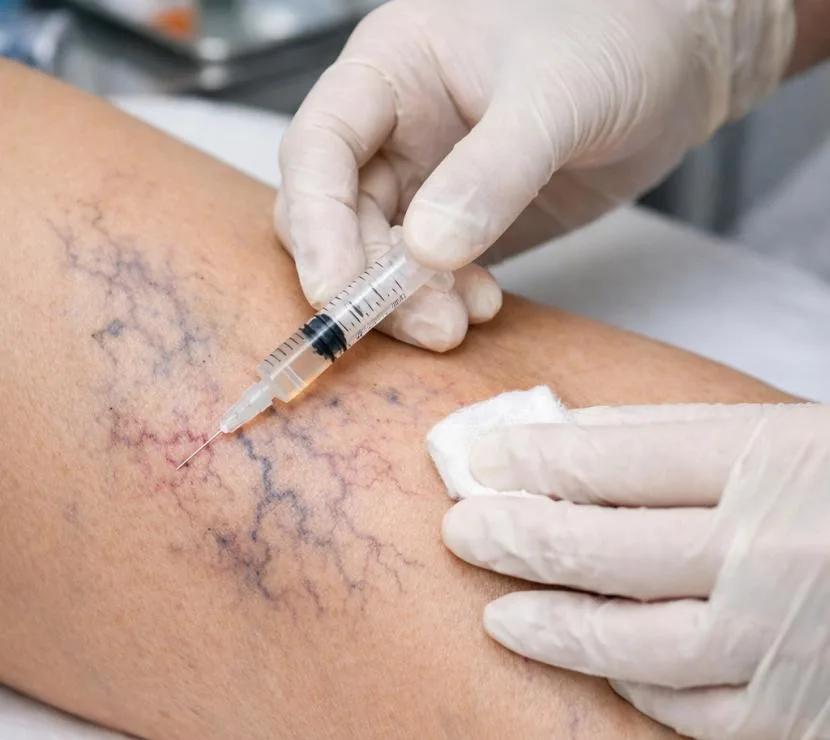
Numbing the Area

Local anesthetic is injected along the marked veins, so you stay awake and comfortable.

Ambulatory Phlebectomy

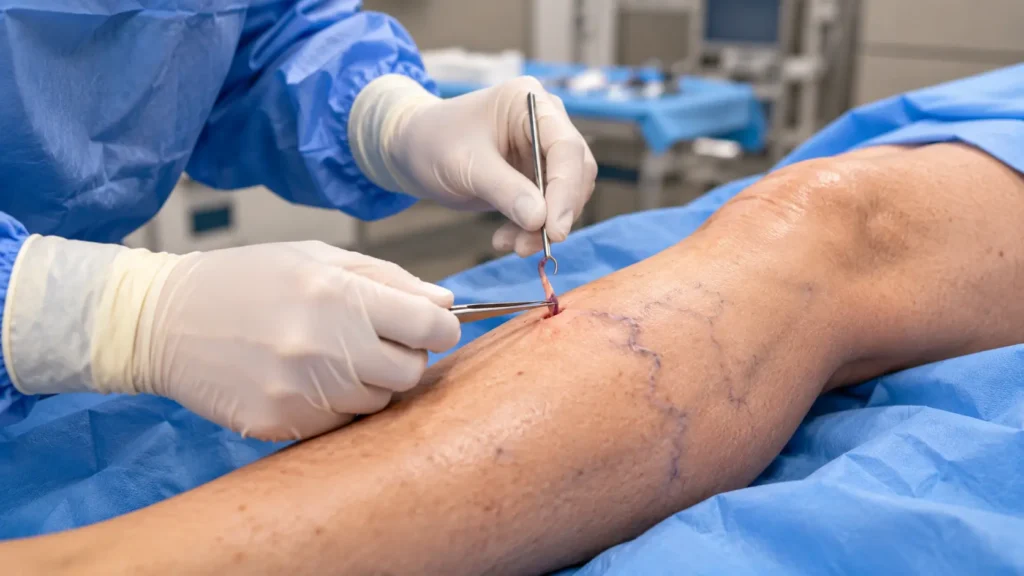
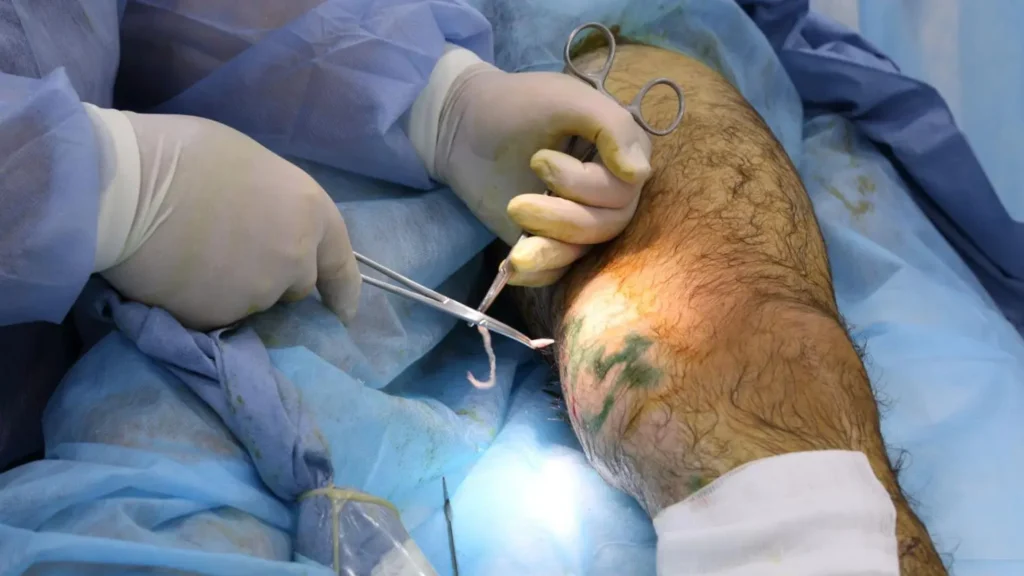
Removing the Vein

Through tiny nicks, your provider gently lifts out the vein in small sections with a fine hook.

Ambulatory Phlebectomy

Dressing the Leg

The nicks are covered with adhesive strips, no stitches needed, and your leg is wrapped or fitted with a compression stocking.

Is Ambulatory Phlebectomy Right for You?

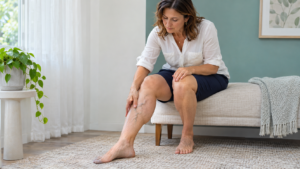
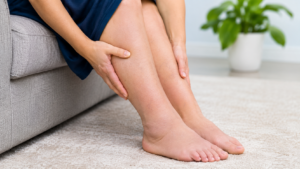
Ambulatory phlebectomy works well for bulging veins that sit close to the skin. Whether it fits you depends on the size and location of your veins and whether a deeper leaking vein needs treatment first, which your provider checks with a quick ultrasound.

If bulging veins are causing aching or making you self-conscious, a vein evaluation can tell you whether phlebectomy or another treatment fits you best.

Phlebectomy may be a good fit if you have…

It may not be right if you…

Benefits of Ambulatory Phlebectomy

Ambulatory Phlebectomy

Removes the Vein Completely

The problem vein is taken out, not just closed, so the bulge is gone right away.

Ambulatory Phlebectomy

No Stitches

The tiny openings close with adhesive strips and usually heal into small marks that fade over time.

Ambulatory Phlebectomy

Local Numbing Only

No general anesthesia is needed. You stay awake and go home the same day.

Ambulatory Phlebectomy

Works With Other Treatments

It’s often paired with vein closure treatments to address both the leaking vein and the visible bulges.

Where Phlebectomy Fits in Your Treatment Plan

Bulging surface veins are often fed by a deeper leaking vein. If ultrasound shows reflux in a main vein, your provider will usually close it first with radiofrequency ablation, laser ablation or VenaSeal™. Phlebectomy is then used to remove the bulging branches that remain, either during the same visit or a few weeks later.

For smaller veins, sclerotherapy may be a better fit. Your plan is built around your ultrasound results.

Not sure which treatment fits your veins? Book a vein evaluation.

What to Expect

BEFORE TREATMENT

our provider reviews your symptoms and medicines and maps your veins with duplex ultrasound. Tell your care team about blood thinners, allergies to numbing medicine, past blood clots or pregnancy. Plan to have someone drive you home.

DURING TREATMENT

Your veins are marked while you stand, then numbed. Your provider removes the vein through tiny nicks. You may feel pressure or tugging but shouldn’t feel sharp pain.

AFTER TREATMENT

Your leg is wrapped or fitted with compression, and you walk before going home. Most people return to light activity the next day and to work within a day or two.

Phlebectomy Compared With Other Treatments

Some treatments close a vein and leave it in place, while phlebectomy removes it. Each option suits different veins, and many plans combine them.

Ambulatory Phlebectomy

The vein is removed through tiny nicks.

Best for: Large bulging surface veins.

Recovery: Walking the same day; compression for about a week or more.

Ambulatory Phlebectomy

Heat through a catheter seals the vein.

Best for: Long, straight main veins.

Recovery: Walking the same day.

Ambulatory Phlebectomy

A laser fiber closes the vein.

Best for: Larger, straight main veins.

Recovery: Walking the same day.

Ambulatory Phlebectomy

Medical adhesive seals the vein with no heat.

Best for: straight main veins. 

Recovery: quick return to routine.

Ambulatory Phlebectomy

Varithena®

Prescription foam closes the vein.

Best for: twisted or lower-leg veins.

Recovery: Walking the same day

Ambulatory Phlebectomy

Injections close smaller veins.

Best for: spider veins and small varicose veins.

Recovery: Walking right away.

Compression note: Compression wraps or stockings are usually worn for about a week or more after phlebectomy. They reduce bruising and swelling and help the small openings heal.

Recovery Timeline

Recovery from ambulatory phlebectomy is usually straightforward. The small openings heal on their own without stitches, and bruising is expected. Walking right away helps you heal and lowers the risk of blood clots. Here’s what the weeks after treatment usually look like.

1

Treatment day. Walk before leaving the office, then rest at home with light activity.

2

First few days. Keep the compression on as directed and walk several times a day.

3

Weeks 1 to 2. Bruising and swelling fade, and most people stop wearing compression.

4

Following months. The small marks keep fading, and your provider checks your results at a follow-up visit.

Aftercare Tips

A few simple habits help the small openings heal well and keep you comfortable.

Ambulatory Phlebectomy

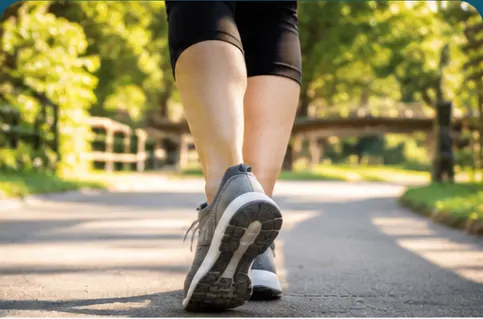
Walk several times a day, starting on the day of treatment.

Wear your compression wrap or stockings for as long as your provider recommends.

Keep the adhesive strips clean and dry until your provider says you can remove them.

Skip heavy lifting, intense workouts and hot tubs for about a week.

Protect the treated area from strong sun while the marks fade.

Side Effects and Safety

Ambulatory phlebectomy is generally safe, and most side effects are mild and short-lived. Knowing what’s normal helps you heal with confidence and know when to call your care team.

Ambulatory Phlebectomy

Common, Short-Term Effects

Bruising, swelling and tenderness around the treated area are common and usually fade within a couple of weeks.

Ambulatory Phlebectomy

Skin and Nerve Changes

Some people notice temporary skin darkening, tingling or small numb patches near the nicks. These usually improve on their own over time.

Ambulatory Phlebectomy

Rare Risks

Rarely, infection, a small blister, inflamed veins or a blood clot can occur. Walking, compression and follow-up visits help lower these risks.

Ambulatory Phlebectomy

Who Should Not Have Phlebectomy

It usually isn’t advised if you can’t walk on your own, can’t wear compression stockings, or have an active skin infection or blood clot. You can read more from the American Society for Dermatologic Surgery.

Safety line: Call 911 for chest pain, shortness of breath or coughing up blood. Contact your care team the same day for new calf swelling, spreading redness, fever or drainage from the nicks.

Find a phlebectomy specialist near you.

Book a visit with a vein specialist near you to see whether ambulatory phlebectomy is right for your veins. Our clinics are in Pennsylvania, New Jersey, Ohio and Arizona.

Pennsylvania

New Jersey

Arizona

Frequently Asked Questions

Is ambulatory phlebectomy painful?

Most people feel only the numbing injections at the start, then pressure or tugging during the procedure. Mild soreness and bruising afterward are common and usually ease within a week or two.

Will ambulatory phlebectomy leave scars?

The openings are only a few millimeters long and close without stitches. Most heal into tiny marks that fade over several months and are often hard to see.

How long does ambulatory phlebectomy take?

The procedure usually takes under an hour, depending on how many veins are removed. Plan for a little extra time for marking, numbing and getting your leg wrapped.

When can I go back to work?

Most people return to desk work within a day or two. If your job is physically demanding, your provider may suggest waiting a few extra days.

Can varicose veins come back after phlebectomy?

A vein that has been removed can’t return. New varicose veins can still form over time, especially if a deeper leaking vein hasn’t been treated, so follow-up visits help catch them early.

Is ambulatory phlebectomy covered by insurance?

It’s often covered when it treats symptomatic varicose veins and is medically necessary. Some plans require prior authorization or treatment of the main leaking vein first. Our team checks your insurance benefits before treatment.

What's the difference between phlebectomy and sclerotherapy?

Phlebectomy removes large bulging veins through tiny nicks, while sclerotherapy uses injections to close smaller veins and spider veins. Many treatment plans use both.

Can ambulatory phlebectomy be done with other vein treatments?

Yes. It’s often done during the same visit as, or a few weeks after, a treatment that closes the main leaking vein, such as radiofrequency ablation or VenaSeal™.

Recent blogs

Contact Us
Book Appointment Call 888-628-4785